What Is on the Truck
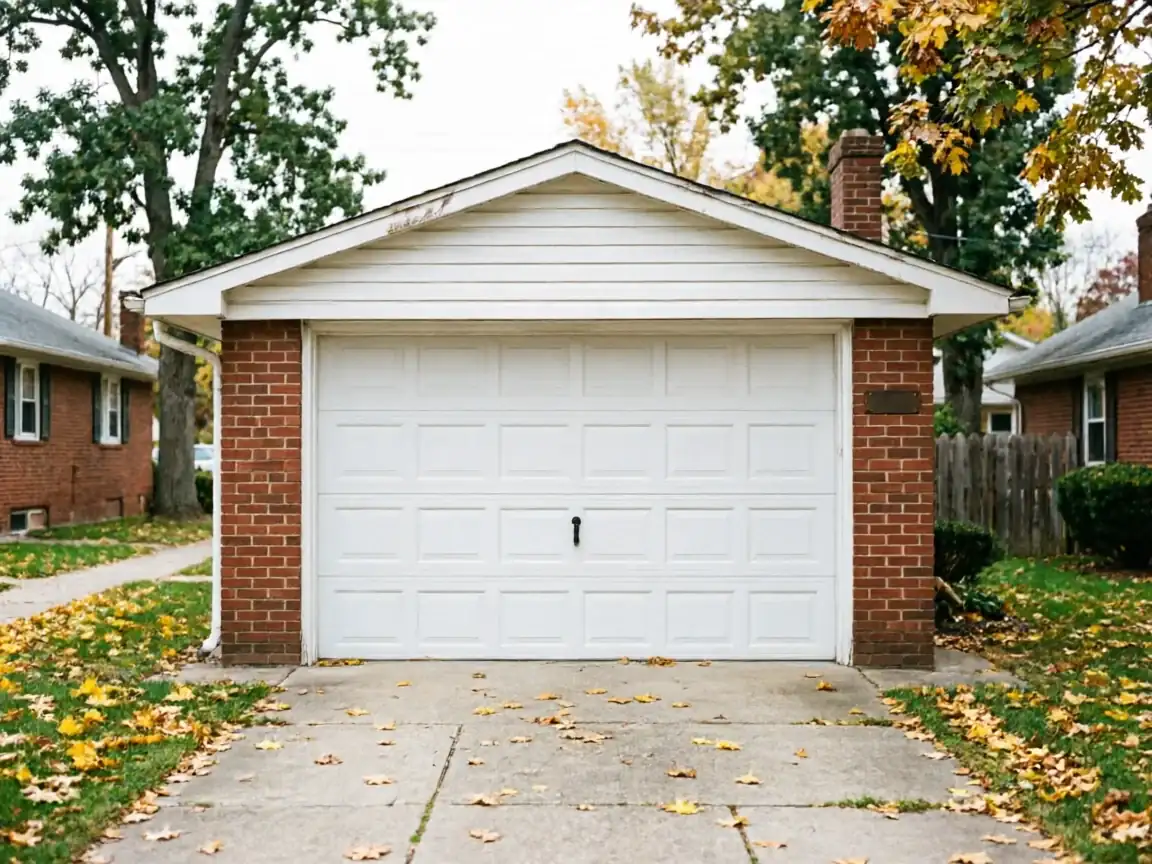
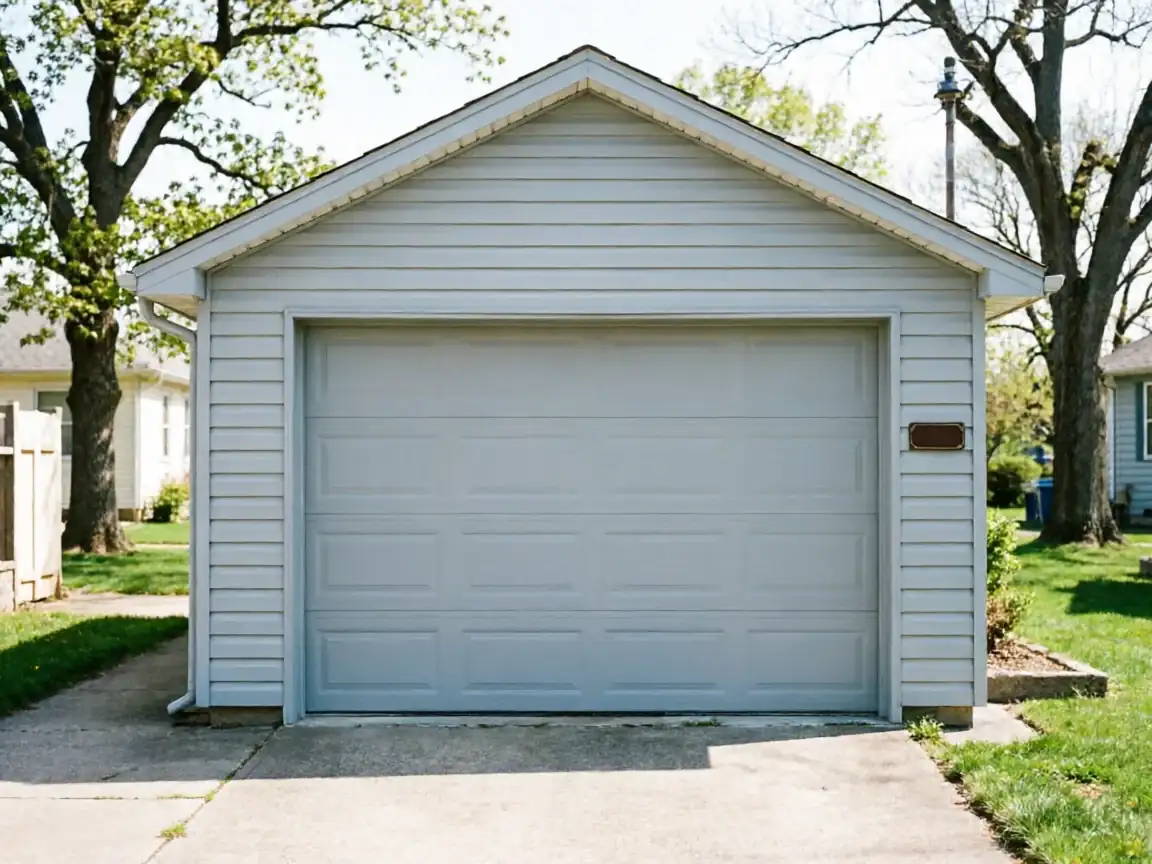
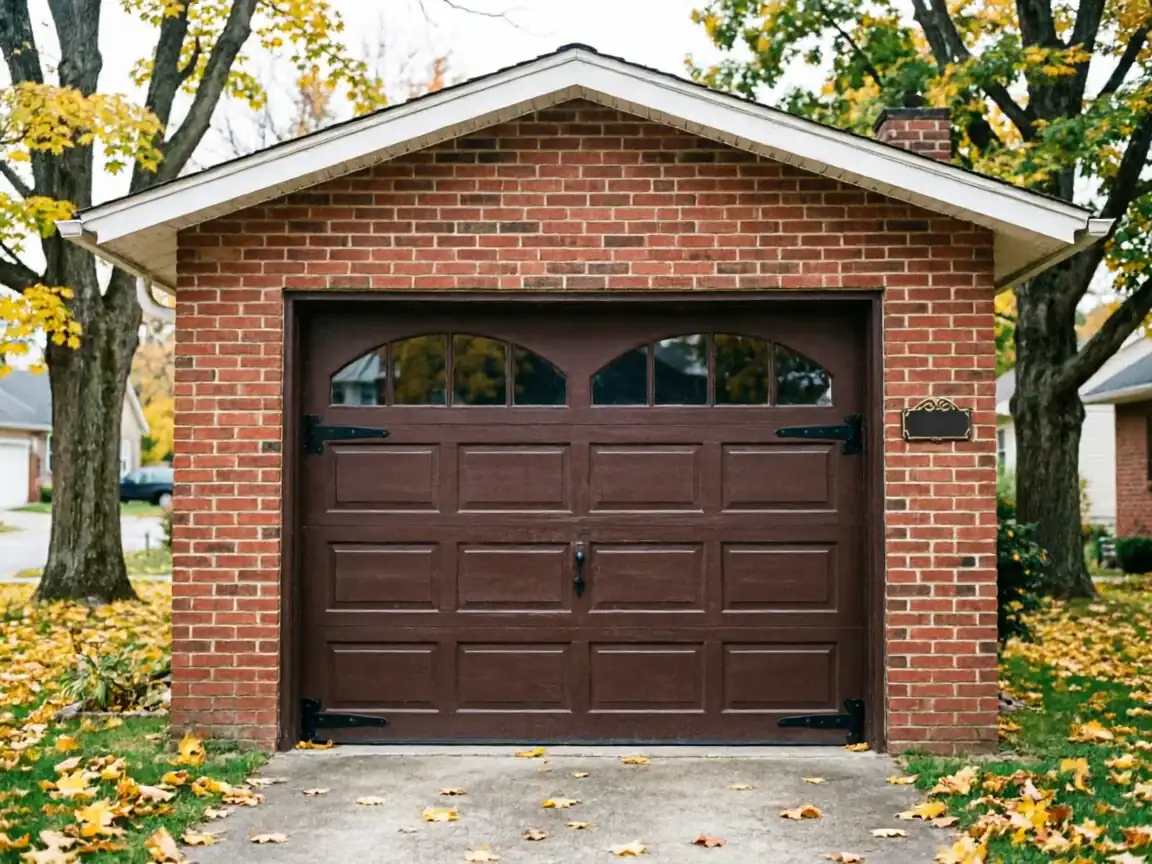
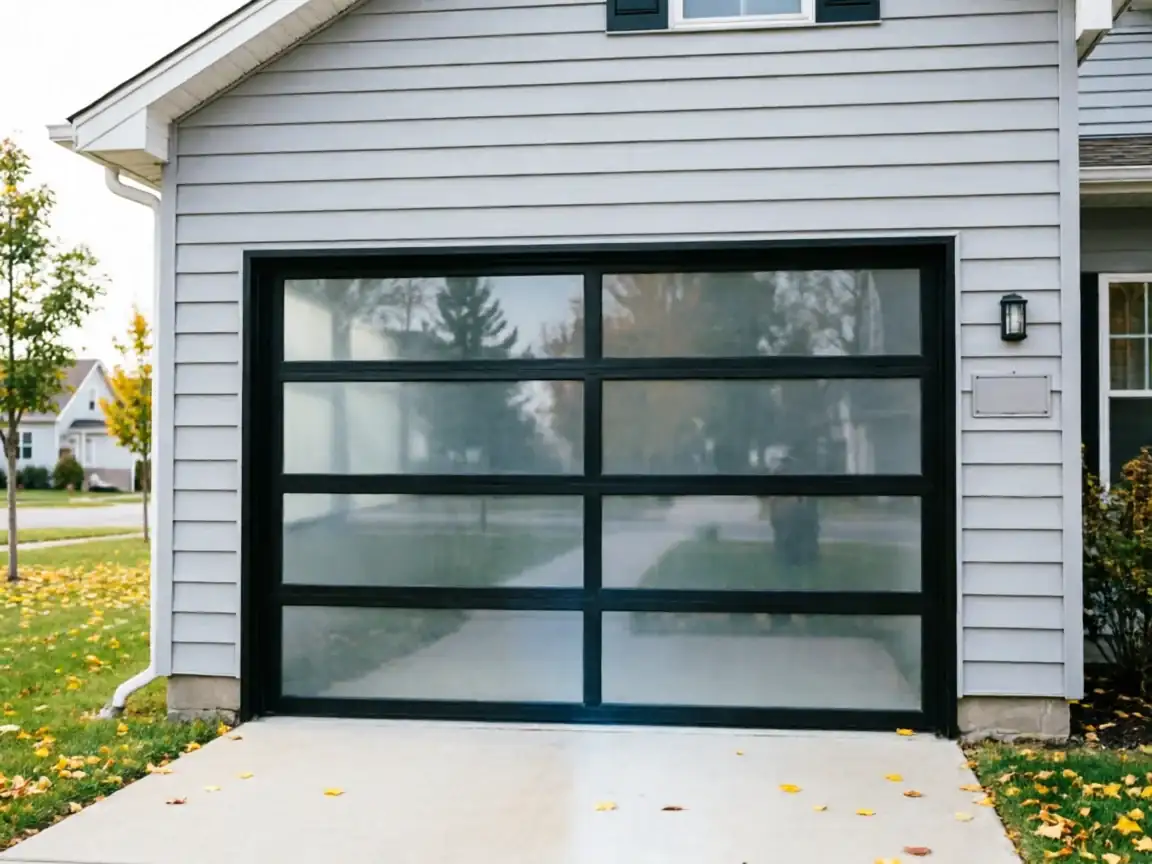
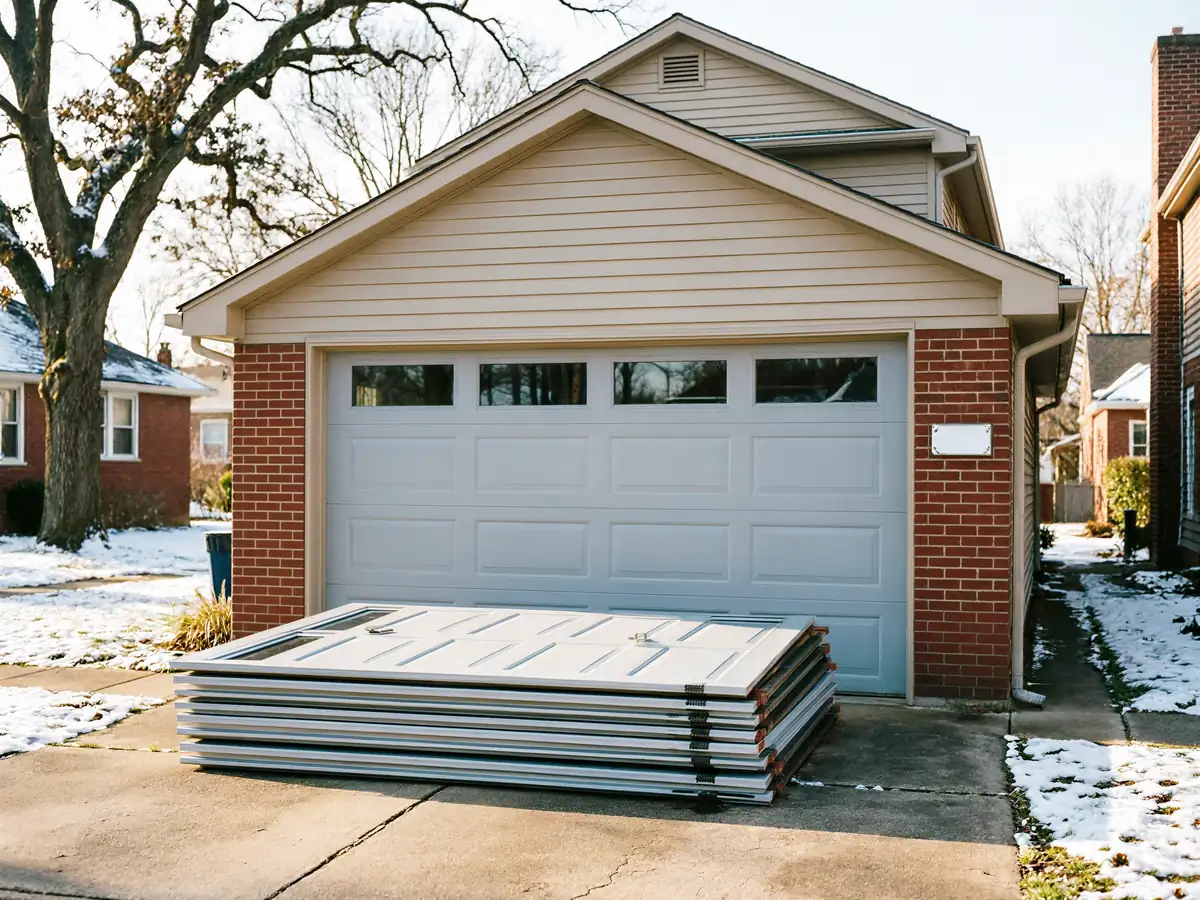
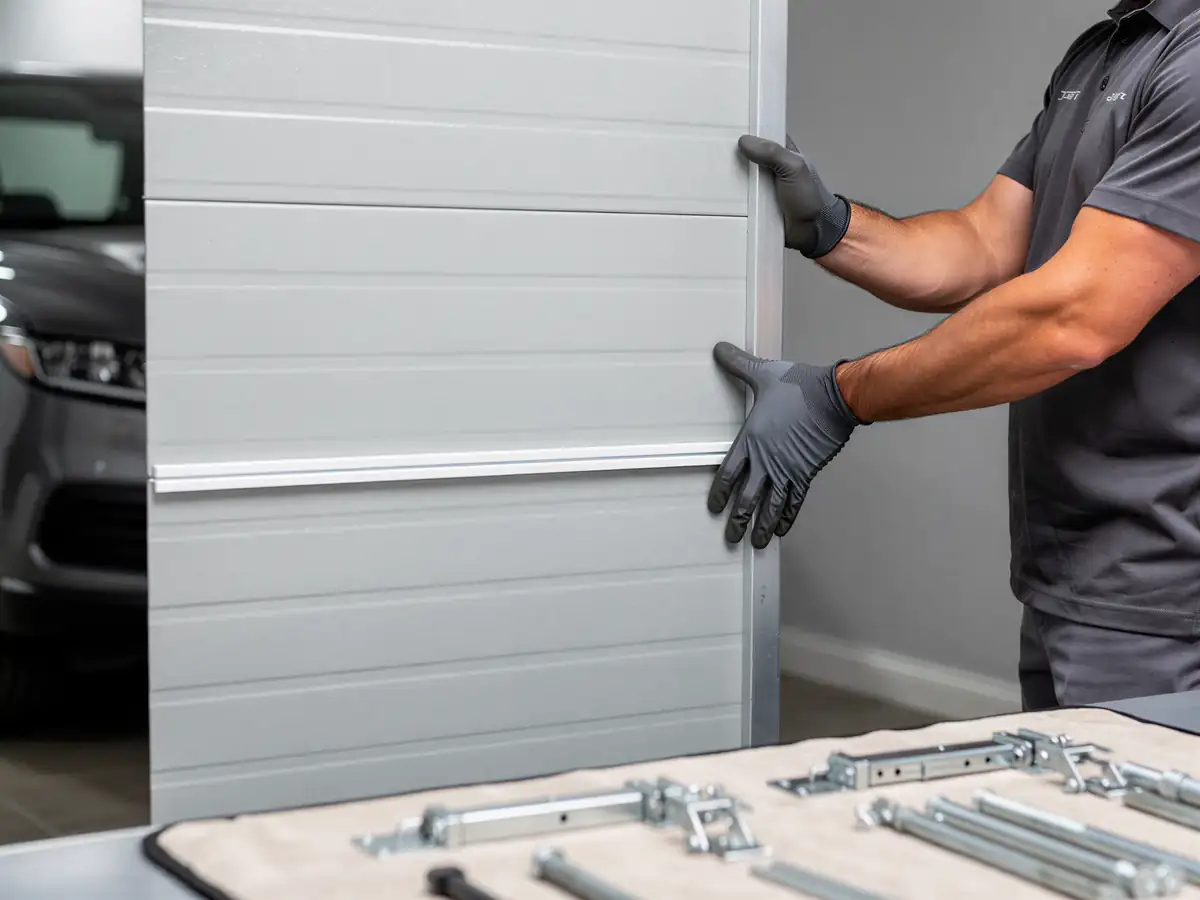
We carry the panel sizes and gauges that fit the door widths most common on homes built in the 1938-2002 range that makes up this part of the service area - steel sections in a few standard heights, plus aluminum options for lighter doors. Insulated and non-insulated panels both ride along, because a door built around 1960 often has thinner panel foam than what's sold today, and matching the existing insulation level matters more to some owners than upgrading it mid-repair. We also stock the hardware that panel swaps chew through: hinges, end stiles, and the short brackets that corrode first on older steel doors. What we don't carry is every discontinued panel profile ever made. If your door is an older style that the manufacturer stopped producing, we order the closest match we can get and tell you up front it may not be a perfect color or ridge-pattern match - that's the honest limitation of working on doors this age, not something we can fix by carrying more stock on the truck.
How We Fix It
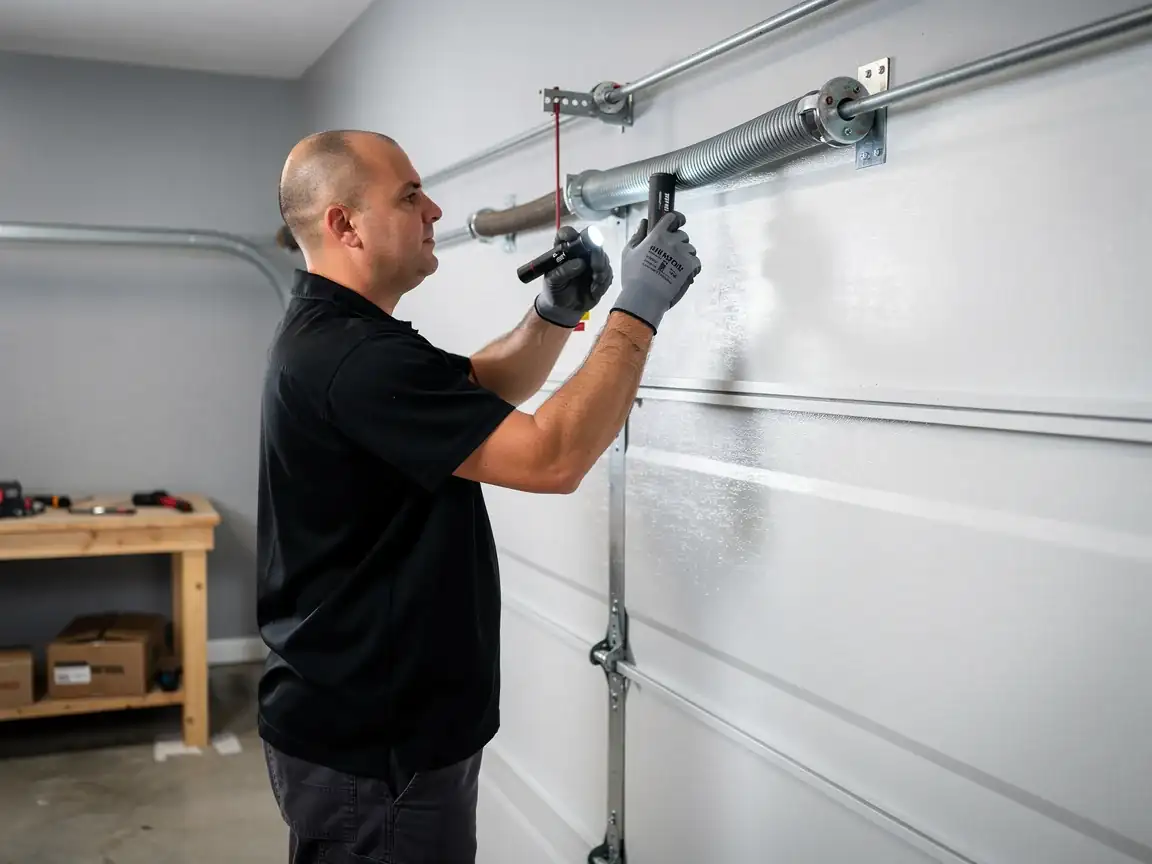
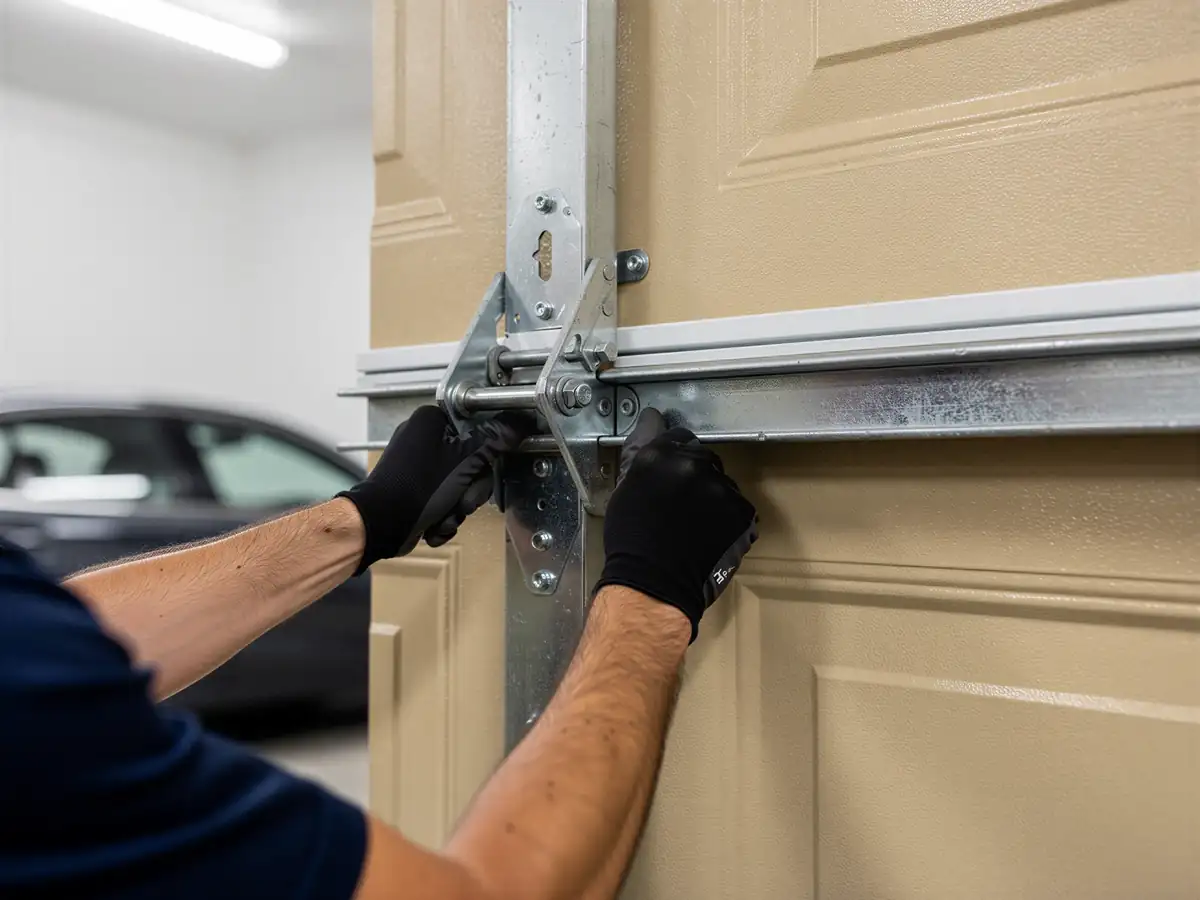
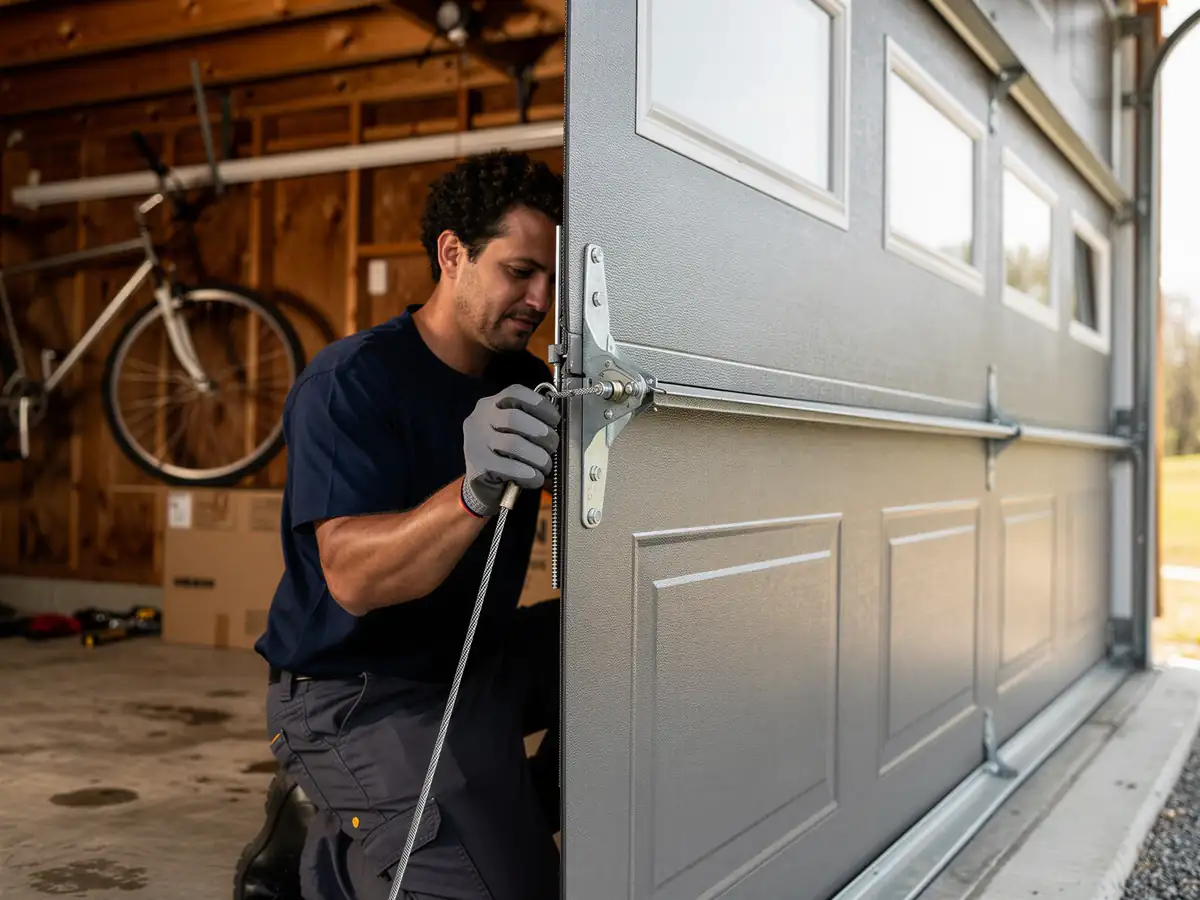
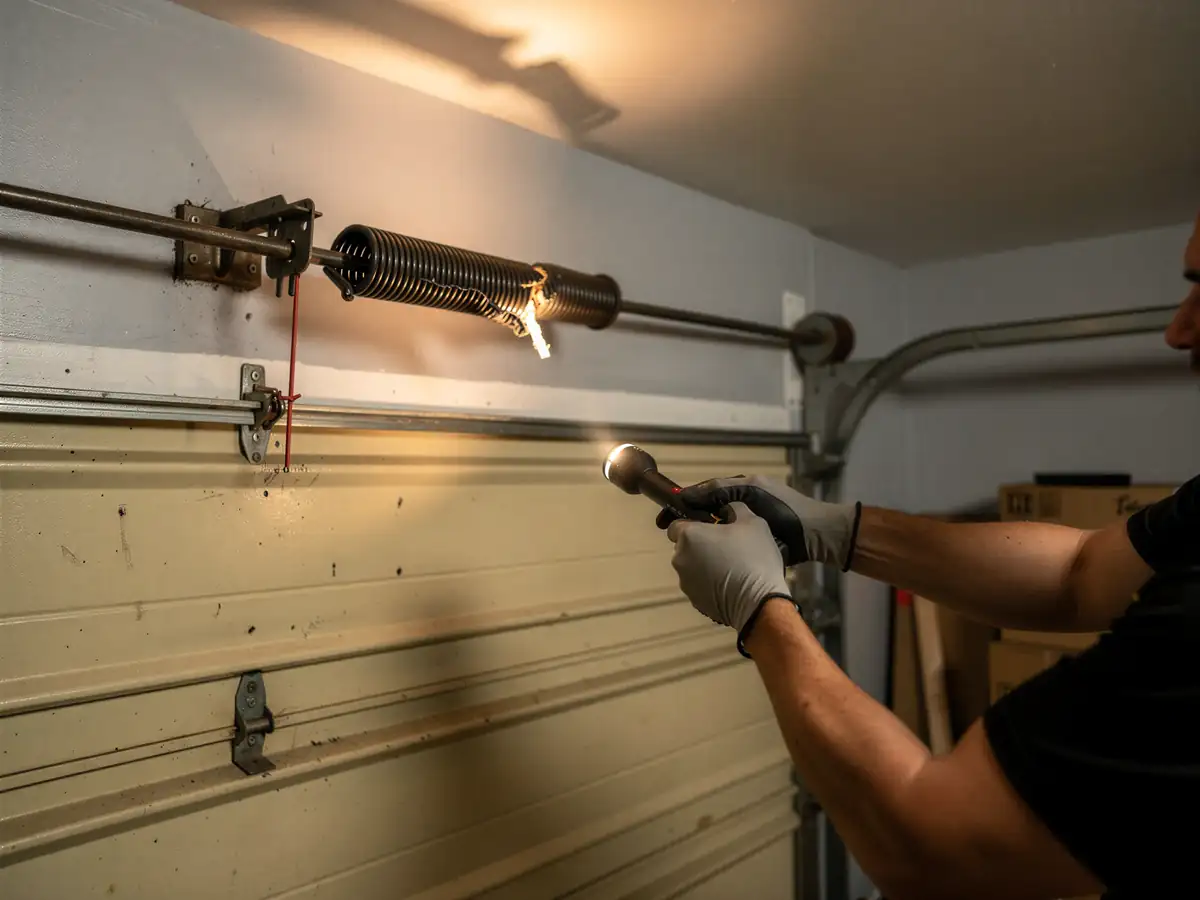
First we pull the damaged panel's serial plate or stamped model number if it's still legible - on a door built around the 1960 median year for Birmingham, that plate is sometimes long gone, so we measure the section width, rib count, and hinge spacing by hand instead. From there we order or pull the closest-matching panel from the truck stock. The swap itself: disconnect the opener arm if the damaged section is near the top, pull the roller and hinge hardware off the bad panel, unbolt the section ends, lift it out, and set the replacement in with the same hinges if they're still sound. Cold-climate service areas like this one call for weatherstrip and insulation that hold up through a real winter, so we check the panel seam and bottom seal while we're in there rather than just bolting the new piece on and leaving. If the rest of the door is too far gone - rusted track, a spring near the end of its life - we'll say so rather than hang a new panel on hardware that's about to fail anyway.
Getting It Booked In
Birmingham's median household income runs well above the wider service area's - $153,125 here against $97,027 across the territory - which tends to mean owners want the repair done right the first time rather than patched twice. We work with that: if a panel match isn't going to look right or the hardware underneath isn't worth building on, we'll say so during the quote, not after the bolts are in. Booking runs through Sterling Heights since that's where the truck starts; we're about 10 miles out, so give us a call ahead of when you need it rather than same-day if you can. You can see what else we cover in the area on our Birmingham service page, and if you're comparing panel replacement pricing or process against how we handle it out of our home base, that's laid out on our Sterling Heights panel replacement page.