Emergency Garage Door Repair, Built for Sterling Heights Houses
Broken spring or dead opener at 10pm? Sterling Heights Garage Door Pros covers emergency repairs across the area, built around this region's pre-1960 housing stock and cold winters.
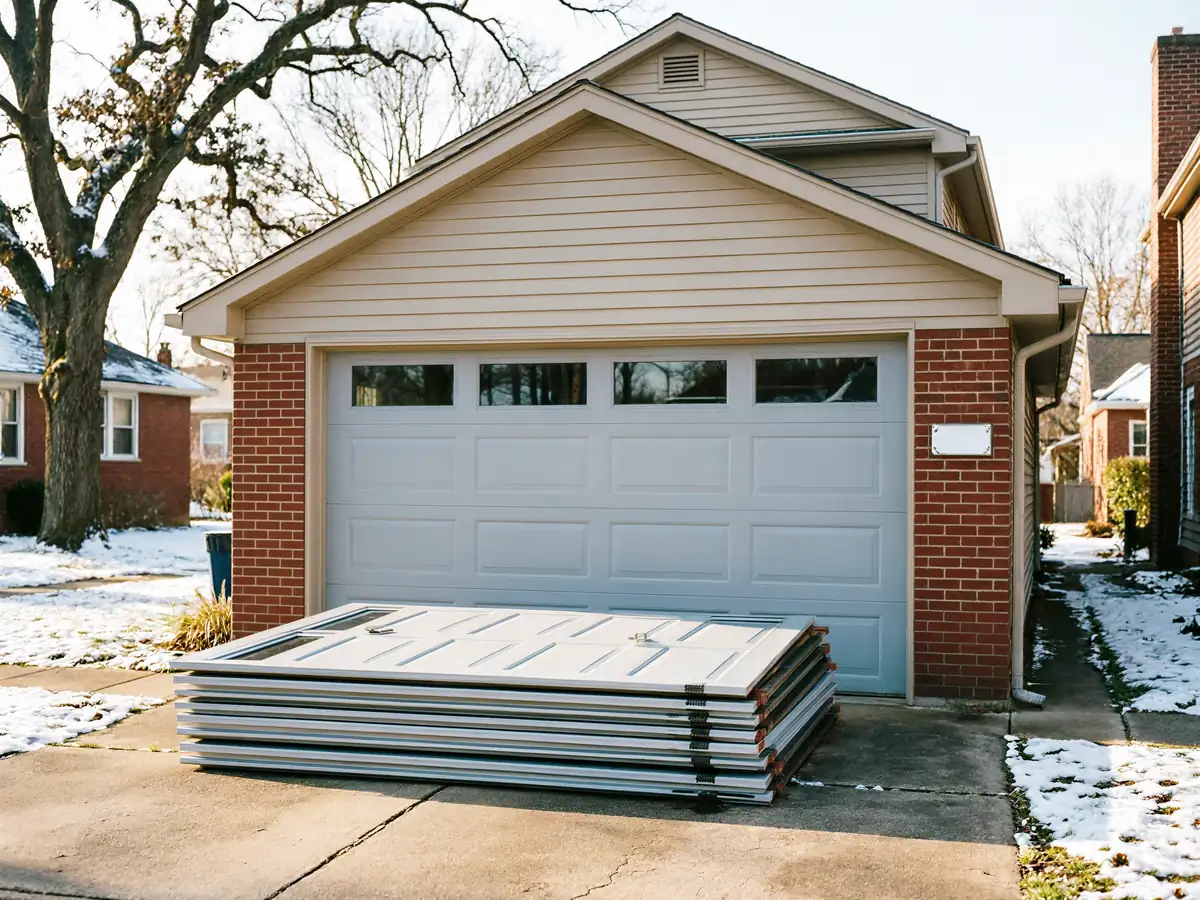
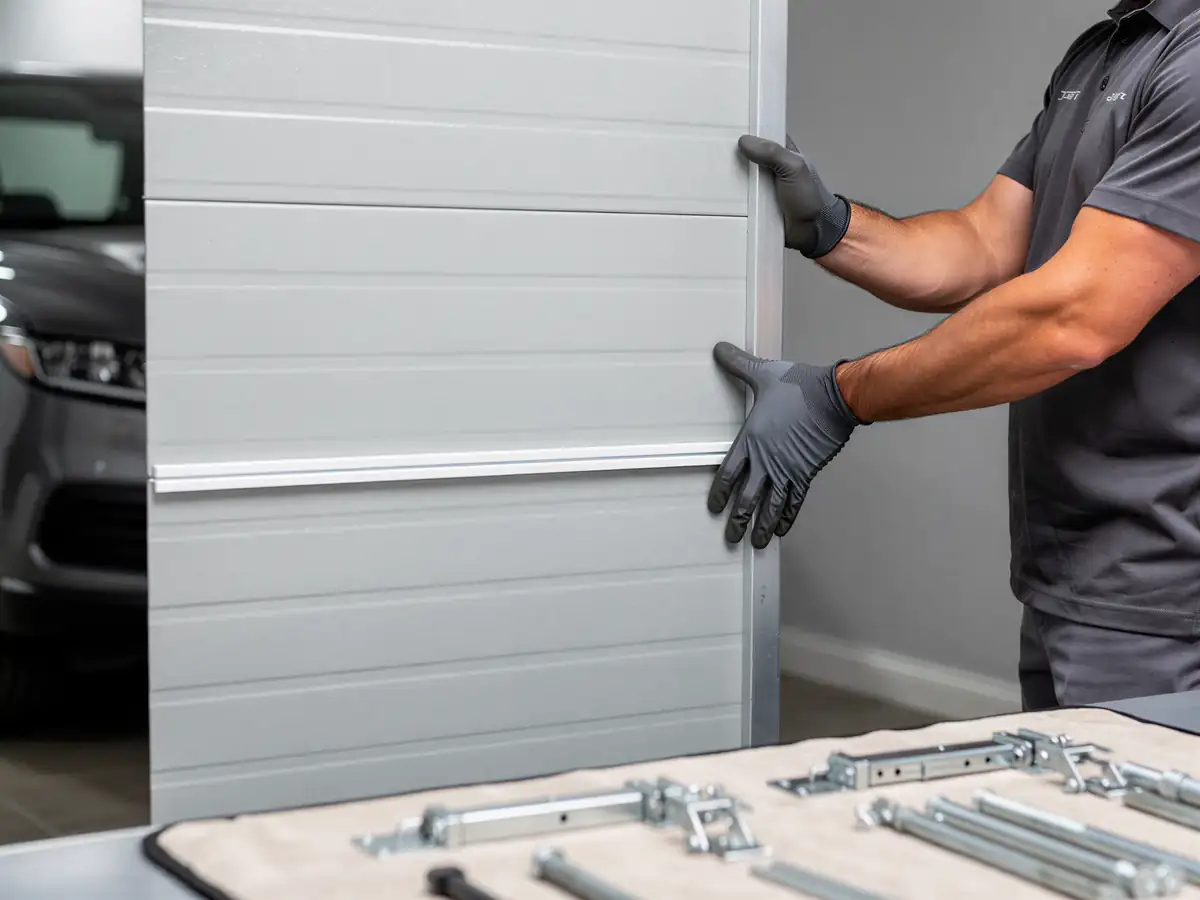
We can't post a flat number here because emergency repair cost depends on what actually failed and when you call. A snapped torsion spring is a different job than a cable off the drum, and a 9pm Saturday call costs more to run than a Tuesday morning one. What we can tell you is what drives the number up in this area specifically: houses built between 1938 and 2002 (median around 1958) often still carry original hardware, and parts for doors that old aren't sitting on a shelf at the supply house. If your opener or track dates back to when the house was built, expect a repair quote that includes sourcing time, not just labor. Newer doors on newer tracks are usually quicker and cheaper to get back in service. We'll tell you on the phone, before a truck rolls, whether we think this is a parts-wait situation or a same-visit fix. That honesty costs us nothing and saves you a surprise later. If a repair is going to run close to the cost of a new door section or opener, we'll say so instead of running up a bill on a door that's on its way out anyway.
How It Shows Up
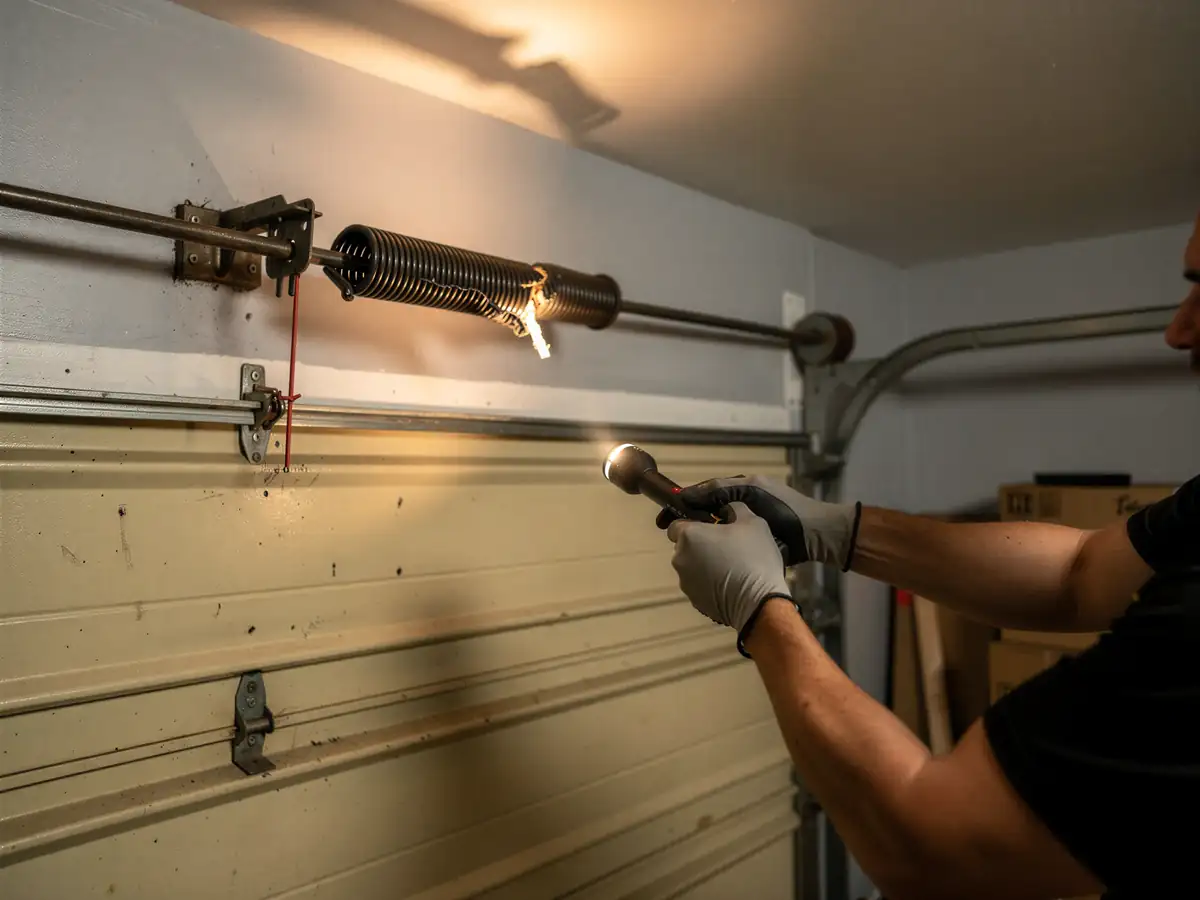
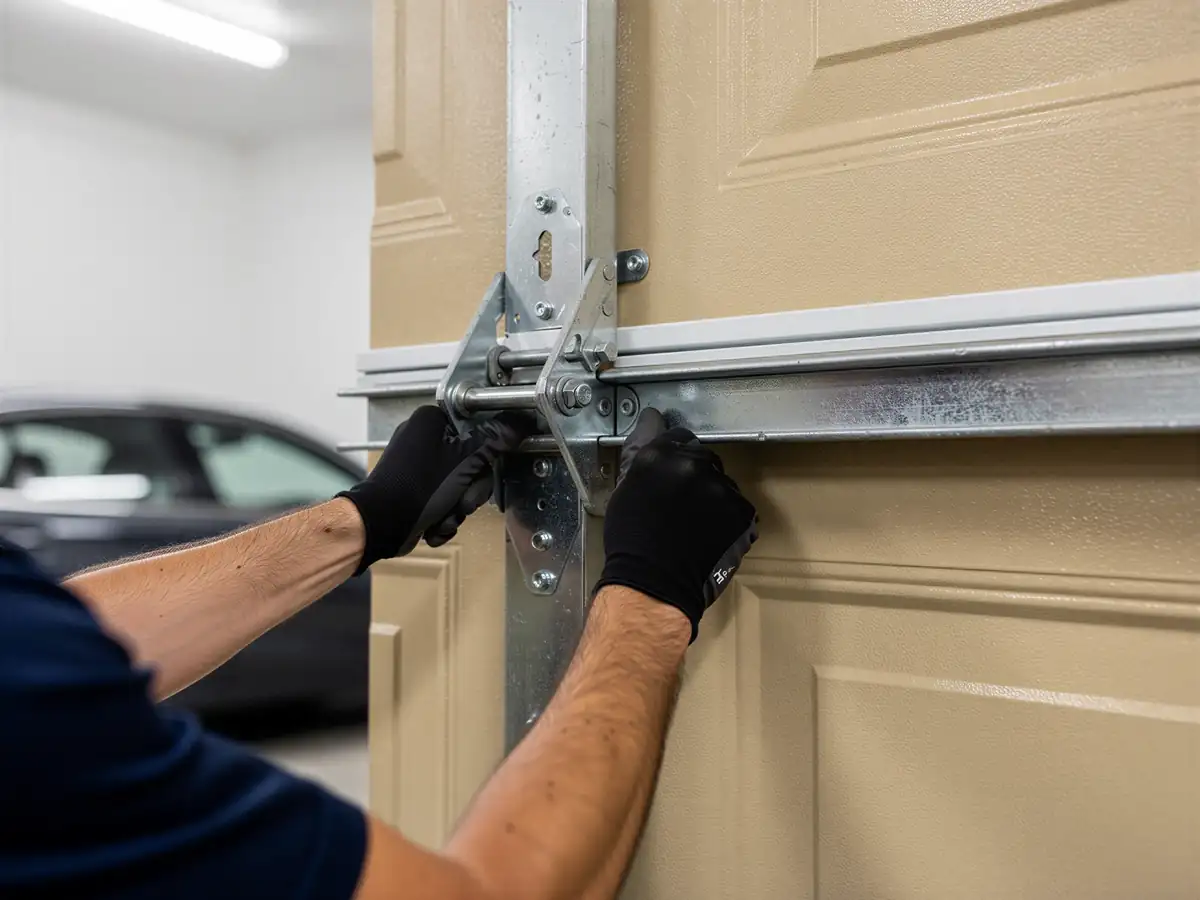
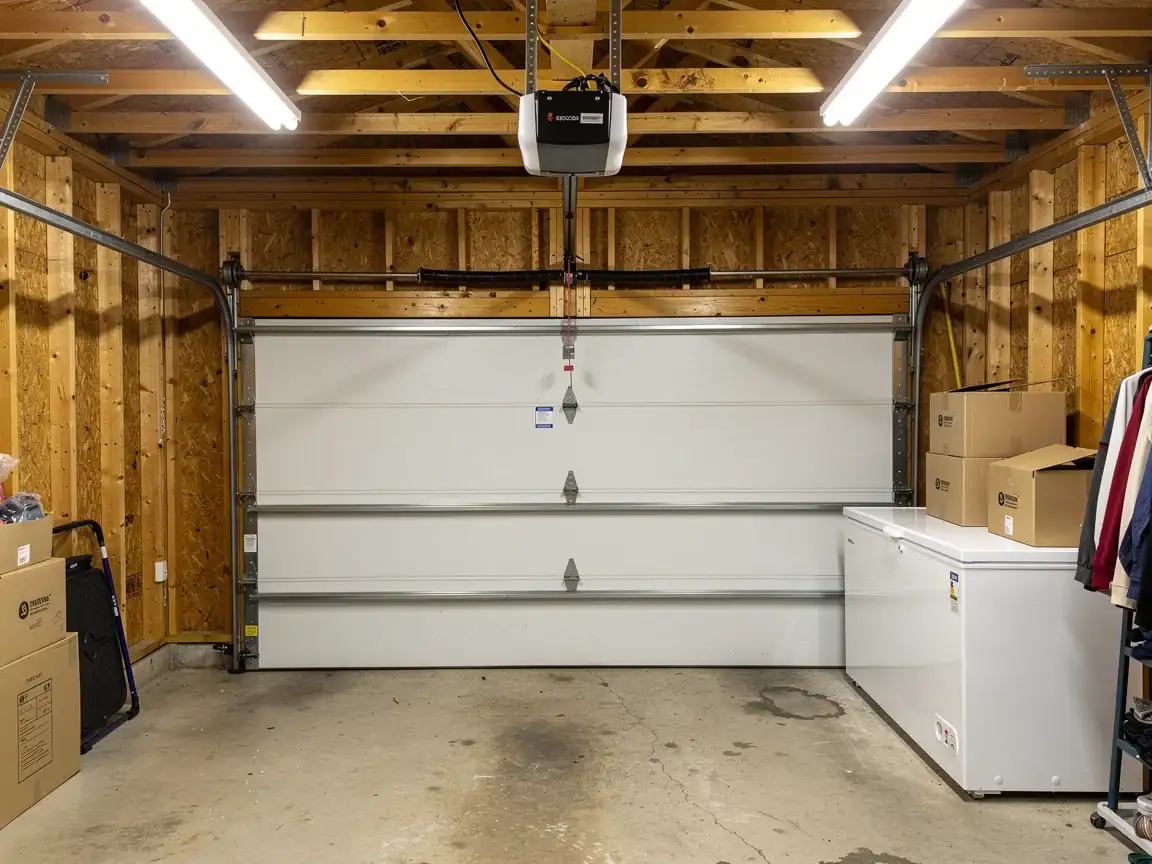
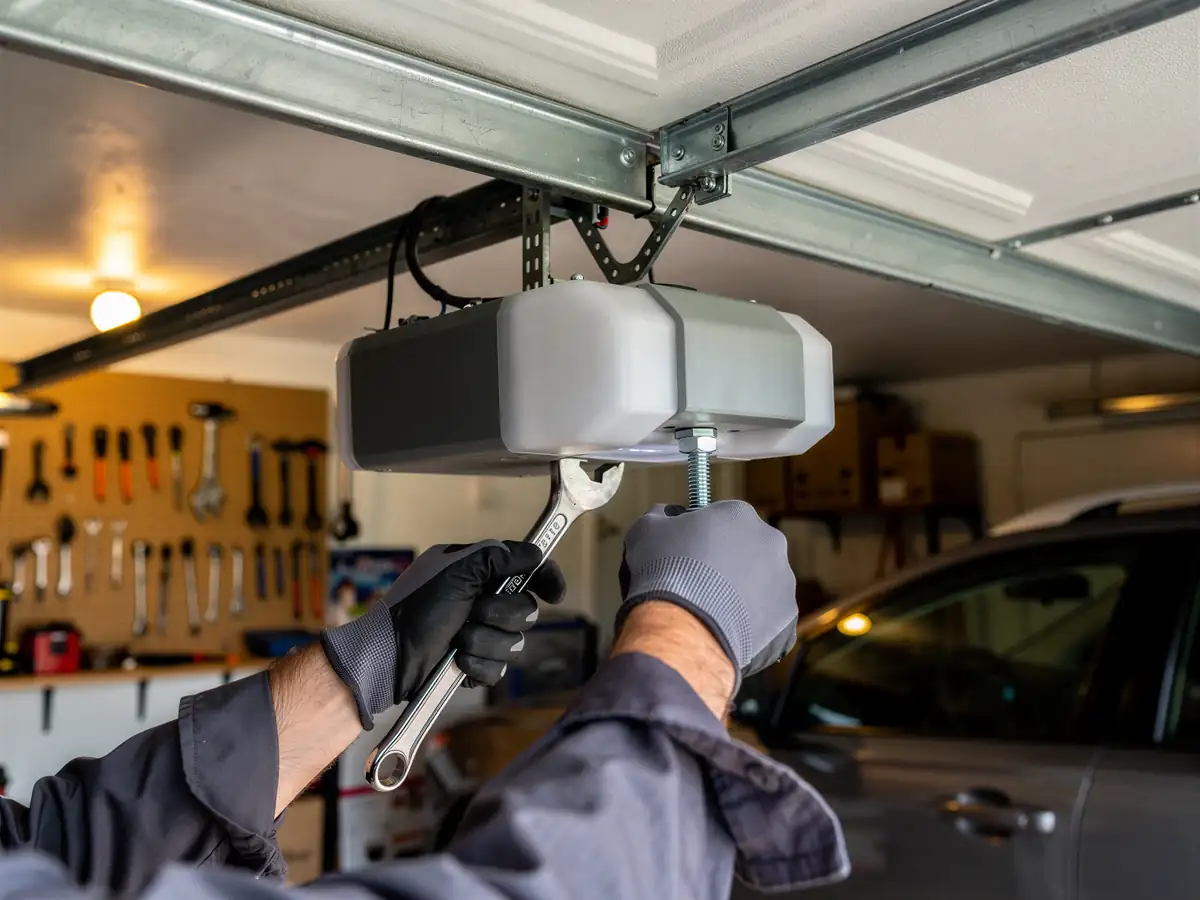
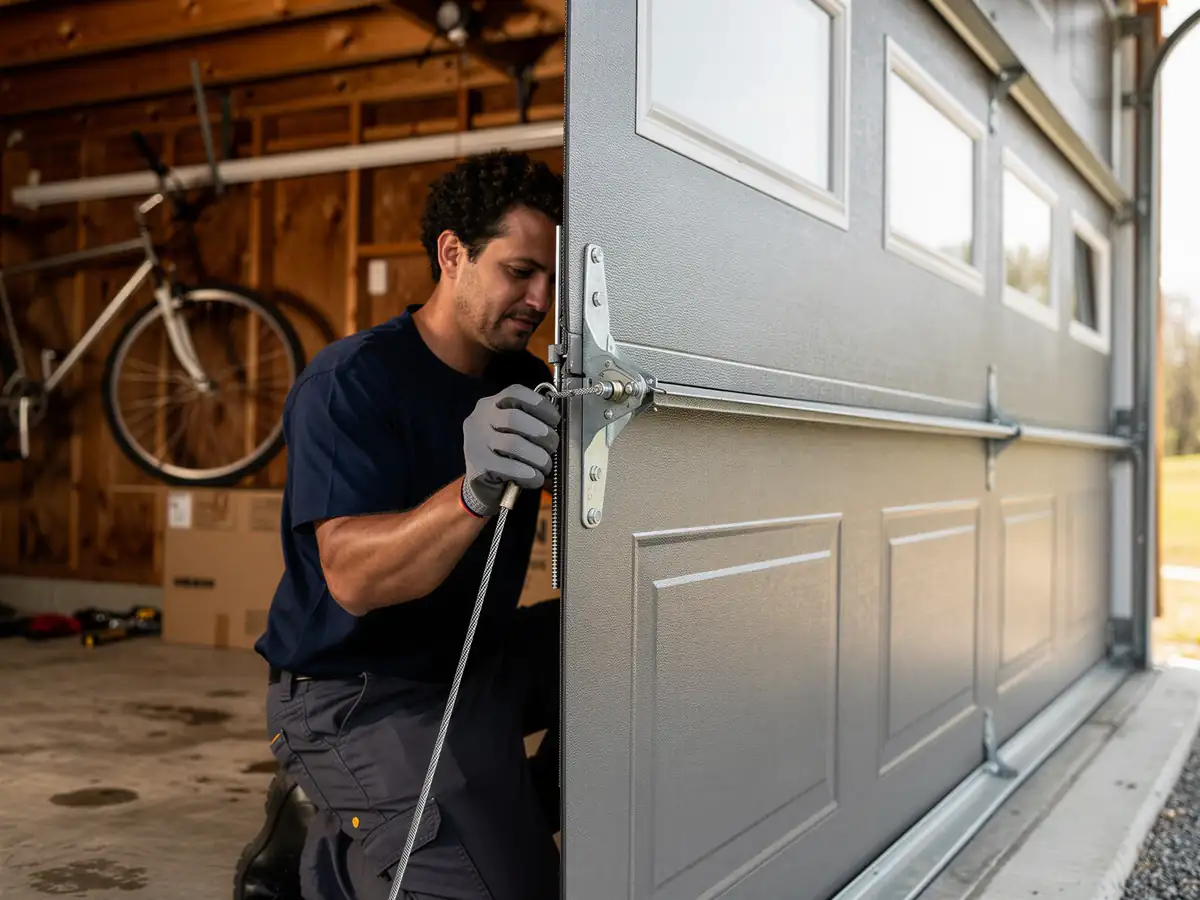
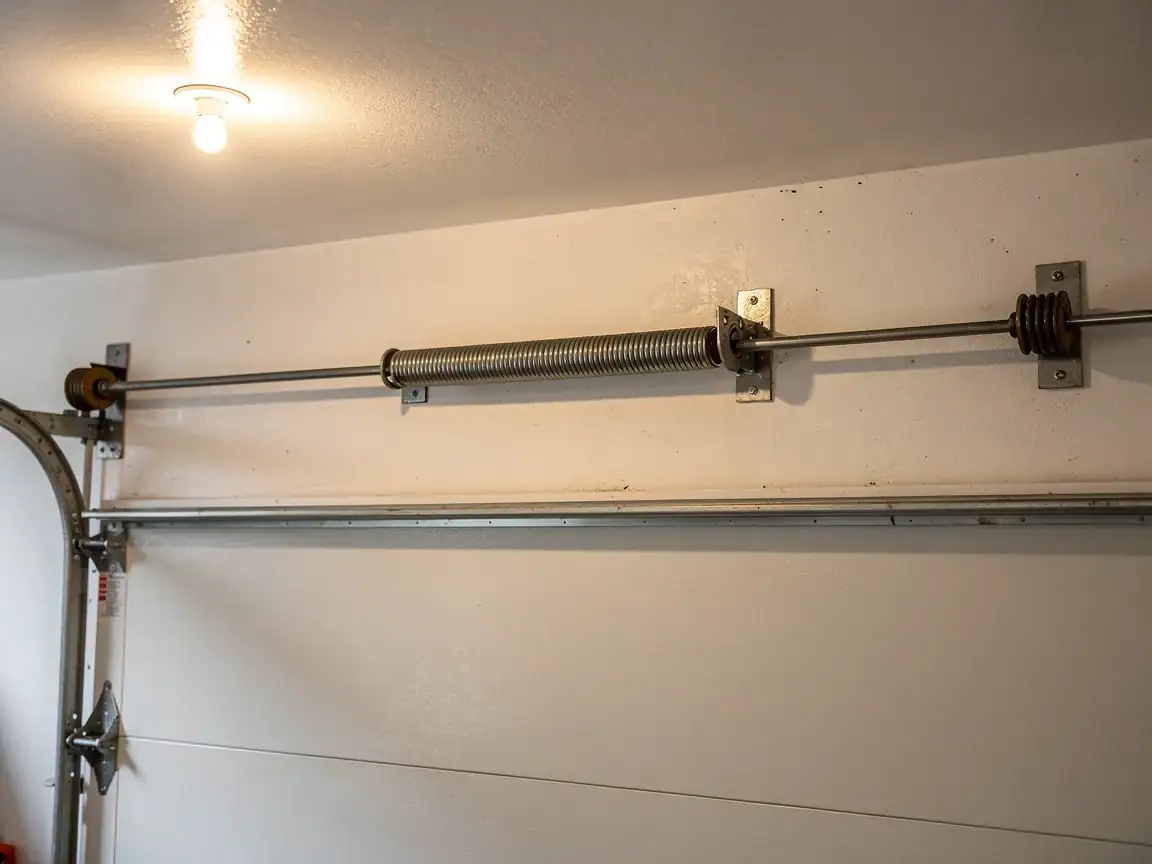
Emergency calls in this service area follow a pattern. The door won't open at all, usually because a torsion spring let go overnight and the opener is straining against dead weight it can't lift. Or the door opens a few inches, grinds, and stops, which usually means a cable has jumped the drum or a roller has left the track. Sometimes it's the opener itself: a logic board or gear set that's finally quit after years of cold-start strain. Across the 275,838 households and 156,317 owner-occupied houses in this service area, the calls cluster hardest in the first real cold snap and again in the thaw that follows, when metal contracts, then expands, and whatever was already worn finally gives. A door that's been a little noisy or a little slow for weeks is the one that fails at 6am on a work morning. That's not bad luck, that's a part that was already near the end and finally got pushed over by temperature swing.
Why It Happens Here
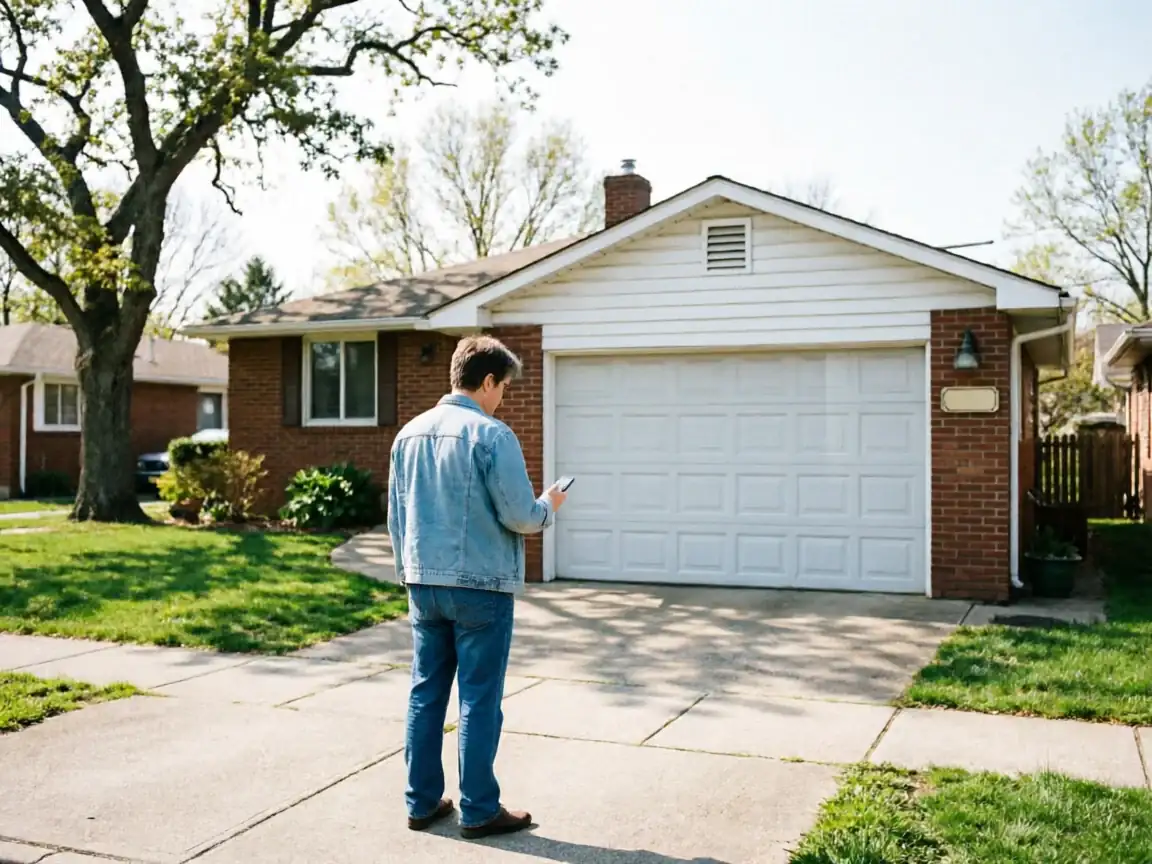
This area sits in a severe cold climate band, and that matters more than people expect for a door that's mostly made of steel and tensioned spring wire. Cold makes lubricant thick and metal brittle, so springs that are already fatigued are far more likely to snap on a frigid morning than a mild one. Add in the housing stock: across the 39 named areas in this region, most homes are pre-1960, with the broader range running 1938 to 2002. A door and opener installed decades ago, even if replaced once since, is often paired with original track, hinges, or wall wiring that wasn't built for today's heavier insulated panels. That mismatch is where a lot of emergency calls start - not a defect, just old parts carrying a load they weren't sized for, in weather that doesn't forgive worn hardware. Newer construction in the area tends to call less often for true emergencies; it's the older stock doing the heavy lifting on our dispatch board every winter.
Doing It Yourself
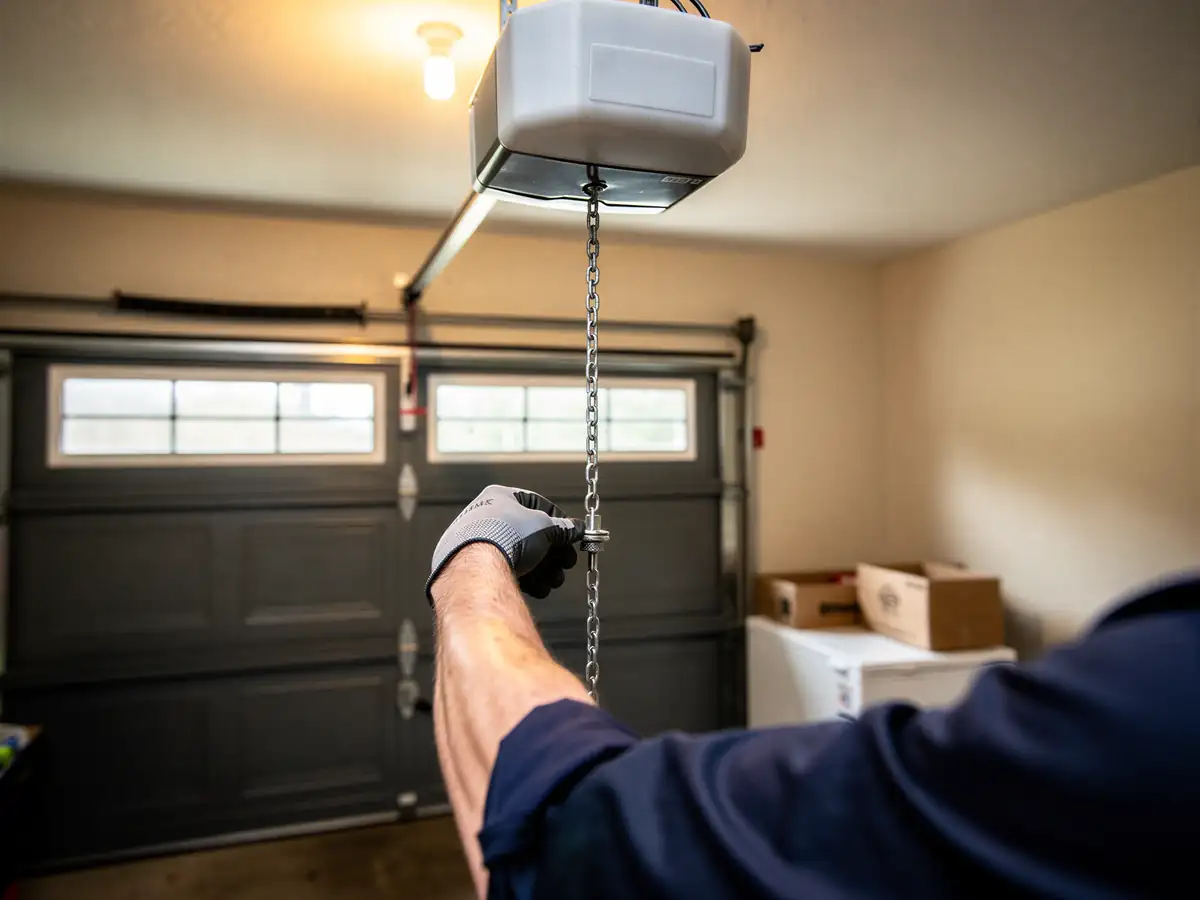
Some things are safe to check before you call anyone. If the door won't budge, look for the obvious: is the opener unplugged, did a breaker trip, is the manual release cord pulled (it hangs from the trolley and disconnects the opener from the door). If any of those fix it, you're done, no call needed. What you should not do is touch a torsion spring yourself. Those springs are wound under enough tension to break a bone or worse, and that's true whether the door is five years old or fifty. Same goes for a cable that's come off a drum under load - leave it. If the door is partly open and stuck, don't force it with the opener; you can bend track or strip gears trying. A door that's merely noisy can often wait for a scheduled visit rather than an emergency one, which saves you money. A door that won't close, won't stay closed, or is open and stuck is a safety and security issue and worth the emergency call.
How it works
From “it’s stuck” to “it’s fixed”
A quick, honest process - no guesswork and no surprises.
1
Tell us what’s wrong
Describe the symptom - won’t open, loud bang, opener runs but the door won’t move.
2
On-site diagnosis
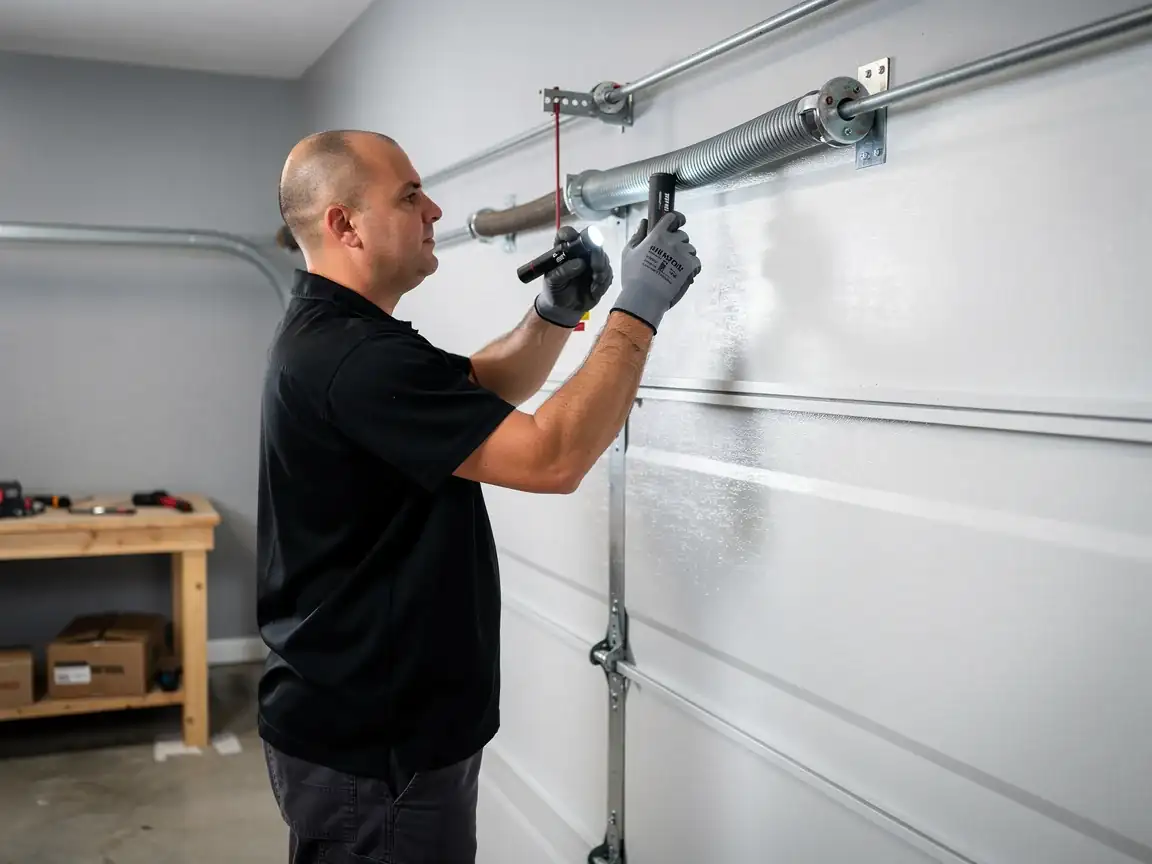
A technician tests the door under power and by hand and finds what actually failed.
3
Clear, up-front plan
You get the fix that’s needed and what drives the cost - before any work starts.
4
Repaired & tested
The repair is done, the door is set true and tested, and the work area left clean.
Next step
Not sure which repair your door needs in Sterling Heights, MI? Describe what it’s doing - every job starts with a diagnosis.
Is a broken spring really an emergency, or can it wait?
If the door is stuck open, it's a security problem and worth an emergency call. If it's stuck closed and the car's not trapped inside, it can often wait a day for a scheduled repair, which usually costs less than after-hours service.
Why did my door fail in the cold snap and not before?
Cold makes spring steel more brittle and lubricant thicker, so a spring or cable that was already worn is far more likely to fail during a hard freeze or the thaw right after it than during mild weather.
My house is older - does that mean more emergency calls?
Houses here built in the 1938-2002 range, especially the older end, often still run original or early-replacement hardware that wasn't sized for today's heavier insulated doors, which is a common source of sudden failure.
Can I replace a torsion spring myself to save money?
We'd rather you didn't. A wound torsion spring holds enough stored energy to cause serious injury, and that risk doesn't change based on the age of the door. This is one job worth paying for.