What the Weather Here Does to It
Sterling Heights sits in a cold-severe climate band
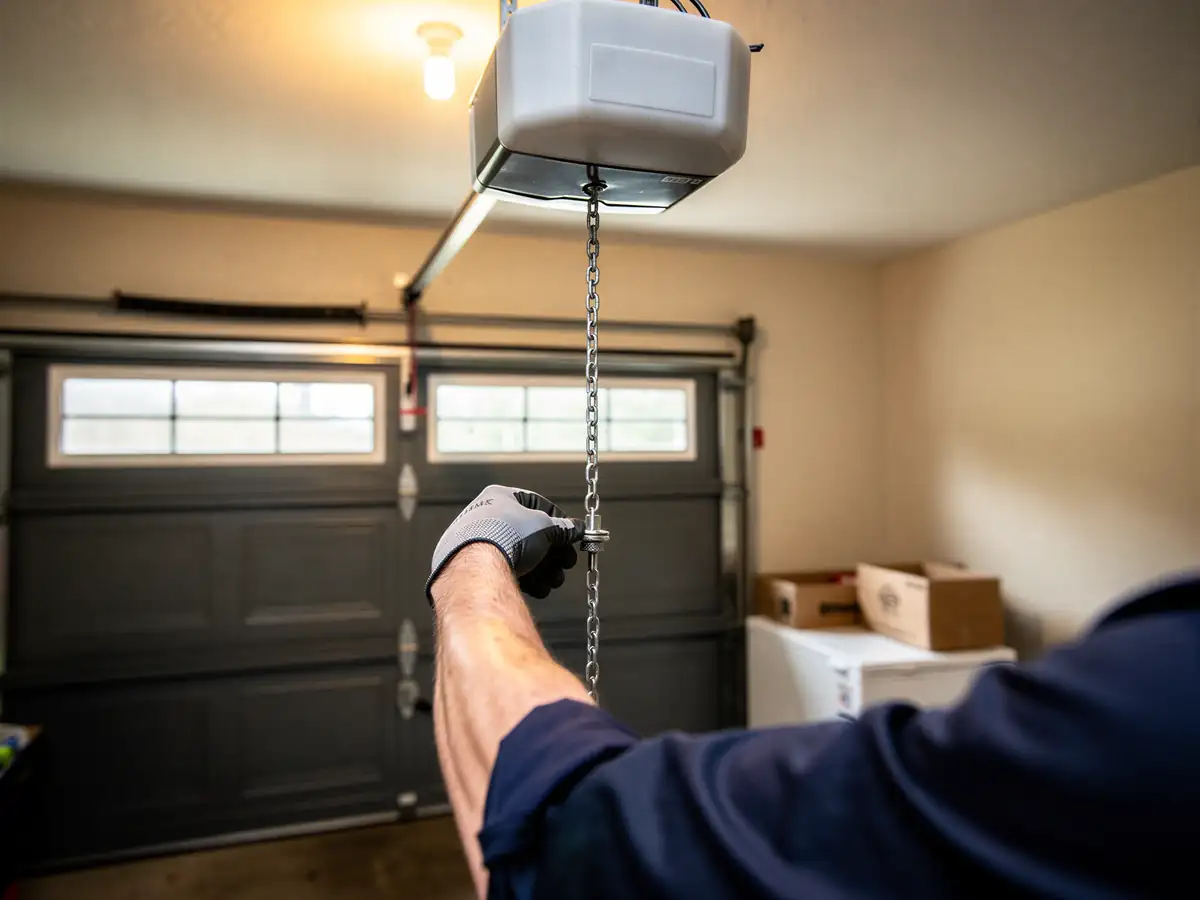
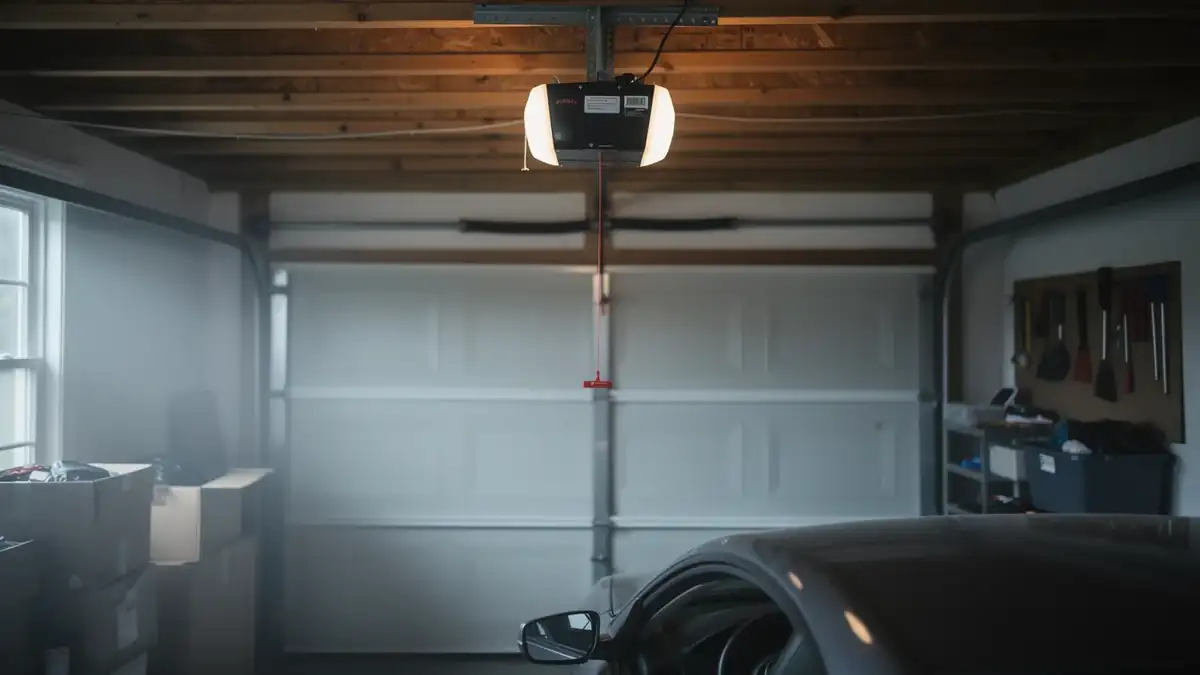
And that matters more for openers than most people think. Grease inside the gear housing thickens below a certain temperature, and a motor that's already fighting stiff grease pulls more current than it was built to pull. Pair that with a power cut - the kind that comes with a winter storm knocking out a line for a few hours - and you get a double hit: the opener loses power mid-cycle, then when the power comes back, it tries to restart against a cold, stiff mechanism and trips its own breaker or blows a capacitor.
Utica, three miles east, and Fraser, five miles south, sit in the same cold band
So the same stalled-restart pattern shows up on those blocks too. It isn't unique to one street. What is specific to this area is the housing stock behind it: most of the garages here were built between 1938 and 2002, with a lot of that stock clustered around 1958 construction, and those openers and the wiring feeding them were never designed around today's load. A breaker trip during an outage doesn't just kill the opener - on older circuits it can kill the garage light on the same leg.
The honest limitation here: a cold snap doesn't break an opener by itself
It exposes an opener that was already marginal - worn gears, a weak capacitor, a chain that needed tension six months ago. Cold is the trigger, not the cause.
What It Costs
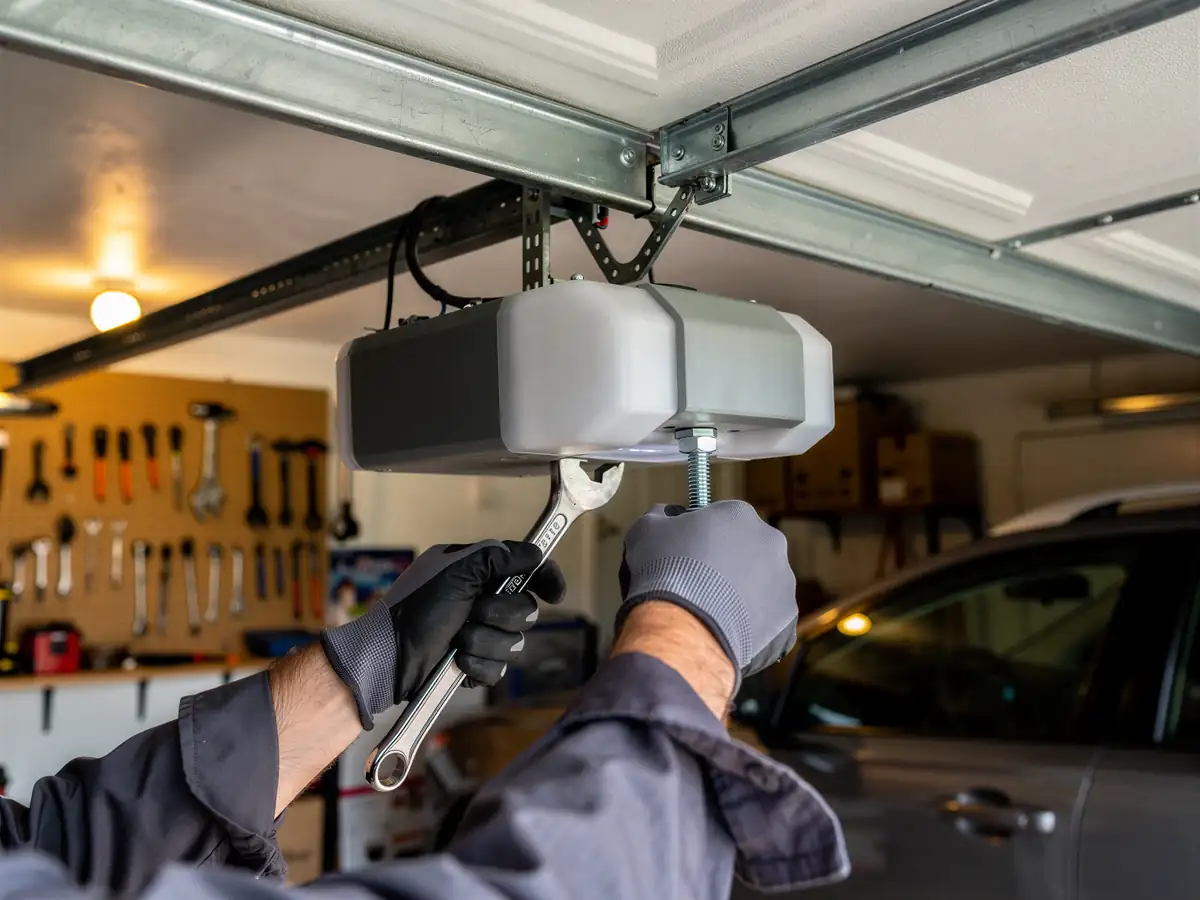
I'm not going to put a number here that I can't back up, because the cost of fixing an opener after a power cut depends entirely on what actually failed - a tripped breaker and a reset is one job, a fried logic board is a different job, and a motor that seized because it tried to restart under load is a third. What I can tell you is what drives the cost: whether the opener itself needs replacing, whether the wiring circuit behind it is original to a 1950s or 60s build and needs updating to carry a modern unit safely, and whether you want a battery backup added so the next outage doesn't strand the door closed over the car.
With a median household income of $97,027 across the service area and 156,317 owner-occupied houses in it, most homeowners here can carry the cost of a battery backup opener without it being a stretch - the question is usually whether anyone's told them it's an option, not whether they can afford it. I'd rather look at the panel and the opener in person and give you a real number than guess at one over the phone.
The Common Mistake
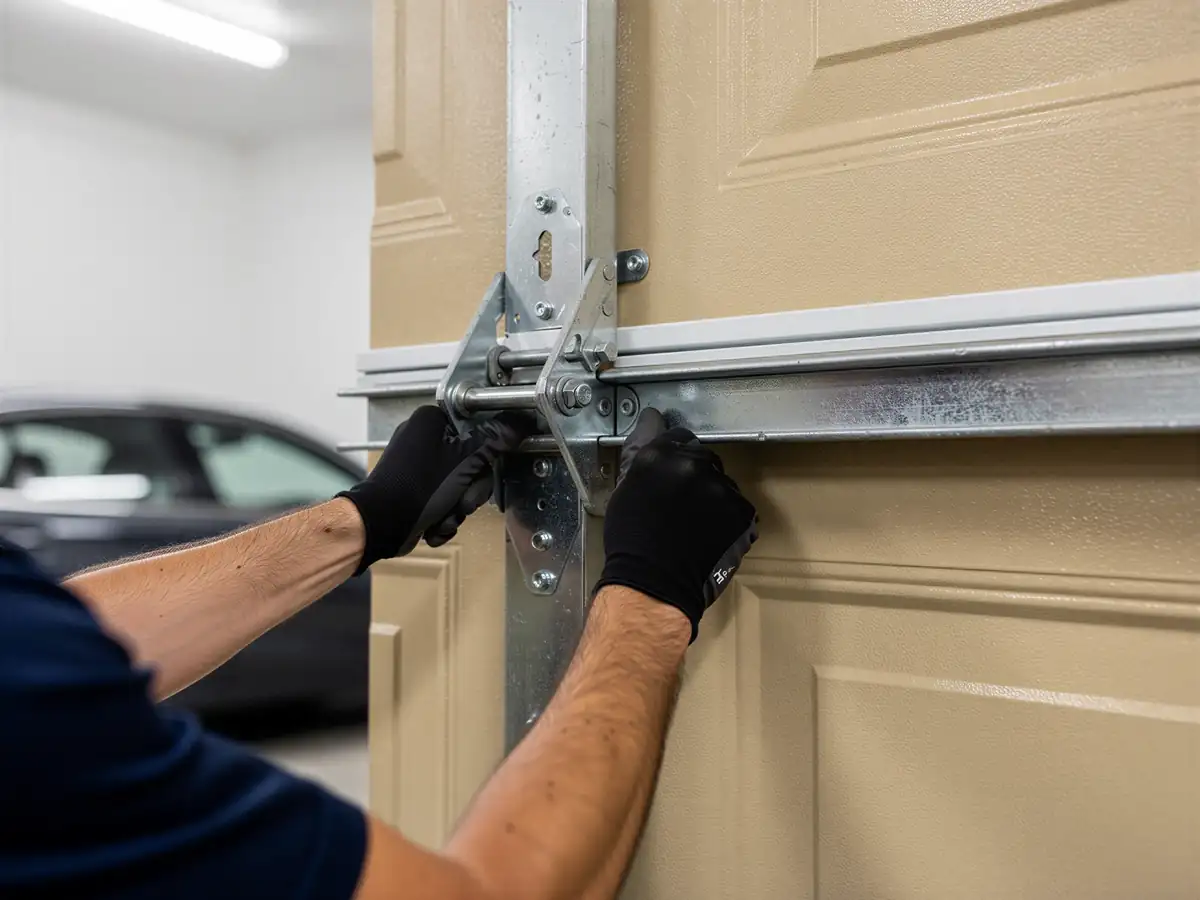
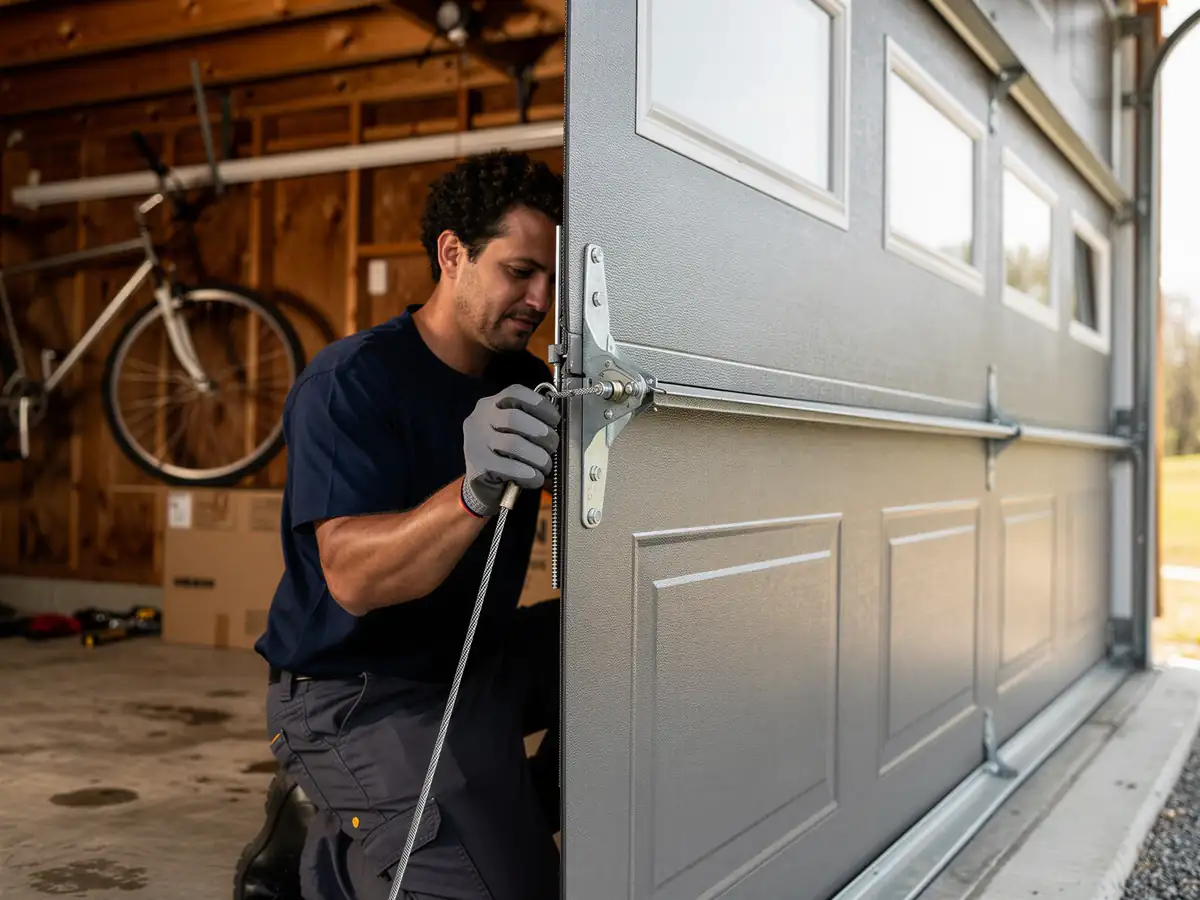
The mistake I see most after a power cut is someone pulling the manual release cord, forcing the door up by hand, then forgetting to re-engage the opener carriage before the power comes back. The motor fires, finds the carriage disconnected, and either runs the belt or chain with nothing attached to it or binds against a door that's already been muscled partway up on bent track. Either way, what started as a power outage turns into a track and carriage repair.
The second mistake is buying a battery backup opener without checking what circuit it's wired to. In a lot of the pre-1960 stock across this area, the garage still shares a circuit with another part of the house - a porch light, an outlet, sometimes a furnace fan. A battery backup unit keeps the opener itself running during a cut, but if the wall switch or safety sensor is on the dead side of that shared circuit, the opener still won't respond the way the owner expects. It's not a wiring job that gets fixed by swapping the opener head.
What Is Going On
When the power drops mid-cycle, the opener's logic board doesn't know where the door was in its travel
Some boards hold that position in memory through a brief outage; older boards, and a fair number of mid-range boards from the last fifteen years, lose it and default to needing a manual reset or a full travel re-learn when power returns. That's normal - it's not damage, it's the board doing what it was designed to do when it loses its reference point.
What turns that normal event into a repair call is usually the mechanical side catching the restart at the wrong moment
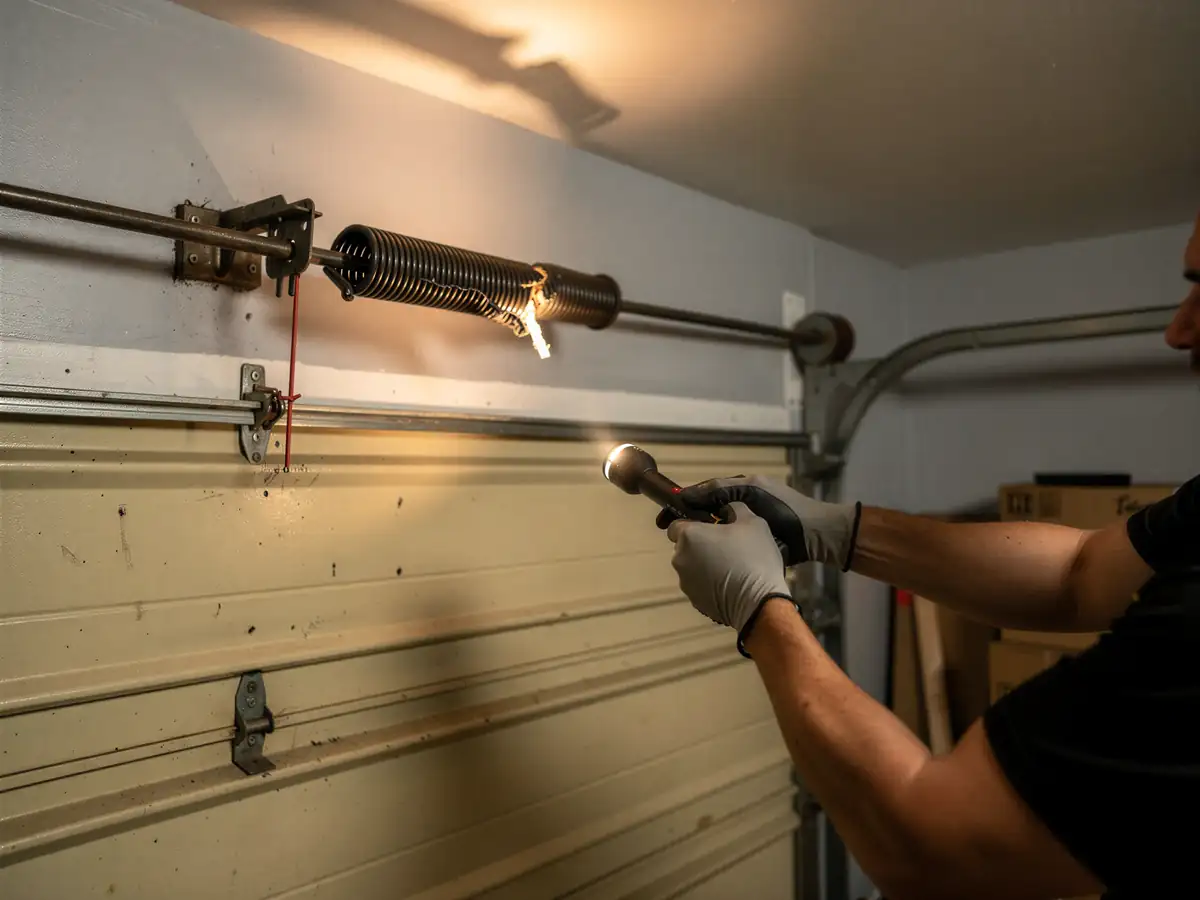
A spring that's already near the end of its cycle life, a roller that's worn enough to bind on a track that's flexed slightly out of plumb in a house with original 1950s-era framing. None of that is caused by the outage. The outage just happens to be the moment it shows up. If your opener restarts clean after a cut and the door runs quiet, there's nothing to fix. If it groans, stutters, or needs two tries, that's the mechanism asking for attention before the next cold front, not the next power cut, finishes the job.