What It Costs
We're not going to throw a number at you that doesn't hold up once we're standing in your driveway
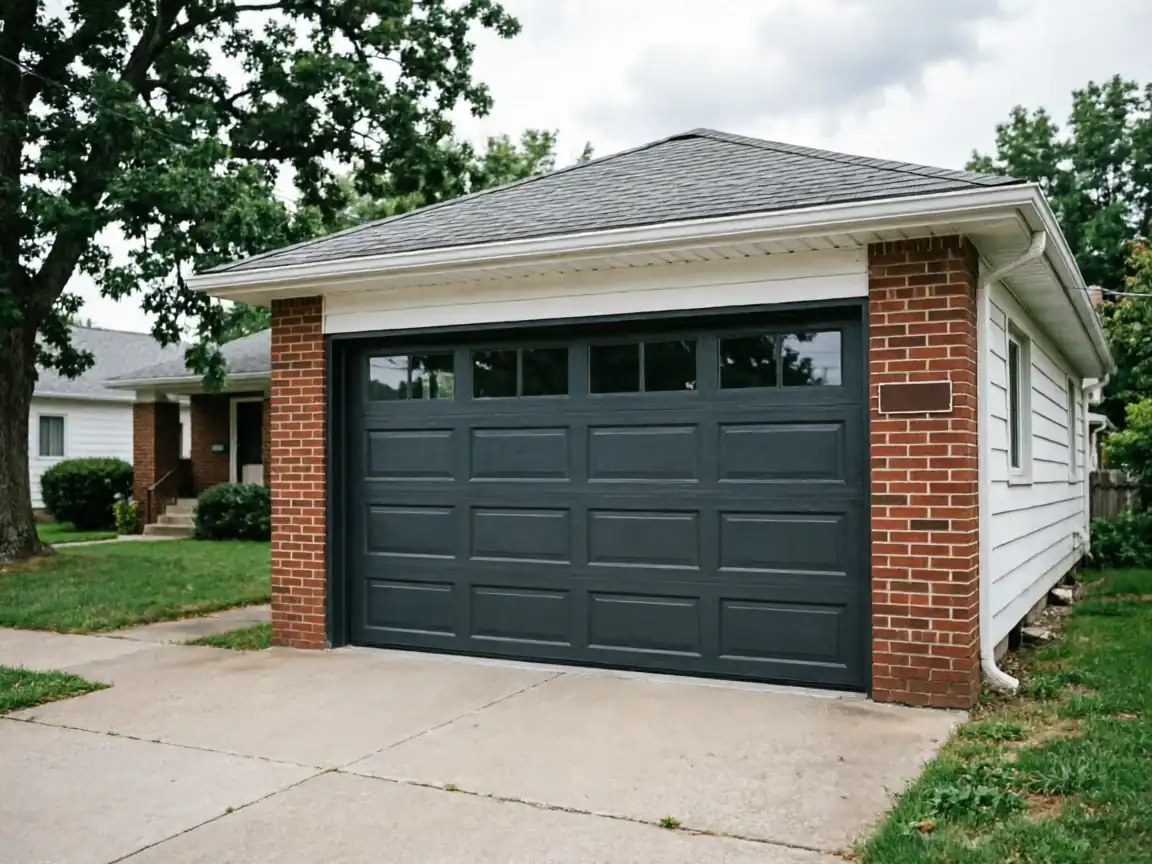
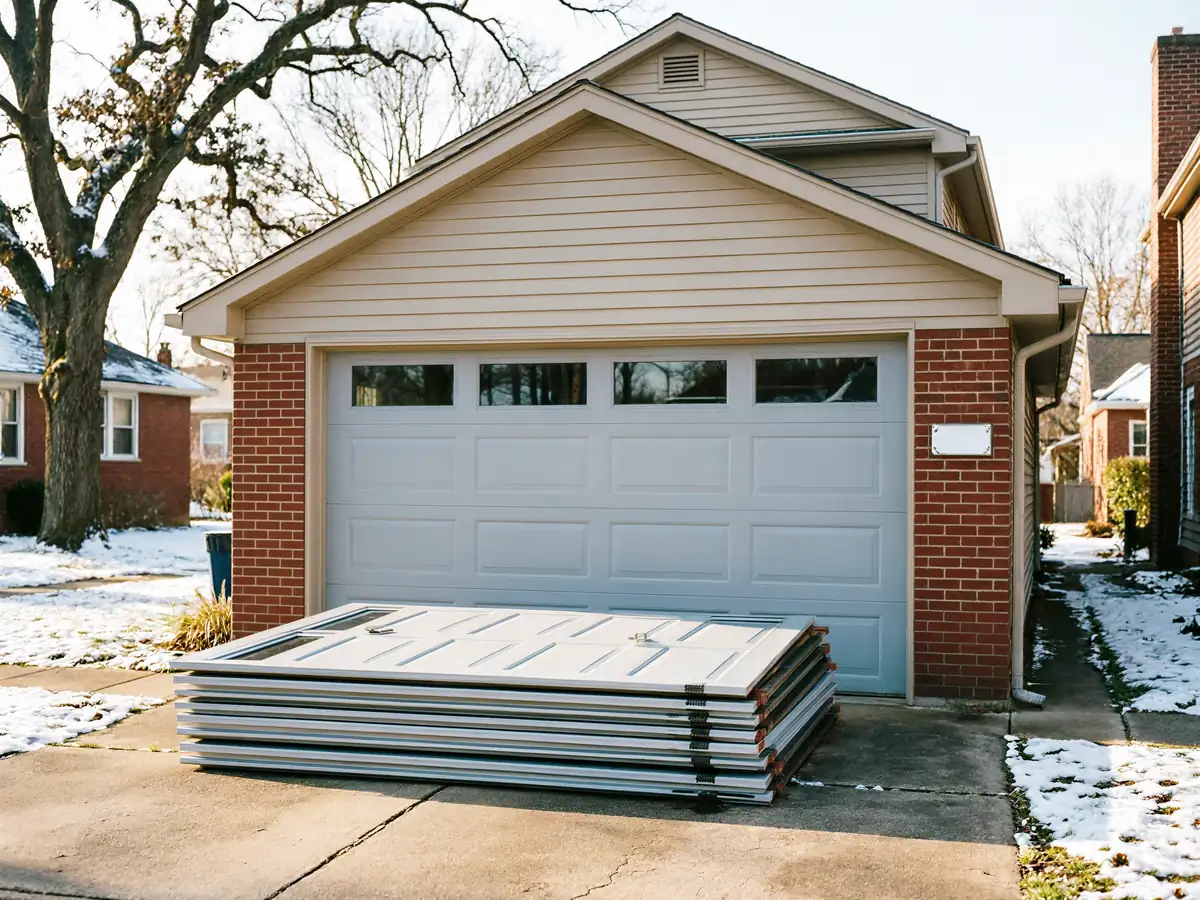
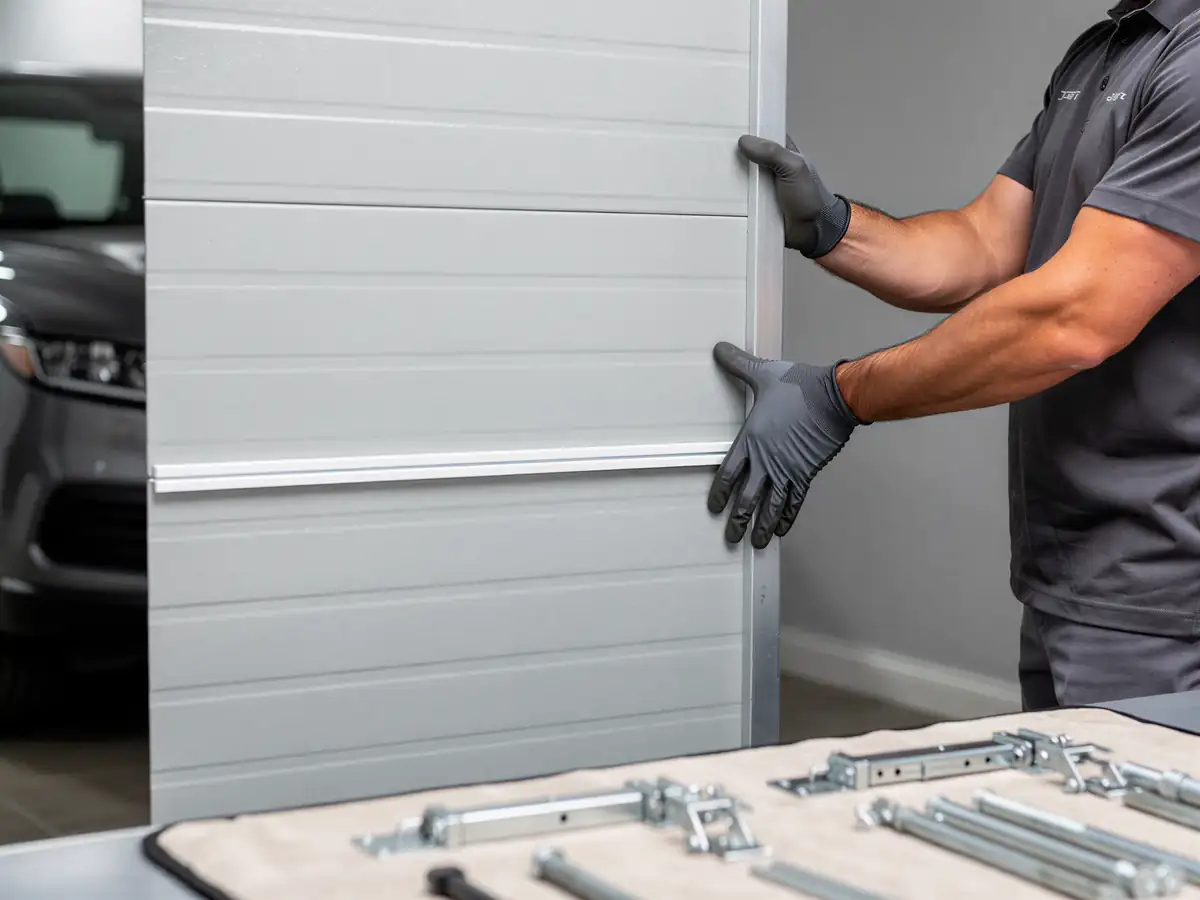
Panel replacement cost swings on three things: whether your door is still in production, how many panels are damaged, and whether the track and hinges took damage too. A single bottom panel on a door that's still made is a different job than trying to match a discontinued steel panel from a door built in the Clinton Township or Madison Heights era of construction, which is common on the older side of Sterling Heights where the housing stock runs 1938 to 1958.
Here's the limitation we'll tell you straight
If your door is old enough that the manufacturer doesn't stock that panel profile anymore, we may not be able to match it exactly, and full door replacement ends up cheaper than a custom-matched panel. We'll tell you which situation you're in before we quote anything, not after.
We don't publish a price list because a flat number here would be a guess dressed up as a fact
And a guess that's wrong by a few hundred dollars isn't a service to you.
How It Shows Up
Most panel calls start the same way: a dent from a car bumper or a thrown snowball that's deep enough to bind the roller track, or a bottom panel that's gone soft and crumbly from years of sitting in snowmelt against the driveway slab. On steel doors, rust usually starts at the bottom corners first, where water sits longest, and spreads along the seam before it ever shows on the face of the panel.
Sometimes it's not damage at all, just mismatch - a homeowner replaces one panel after an accident and the color or ribbing doesn't line up with the rest of the door, because the original run was discontinued. That's a cosmetic call, not a safety one, but it's still the most common reason people search for this.
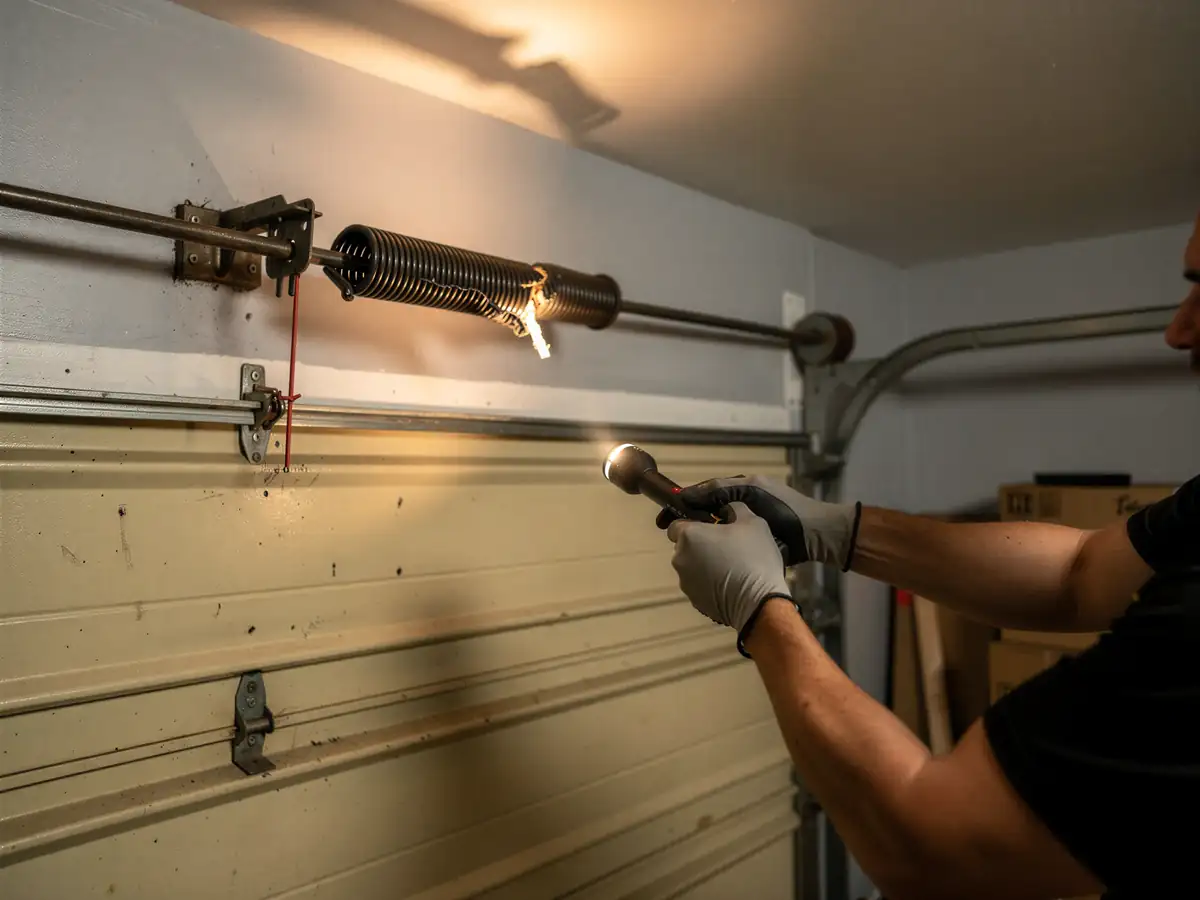
Less often, a whole section has buckled from a spring or cable failure that yanked the door off-track, which bends the panel edges even if the steel itself is intact. If the door won't sit flush in the frame anymore, that's usually hardware, not panel, and worth a separate look before you pay to swap steel that was never the problem.
Why It Happens Here
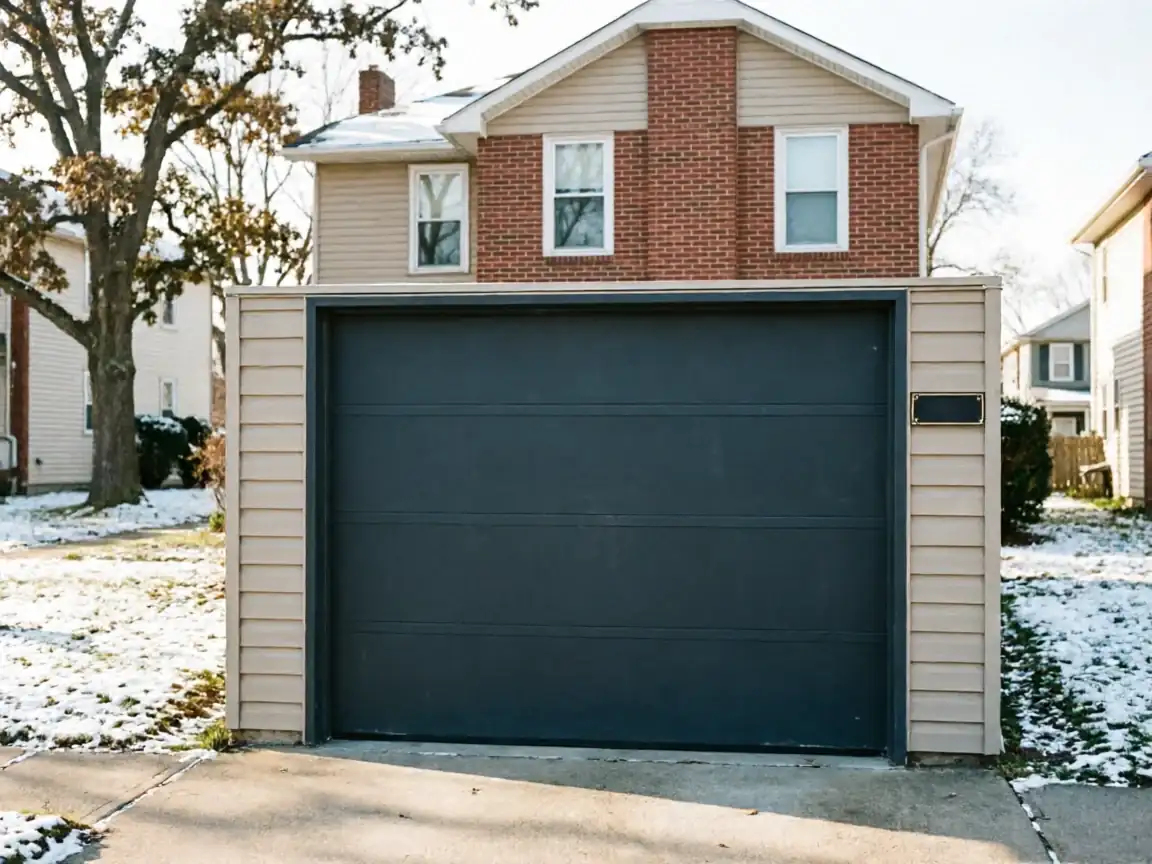
Sterling Heights and the towns around it - Utica, Fraser, Madison Heights, Center Line - share a housing boom that ran roughly 1938 to 2002, with most of the stock going up well before 1960. That means a lot of garage doors on this side of Macomb County are original steel sections, single-layer, with no foam core, installed when the building code didn't ask for much beyond keeping the weather out.
That era of steel doesn't flex the way current insulated panels do. A thin, uninsulated panel takes a dent and stays dented; it doesn't spring back. Combine that with the climate here - winters cold enough and severe enough to put real freeze-thaw cycling on anything holding water at the seams - and you get the pattern we see most: bottom panels that rust from the inside out over a few winters, starting right where road salt and snowmelt pool against the slab.
Newer insulated doors handle impact and moisture differently, which is part of why panel damage skews toward the older half of the housing stock across this service area rather than showing up evenly everywhere.
Doing It Yourself
A cosmetic dent that doesn't affect how the door tracks is something a lot of homeowners can live with or even pull out themselves with a plunger and some patience
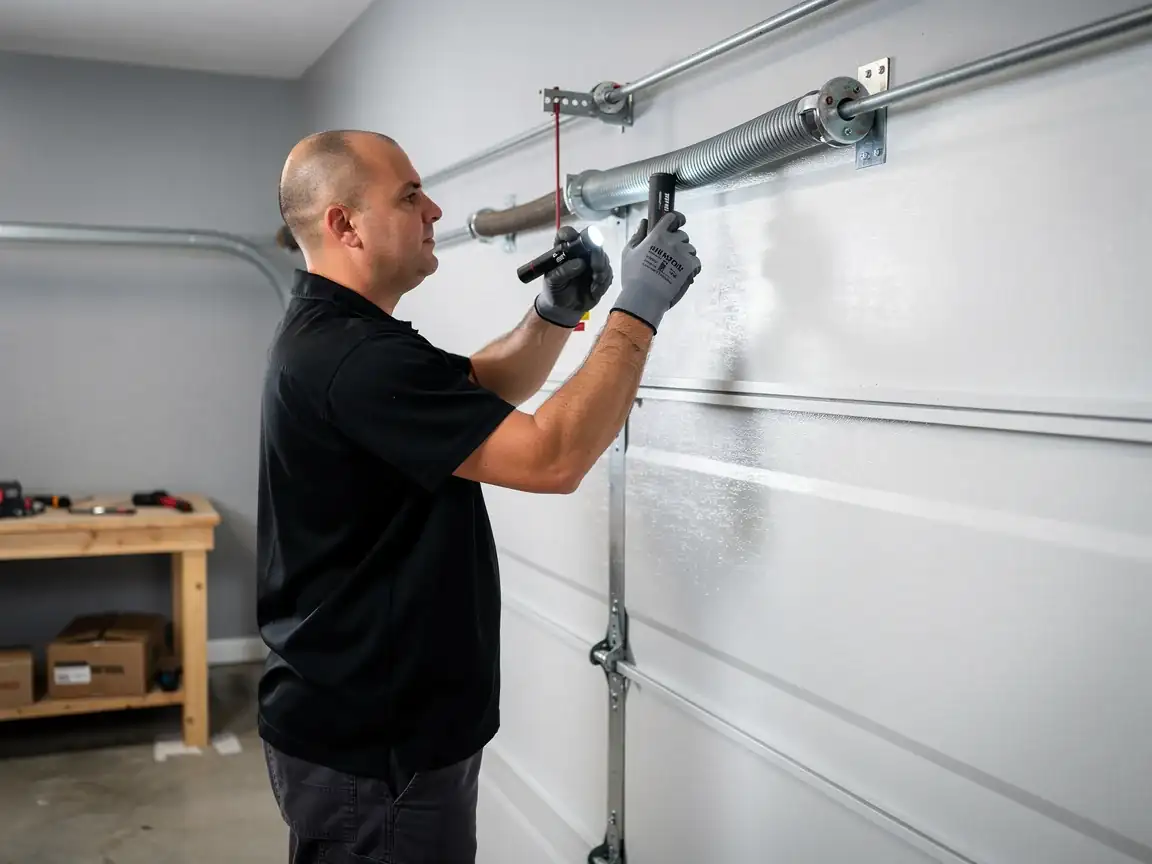
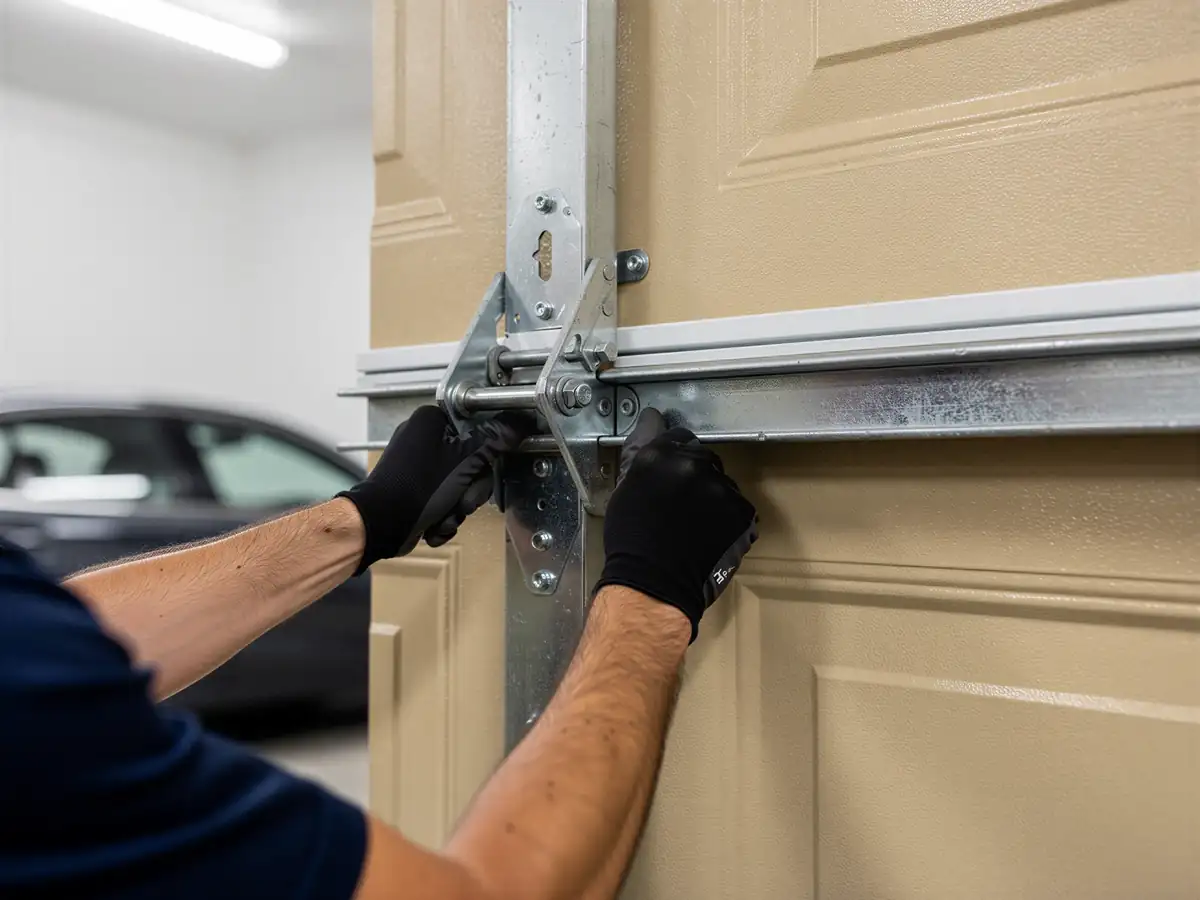
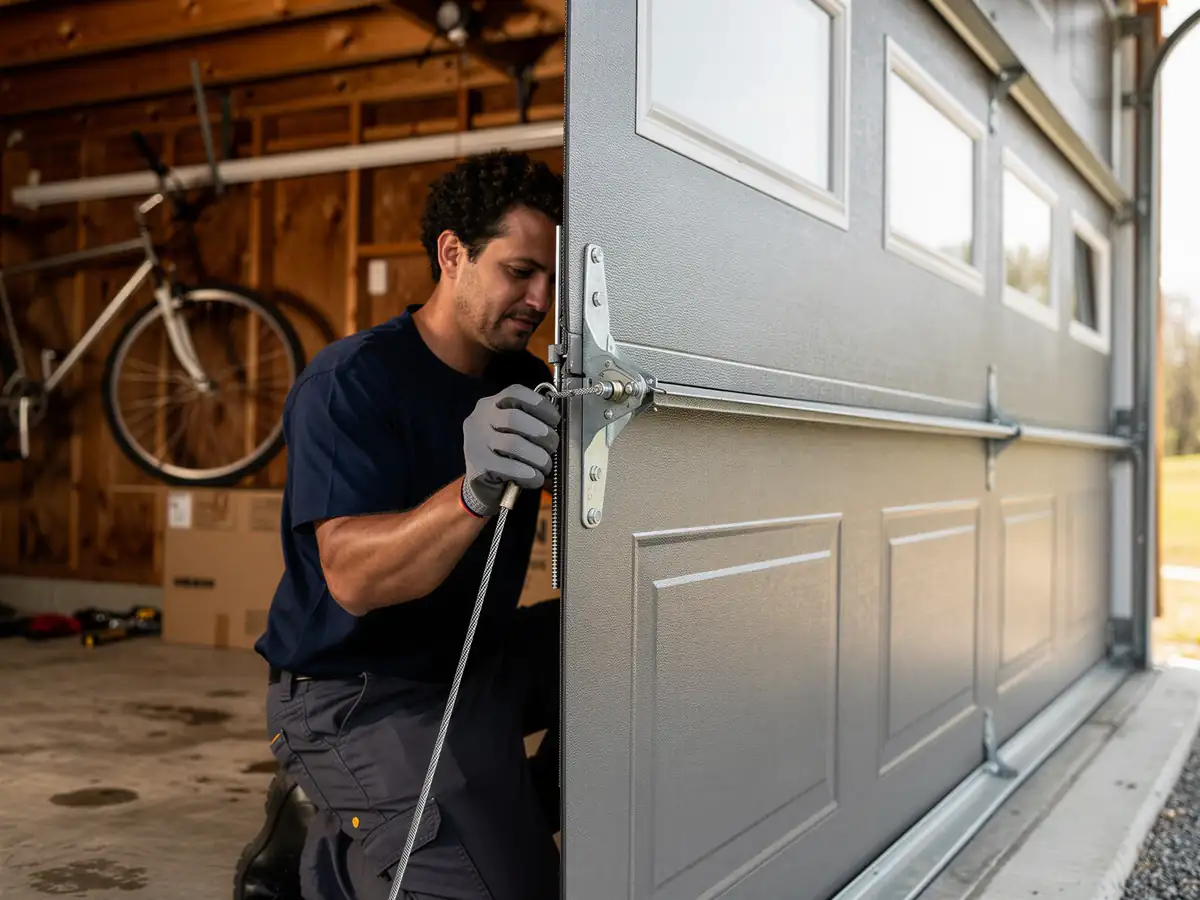
It won't hurt anything structurally. Swapping the panel yourself is a different matter. You're unbolting a section that's under tension from the rest of the door, and on a door with a working torsion spring, the panels above are counting on that section staying where it is while you work.
If you do want to try it solo
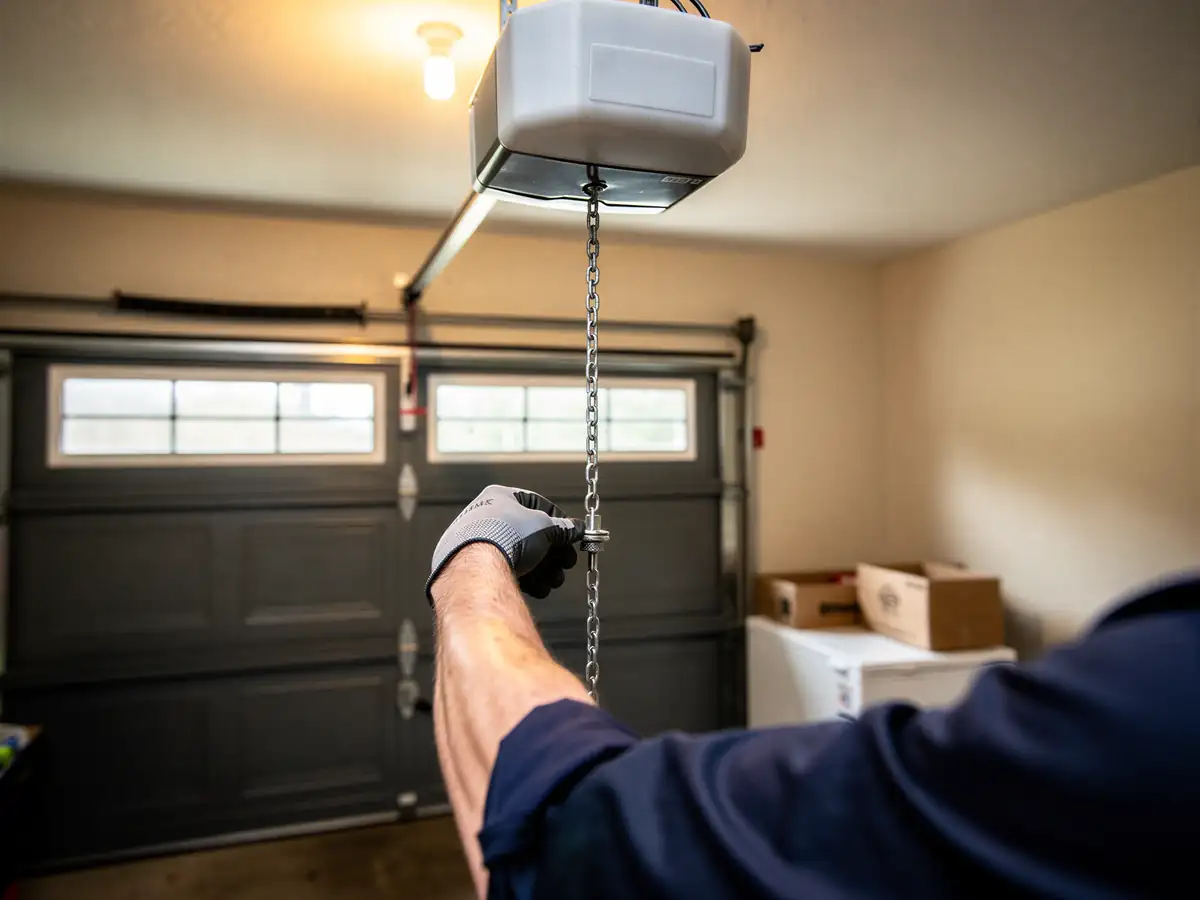
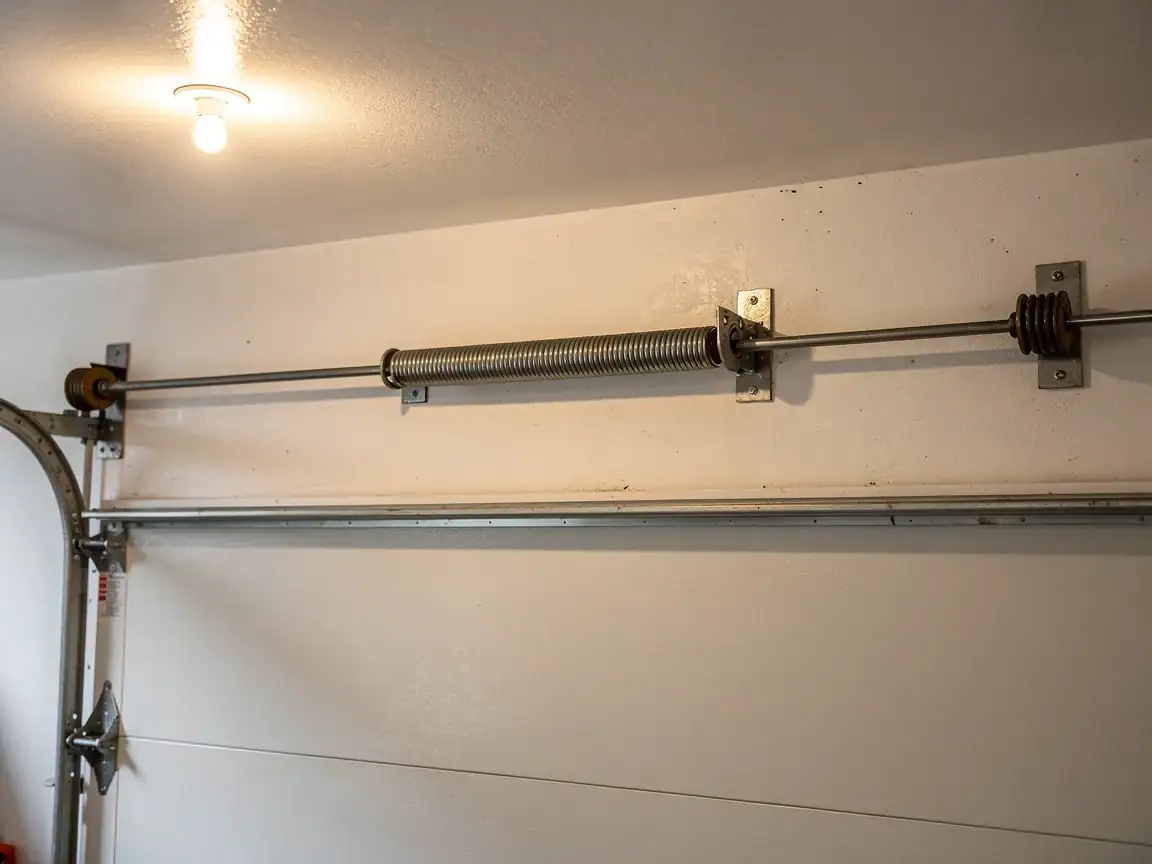
Disconnect the opener first, support the door manually, and never remove a panel from a door where the spring is still wound unless you've locked it down properly. If you're unsure what that means, that's the sign to stop and call someone, not push through.
Matching the panel is the other half of the problem
Color fade, ribbing style, and panel height all have to line up, and guessing wrong means a visible seam line for as long as you own the door. We'd rather tell you that upfront than have you order the wrong part twice.