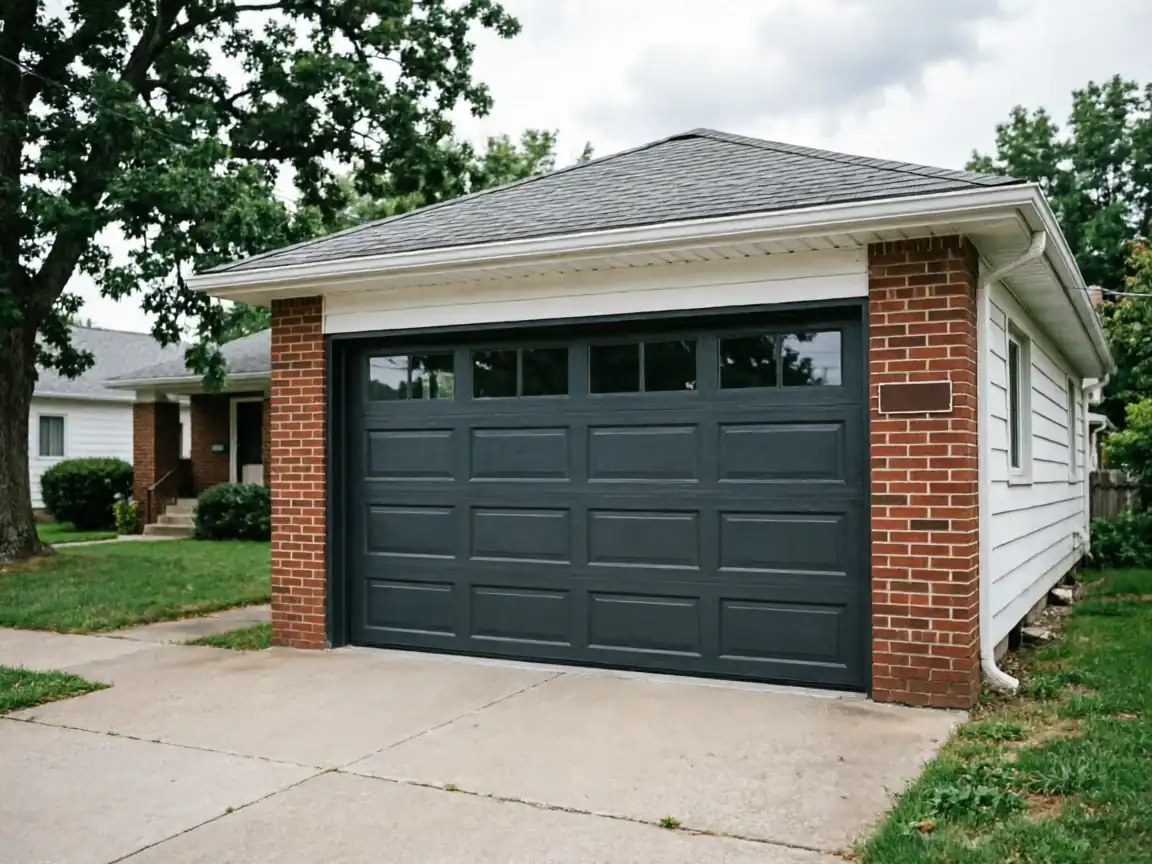
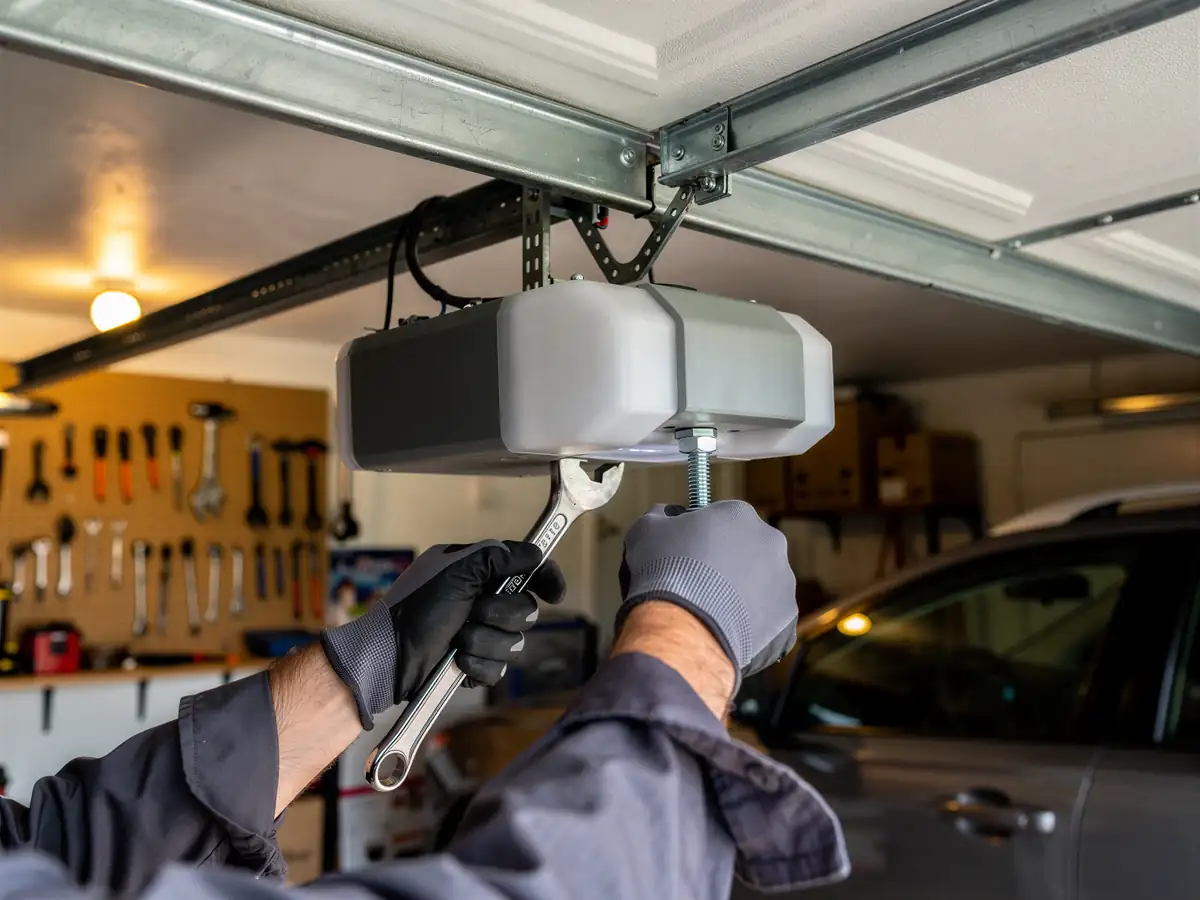
A straight look at what a Sterling Heights garage door service call includes, why cold-climate homes here wear differently, and what the common mistake costs owners.
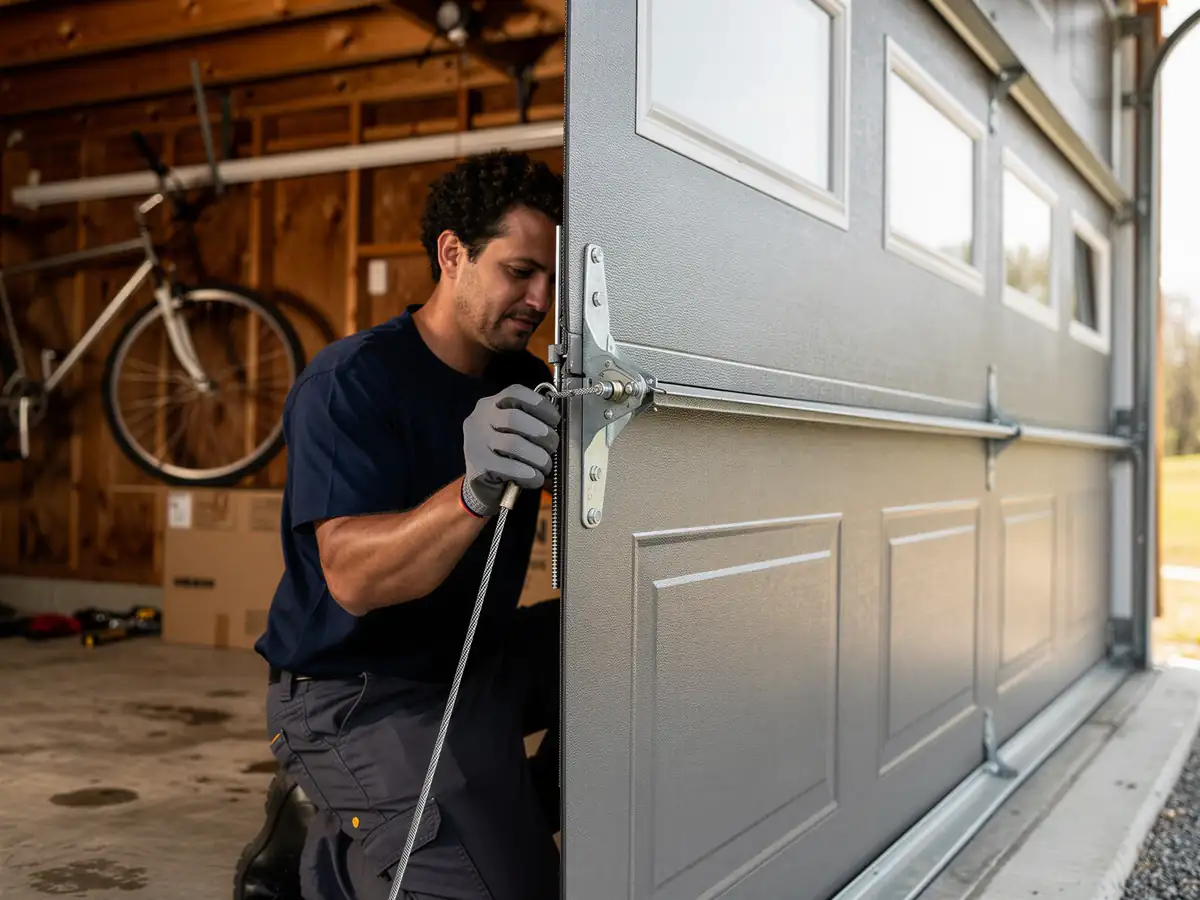
Sterling Heights sits in a severe cold climate band, and that matters more than most owners think. Steel contracts hard in sustained single-digit cold, which is exactly when torsion springs are under the most load lifting a door. Grease that was fine in October turns stiff by January, rollers bind, and openers start drawing more current to force a door that's dragging. On a house built in the 1950s or 60s, which describes most of the stock in this area, that strain lands on original track brackets and jamb hardware that's been through sixty-plus winters of expansion and contraction. A service call in this town starts with checking how the door is actually moving in cold, not just whether it opens - balance, track alignment, and spring tension all shift seasonally here in ways they don't in a milder climate. We also check weatherstripping and bottom seals, since gaps let wind-driven cold into an attached garage, which on older homes often sits right next to a finished room.
What It Costs
We don't publish a flat number here because what a call actually runs depends on what's wrong and how old the hardware is - and in a service area where housing runs from 1938 to 2002 with a median build year of 1958, that range is wide. A broken spring on a newer door with standard parts is a different job than one on a door with an original frame and obsolete mounting hardware from the 1950s. What we can tell you is that the estimate is free and happens before any work starts, and we'll tell you up front if a part needs to be sourced rather than pulled off the truck. Given the median household income of $97,027 across this service area, most of the repairs we see are planned, not panic calls - people fix a noisy door before it fails rather than after.
The Common Mistake
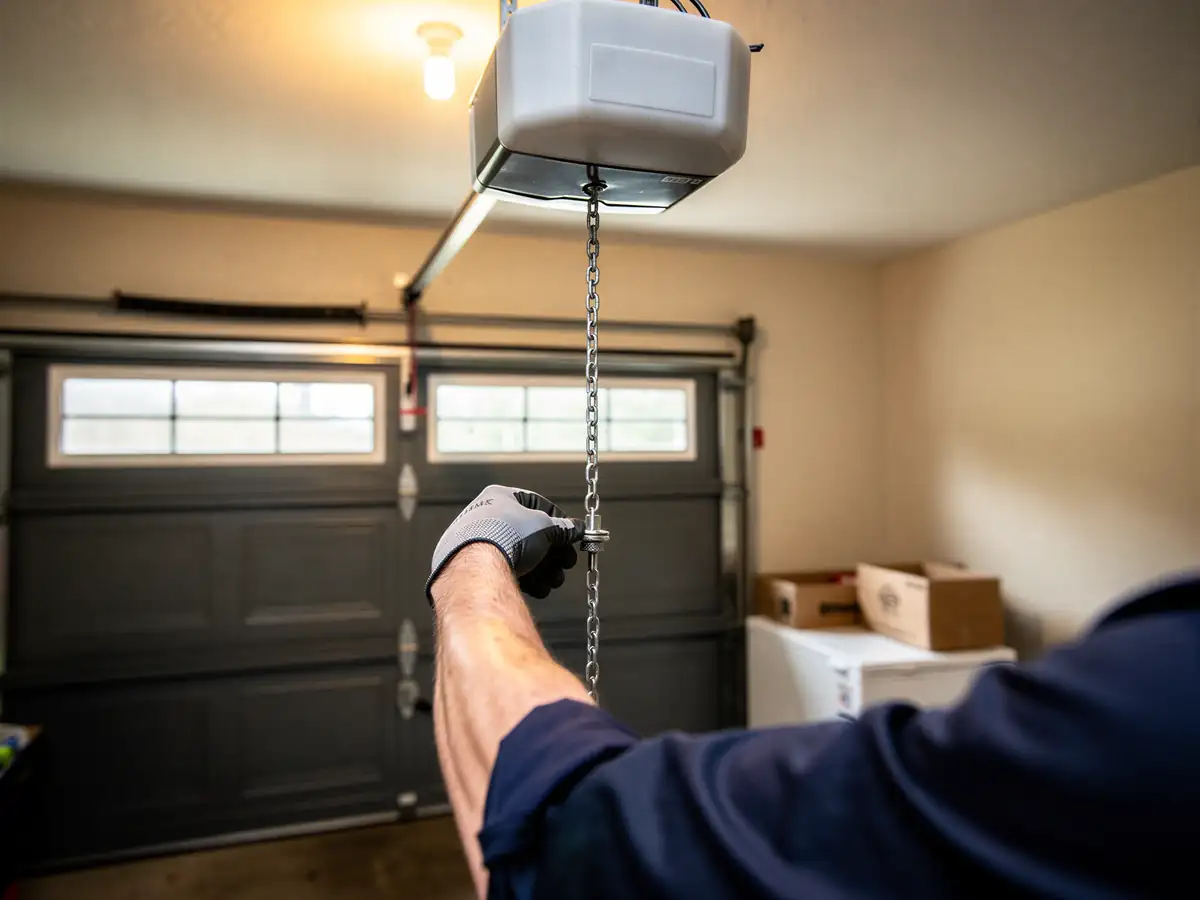
The mistake we see most in Sterling Heights is an owner lubricating the opener chain or belt and skipping the springs and hinges entirely, because the opener is the part that makes noise. On a house from the pre-1960 stock that makes up most of this area, the springs are carrying decades of cycles on hardware that was never upgraded, and they're the part cold weather stresses first. Lubricating the wrong parts doesn't fix a door that's hard to lift by hand - it just means the opener motor is doing the work the springs are supposed to do, which burns it out faster. We also see people treat a frozen bottom seal as a spring problem and replace a spring that was fine. A real service call checks the door's balance by hand, with the opener disconnected, before anything gets replaced.
What Is Going On
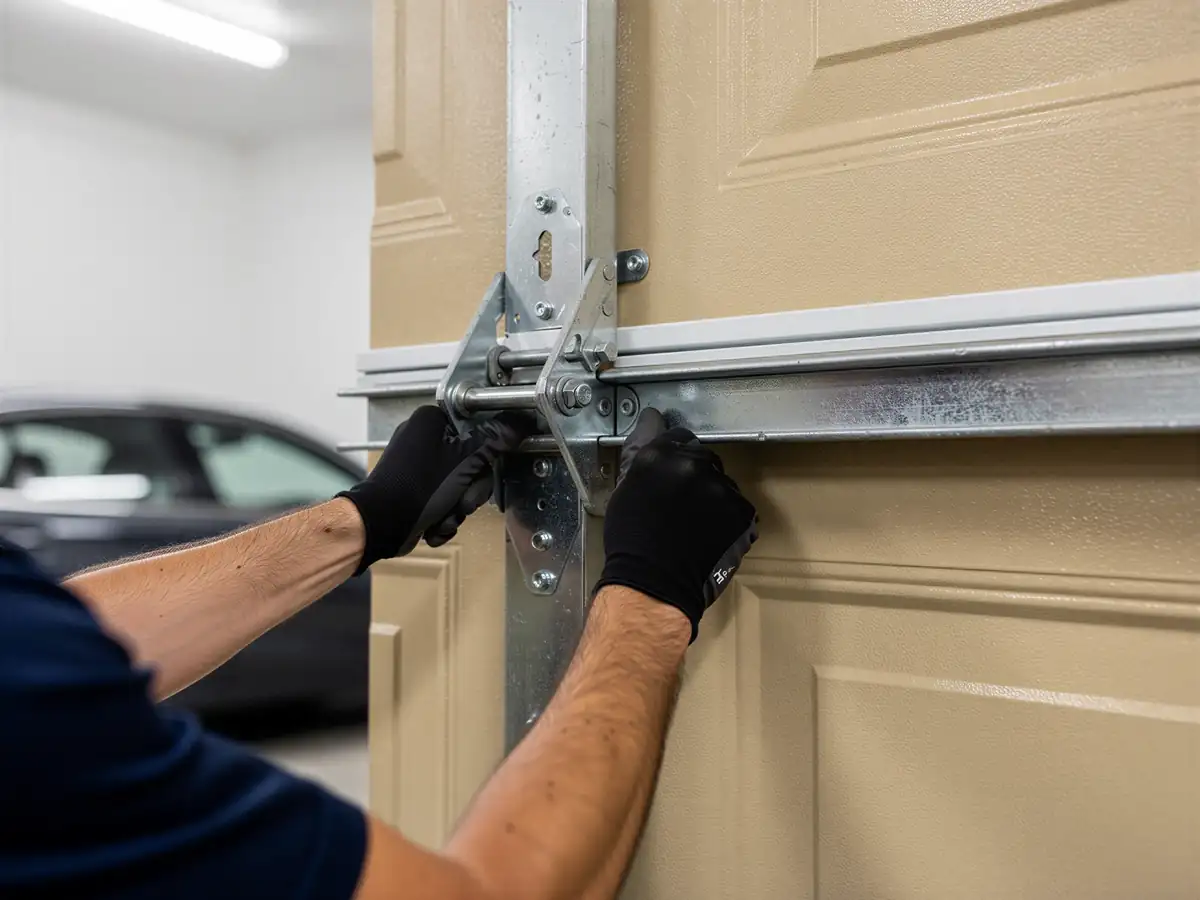
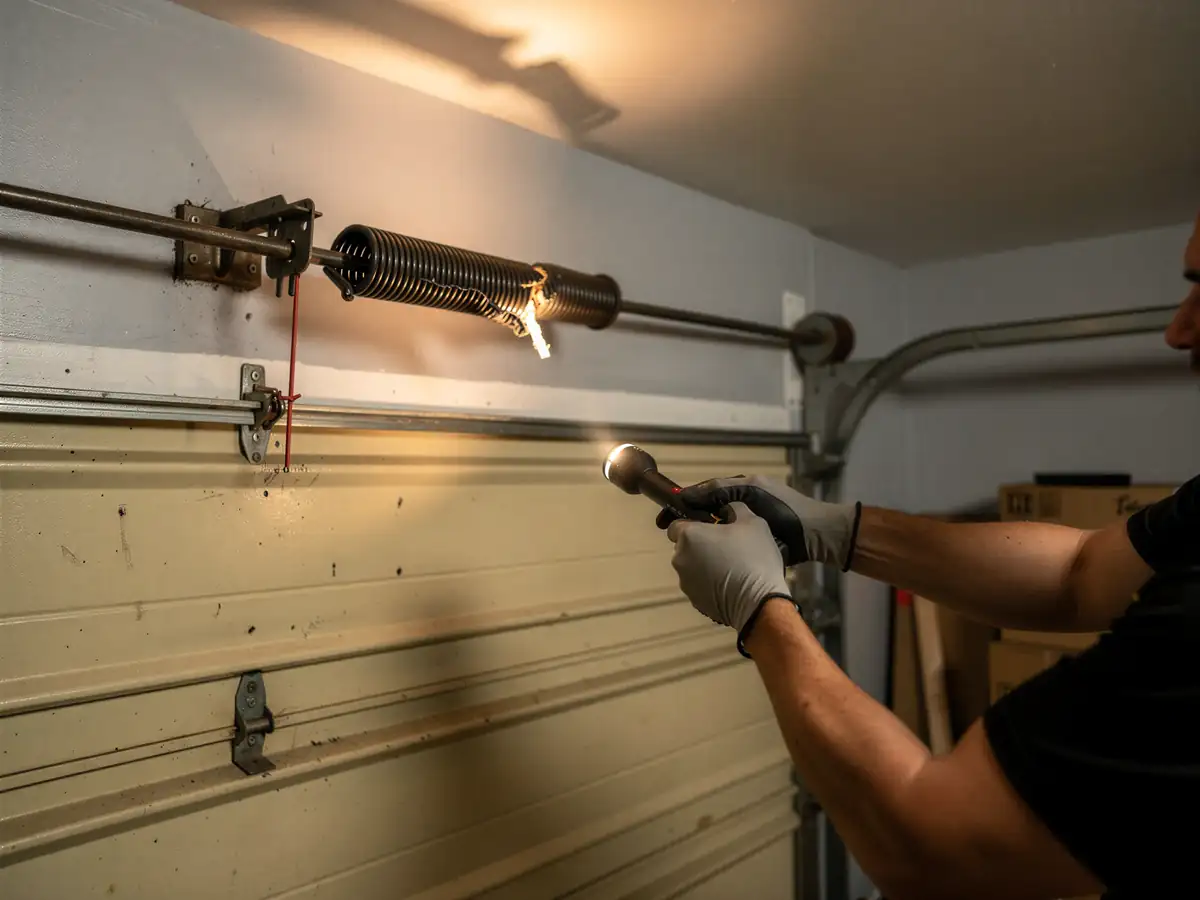
Most calls we run in this area break down to one of three things: a spring that's reached the end of its cycle life under cold-weather load, a track that's gone out of alignment because the house has settled over sixty-plus years, or weatherstripping that's failed and is letting cold air into the garage and the room next to it. On the 1938-2002 housing stock typical here, we also see original hardware that simply doesn't match what's sold today, which means a repair sometimes takes longer because the part has to be adapted rather than swapped straight across. That's the honest limitation: we don't keep every obsolete bracket or roller size on the truck, and if your door needs one, we'll tell you that before we start rather than improvise a fix that won't hold through next winter.
How it works
From “it’s stuck” to “it’s fixed”
A quick, honest process - no guesswork and no surprises.
1
Tell us what’s wrong
Describe the symptom - won’t open, loud bang, opener runs but the door won’t move.
2
On-site diagnosis
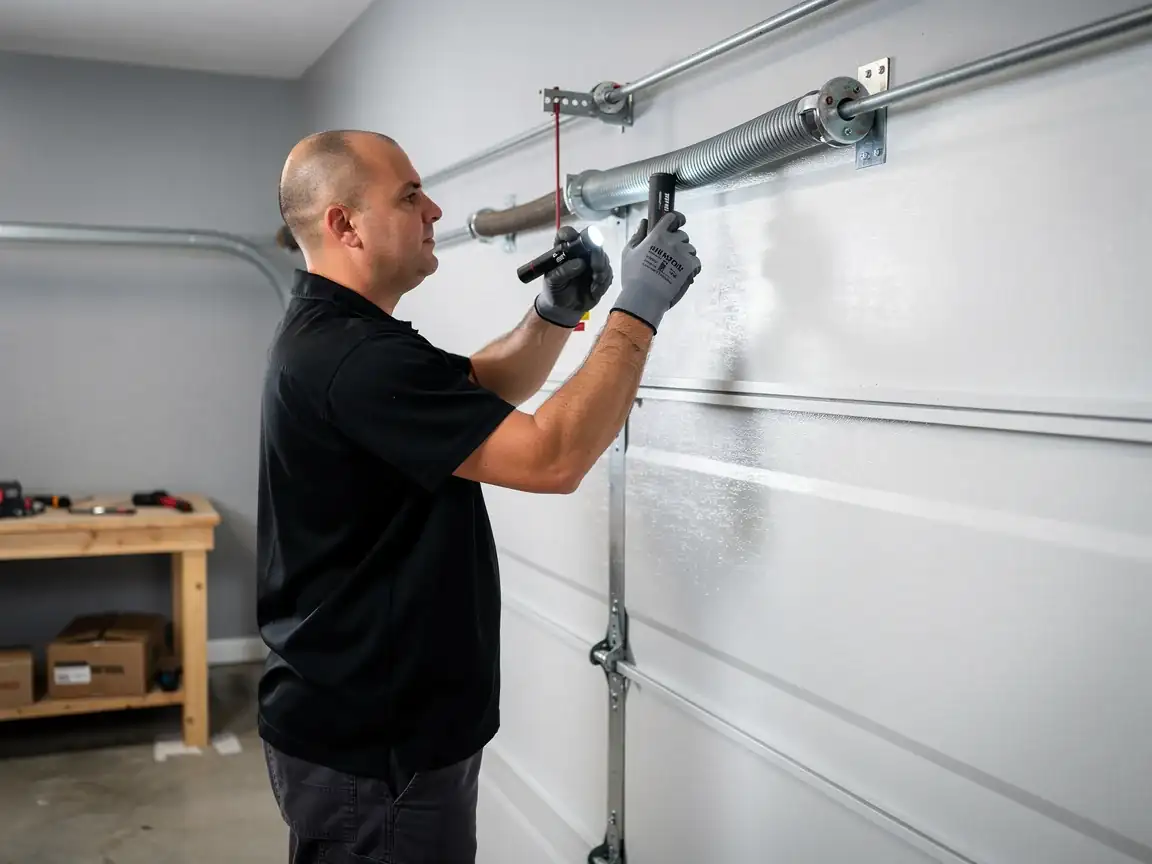
A technician tests the door under power and by hand and finds what actually failed.
3
Clear, up-front plan
You get the fix that’s needed and what drives the cost - before any work starts.
4
Repaired & tested
The repair is done, the door is set true and tested, and the work area left clean.
Next step
Not sure which repair your door needs in Sterling Heights, MI? Describe what it’s doing - every job starts with a diagnosis.
Why does my garage door get harder to open every winter?
Cold makes spring steel stiffer and less willing to flex, so a spring that's already near the end of its life struggles most in sustained cold. In a severe cold climate like this one, that strain shows up as a door that's noticeably harder to lift by hand starting in December and January.
Will my older house's garage door hardware need special parts?
Possibly. Housing in this service area runs from 1938 to 2002 with most of it built before 1960, and original brackets, track, and mounting hardware from that era don't always match current stock sizes. We check this during the estimate so you know before we start whether a part needs sourcing.
Do you give a price before starting the job?
Yes, the estimate is free and happens before work begins. What the job actually costs depends on the hardware involved and whether parts are standard or need to be sourced for an older door.
Is it normal for my garage to feel cold even with the door shut?
If the bottom seal or weatherstripping has failed, cold air gets in around the door, which is common on older homes where seals haven't been replaced in years. That's worth checking separately from spring or track issues.