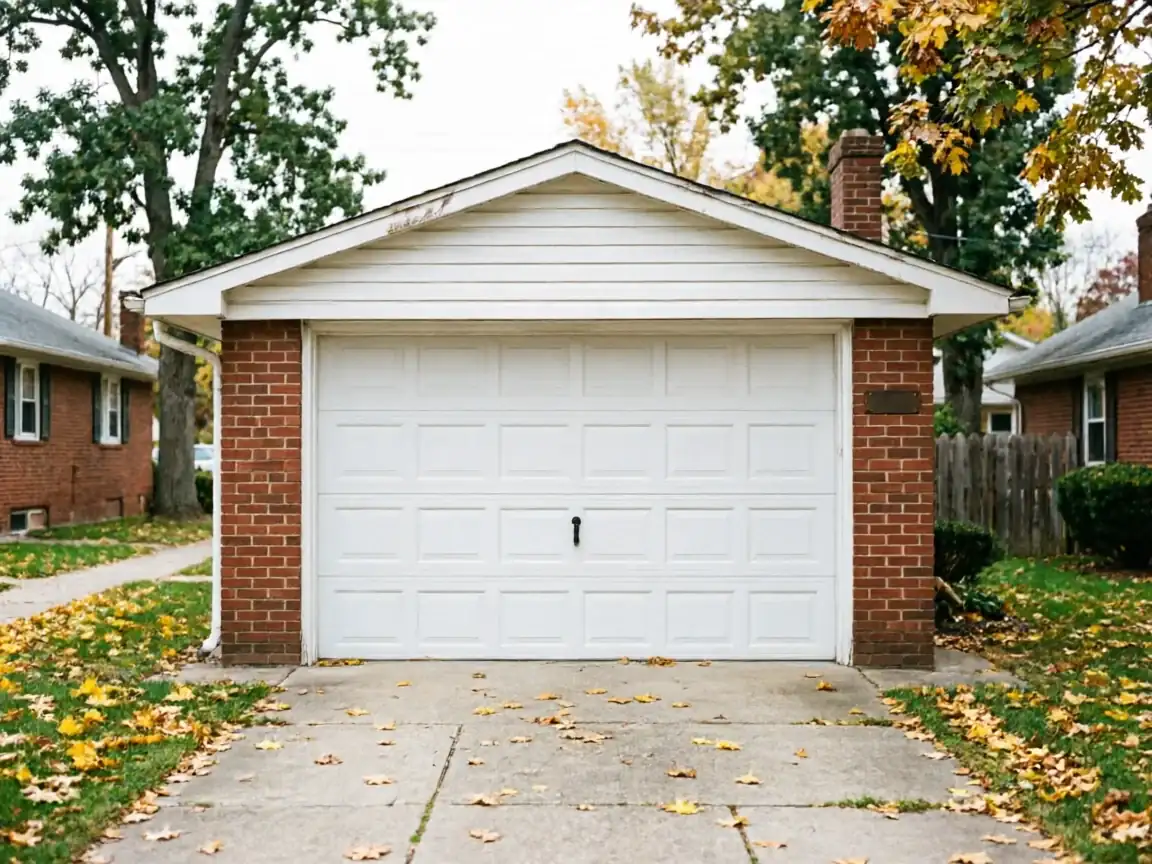
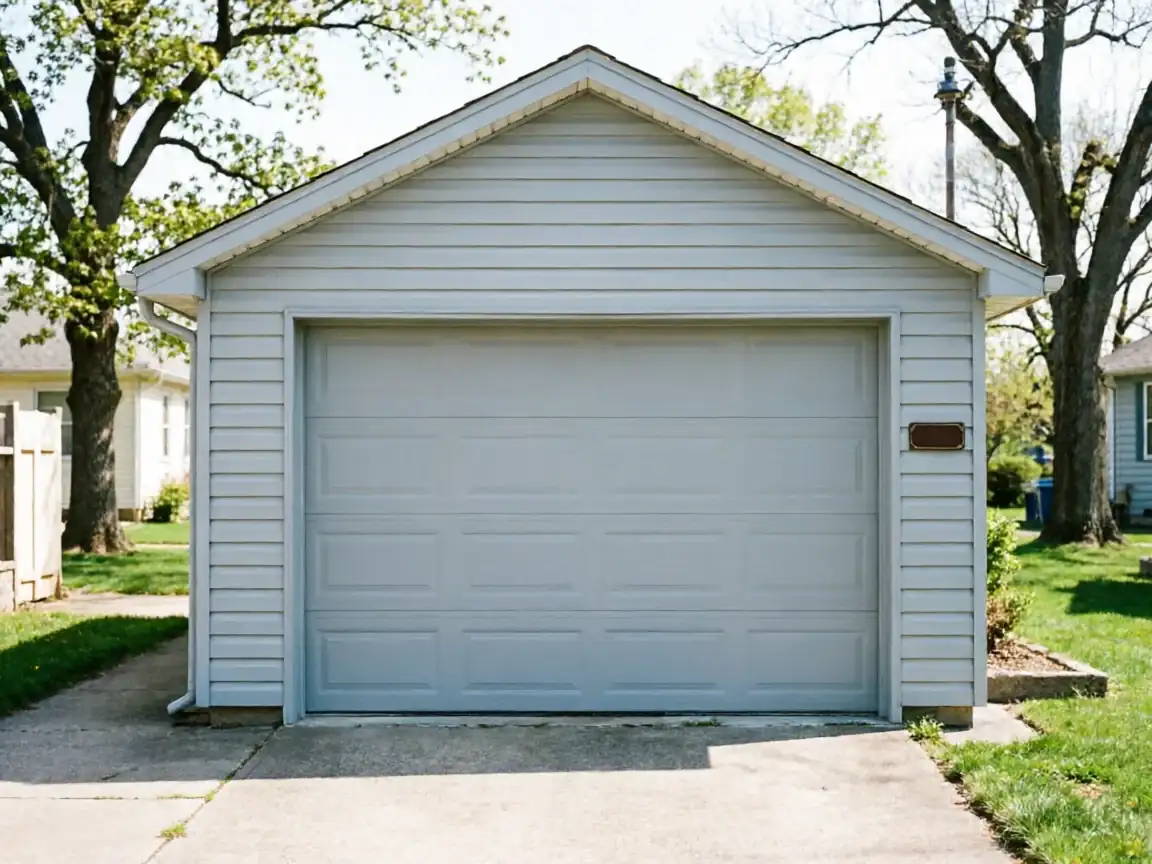
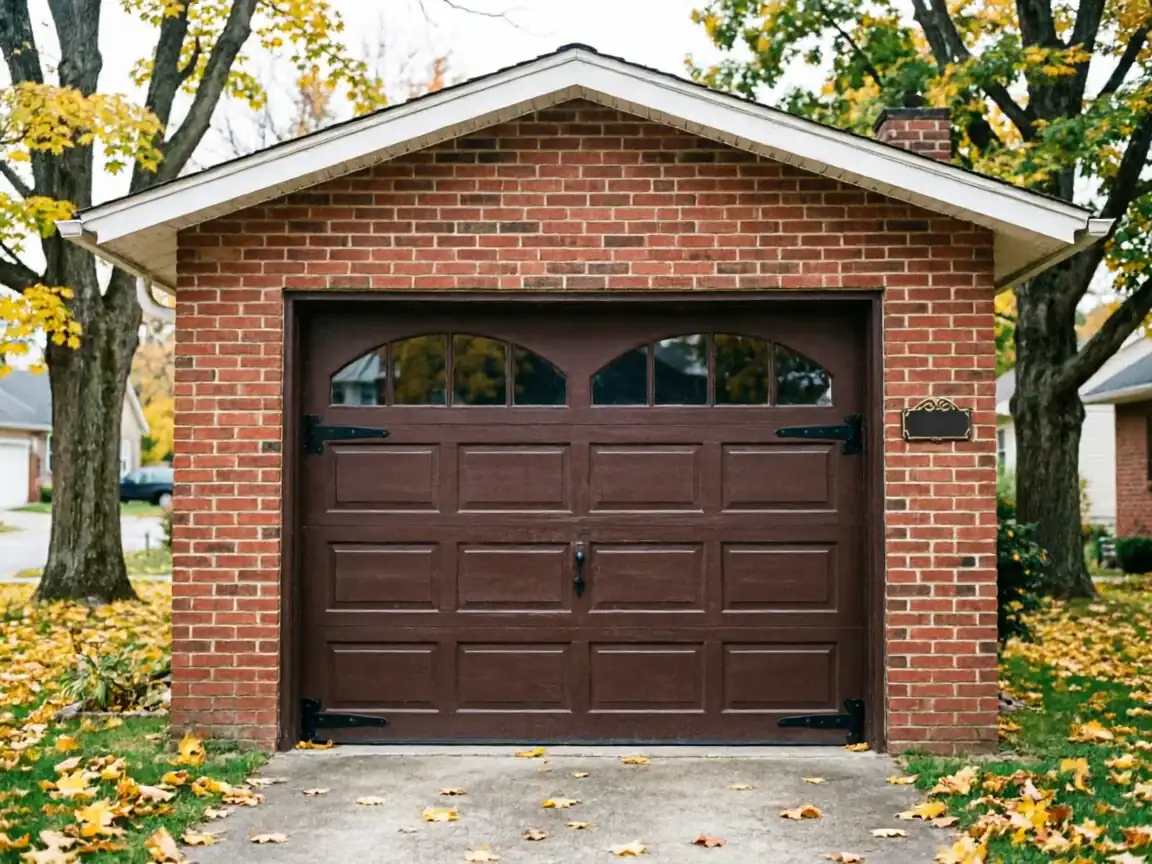
Garage door repair for Sterling Heights homes built 1938-2002, where original torsion hardware and Michigan winters wear out springs and openers early. Call for a straight assessment.
We're not going to throw a number at you that means nothing until a tech sees your door. What drives the bill is almost always the same handful of things: whether it's a spring or a cable, whether the opener is original to the house or a newer swap, and whether the track is bent enough to need replacing or just needs to be reset. Houses in this area were mostly built between 1938 and 1958, and a lot of that original hardware is still in service - which means parts that don't match anything on the shelf at a big box store. That can push a job toward a full assembly swap instead of a patch, simply because the matching part isn't made anymore. On the other end, newer builds closer to the 2002 end of the range usually have openers and springs that are easier and cheaper to source. Median household income in this service area runs around $97,027, and we price jobs the same whether your street is older or newer - the honest answer is that the door's age and what broke tells you more about the cost than the zip code does.
How It Shows Up
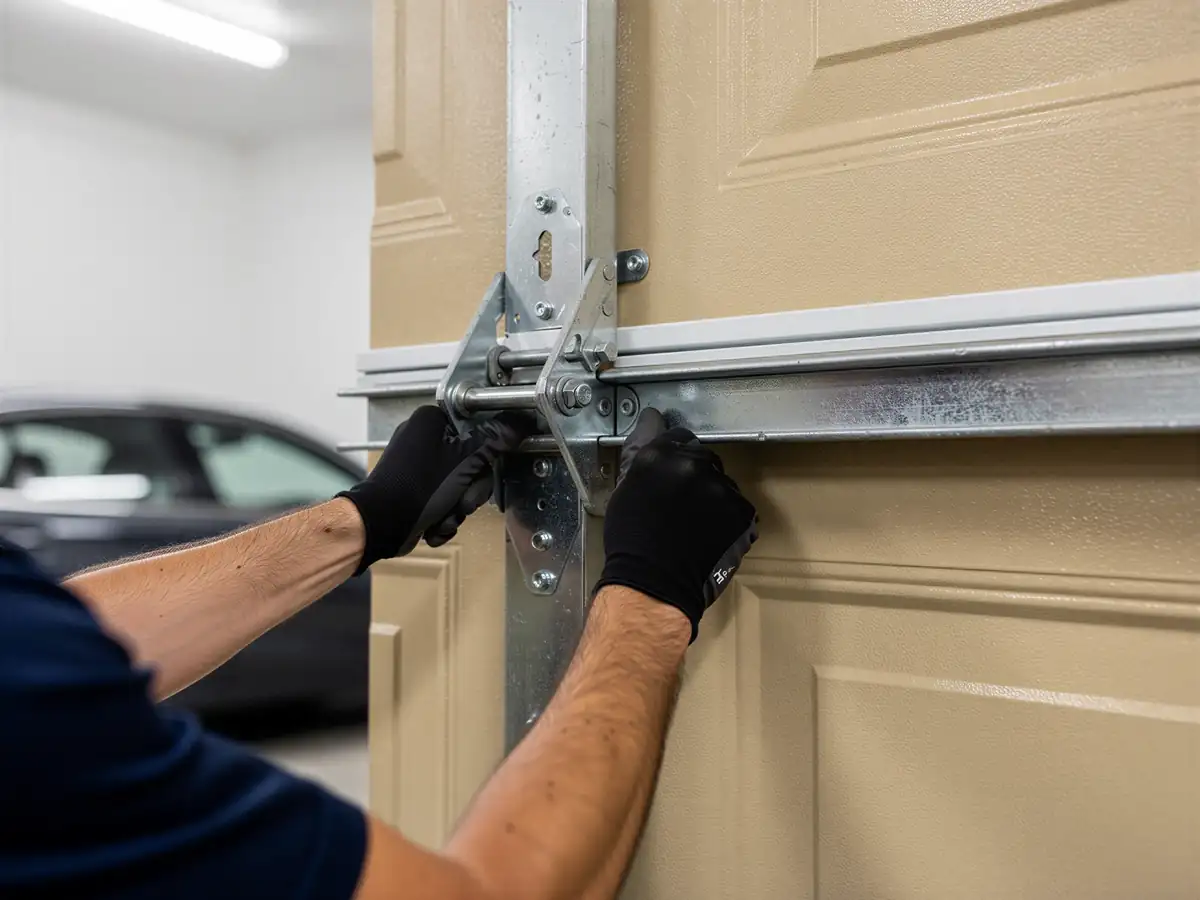
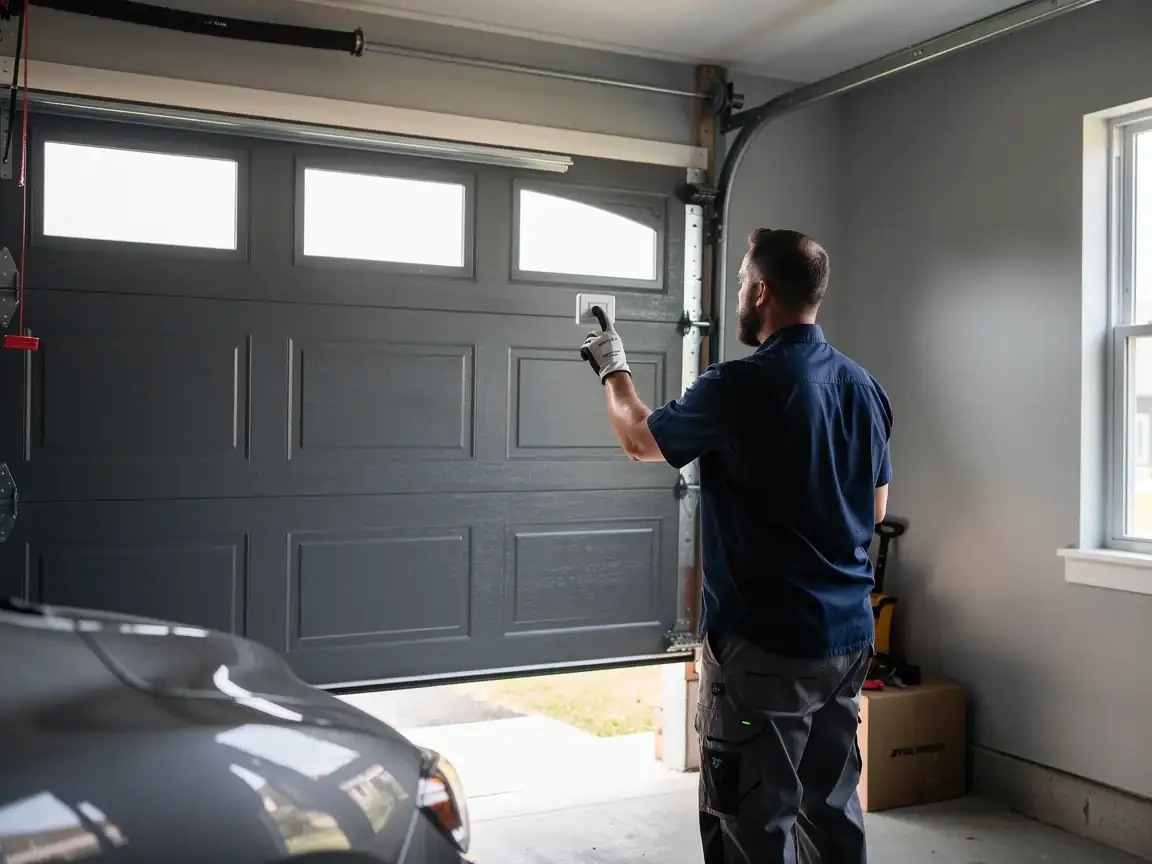
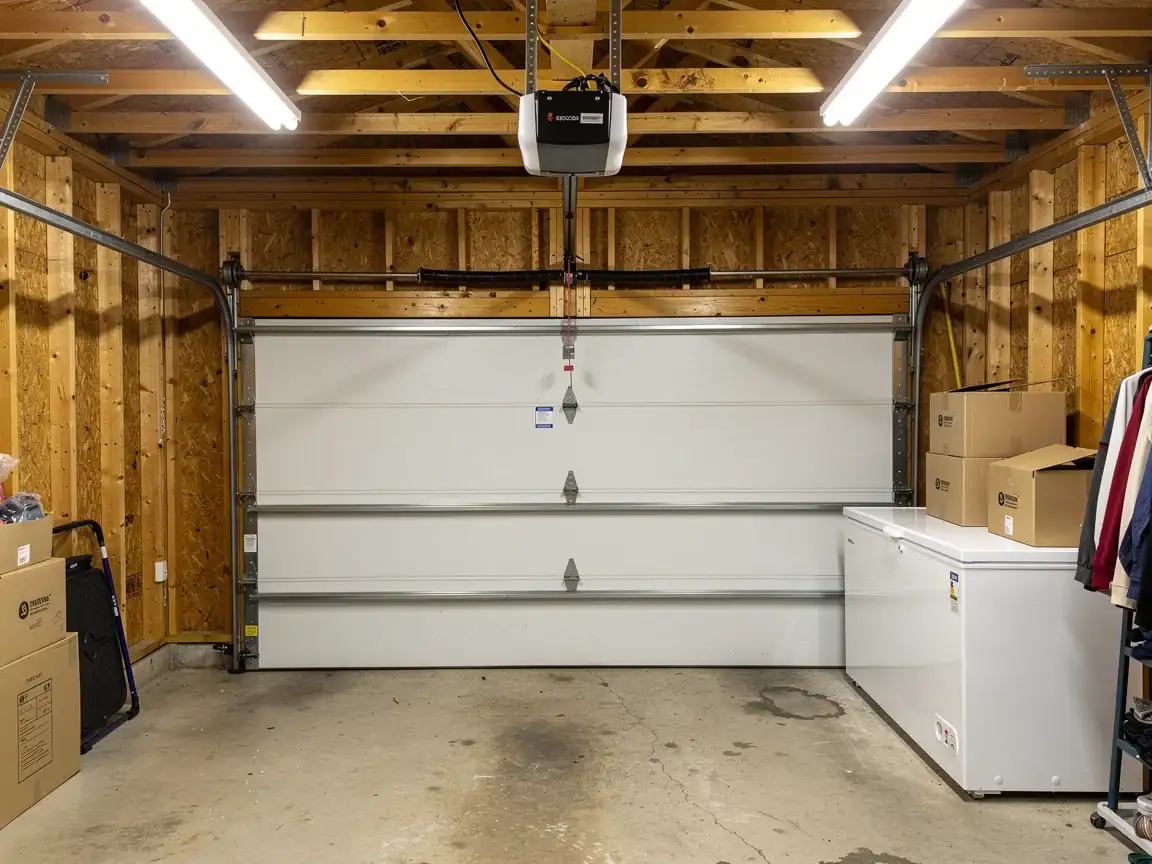
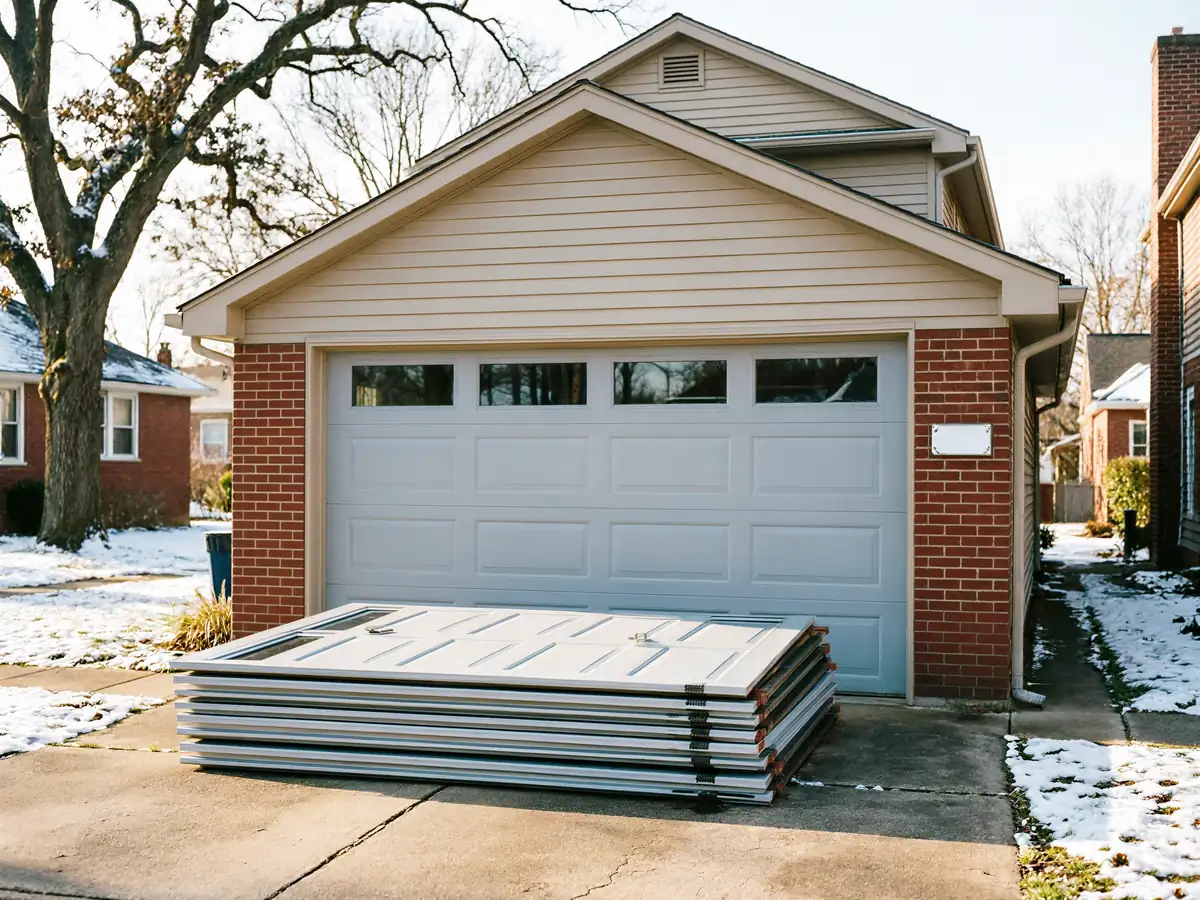
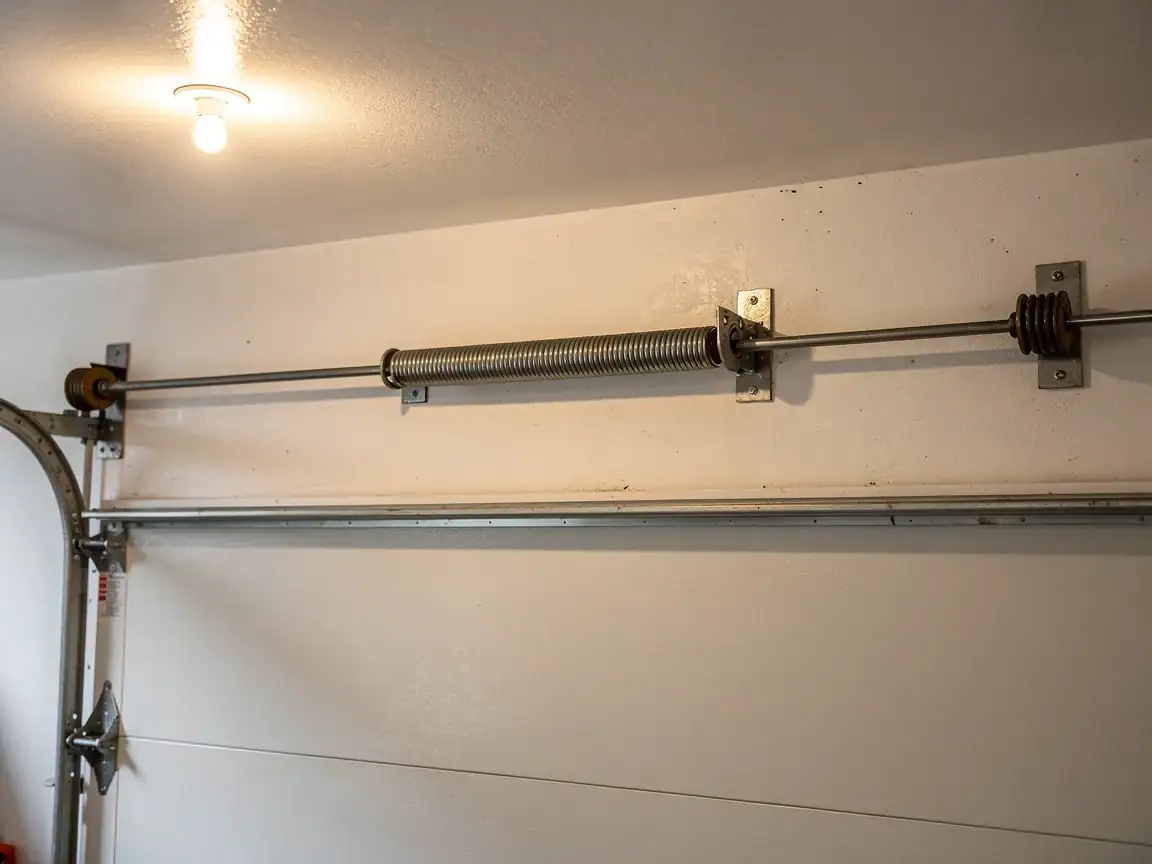
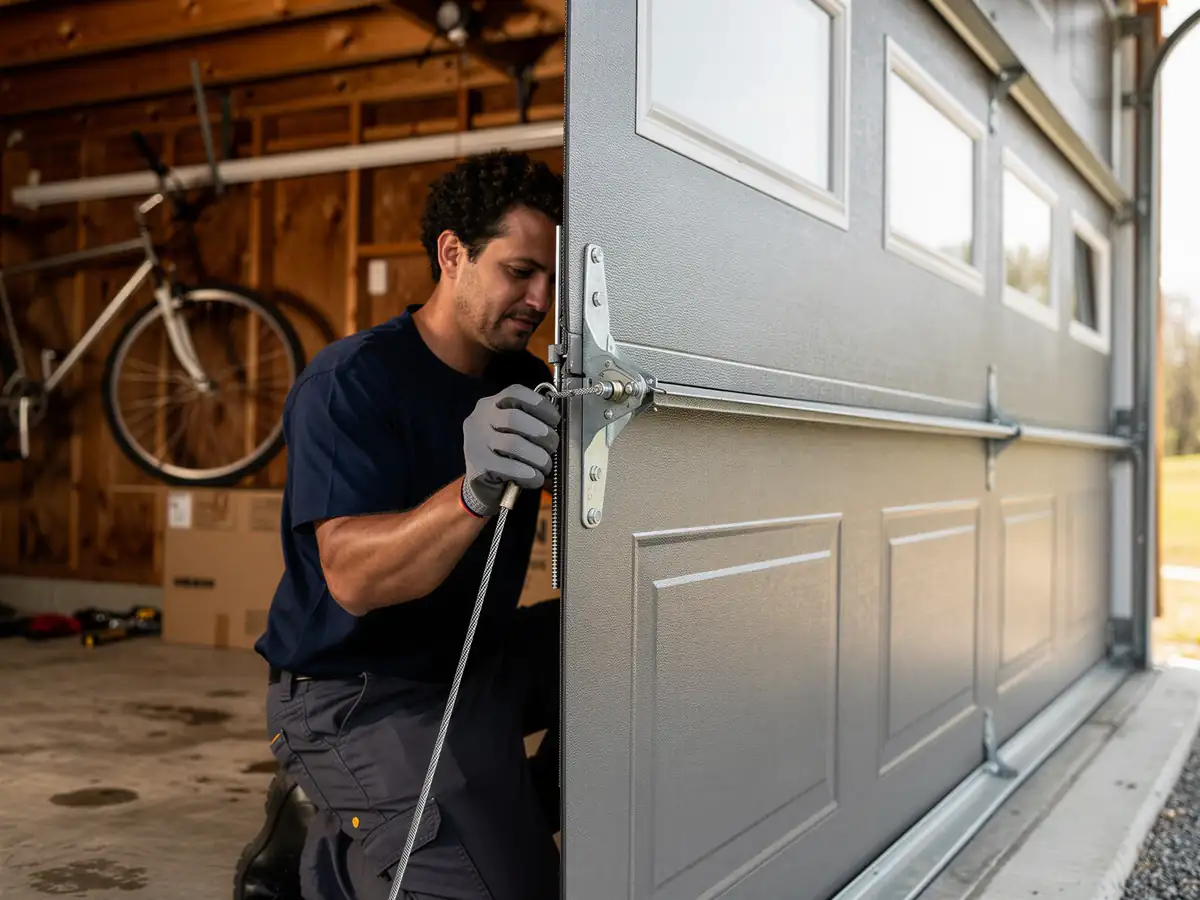
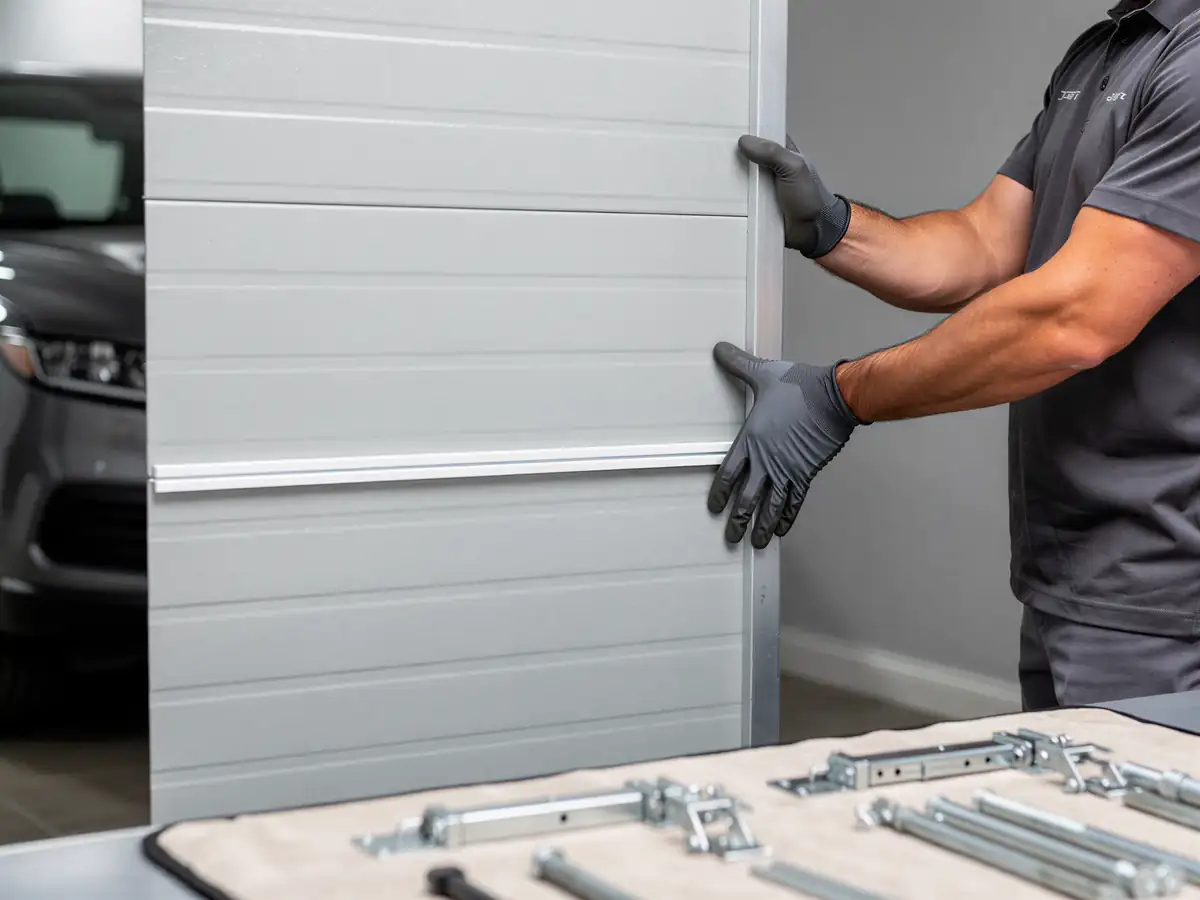
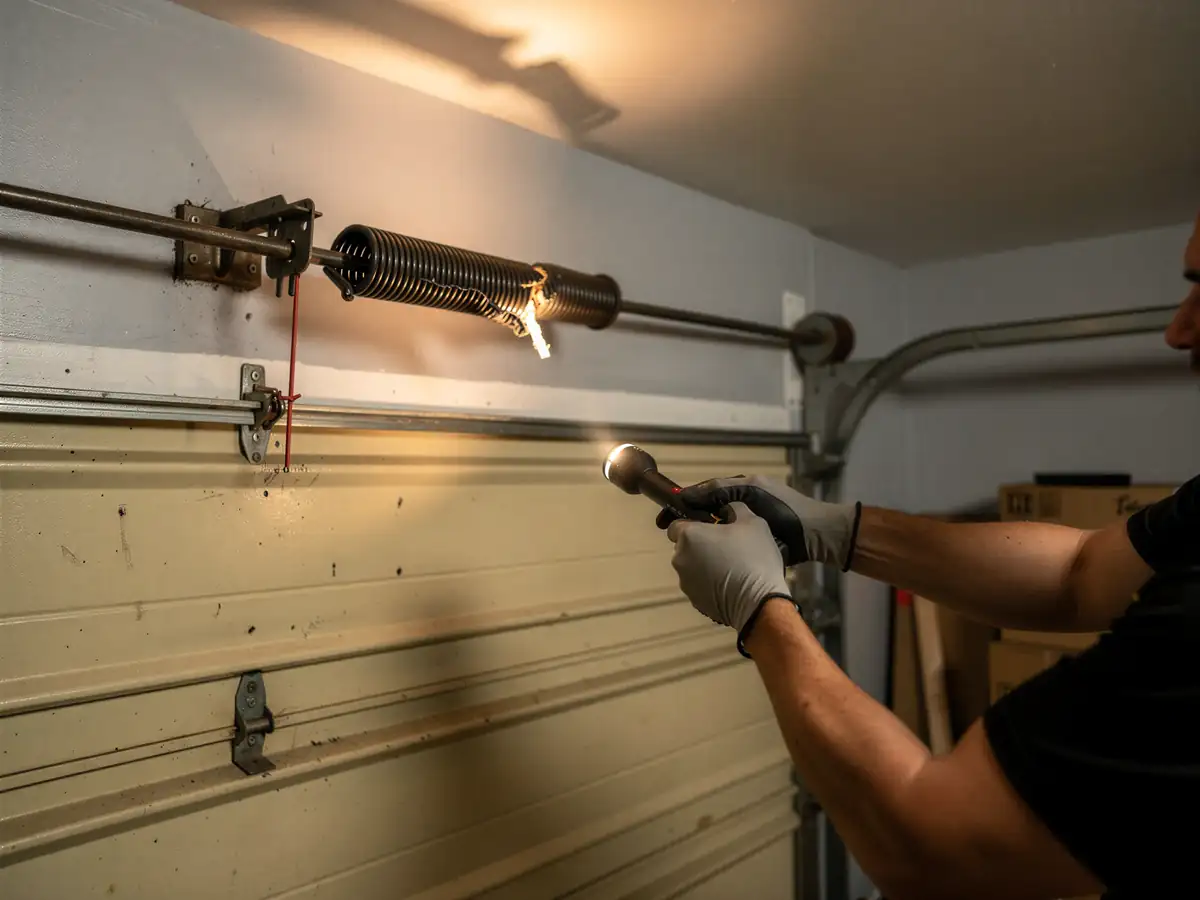
The most common call we get is a door that won't open at all, or one that opens a few inches and stops. Nine times out of ten that's a broken torsion spring - you'll often hear a bang from the garage before it happens, usually on a cold morning. Close behind that: an opener that runs but the door doesn't move, which points to a stripped gear or a cable that's jumped the drum. On older one-piece and sectional doors common in this area's pre-1960 housing stock, you'll also see panels that have started to sag or bow, because the original steel gauge wasn't built for 60-plus years of Michigan freeze-thaw cycles. If your door is noticeably heavier to lift by hand than it used to be, that's the spring losing tension before it actually snaps - worth a call before it fails on its own schedule, usually at the worst possible moment.
Why It Happens Here
This area sits in a severe cold climate band, and that matters more for garage doors than people expect. Steel contracts in the cold, lubricant thickens, and torsion springs that were already fatigued from age lose the last bit of flex they had - that's why failures cluster hard in the first real cold snap of the season, not randomly through the year. Combine that with housing stock where the median build year is 1958, across 39 named areas that are mostly pre-1960 construction, and you've got a lot of doors running original or near-original torsion hardware that was never rated for the decades of cycling it's actually done. A door that cycles twice a day for 60-plus winters in this climate is doing a different job than the same door would do somewhere mild. That's the honest reason spring failure and opener strain show up here more than a glossy brochure about garage doors would suggest.
Doing It Yourself
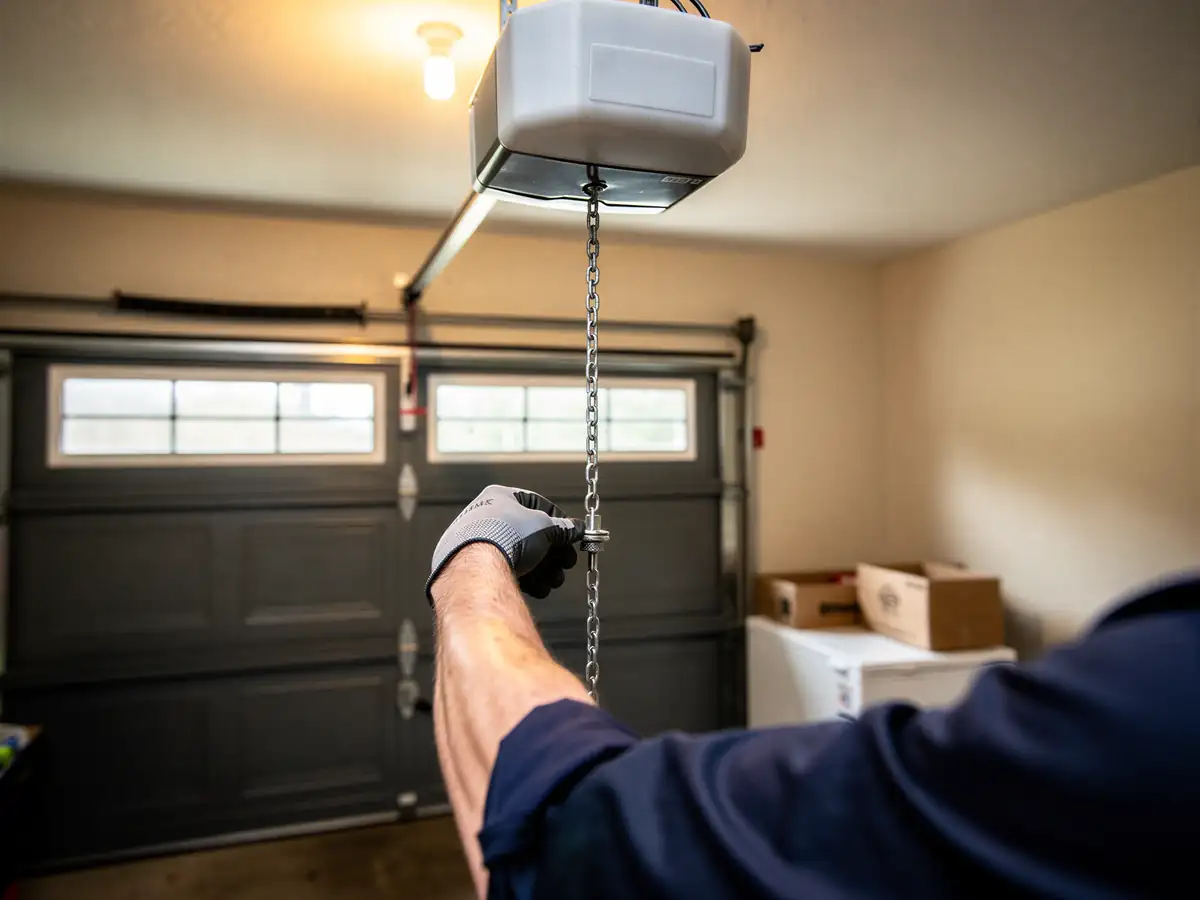
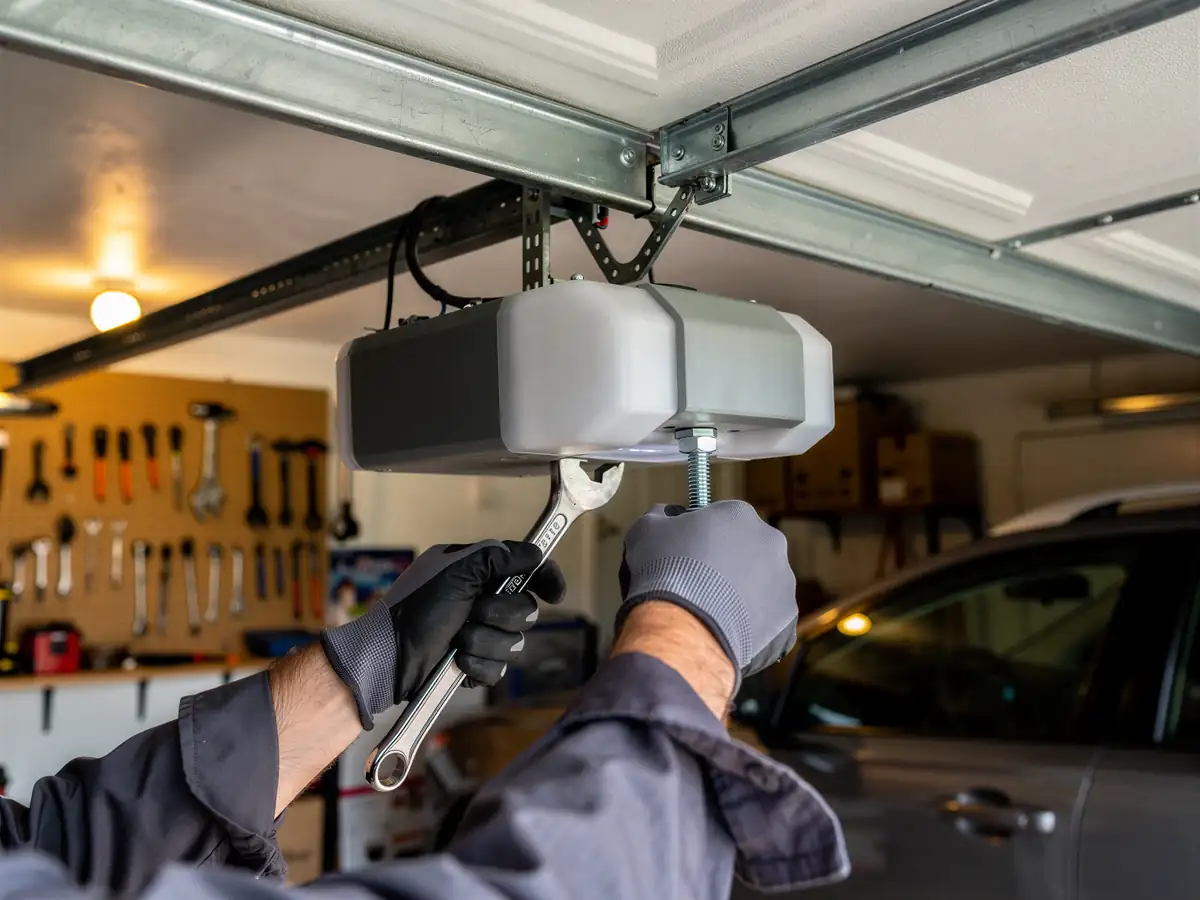
There's a line between what's reasonable to handle yourself and what isn't, and torsion springs are on the wrong side of that line - they're under enough tension to cause real injury, and we won't talk anyone through doing that at home. What you can do yourself: check that the track bolts are tight, clear debris from the track, and listen for the door getting louder or heavier over a few weeks rather than failing suddenly. If your opener is original to a house built in the 1938-1958 range, replacing a worn gear kit yourself is possible but parts availability on older models is a real limiter - sometimes the honest move is a new opener rather than chasing a part for a 40-year-old unit. If the door won't budge, don't force it with the opener; that's how you turn a spring job into a track and panel job.
How it works
From “it’s stuck” to “it’s fixed”
A quick, honest process - no guesswork and no surprises.
1
Tell us what’s wrong
Describe the symptom - won’t open, loud bang, opener runs but the door won’t move.
2
On-site diagnosis
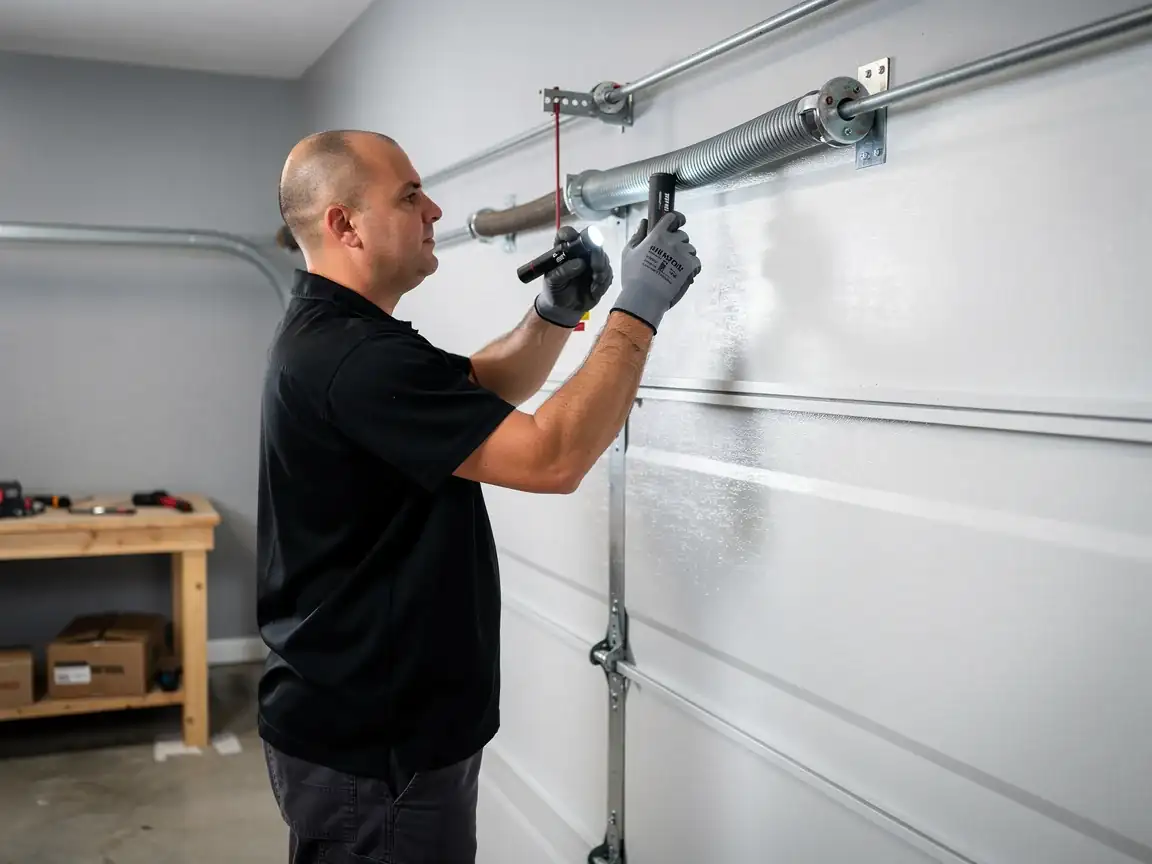
A technician tests the door under power and by hand and finds what actually failed.
3
Clear, up-front plan
You get the fix that’s needed and what drives the cost - before any work starts.
4
Repaired & tested
The repair is done, the door is set true and tested, and the work area left clean.
Next step
Not sure which repair your door needs in Sterling Heights, MI? Describe what it’s doing - every job starts with a diagnosis.
Why did my garage door spring break in cold weather?
Cold makes steel more brittle and less forgiving of the fatigue that's already built up from years of cycling. In this climate band, a spring that was already near the end of its life often picks the first hard freeze to finally let go - it's less about the cold causing damage and more about it being the final straw.
My house is from the 1950s - does that affect the repair?
Often, yes. A lot of homes in this area were built in that era, and some still run original or early-replacement torsion hardware. That older hardware doesn't always match current stock parts, so a repair sometimes turns into a full spring or track assembly swap rather than a single part replacement.
Is it ever not worth repairing the door?
Sometimes. If the track is badly bent, the panels are sagging from age, and the opener is also failing, patching each piece separately can cost more over time than replacing the unit. We'll tell you straight if that's where your door is instead of running up a repair bill.