This Area's Housing
Birmingham sits about a year or two past the regional median
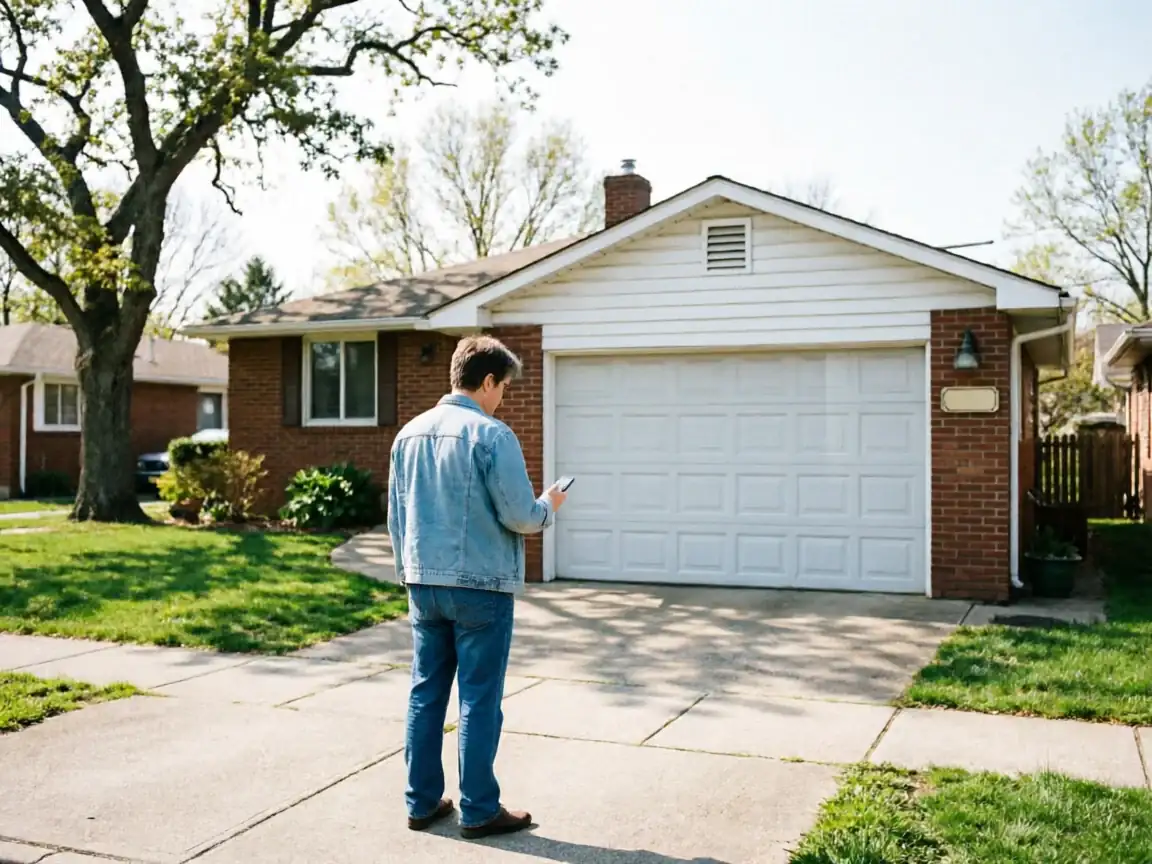
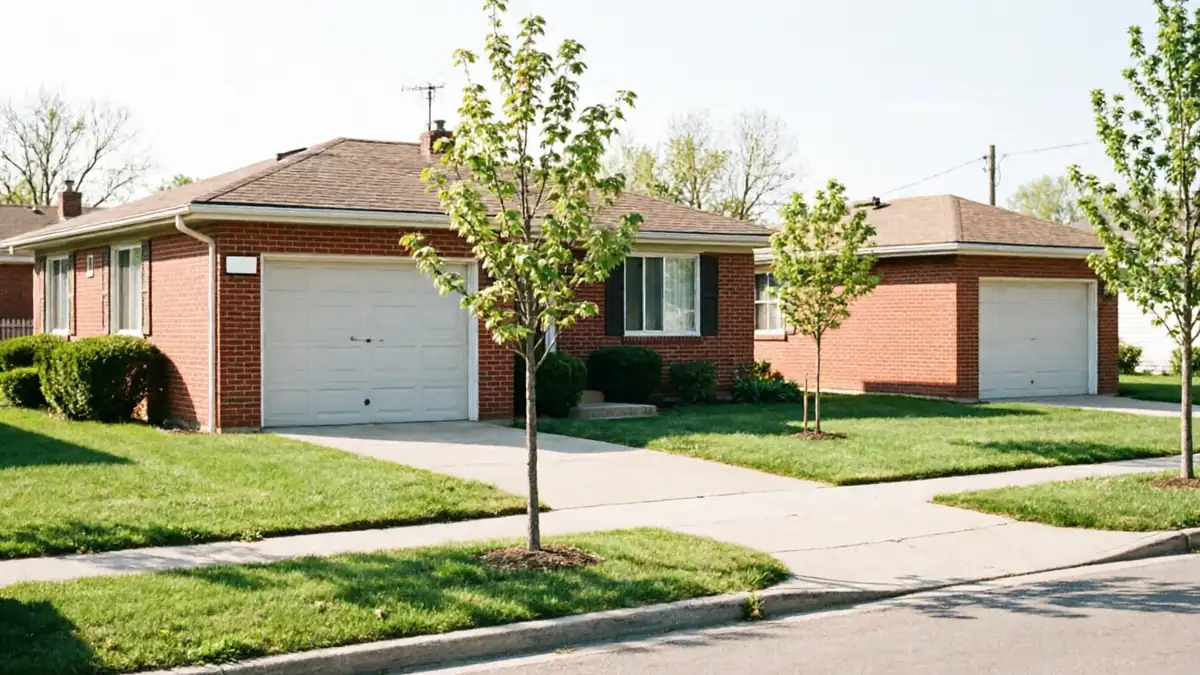
Across the wider service area, most houses went up before 1960, but Birmingham's own median build year lands right at 1960 - a neighborhood that was mostly finished by the time a lot of surrounding towns were still filling in lots. With 9,326 households here, it's a smaller, tighter market than the service area as a whole, which runs 275,838 households across 39 named communities.
The income picture matters too
Median household income in Birmingham runs $153,125, well above the $97,027 median for the broader area. That gap shows up in the driveway: more detached garages built to spec rather than retrofitted carports, more doors replaced on a planned cycle instead of run until failure, and more owners who've already swapped out the builder-grade opener once.
None of this means the doors are new
A house built in 1960 is 65 years old. The garage door on it has probably been replaced at least once, maybe twice, but the track mounting, the header clearance, and the framing around the opening are still original to a 1960s build - and that's the part that decides what repair options are actually on the table.
- 65 years
What That Means for Doors
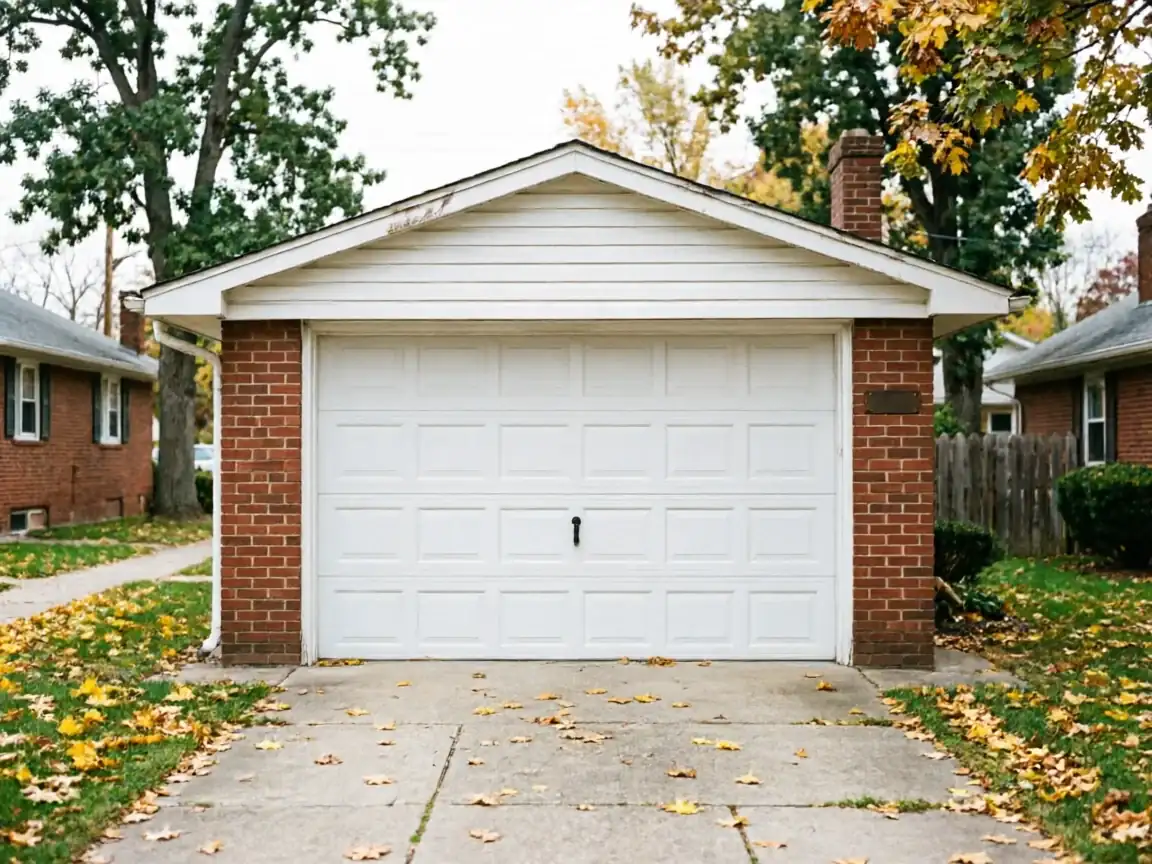
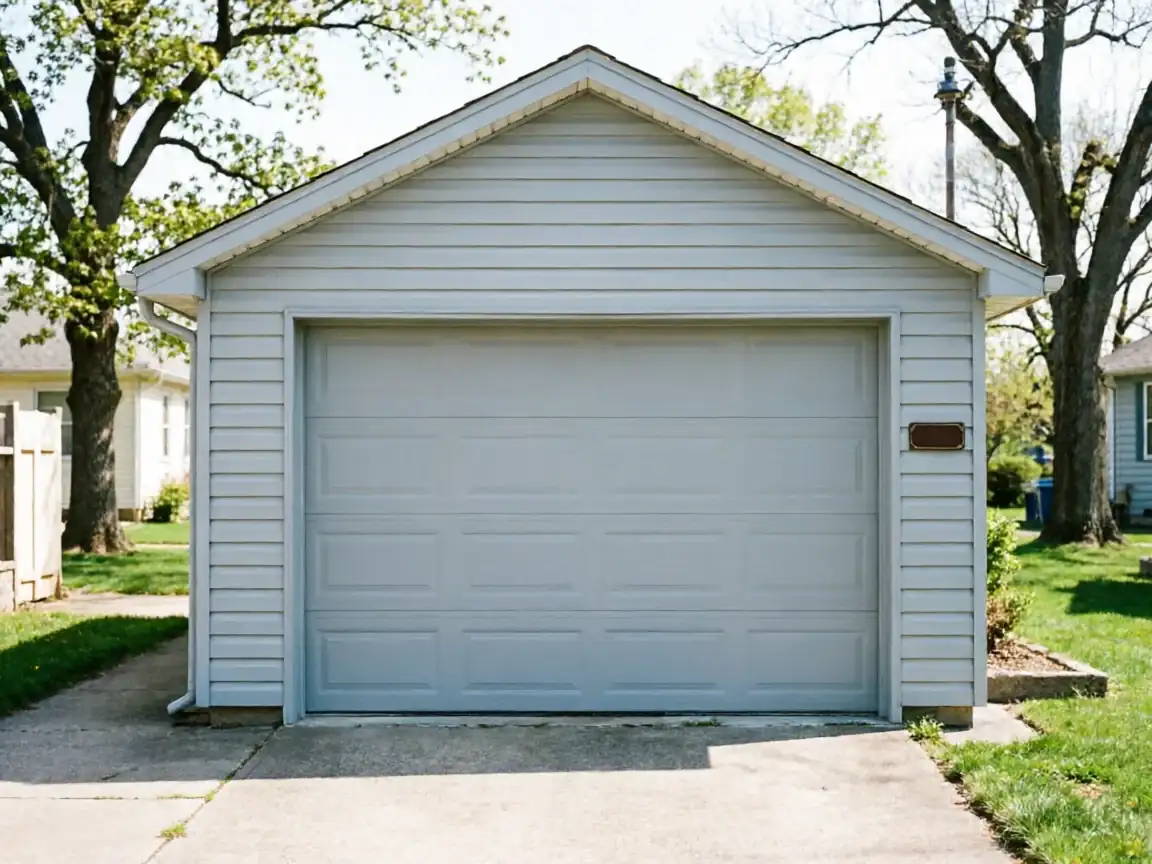
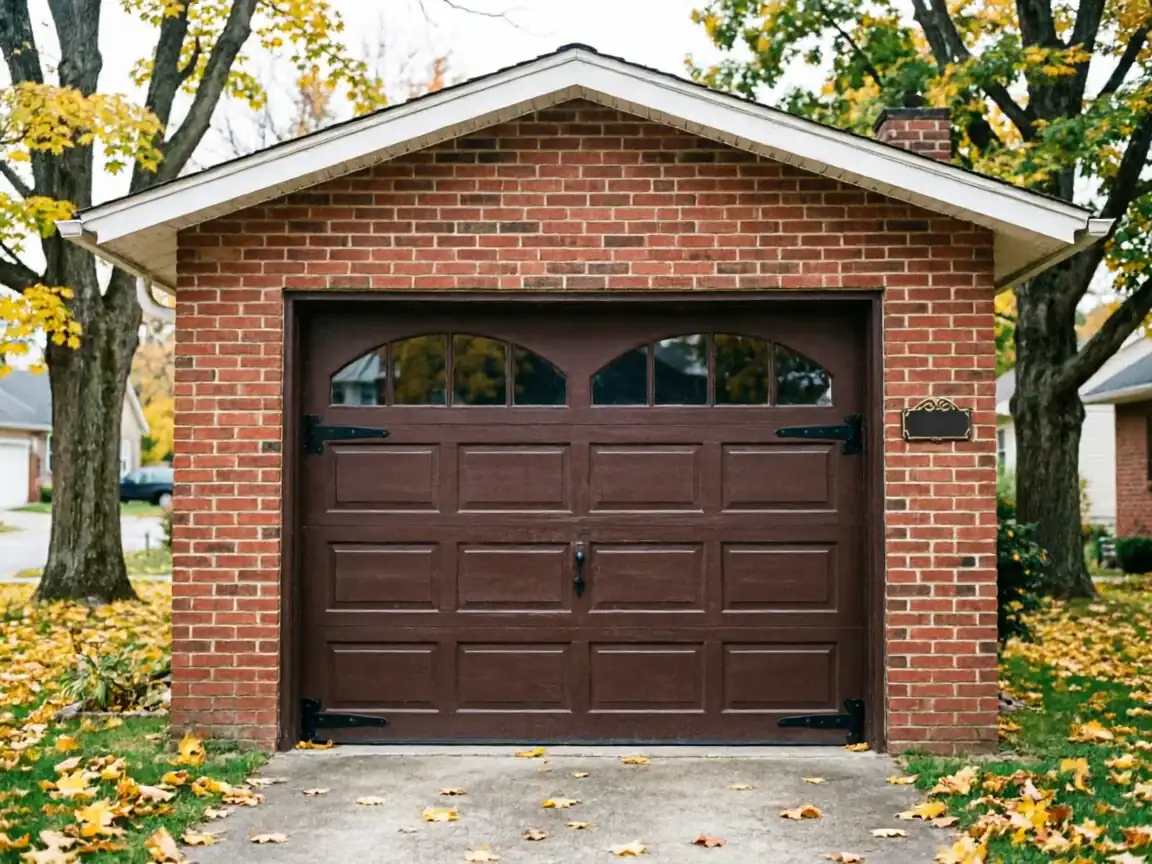
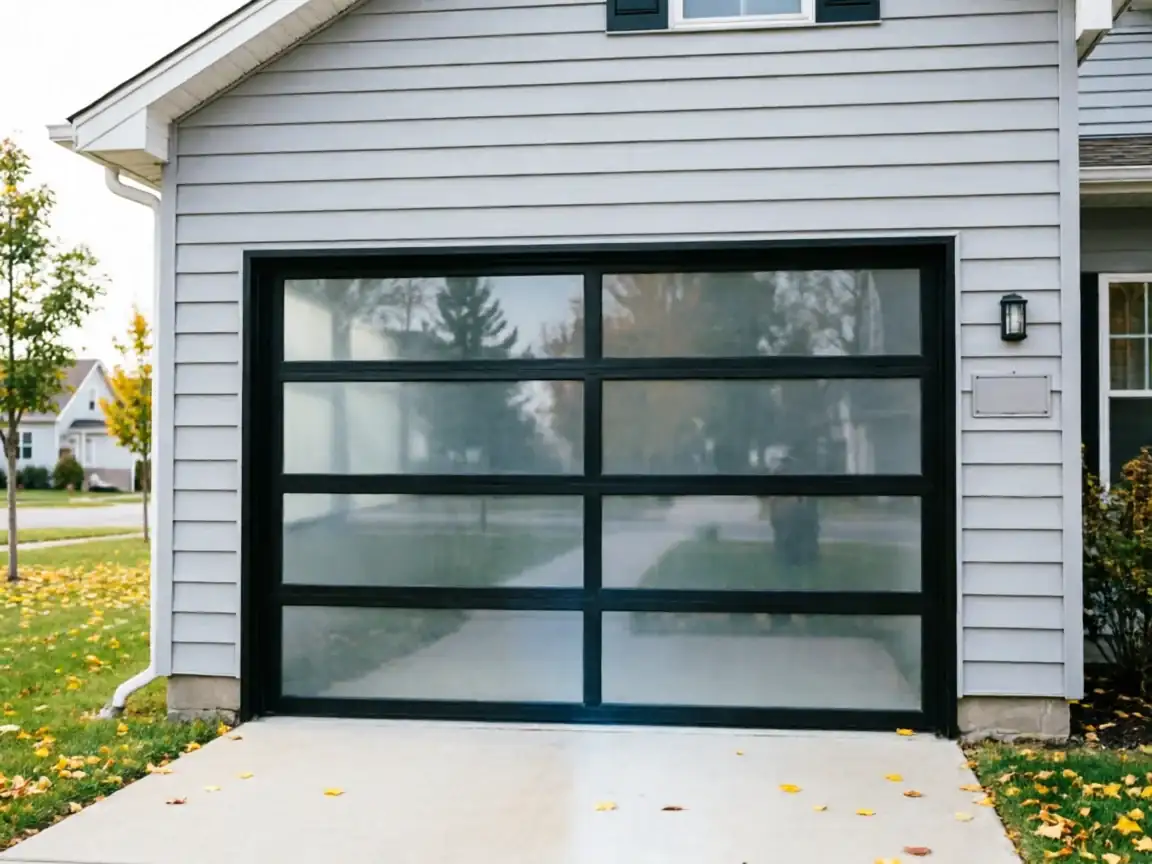
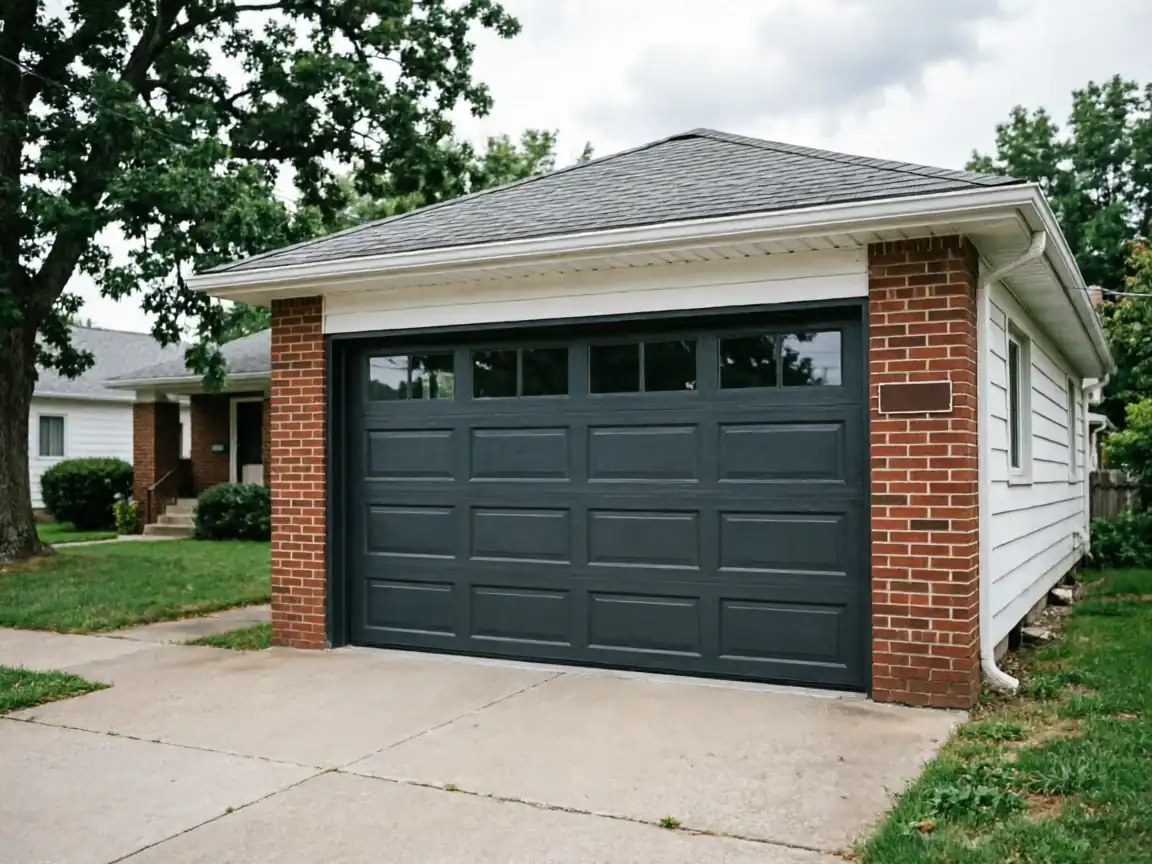
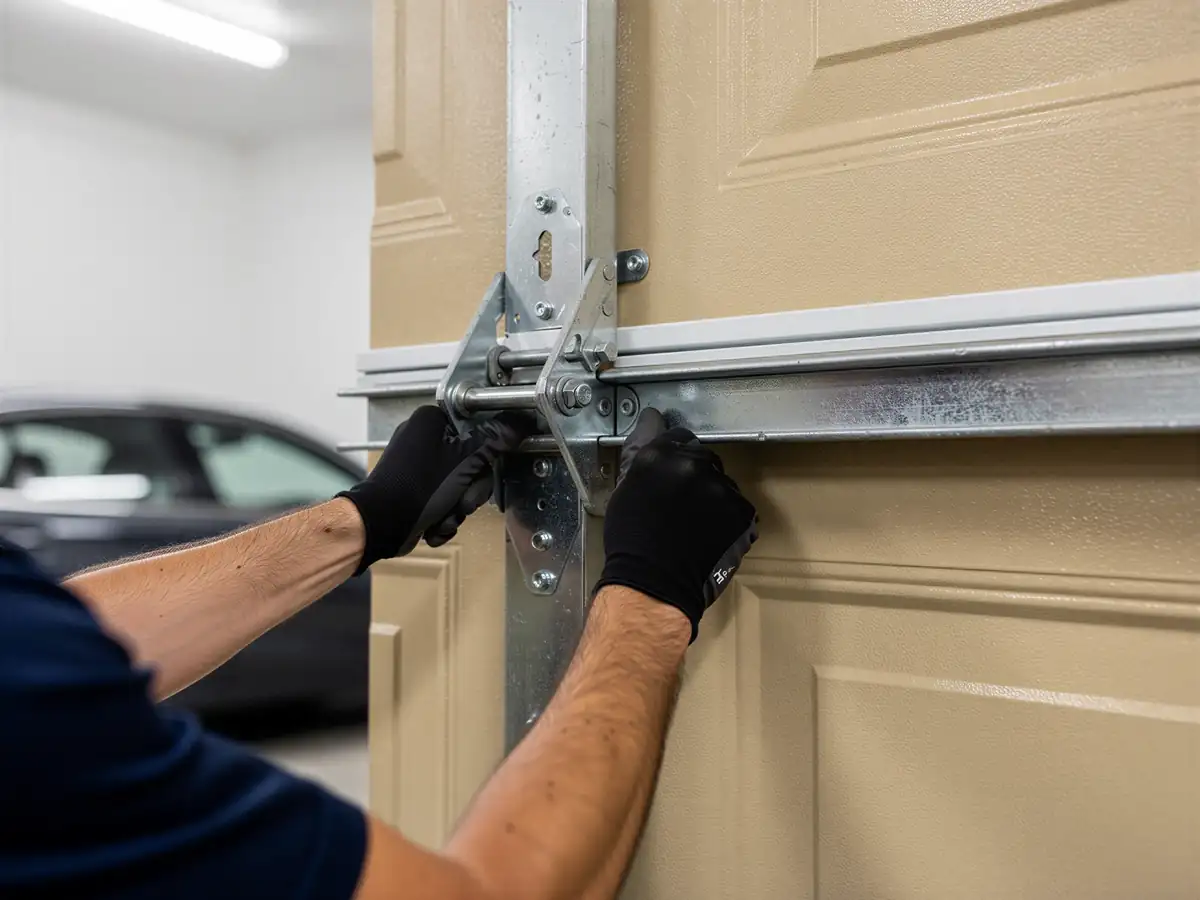
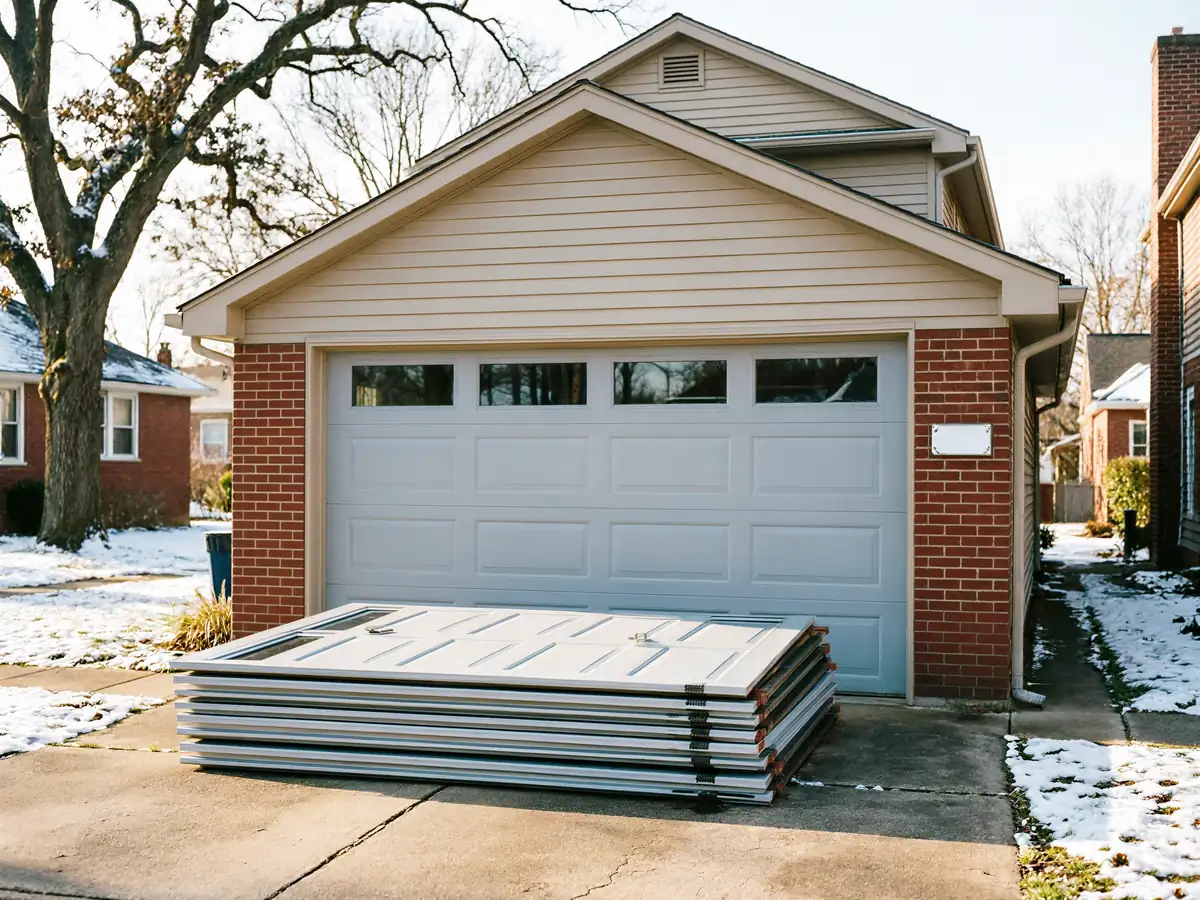
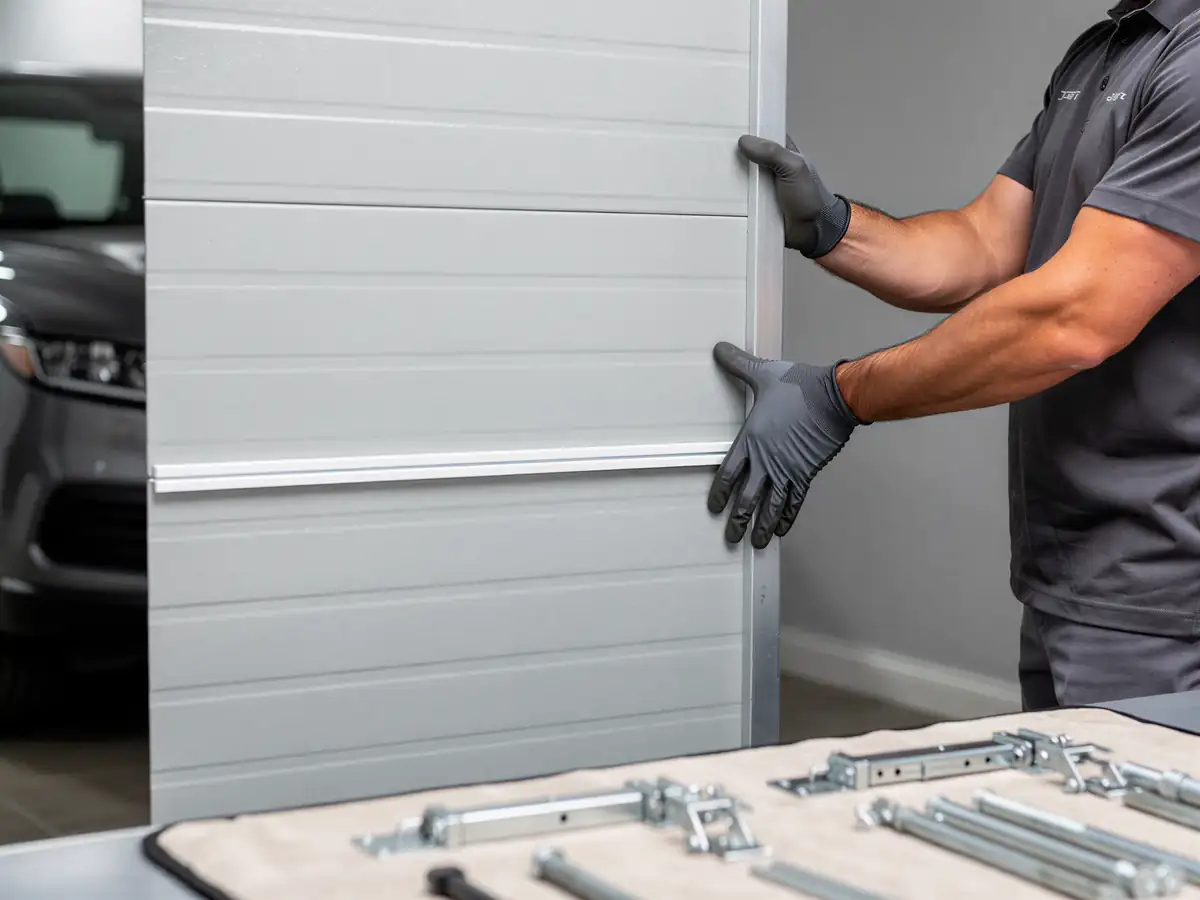
A 1960-era opening in this part of Michigan was usually framed for a single-layer wood door on a basic extension or early torsion setup - narrower headroom, lighter-duty jamb brackets, less tolerance for a heavier insulated steel door than the original spec called for. When a homeowner here upgrades to a thicker insulated door, which is common given the income level and the age of the housing, the spring sizing and the jamb hardware both need checking, not just the door itself.
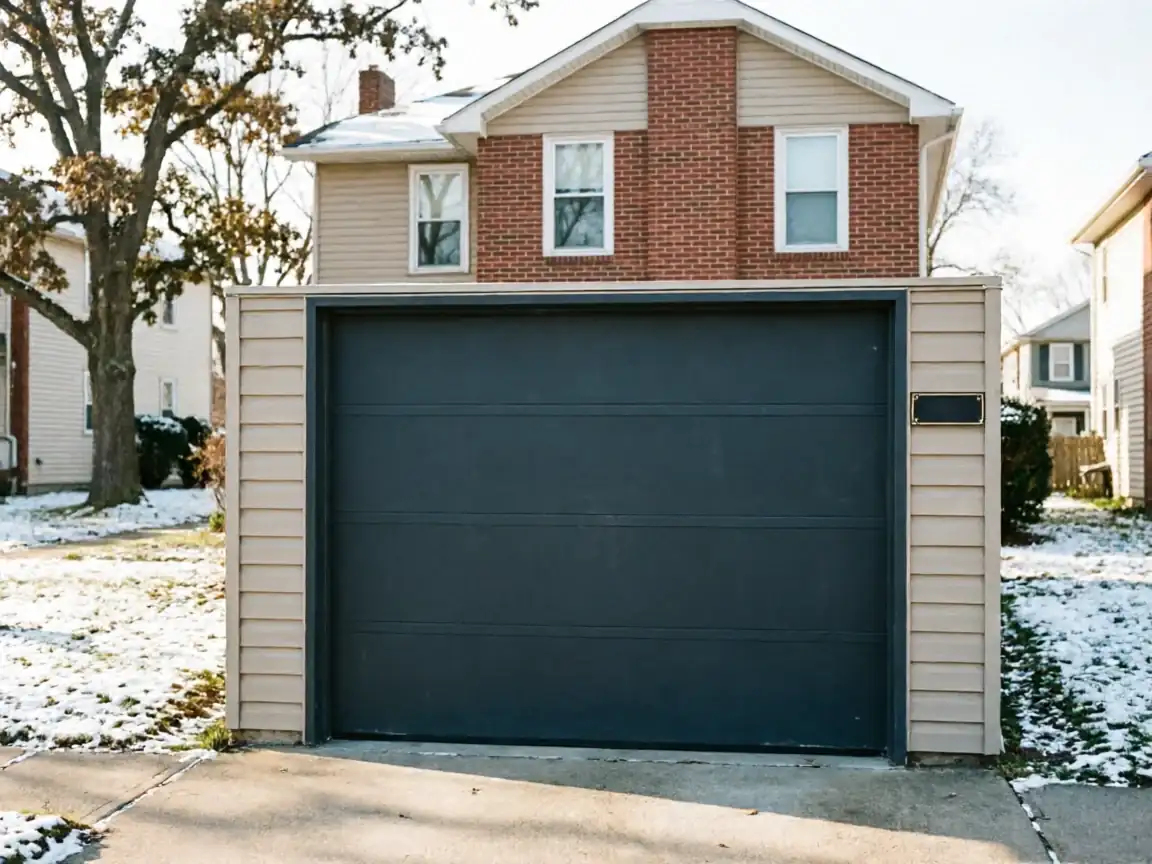
The climate is the other half of it. This region sits in a cold-severe climate band, and a door built or hung in 1960 wasn't engineered for today's insulation expectations or for the freeze-thaw cycling on original wood jambs. Cold makes steel springs more brittle and nylon rollers more likely to crack, and on an opening this old, the jamb itself can have shifted enough that a new door won't seat square without some shimming first.
What we don't do: reframe an opening. If the jamb has rotted or shifted past what shimming can fix, that's carpentry work, and we'll tell you straight rather than force a door into a bad opening.
How We Get to You
We run out of Sterling Heights, about 10 miles from Birmingham. That's a straight run down through the inner suburbs - not a detour, not a special trip. We don't keep a depot in Birmingham and we're not going to claim otherwise, but the distance is short enough that it doesn't change how we schedule or price a job here versus closer to home.
We load the truck based on what the call tells us: torsion springs sized for an older opening, standard opener parts, the usual roller and cable stock. For anything specific to a 1960s jamb - odd bracket spacing, non-standard header height - we may need to confirm measurements before the truck leaves, since those openings weren't all built to one template the way later subdivisions were.
What We Do Most in This Area
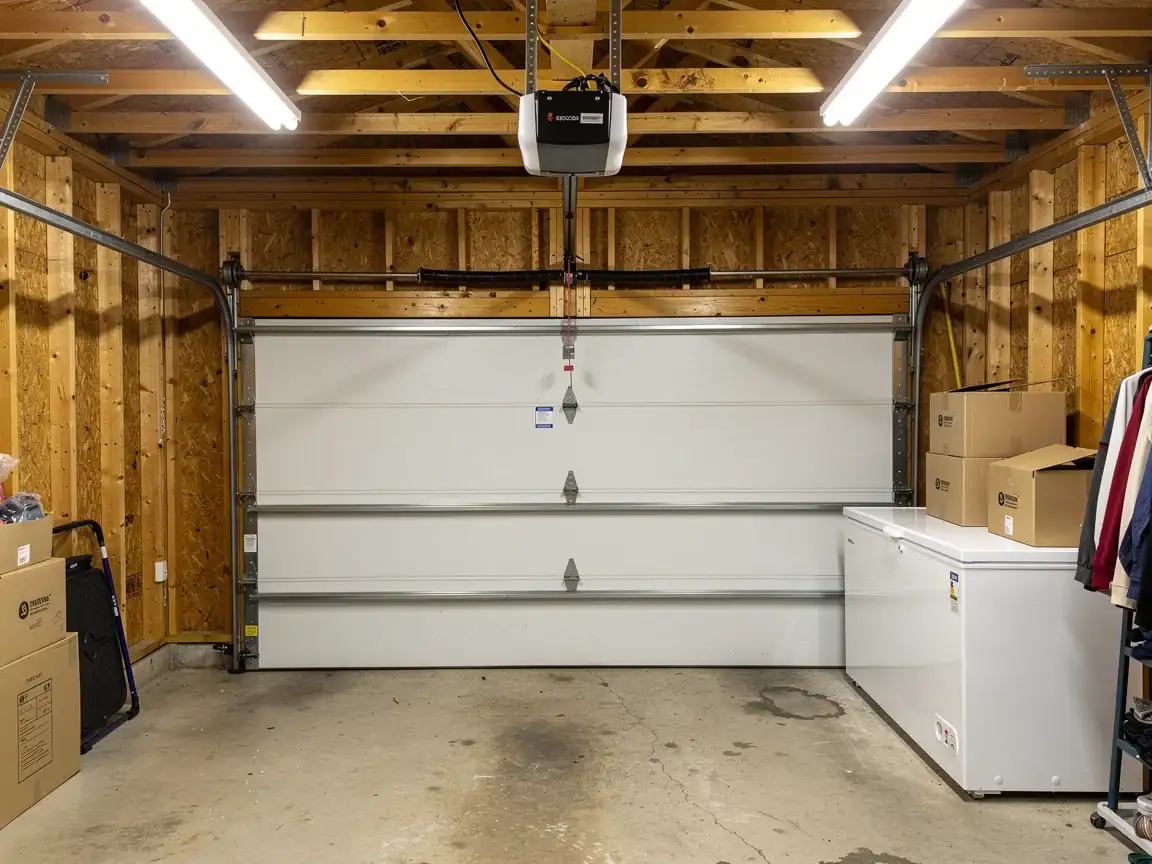
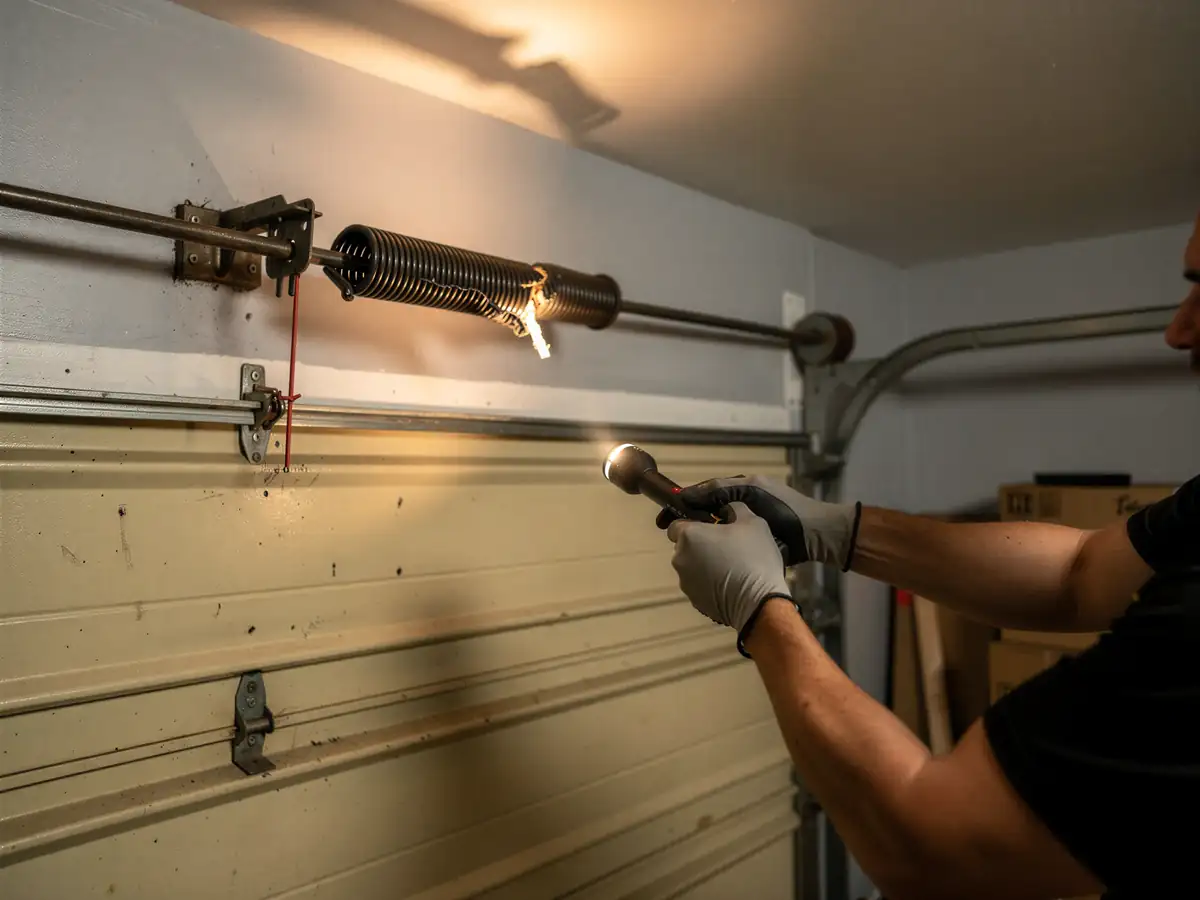
The most common call here is a torsion spring that's lived its full life
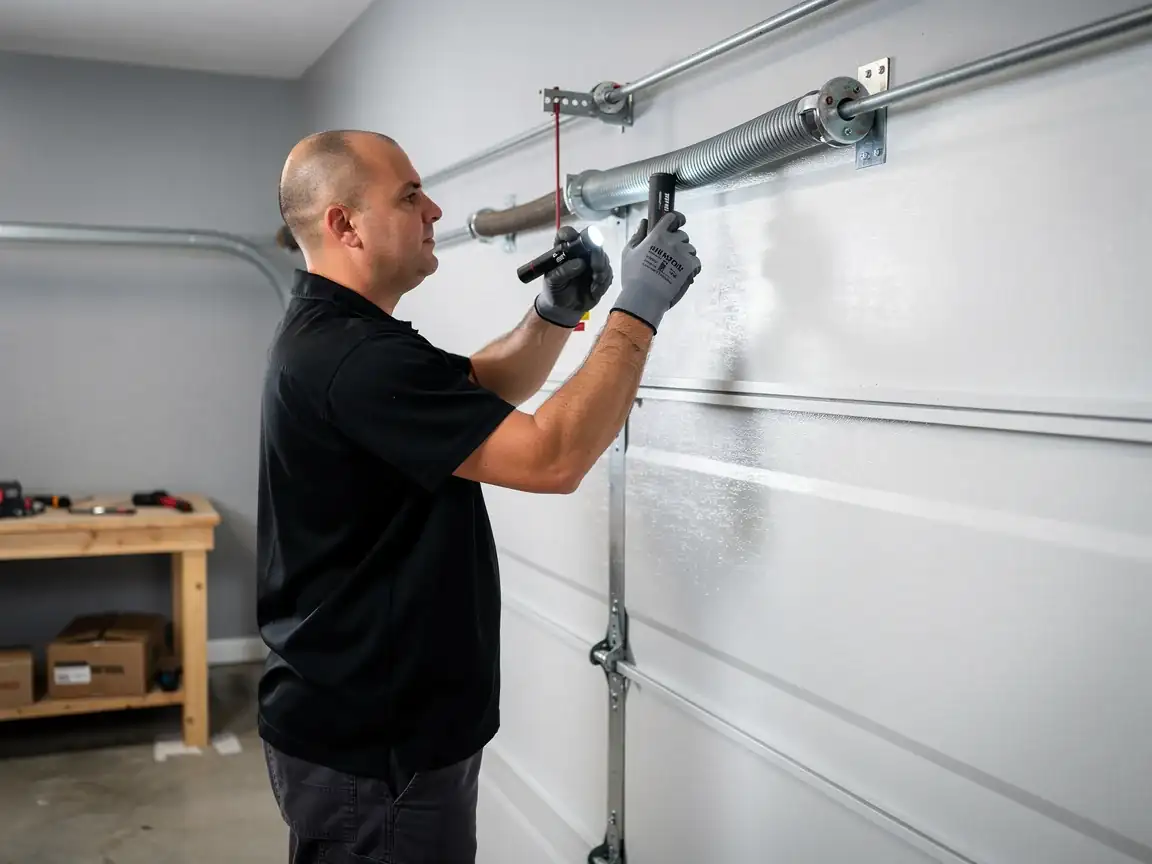
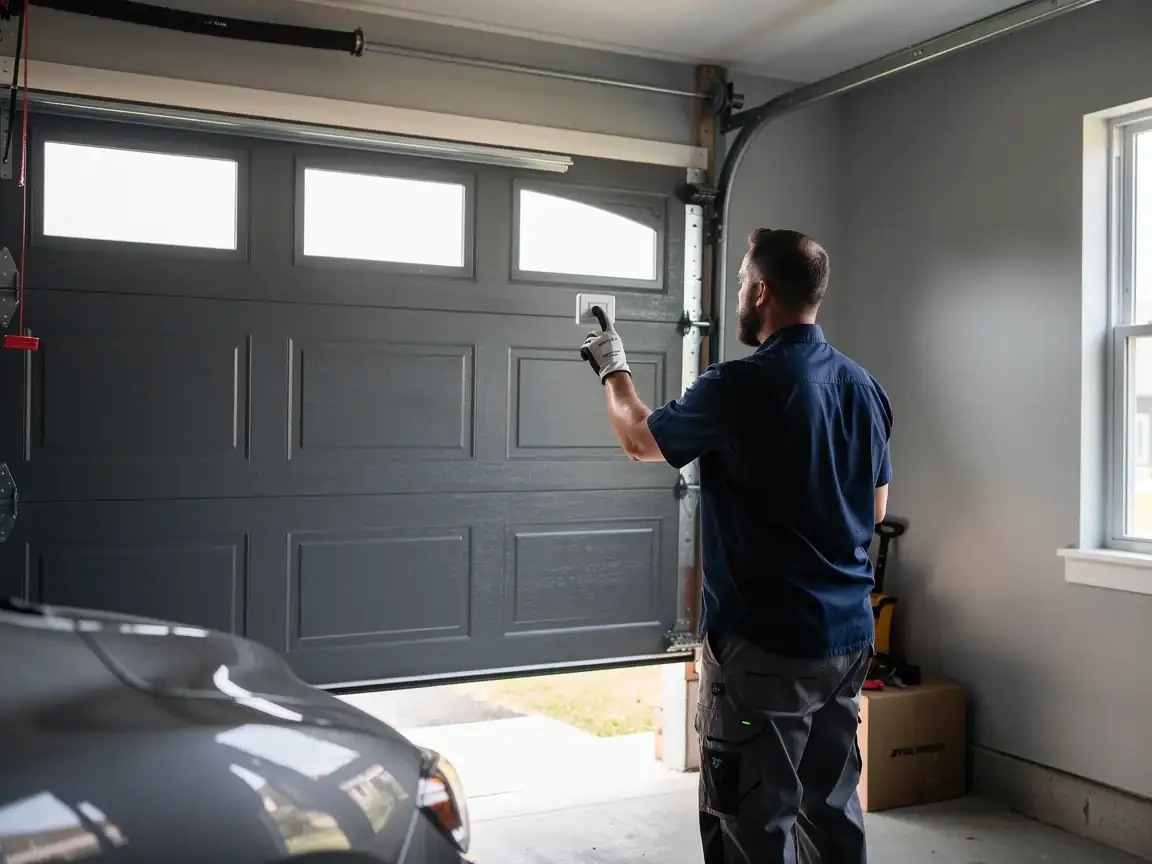
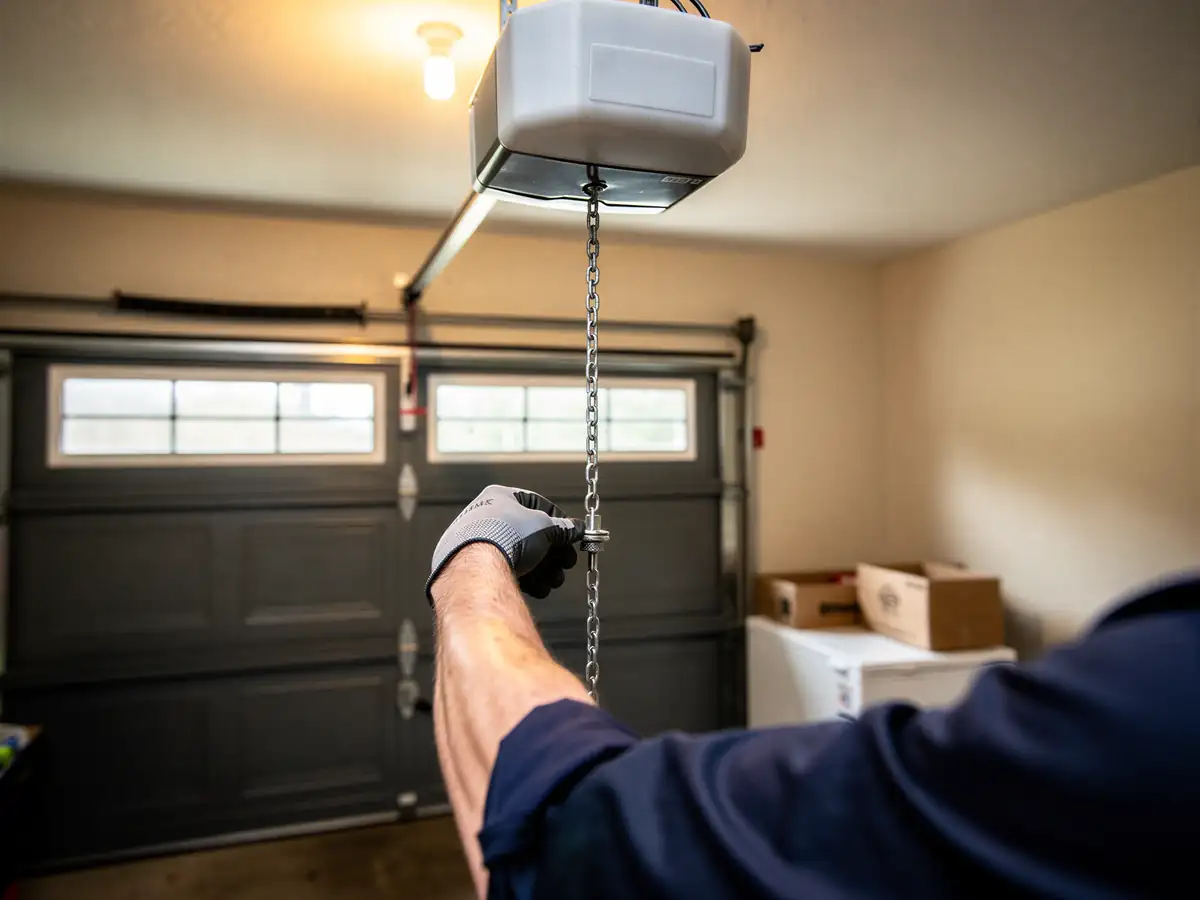
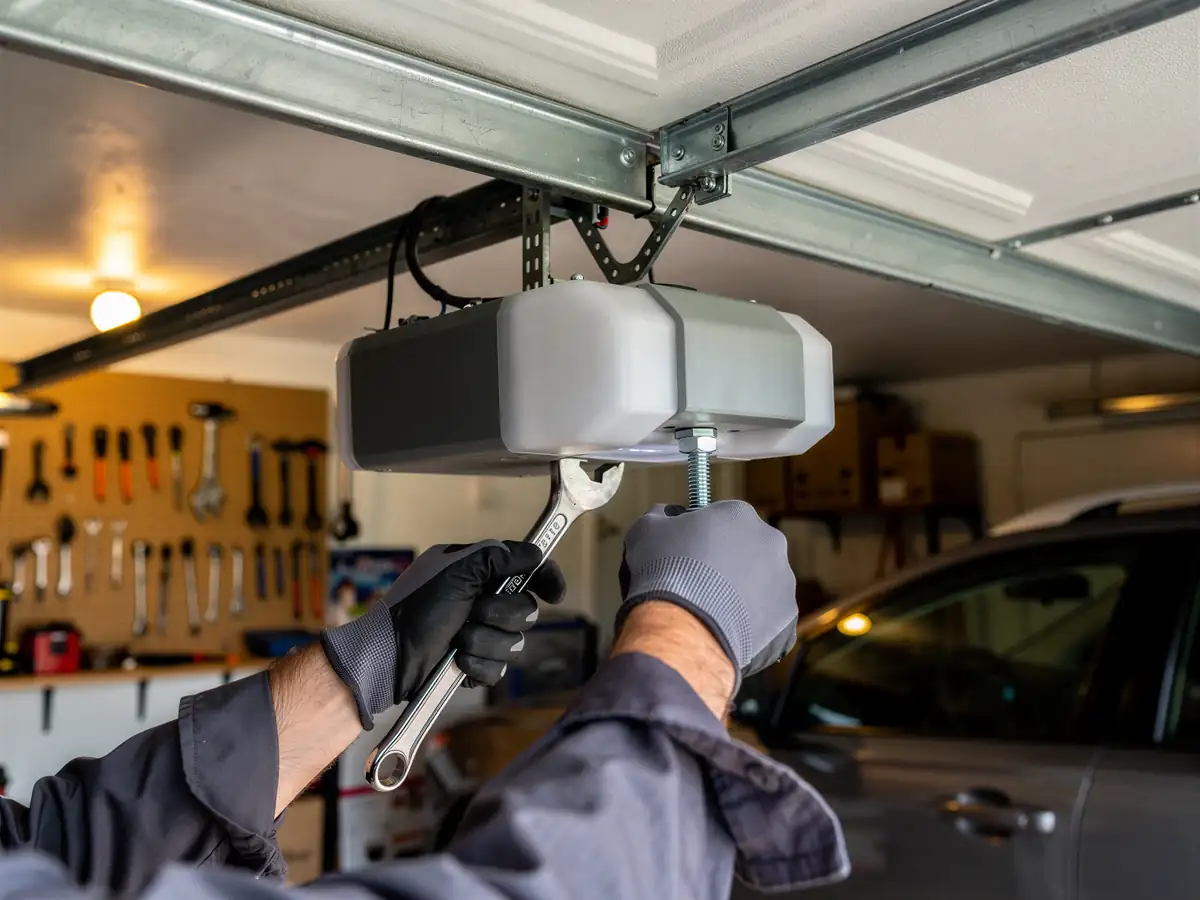
On a house this age, that's often the second or third spring that opening has seen. Close behind that: opener swaps, since a lot of Birmingham garages still have a chain-drive unit from a prior renovation that's now worn out its gears or its logic board.
Panel damage shows up less here than in some nearby areas
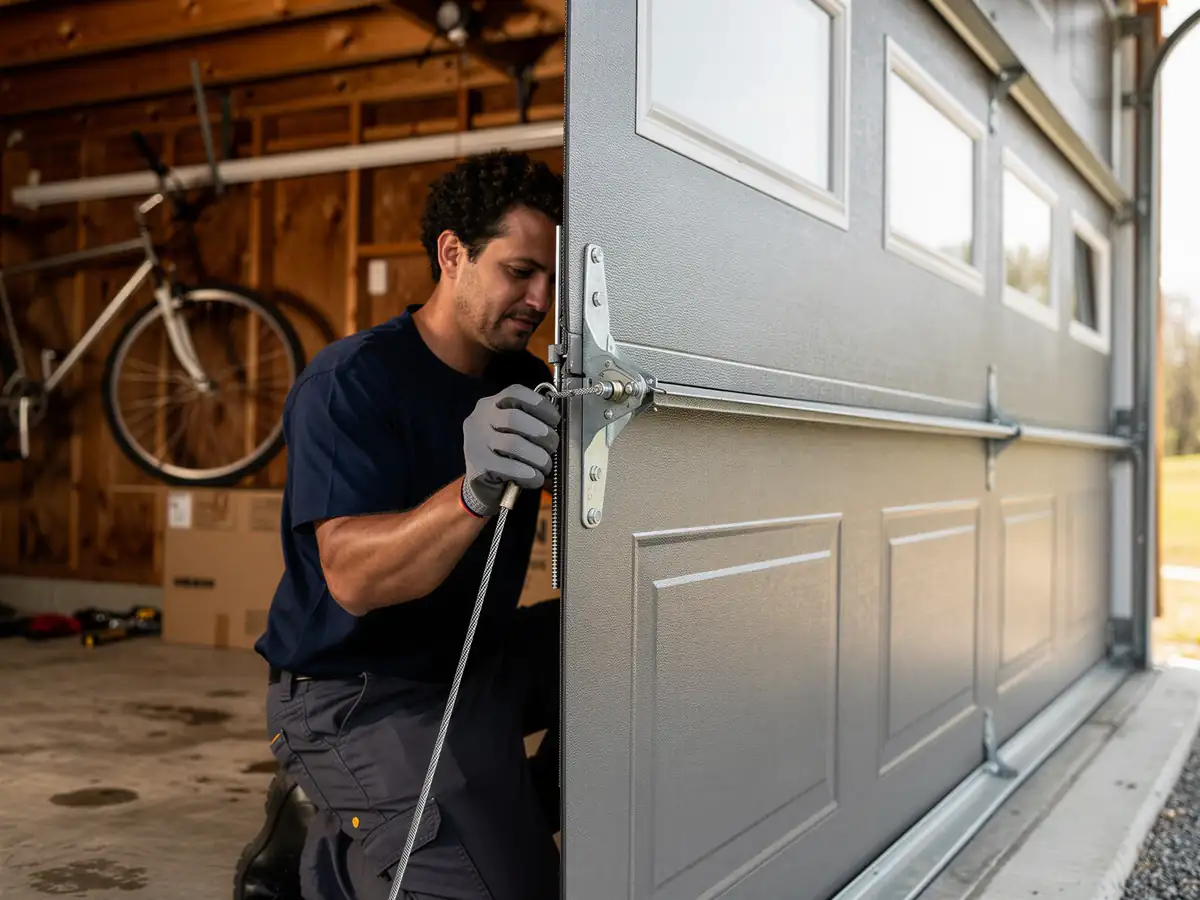
Tighter driveways in older plats mean less room for a car to clip a door, but it still happens. Roller and cable replacement on original or near-original track is a steady job too, since cold-season cycling is hard on both.
We don't push full door replacement unless the math says so
If the springs, rollers, and opener are the only things worn and the panel and track are sound, a repair is usually the right call on a door this age - a full swap only makes sense once the shell itself is failing.