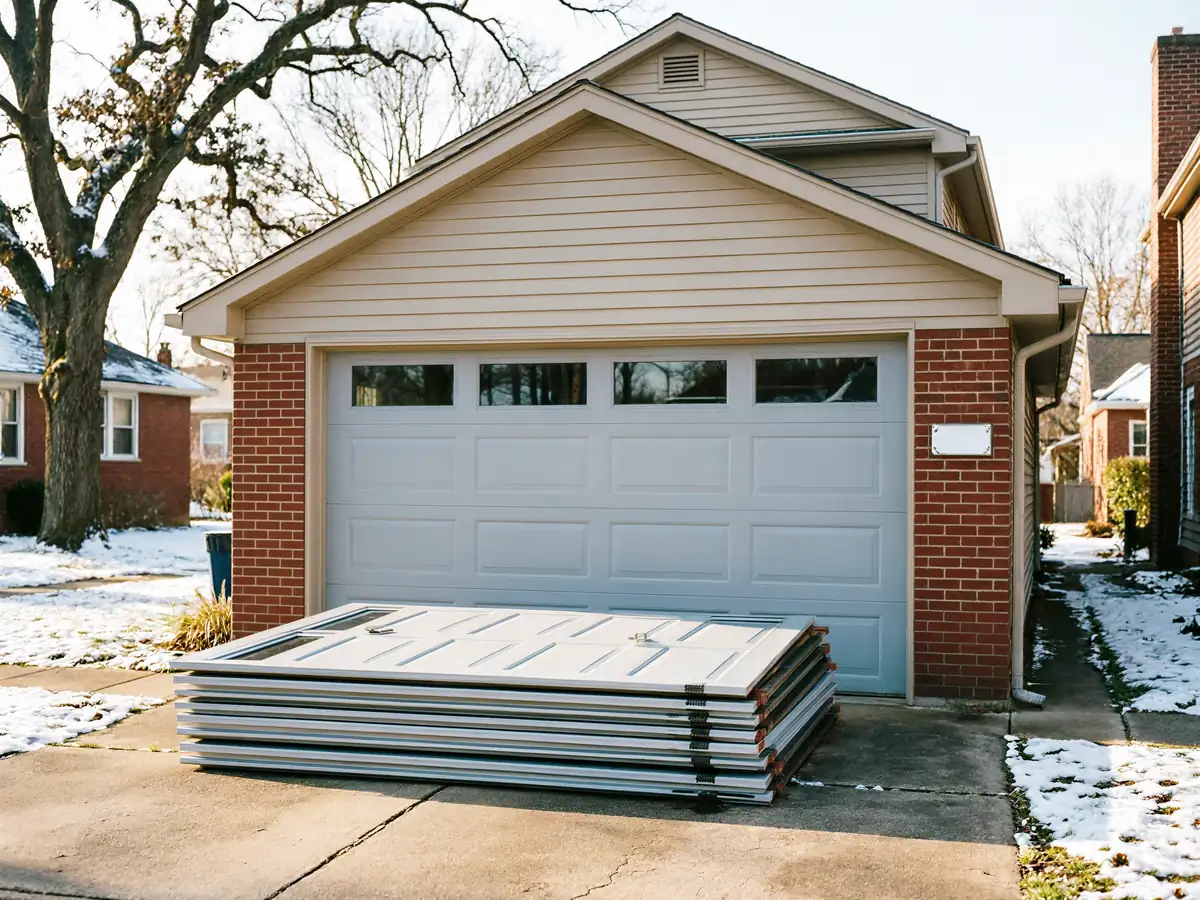
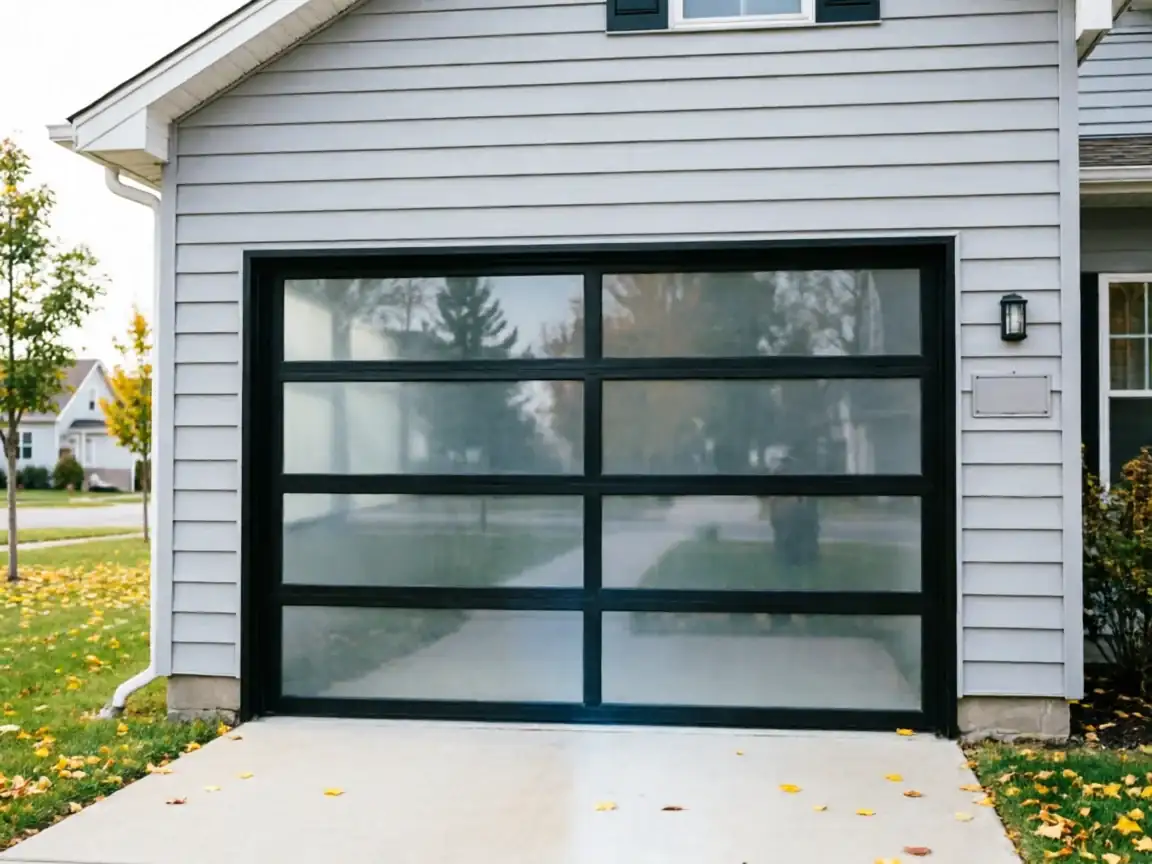
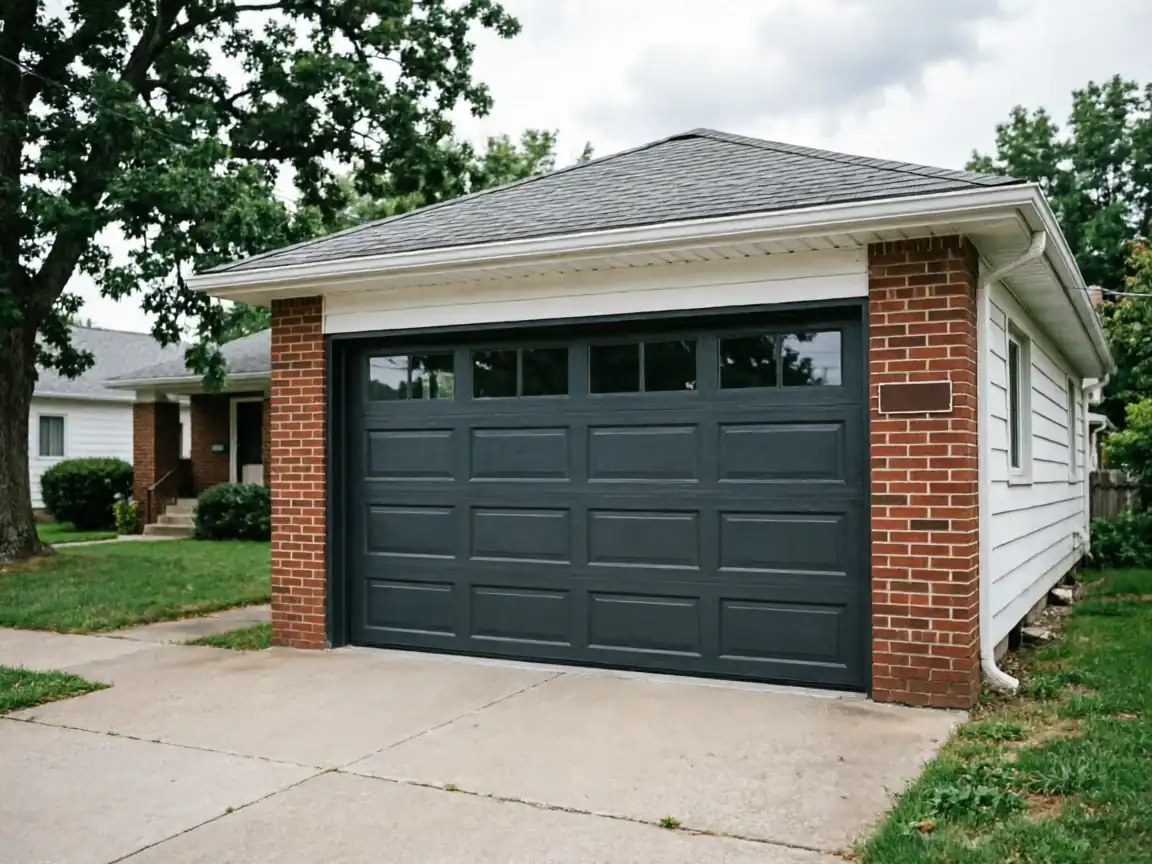
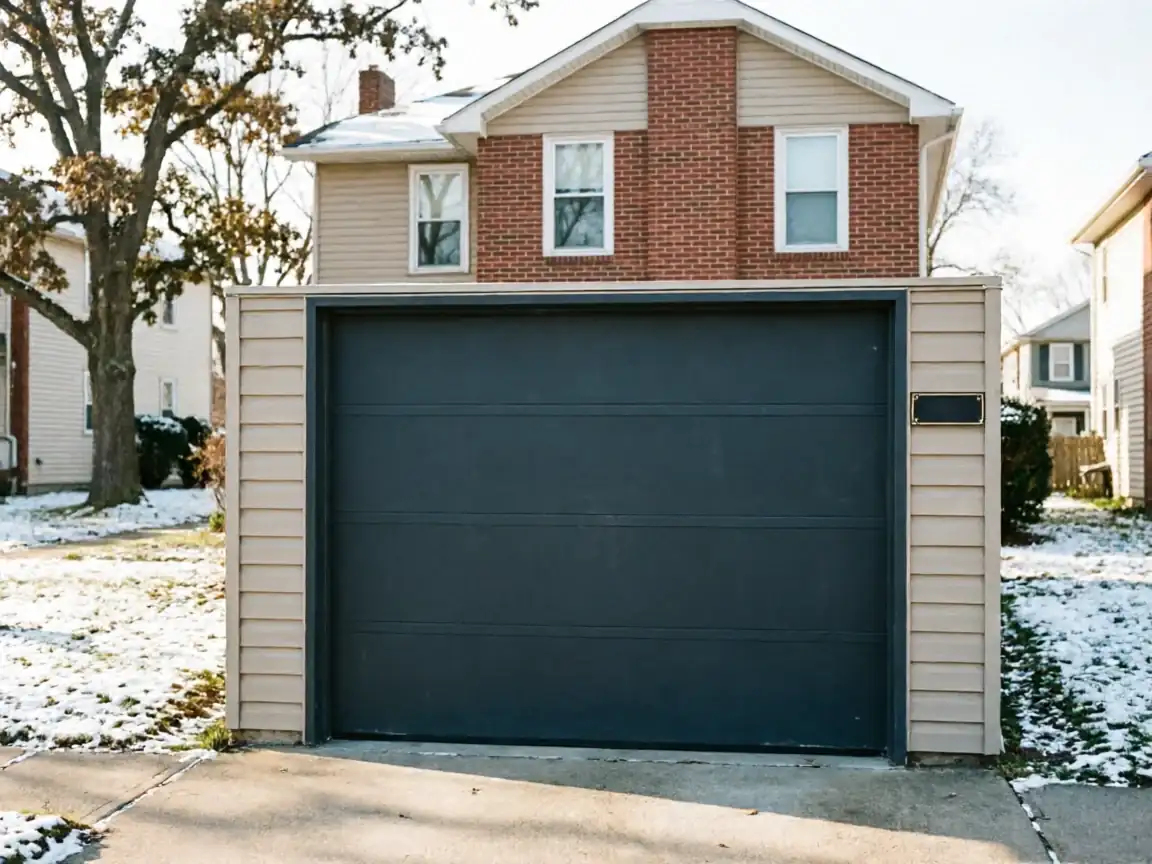
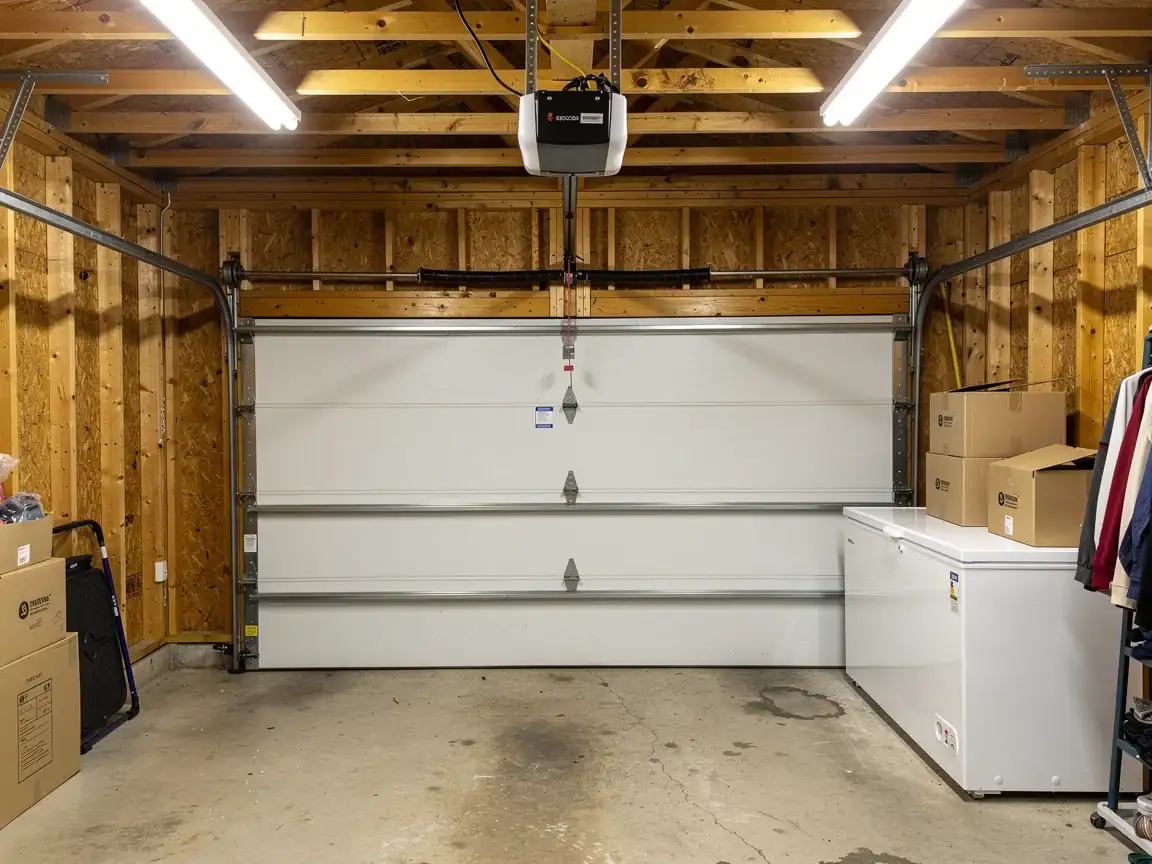
New garage door installs sized for Sterling Heights homes built 1938-2002, matched to severe cold winters and the original openings common across this pre-1960 housing stock.
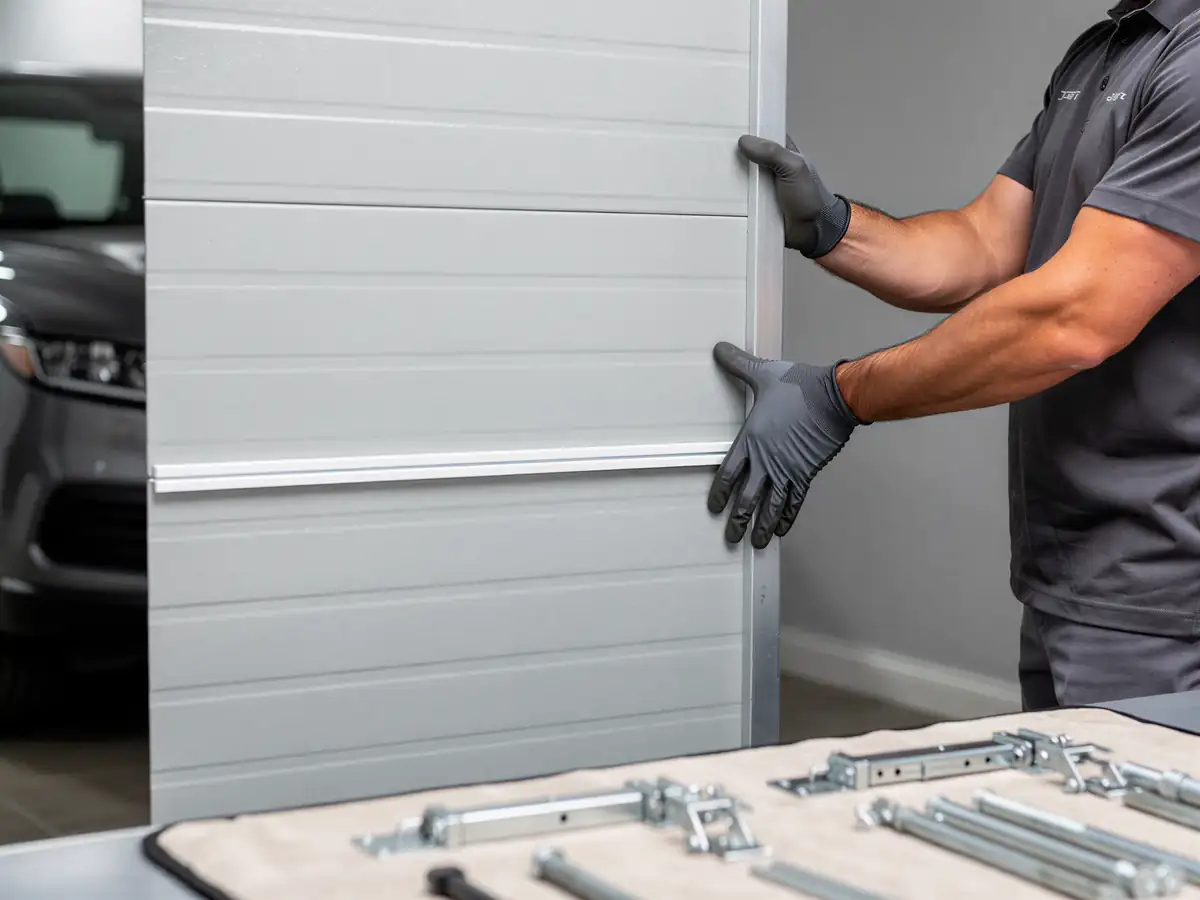
We can't post a number here that means anything until we've seen the opening. A single door on a house built in the 1950s often needs a different jamb treatment than a double door added onto a 1980s build, and that changes labor before we even get to the door itself. What we can tell you: the biggest cost swings come from insulation level, track type (standard lift vs. high-lift for taller ceilings), and whether the existing opening is square or has settled, which is common in homes from the 1938-2002 range that make up most of this area. Steel sectional doors with a polystyrene or polyurethane core cost more up front than a bare single-layer door, but in a severe-cold climate like ours that core is doing real work every winter, not just on the showroom spec sheet. We price after walking the opening and checking the header, jambs, and existing track condition - not off a phone call. If your opening is out of square by more than a small amount, expect a line item for carpentry before the door goes in.
How It Shows Up
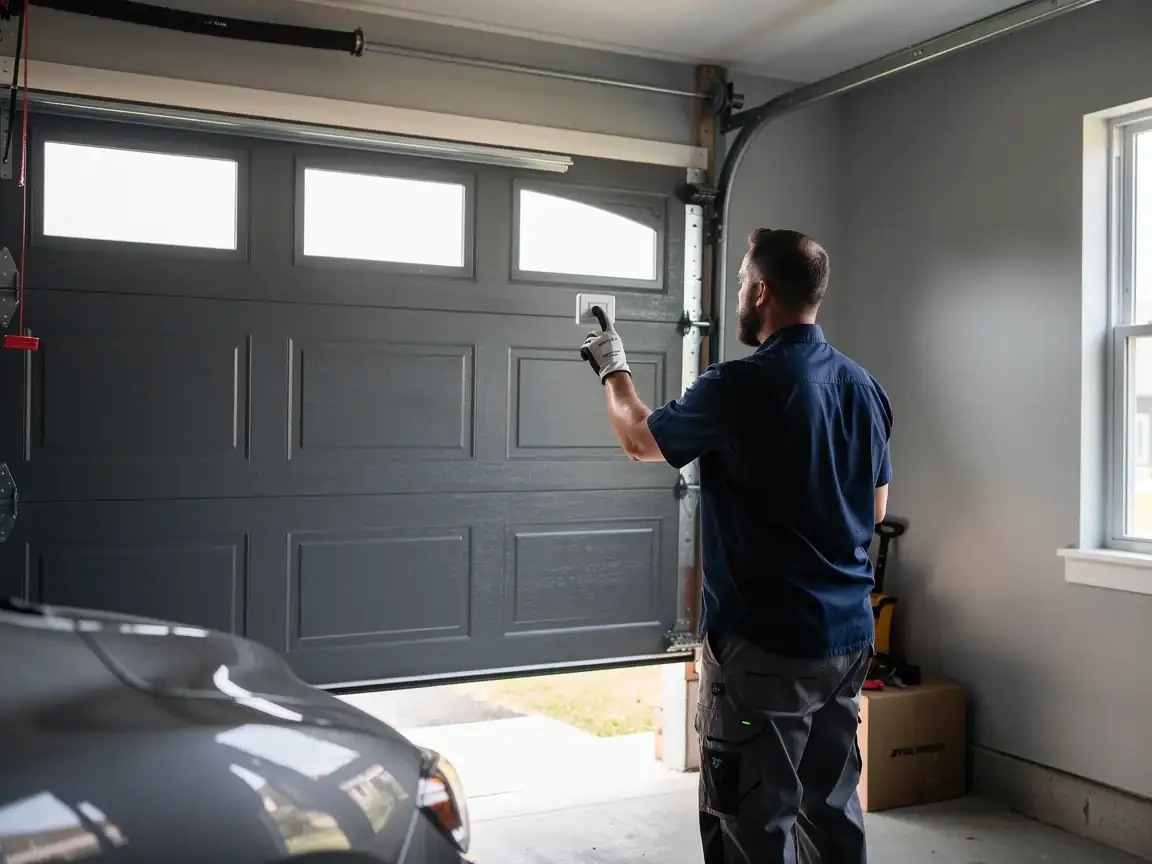
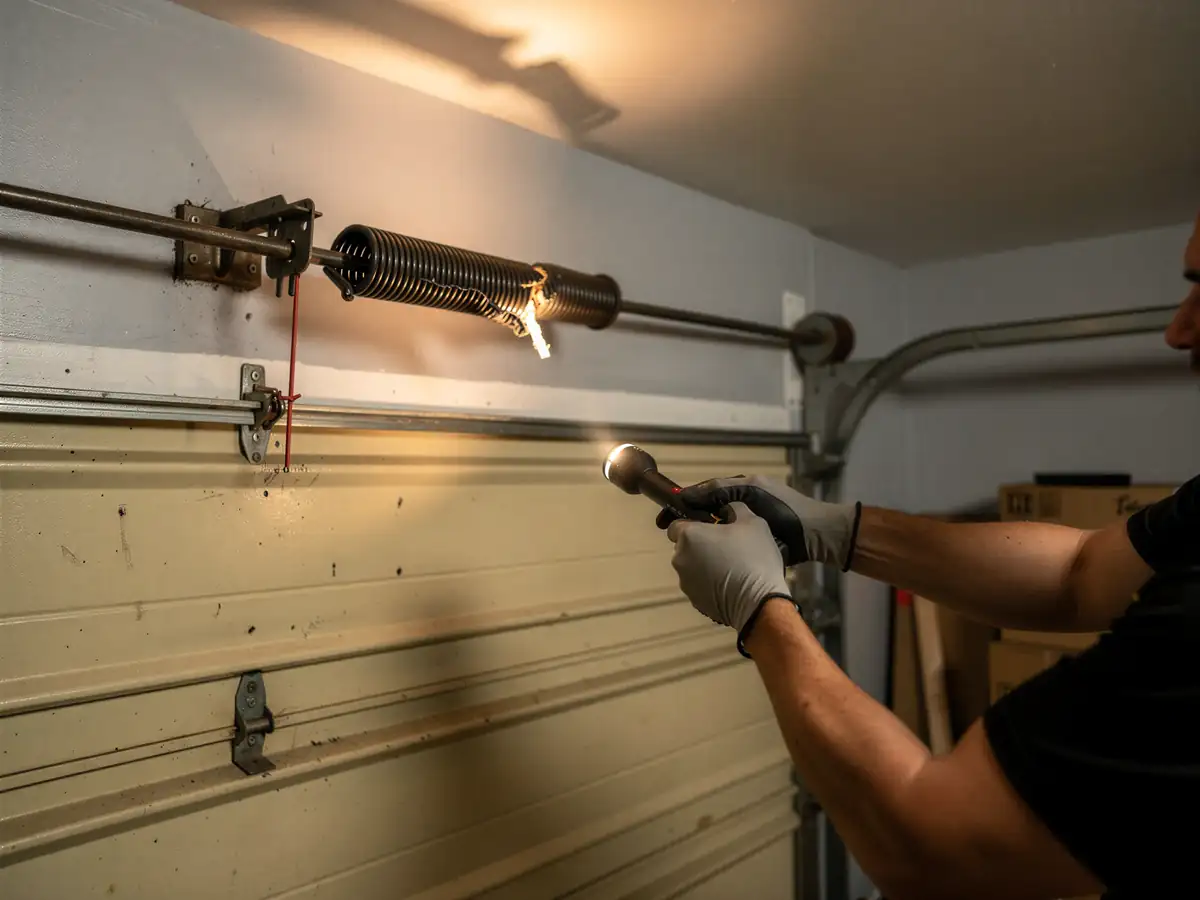
The call we get most on older homes in this area starts the same way: the door looks fine, but it's heavier to lift than it used to be, or it slams the last foot of travel instead of settling. That's usually a spring losing tension, but on a house built before 1960 it's just as often the door itself - a thin steel panel that's been flexing through decades of freeze-thaw cycles and has started to bow. You'll see daylight at the corners, a bottom seal that's cracked and stiff, or a panel that dents inward when you push on it. On newer construction in the same neighborhoods, the more common symptom is an opener straining against a door that was never matched to the opening's actual weight - installers sometimes used whatever stock door fit the rough opening rather than one rated for it. Either way, the tell is the same: the door moves wrong before it fails outright.
Why It Happens Here
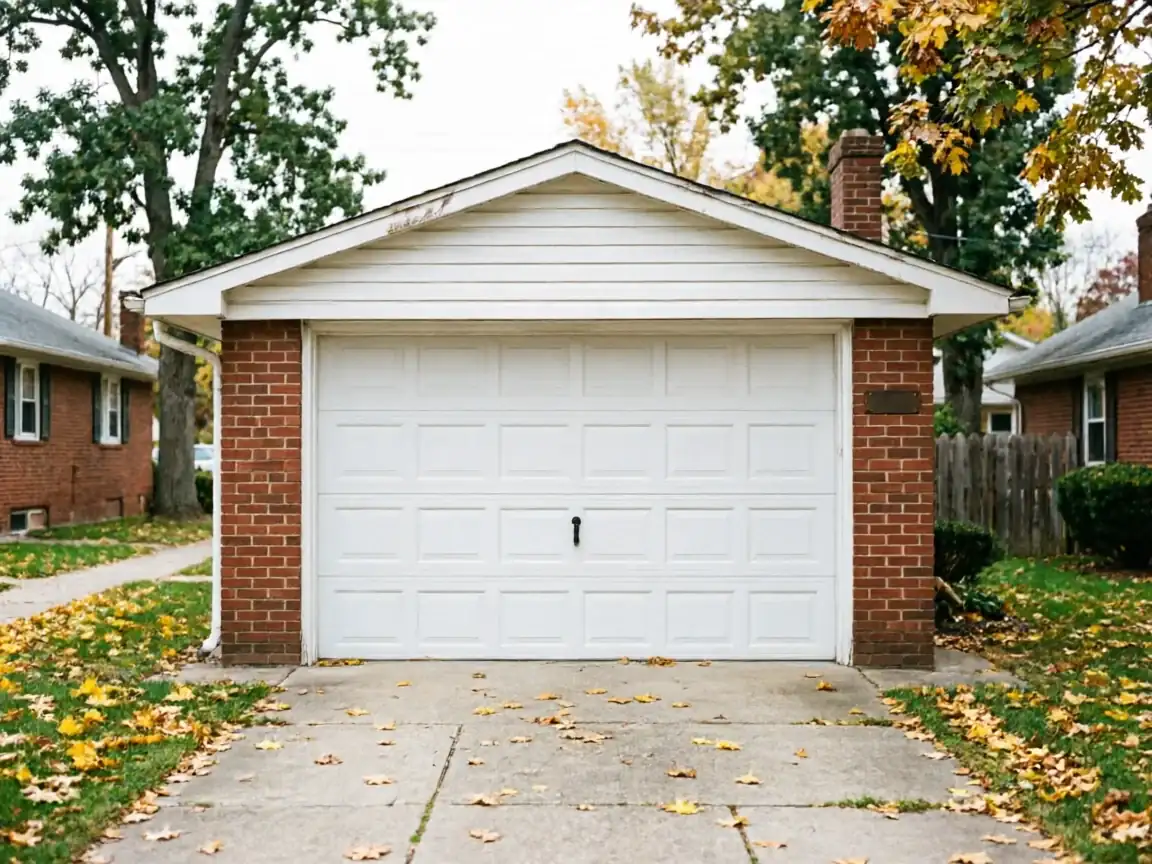
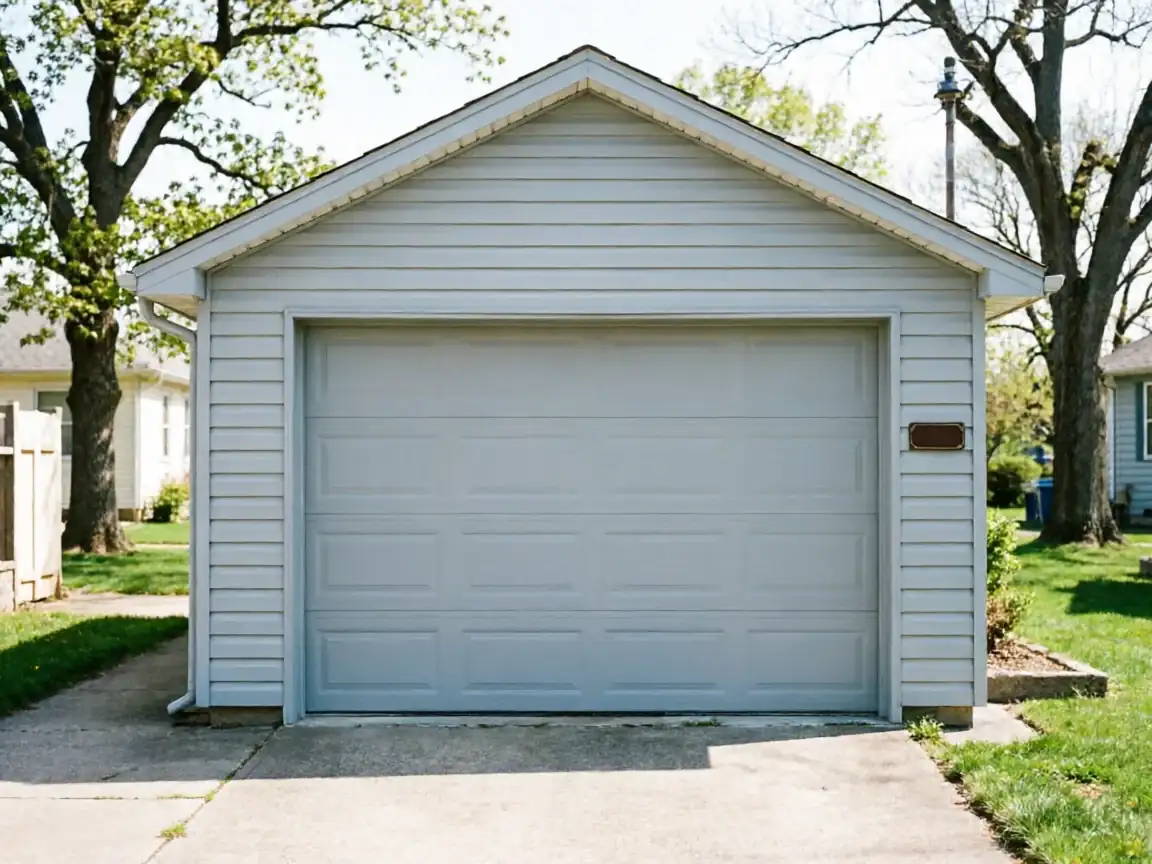
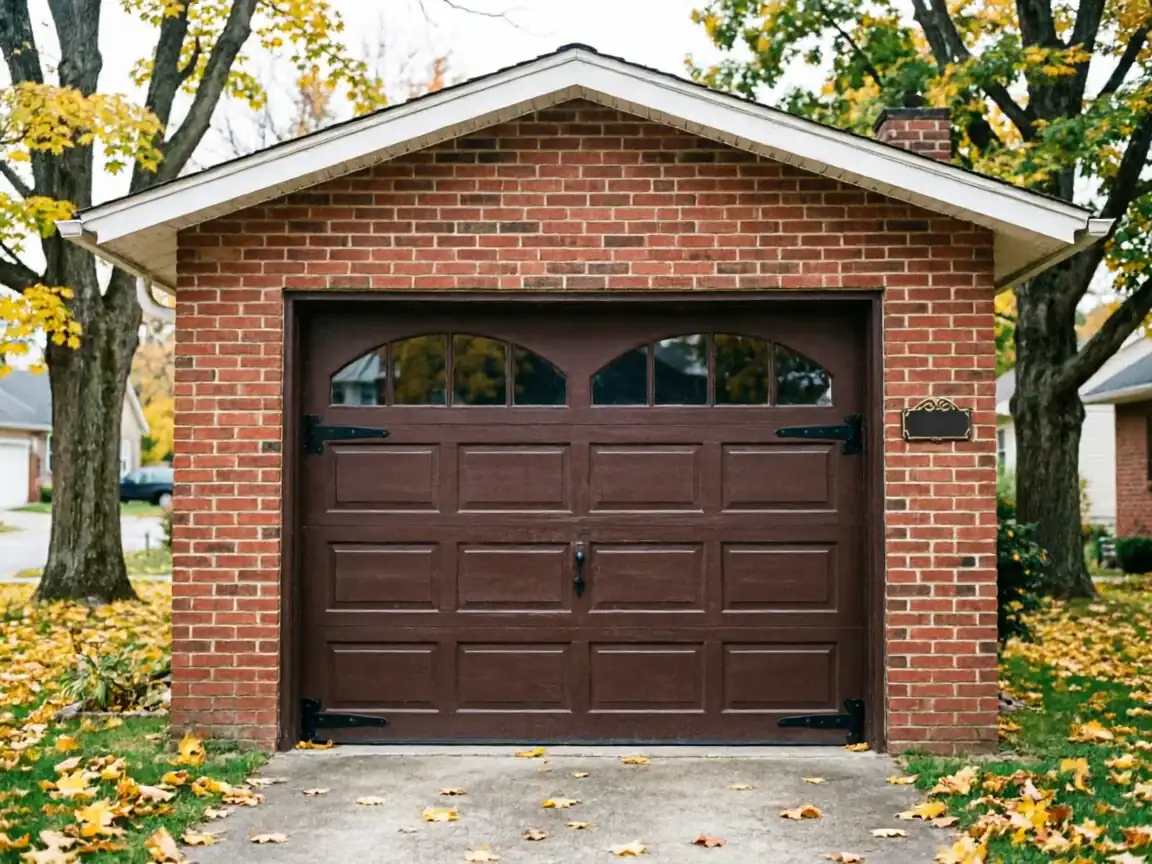
Most of the housing stock in this service area went up between 1938 and 2002, with a median build year around 1958, and a large share of the 39 named areas we cover are still mostly pre-1960 construction. Garage doors from that era were built to a different standard - thinner steel, little to no insulation, and hardware sized for lighter panels. None of that holds up well against a severe cold climate band, where repeated freeze-thaw cycling stresses seams and warps panels that were never built with an insulated core. Add decades of settling on older foundations and you get openings that are no longer perfectly square, which puts side-load on track and rollers that were fine when the house was new. A door installed today on one of these openings needs to account for both problems at once: the thermal demand of our winters and the structural reality of a 60-to-80-year-old opening, not just a catalog measurement.
Doing It Yourself
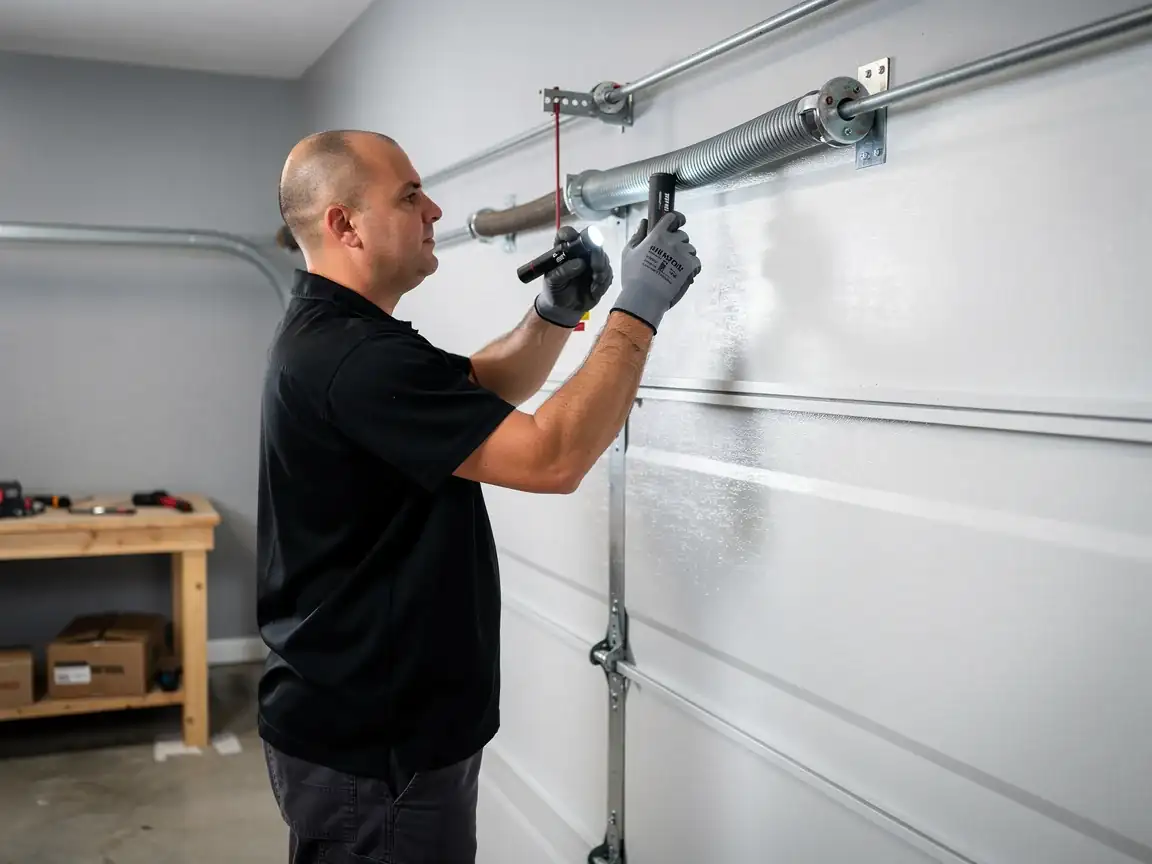
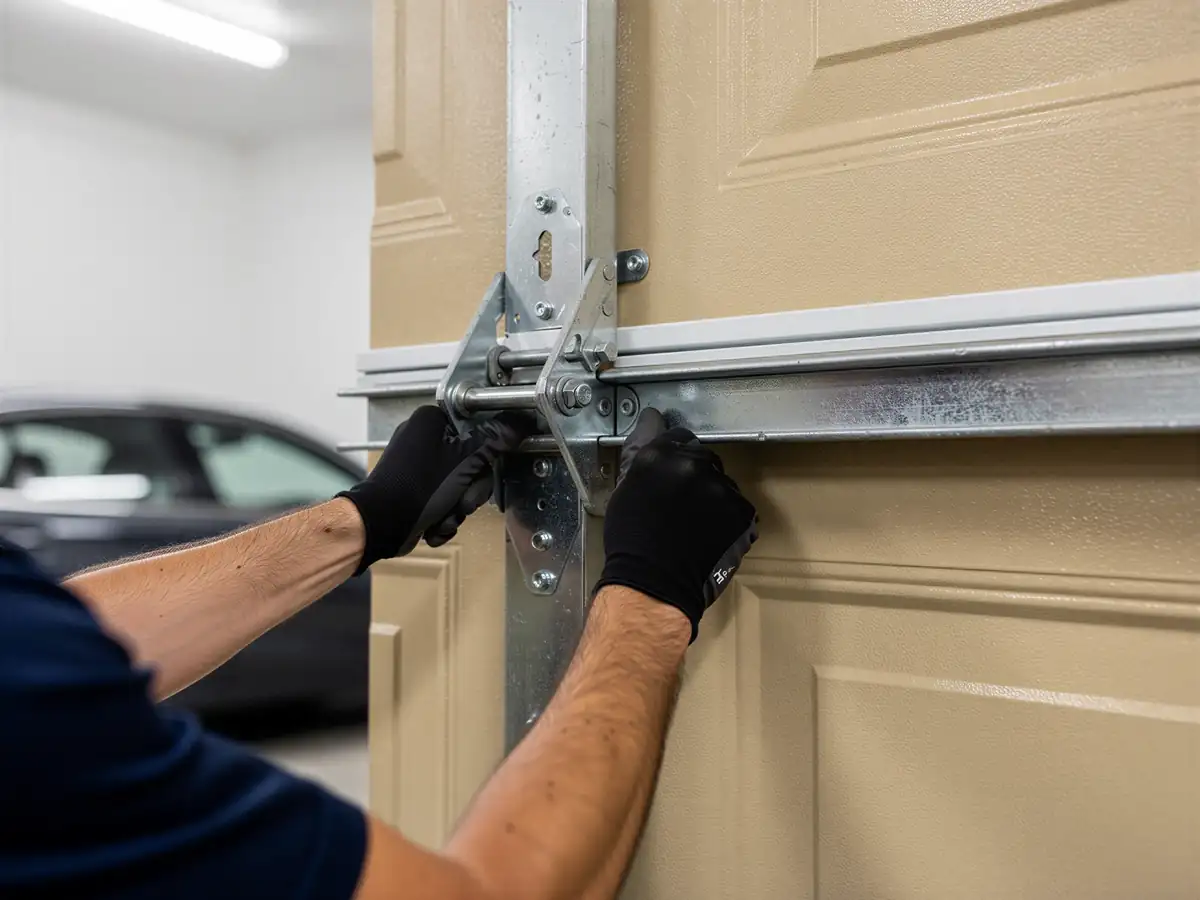
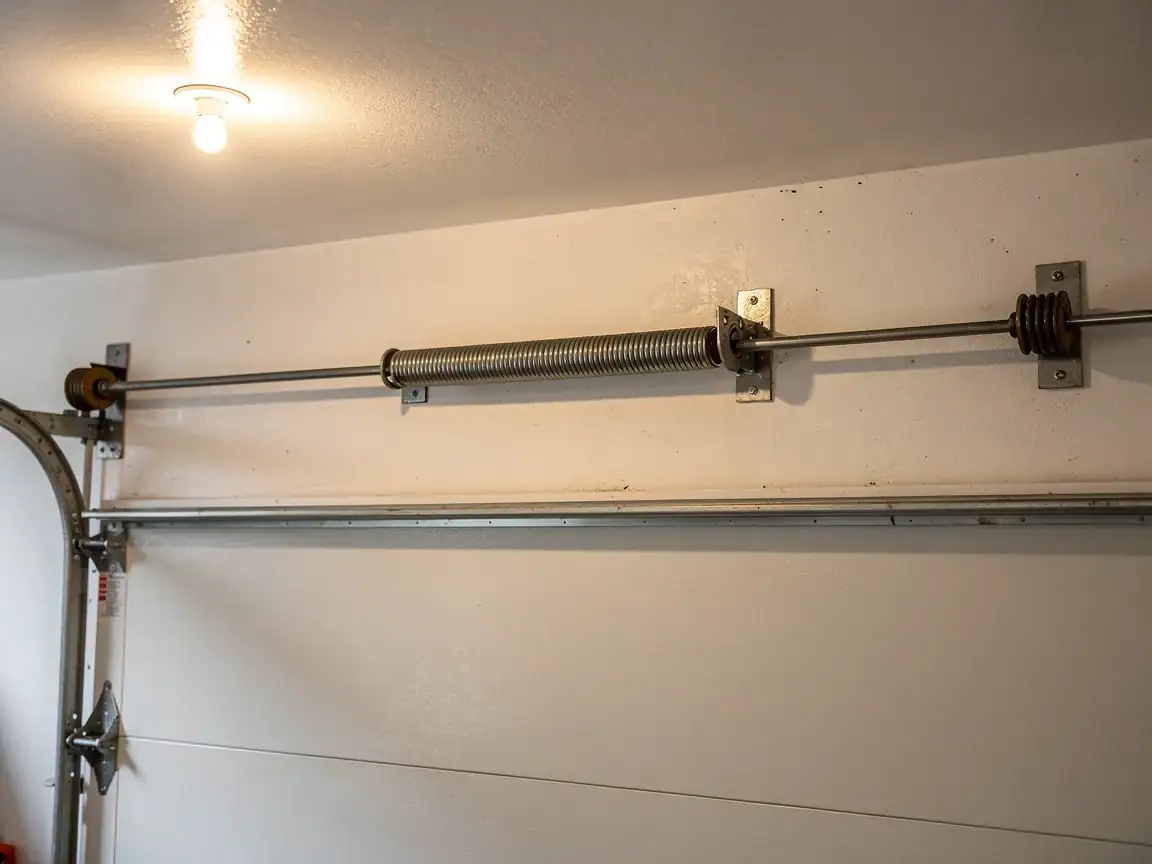
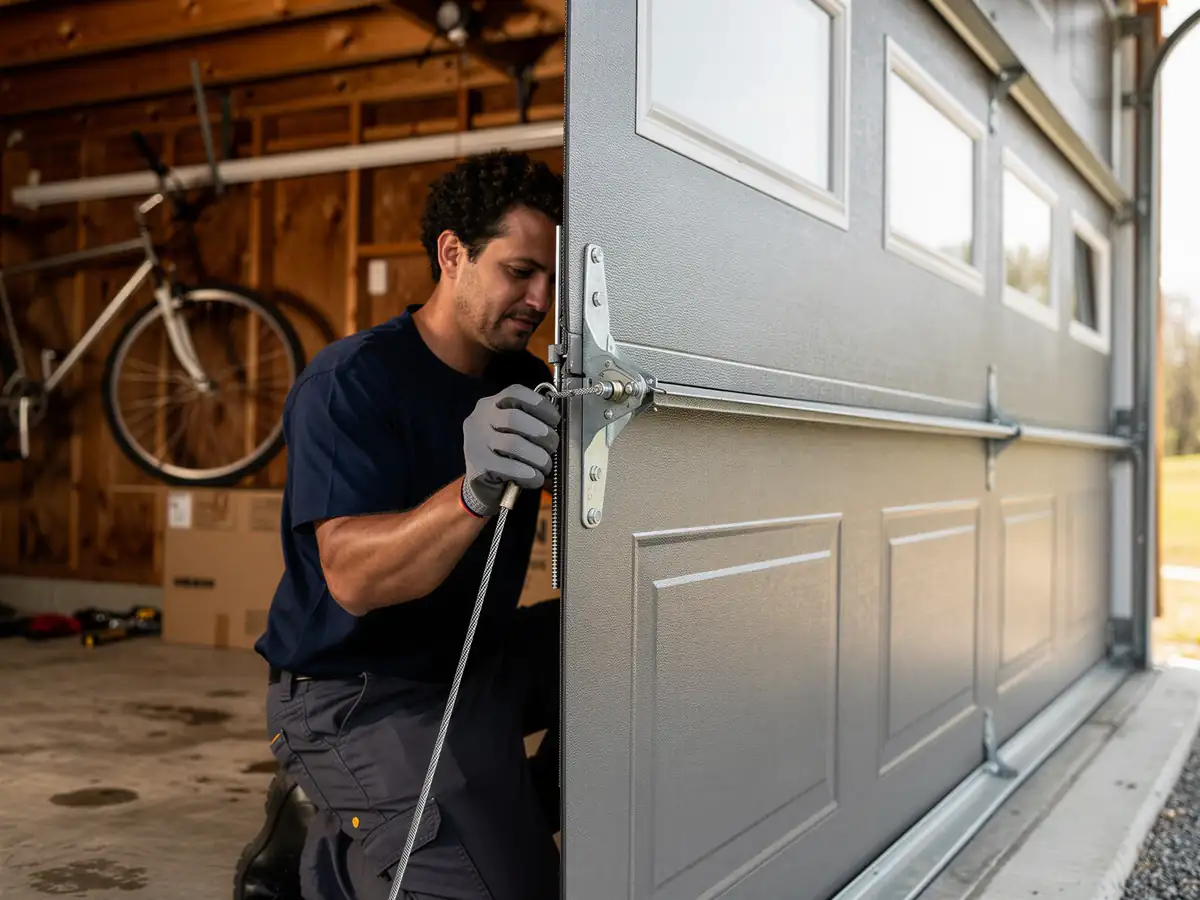
Swapping a garage door yourself is not like hanging an interior door. The springs are under enough tension to break bones if they let go wrong, and on an older opening you're also dealing with hardware that may not match anything sold today - torsion drums, track brackets, and jamb hardware from a 1950s or 1960s build sometimes need custom fitting rather than a bolt-in replacement. If you're comfortable with basic carpentry and have help, swapping weatherstripping or a bottom seal is a reasonable weekend project. Full door replacement, especially on an opening that's shifted over the decades, is where we'd tell you to call. We won't pretend every job needs a pro - minor hardware tightening and seal replacement are fair DIY territory - but spring systems and anything touching the header are not.
How it works
From “it’s stuck” to “it’s fixed”
A quick, honest process - no guesswork and no surprises.
1
Tell us what’s wrong
Describe the symptom - won’t open, loud bang, opener runs but the door won’t move.
2
On-site diagnosis
A technician tests the door under power and by hand and finds what actually failed.
3
Clear, up-front plan
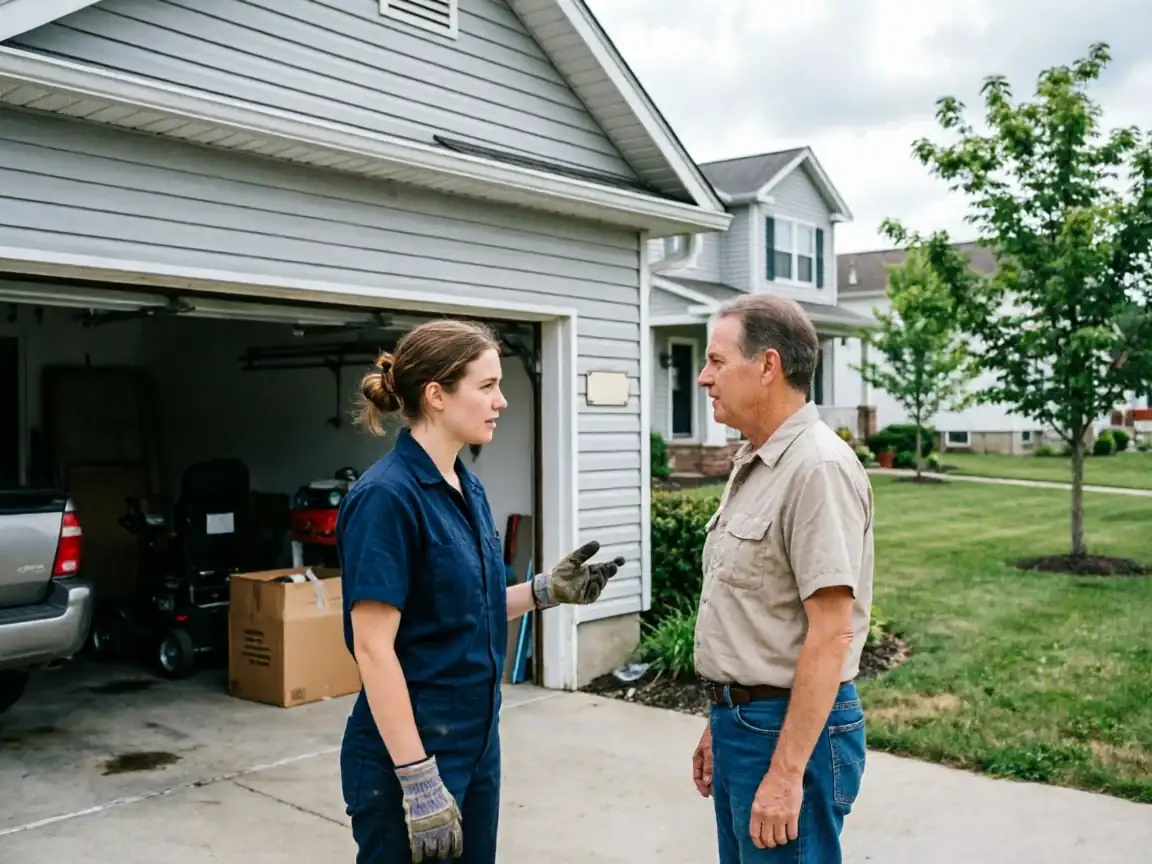
You get the fix that’s needed and what drives the cost - before any work starts.
4
Repaired & tested
The repair is done, the door is set true and tested, and the work area left clean.
Next step
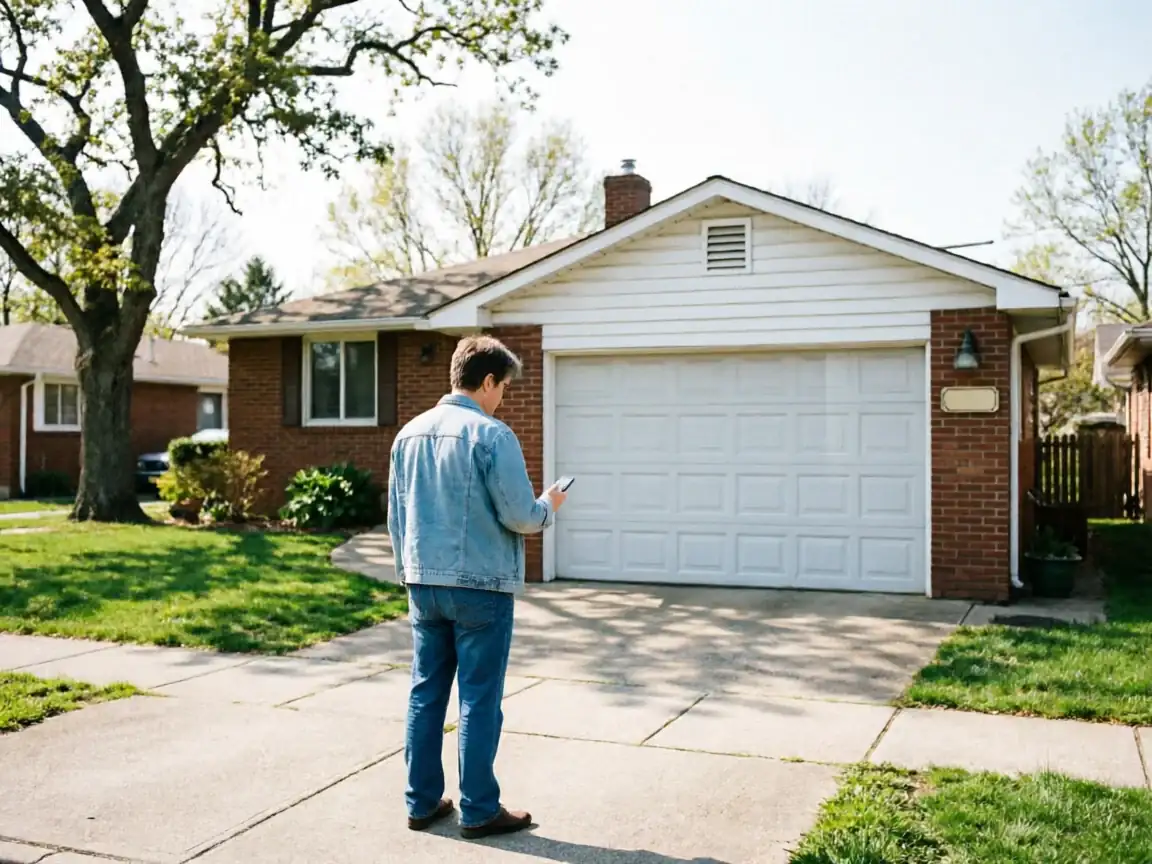
Not sure which repair your door needs in Sterling Heights, MI? Describe what it’s doing - every job starts with a diagnosis.
Do older Sterling Heights homes need a different garage door than newer construction?
Often, yes. A lot of the housing stock here dates to 1938-2002, with many openings from the pre-1960 era that have settled slightly out of square. A new door for one of these homes may need jamb correction or a non-standard track configuration rather than a straight catalog fit.
Will a new insulated door actually matter in a Michigan winter?
In a severe cold climate band like this one, an insulated core does more than keep the garage warmer - it reduces the flexing and warping that thin, uninsulated steel panels go through during repeated freeze-thaw cycles, which is a common failure point on older doors in this area.
Can you give me a price over the phone?
Not an honest one. Cost depends on door size, insulation level, and whether your opening is square, which varies a lot across homes built between 1938 and 2002. We price after seeing the opening in person.
Do you work outside Sterling Heights?
We cover the surrounding area, including places like Utica, Fraser, Madison Heights, and Roseville, among others within about a 15-mile radius.