What It Costs
A cable job is priced by what actually failed
Not by a flat number we can quote before we see the door. A single frayed cable on a door that's still tracking straight is a quick fix. A snapped cable that let the door drop and bind in the tracks, or one that took the drum or bottom bracket with it, is a bigger job. Doors with two cables usually need both replaced together even if only one broke, because the surviving cable is stretched the same amount of years and will go next.
We won't give you a number over the phone for a job we haven't looked at
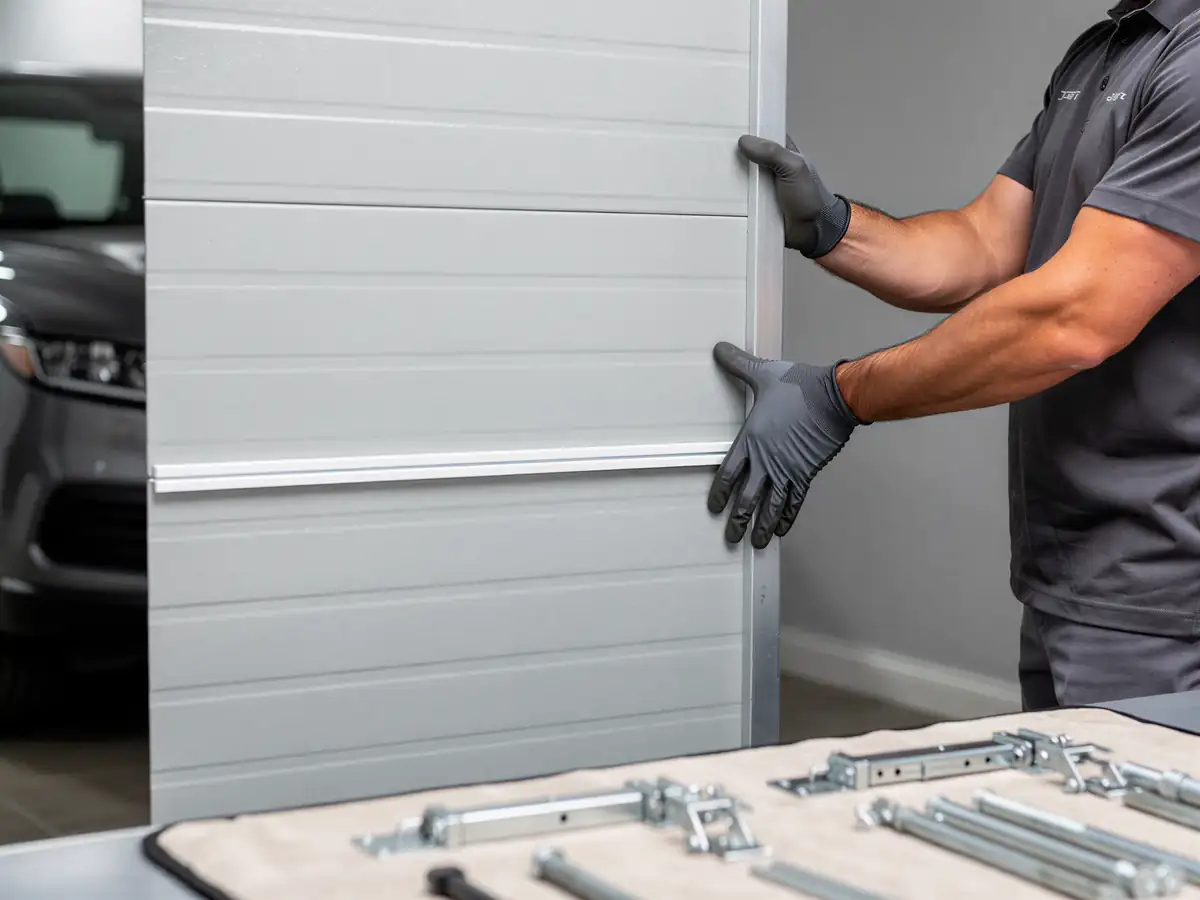
That's the one honest limit here. What drives the cost up is usually hardware damage riding along with the cable: a bent bottom bracket, a drum that's chewed up where the cable jumped the groove, or a track that got pulled out of alignment when the door came down unevenly. None of that shows up until someone's hands are on the door.
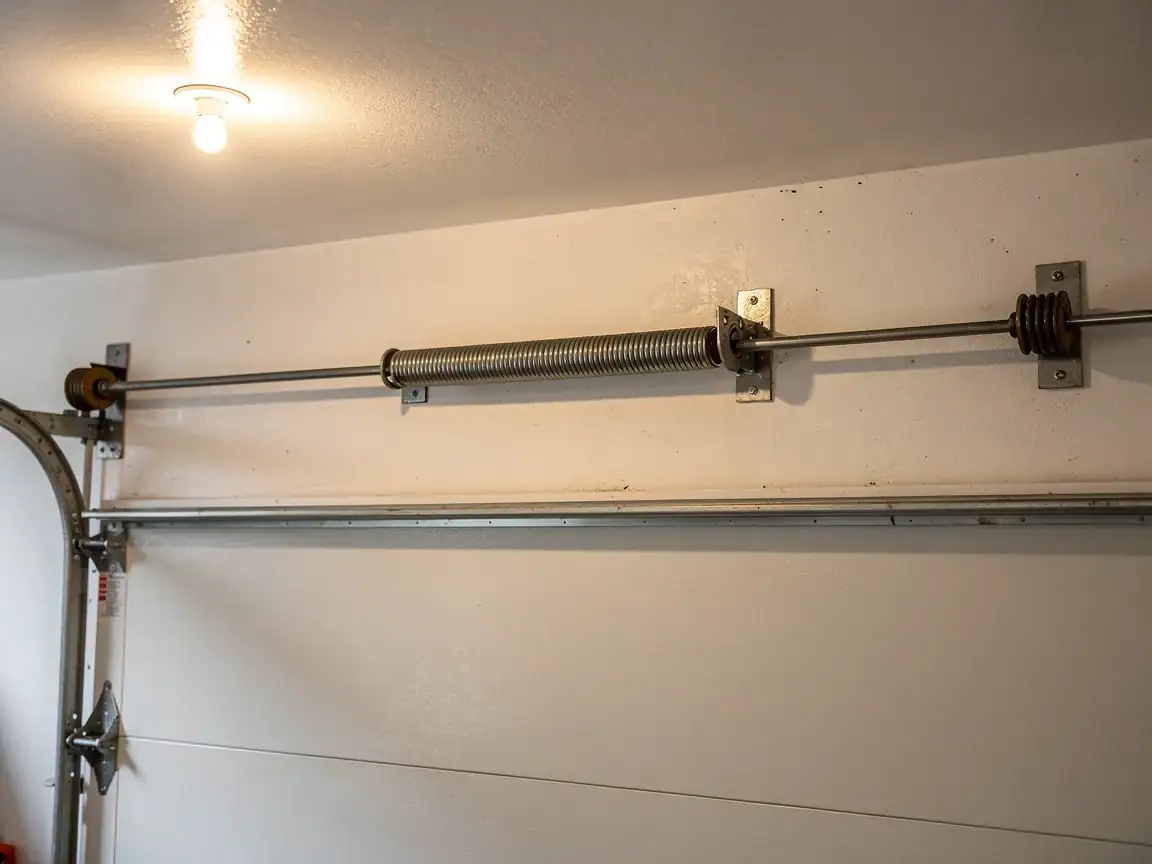
If you're pricing against a torsion spring replacement, cable work is typically the smaller piece of that invoice
Since the spring is what's actually storing the force and the cable is just transferring it.
How It Shows Up
Most cable failures don't start with a bang. The door starts tilting to one side as it closes, dragging slightly on the track on the side where the cable is stretching before it lets go. You might notice one bottom corner sitting lower than the other, or the door scraping against the frame on its way down.
When a cable actually snaps, the door drops hard on that side - sometimes all the way, sometimes it catches on the opener track or the other cable and hangs crooked. You'll often hear it: a sharp pop, then a clunk as the corner falls. If the opener is still engaged when this happens, don't keep hitting the button. Running the opener against a door with one dead cable twists the panel and can pull the track loose.
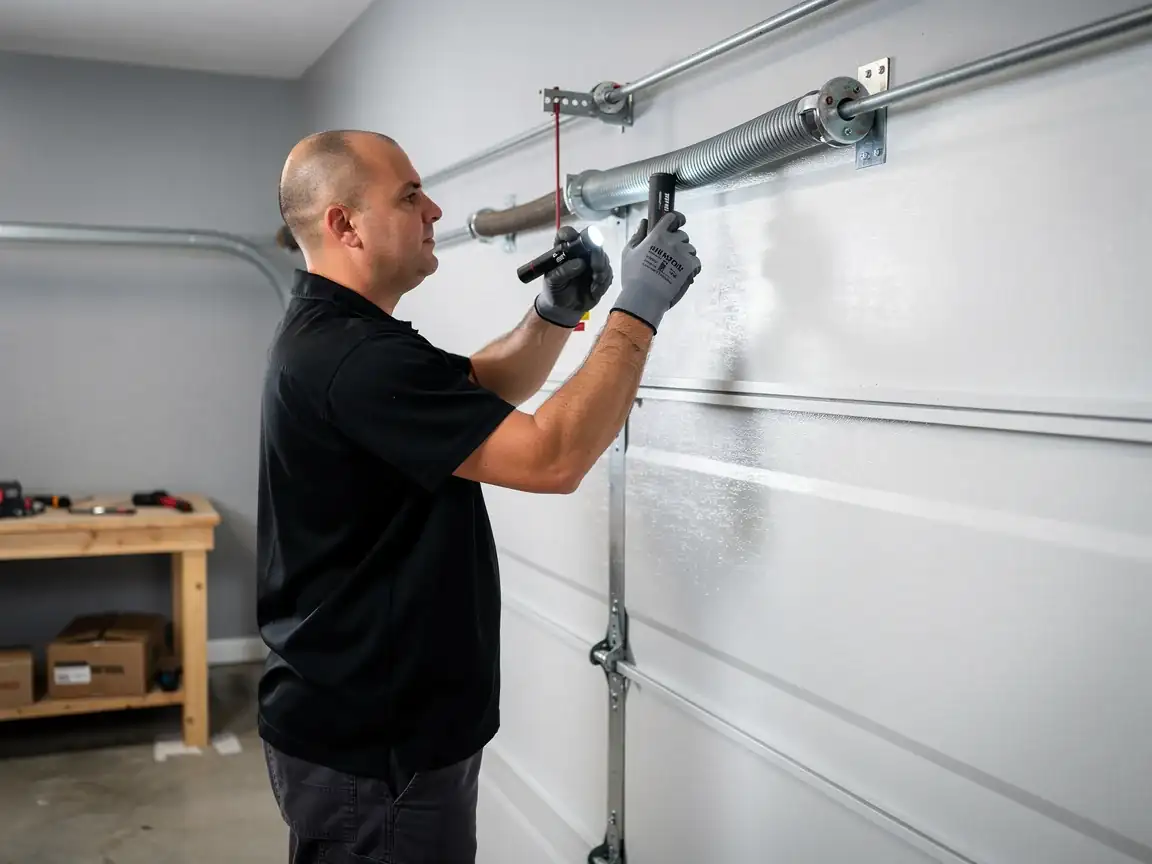
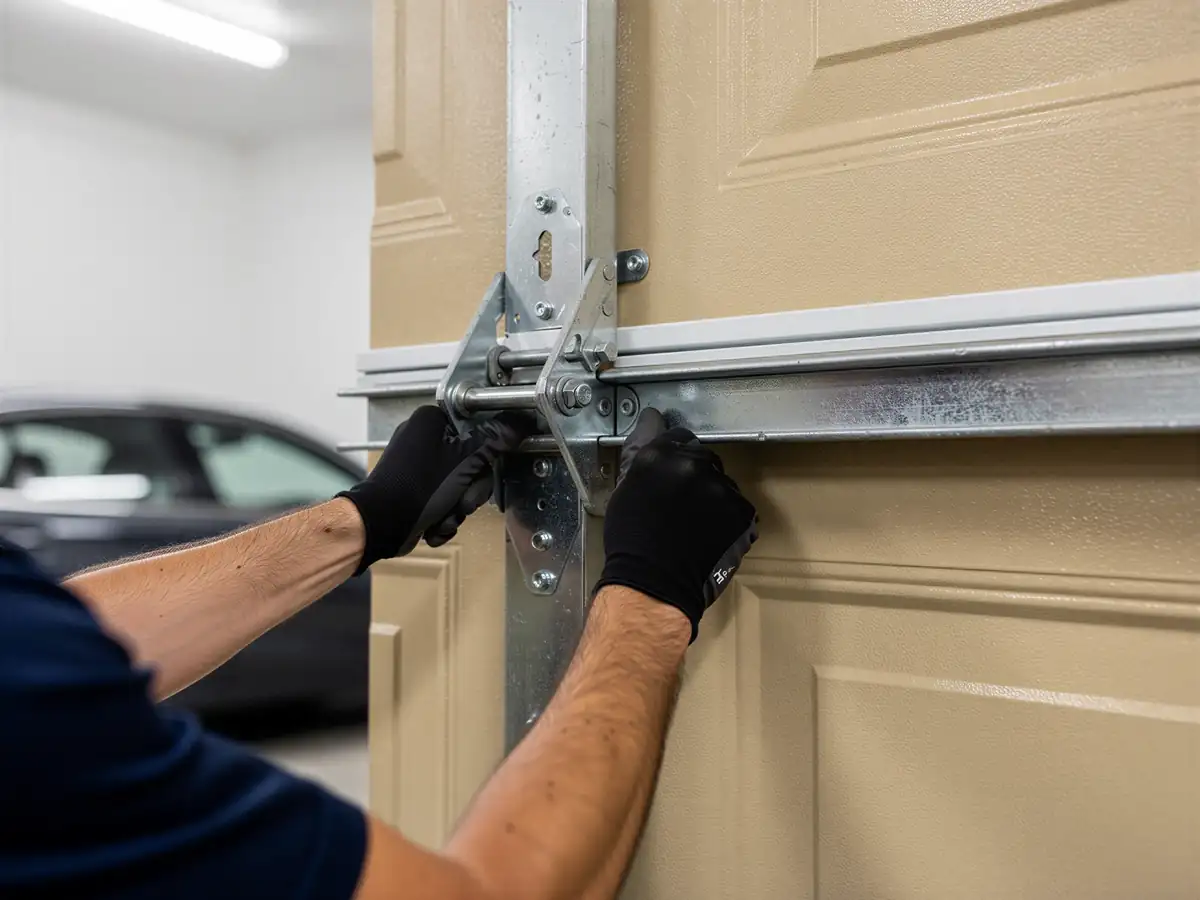
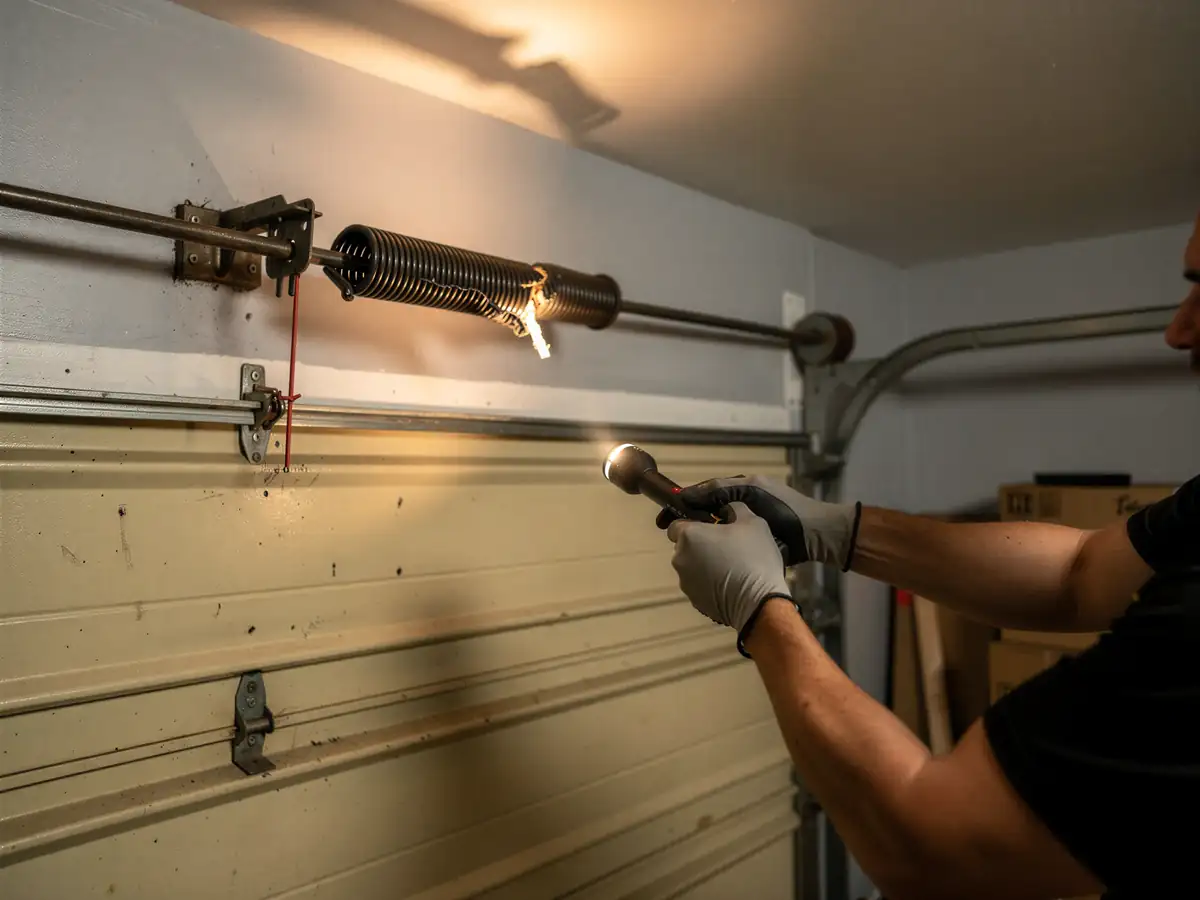
Look for frayed strands wrapping around the bottom bracket or drum before it ever gets that far - that's the warning sign most owners miss because it's up near the top corners, out of normal sightline. A cable that's visibly unwinding or has a kink in it is on its way out, not a maybe.
Why It Happens Here
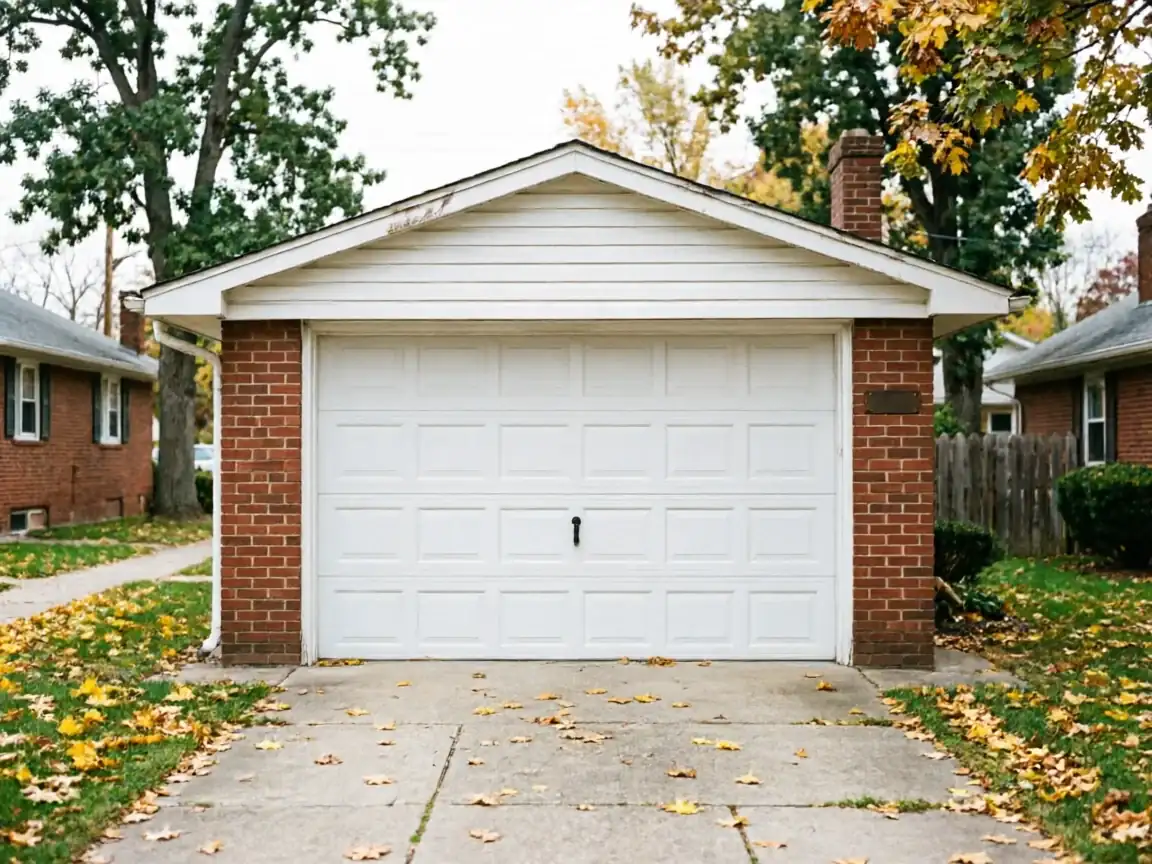
Sterling Heights housing runs from 1938 to 2002 with a median build year of 1958, and across the wider service area the stock is mostly pre-1960. That matters for cables specifically: older doors were built with lighter-gauge galvanized cable and drum systems that weren't sized for the heavier insulated doors a lot of owners have swapped in since. The cable ends up working harder than it was built for, year after year.
The cold is the other half of it. This is a severe cold climate band, and steel cable loses flexibility as the temperature drops. A cable that's been slowly fraying all summer is far more likely to let go on the first real cold snap of the season, when the strands are stiff and the door is heavier to lift because the lubricant in the rollers and hinges has thickened up too. That's why cable calls cluster in the cold months here more than the mild ones.
Galvanized coating also breaks down faster on cables that see repeated freeze-thaw cycling, which exposes bare steel to rust at the exact points where the cable flexes around the drum - the same spots that take the most fatigue to begin with.
Doing It Yourself
Don't
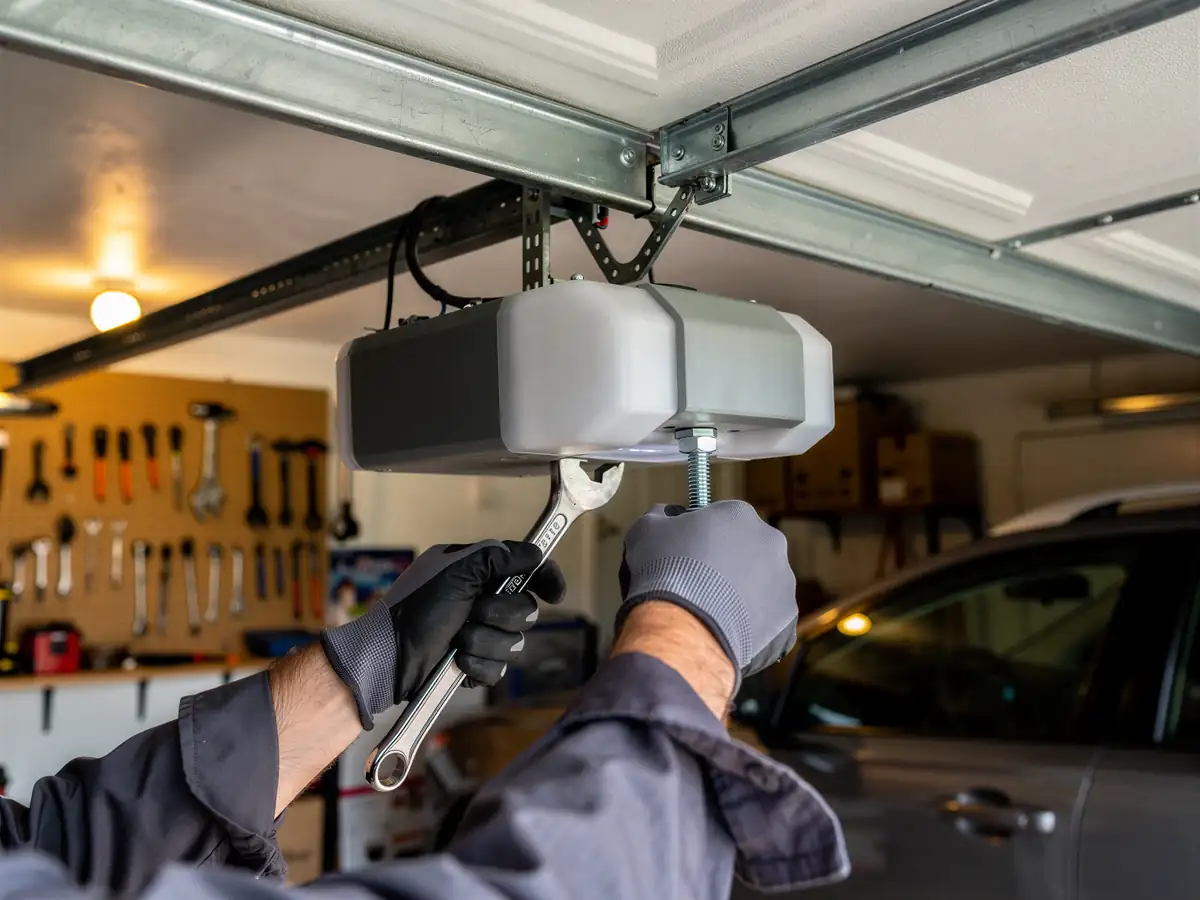
Not because it's complicated to understand, but because a garage door cable is working against spring tension that can put a cable or a bar through a hand if it lets go while you're loosening anything near the drum or the spring. This is one of the few jobs in a house where a wrong move causes an injury, not just a redo.
What you can safely do yourself: look
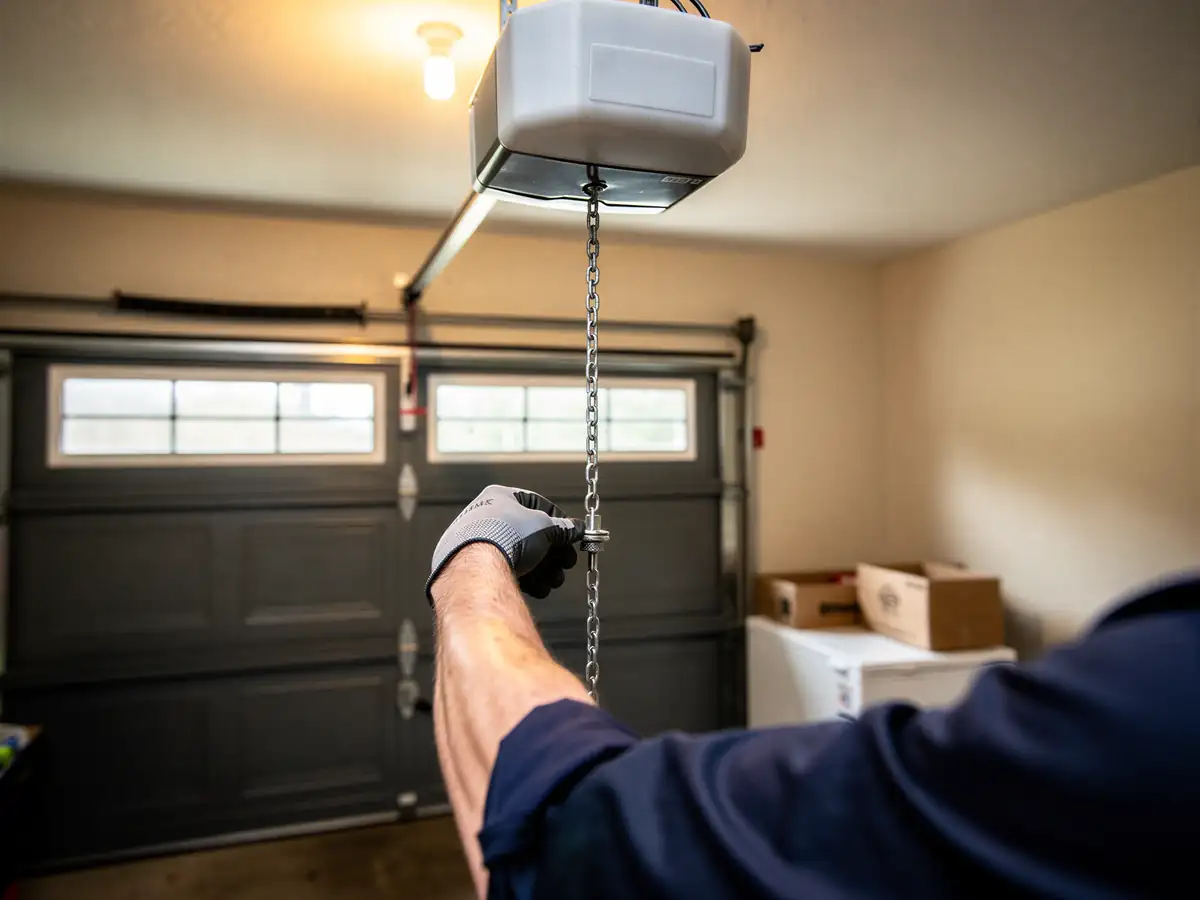
Pull the release handle with the door down, and check the cables along their full length for fraying, rust, or a cable sitting outside the groove on the drum. If you see any of that, leave the opener disconnected and don't force the door up or down - call it in instead.
If your door still has its original drums and track from the build year of the house
Replacing the cable alone sometimes isn't worth doing in isolation; the drum and track may be worn enough that the new cable just wears the same way within a season. That's a judgment call made in person, not over the phone.