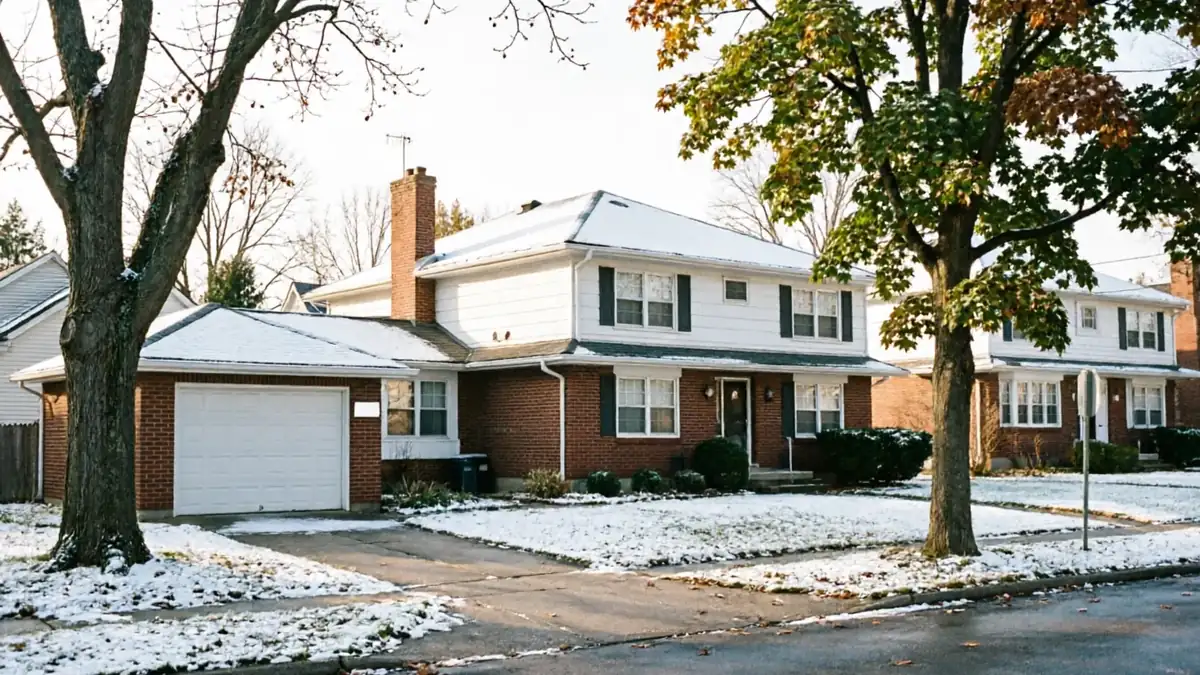
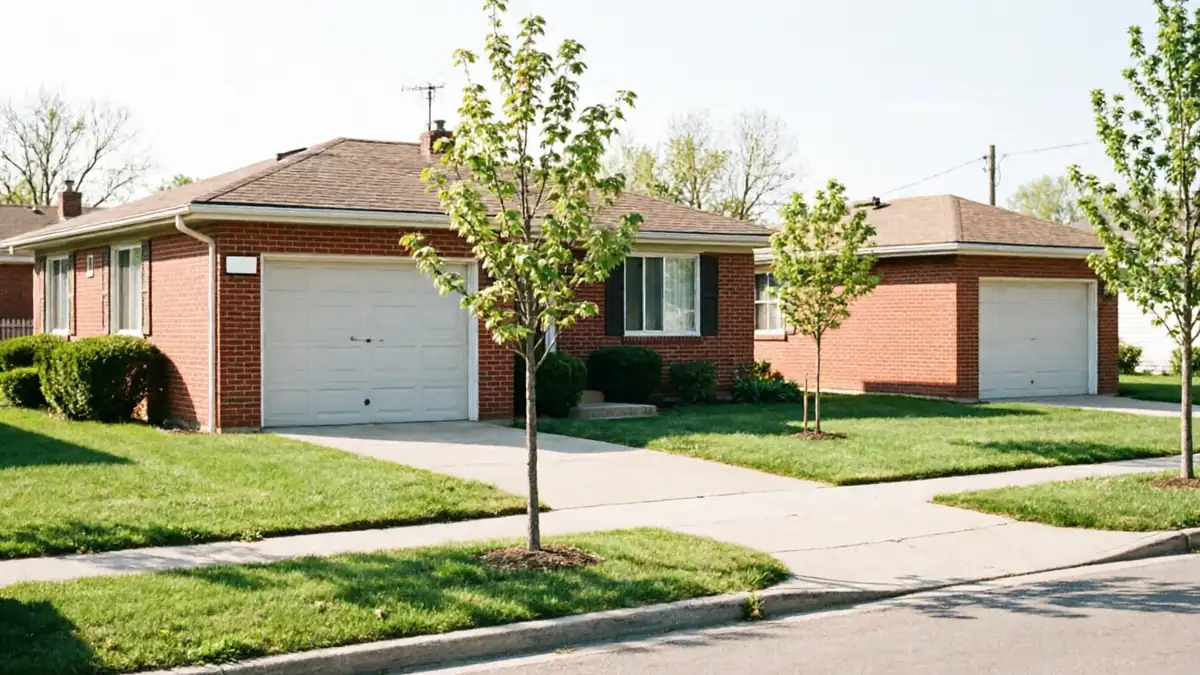
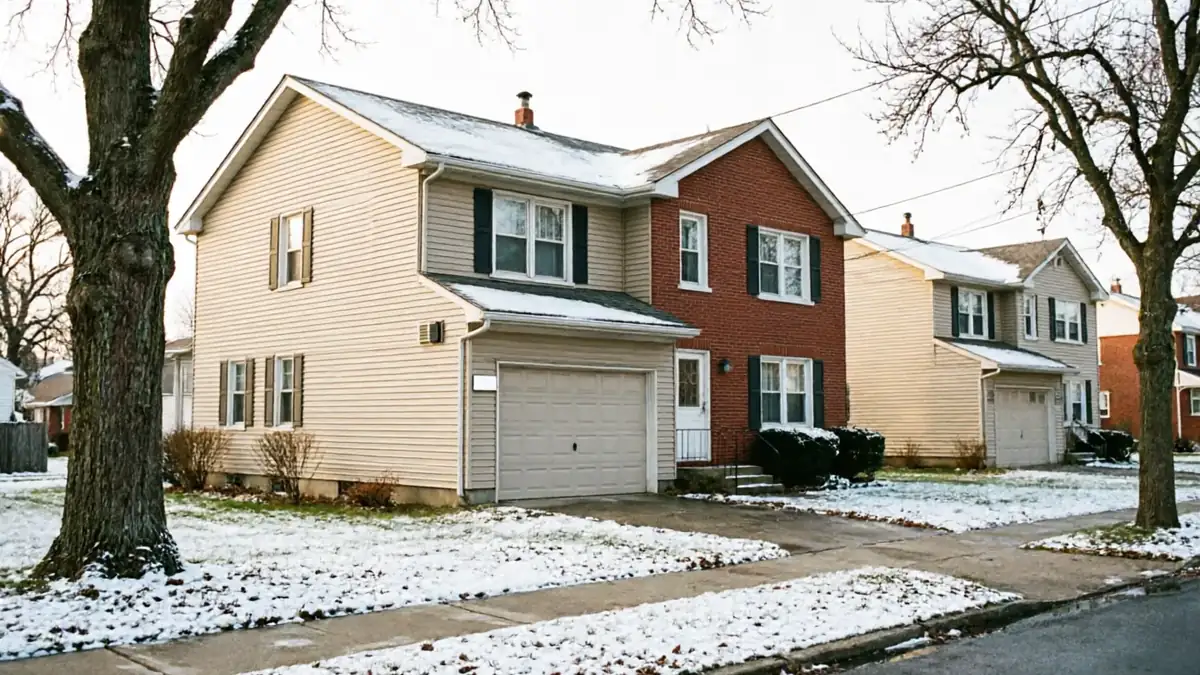
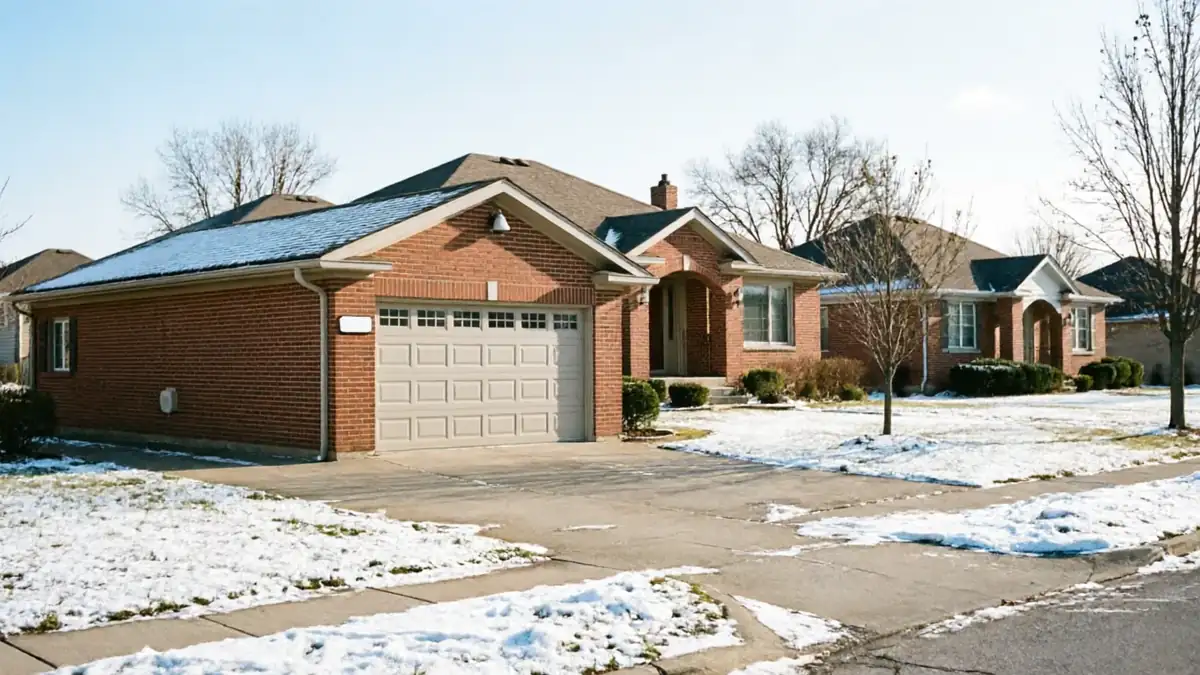
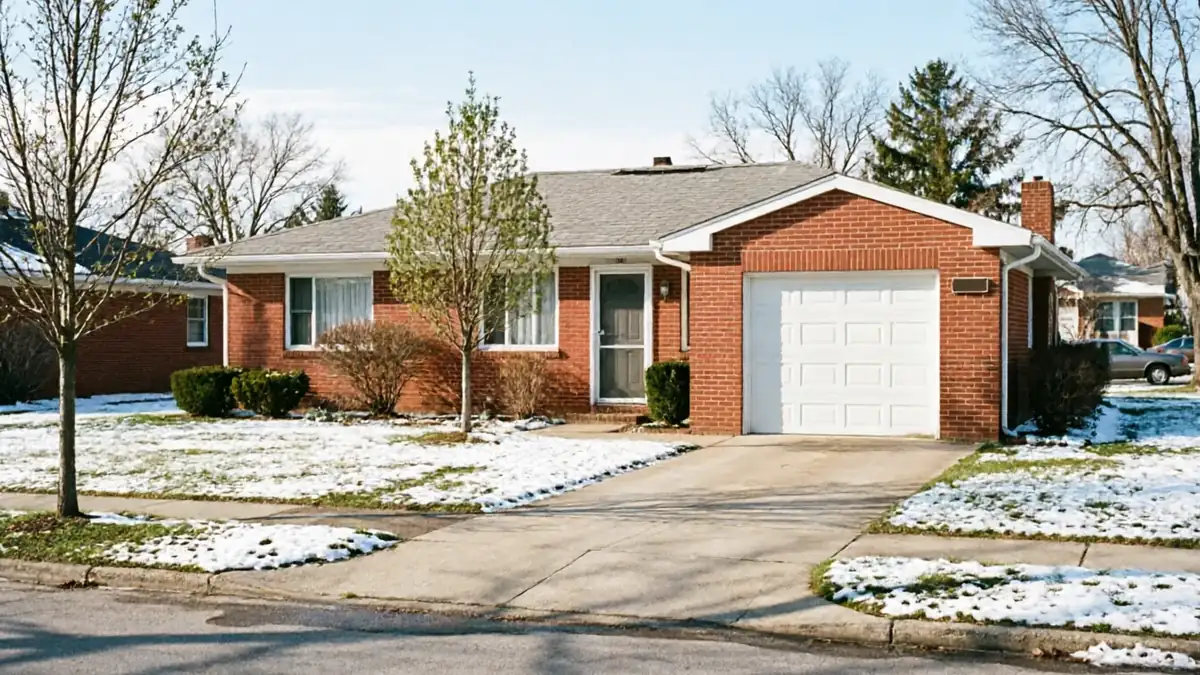
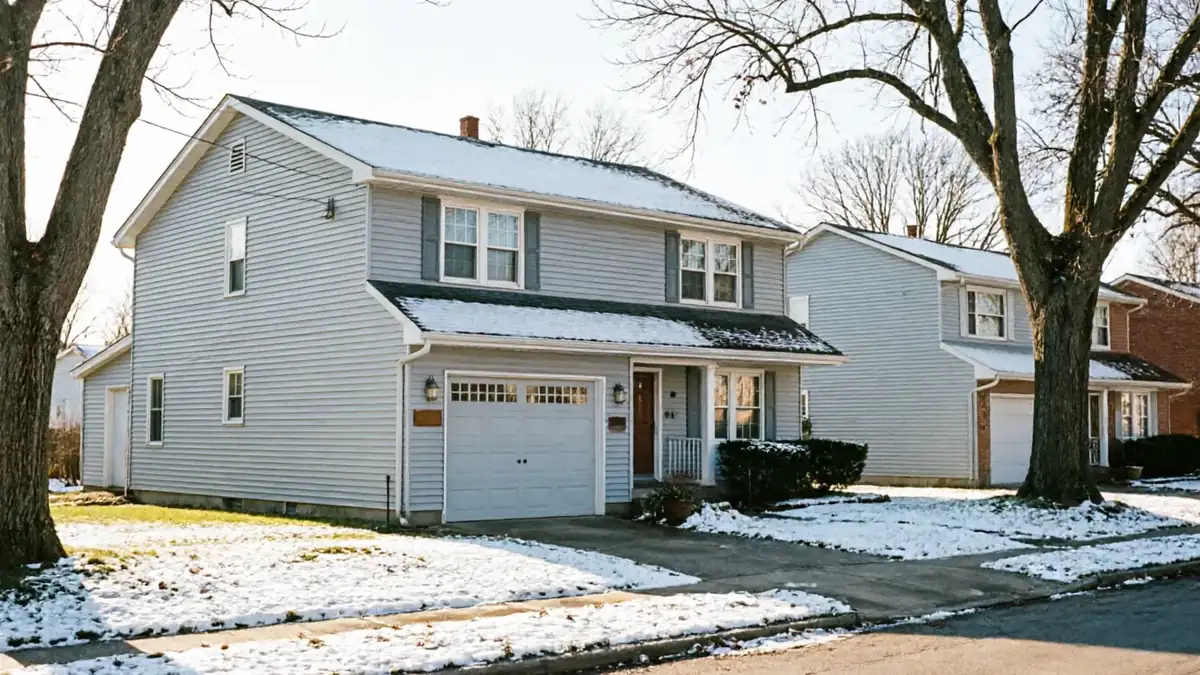
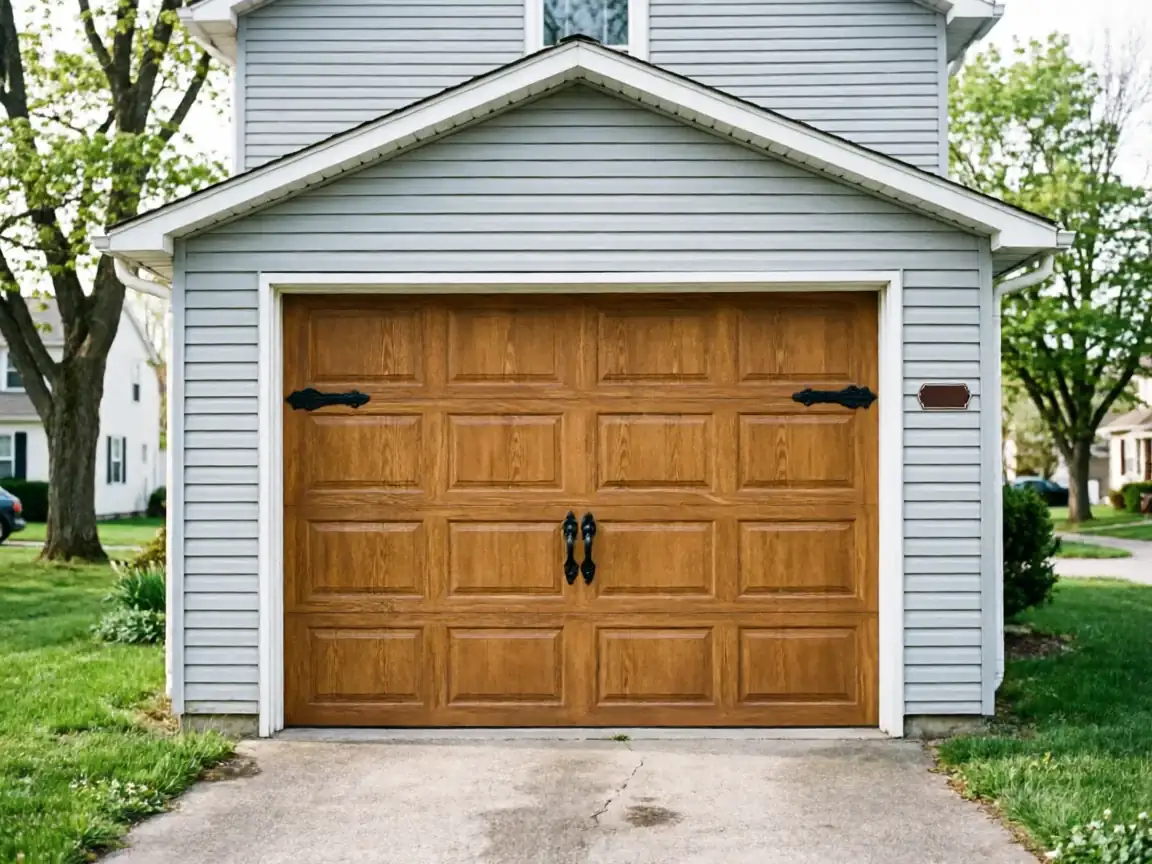
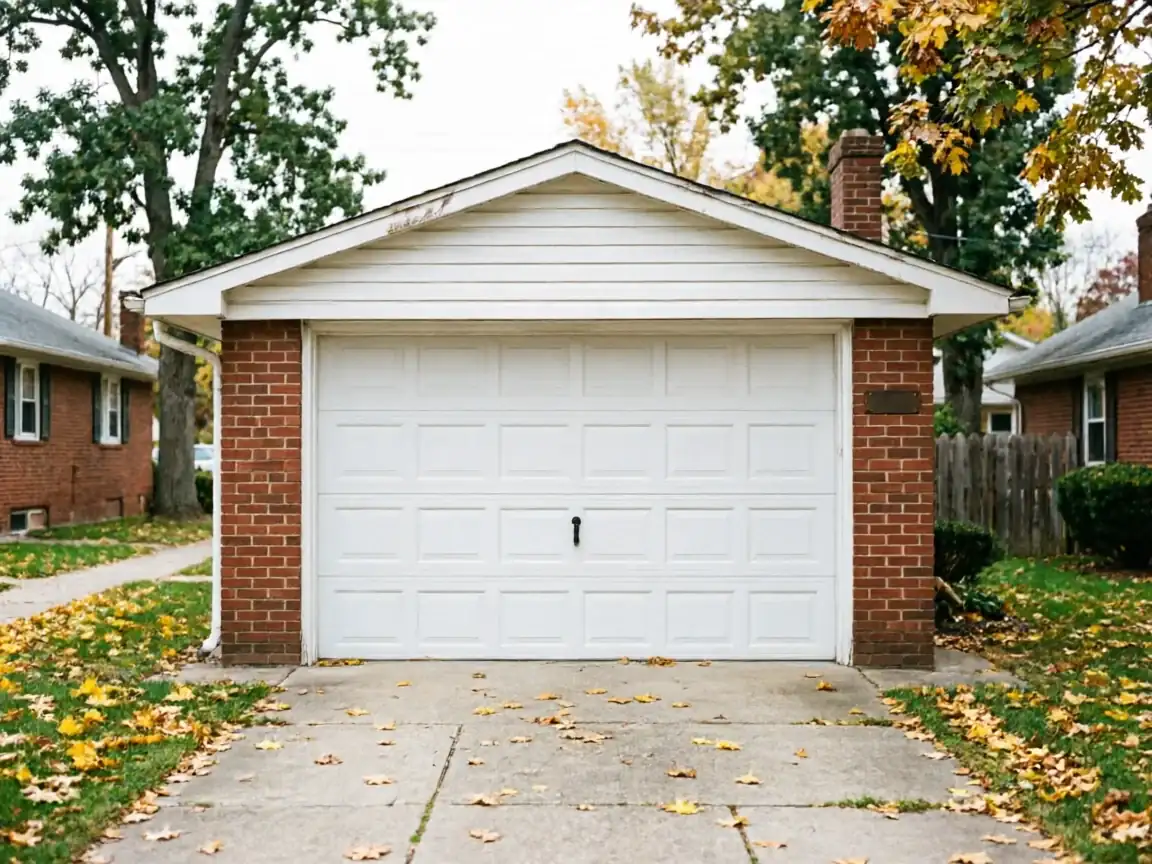
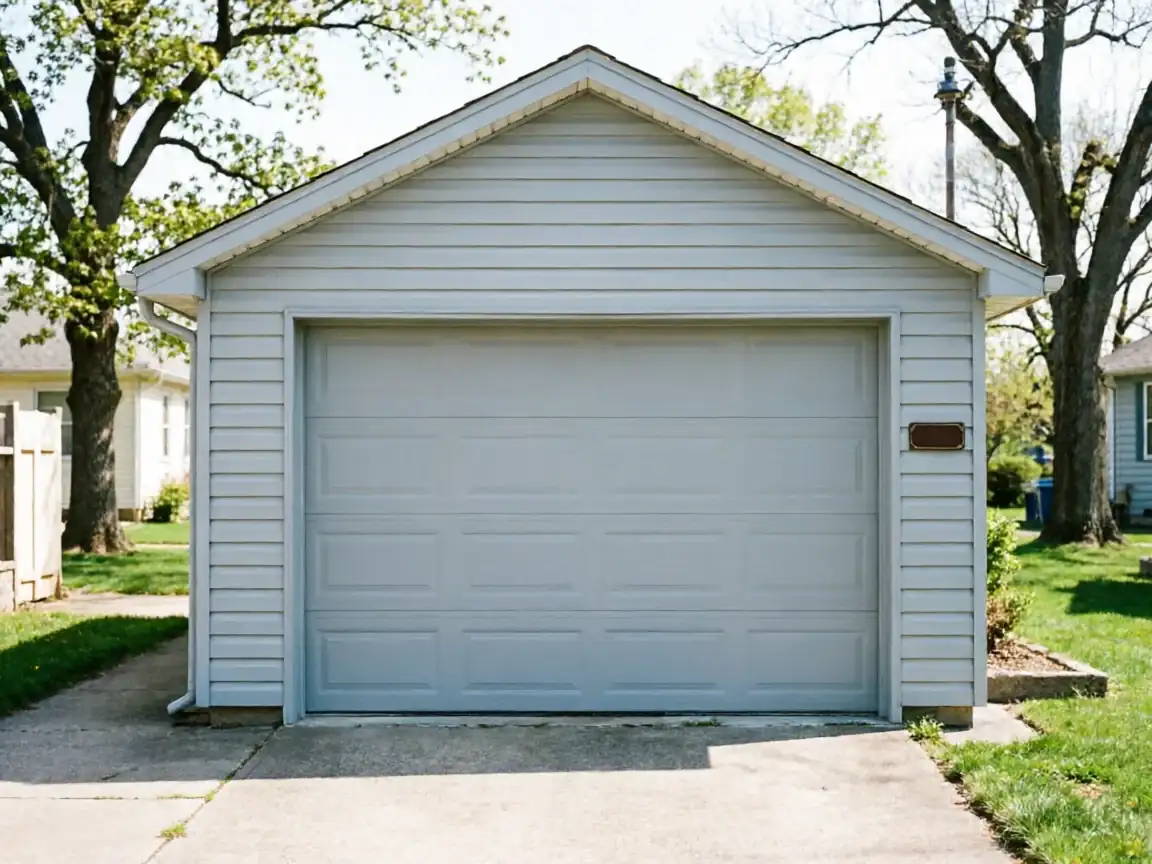
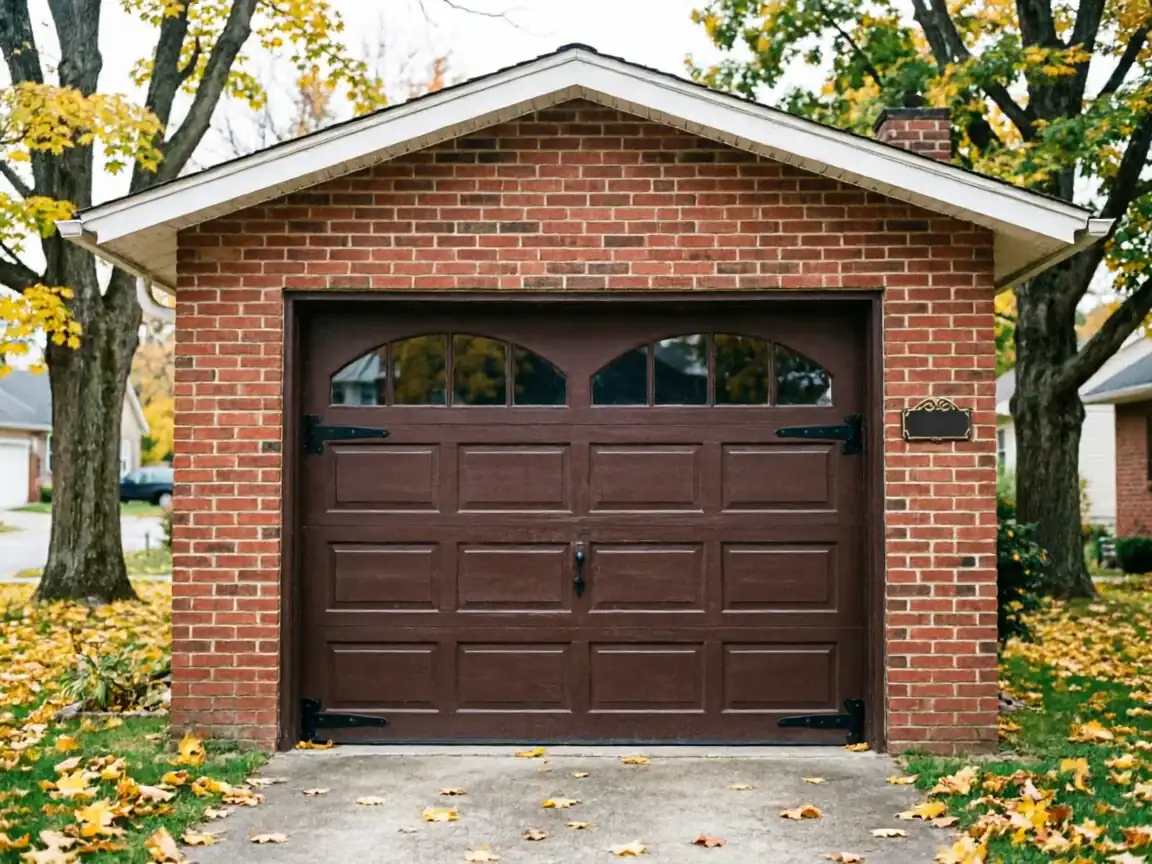
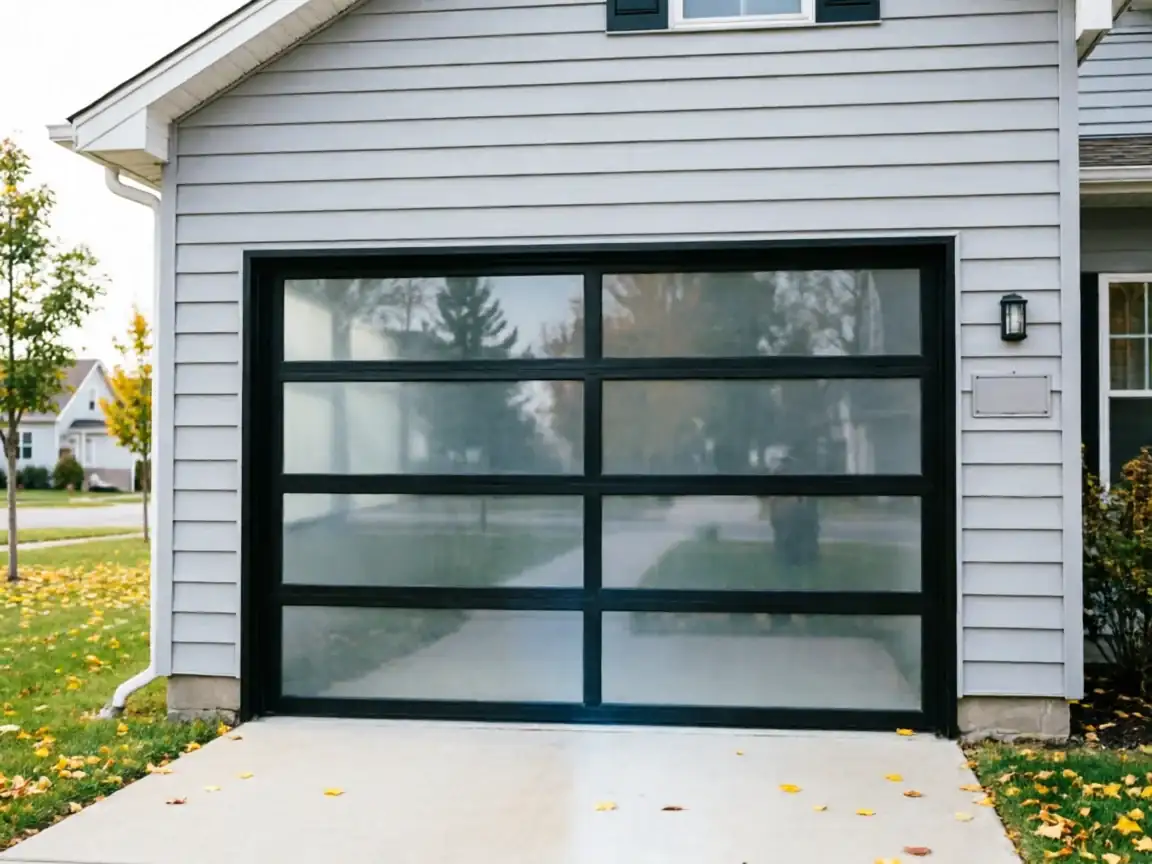
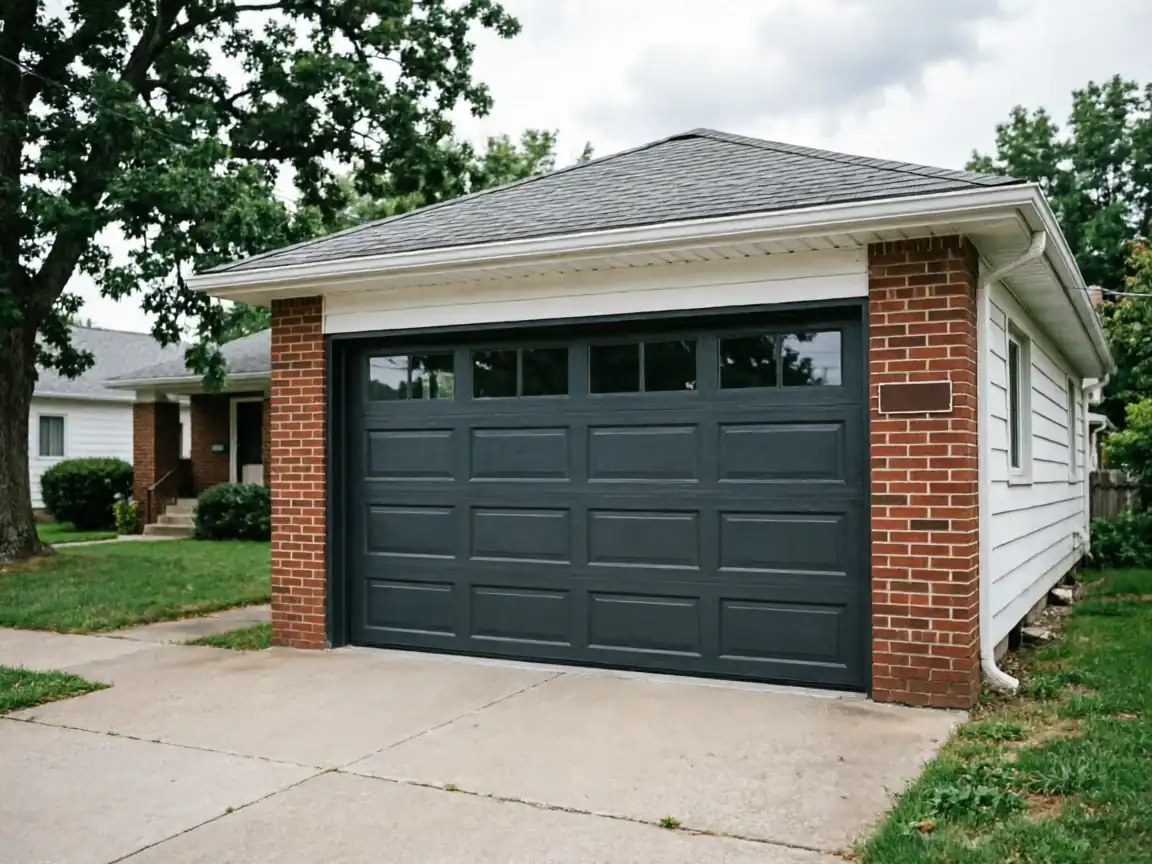
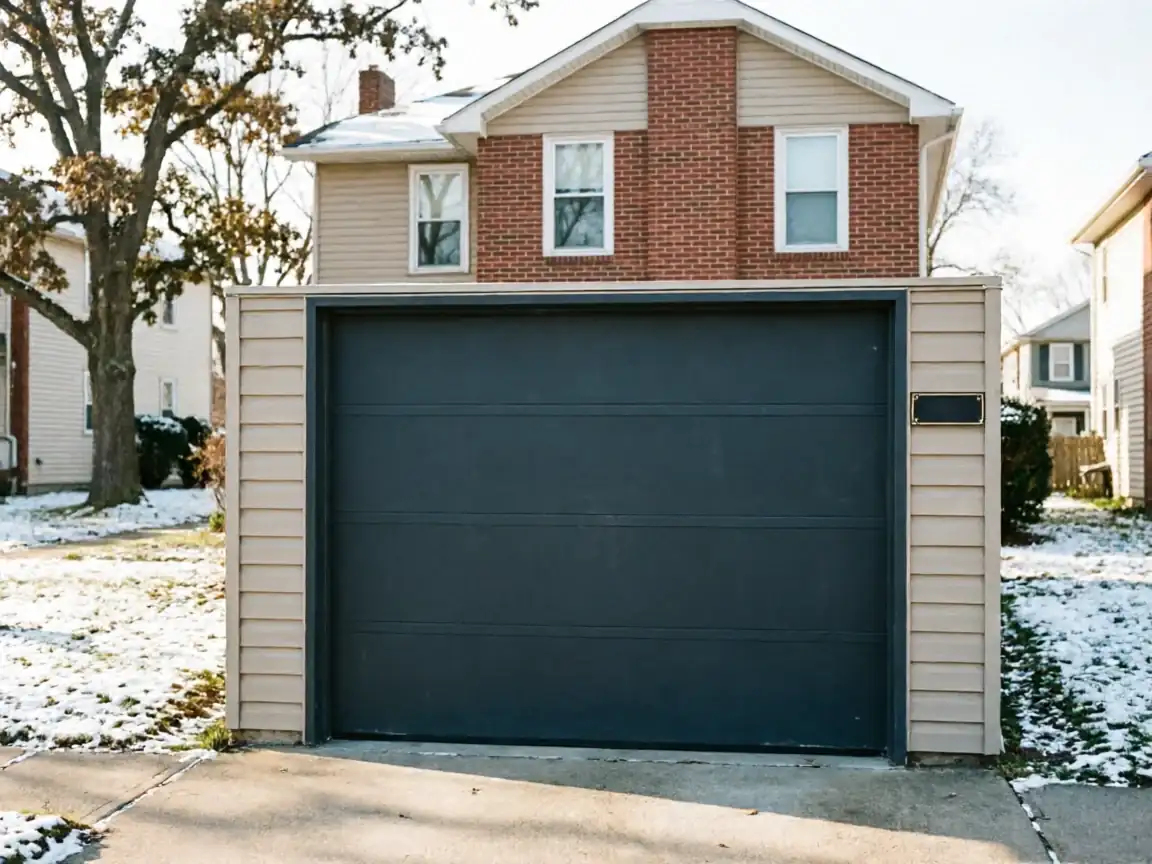
The median home in St. Clair Shores went up in 1957, which puts it square in the middle of the pre-1960 wave that covers most of this part of Macomb County. That's older than a lot of the newer subdivisions farther out, and it shows in the garages. A house built in the Eisenhower years usually has a single-car or narrow two-car bay, a door that's been swapped at least once since the original, and hardware that was installed to a spec nobody follows anymore. With 27,495 households in the area, a good share of them are still running springs, tracks, or openers that trace back to a 1970s or 1980s retrofit rather than anything original to the house. That matters more here than it would in a subdivision built in 1995, because the fixes aren't always a direct swap - sometimes the opening itself is a nonstandard size.
What That Means for Doors
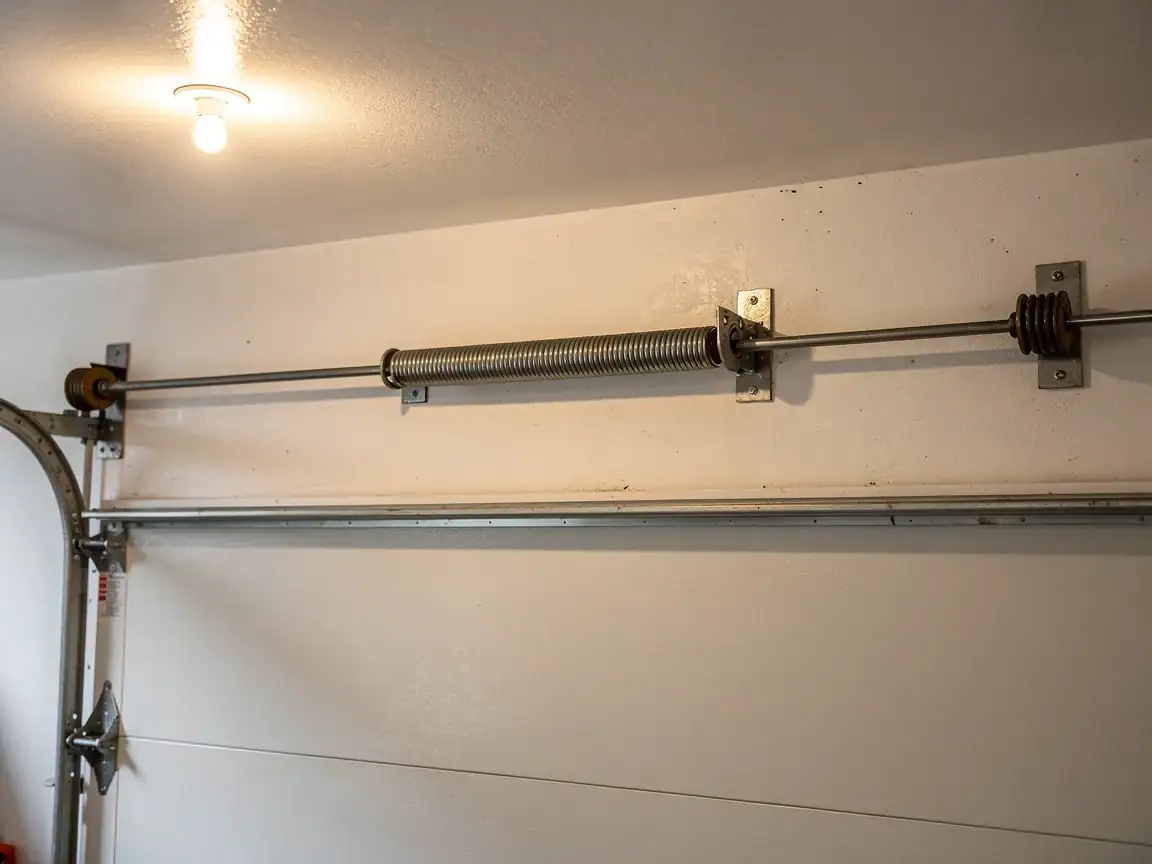
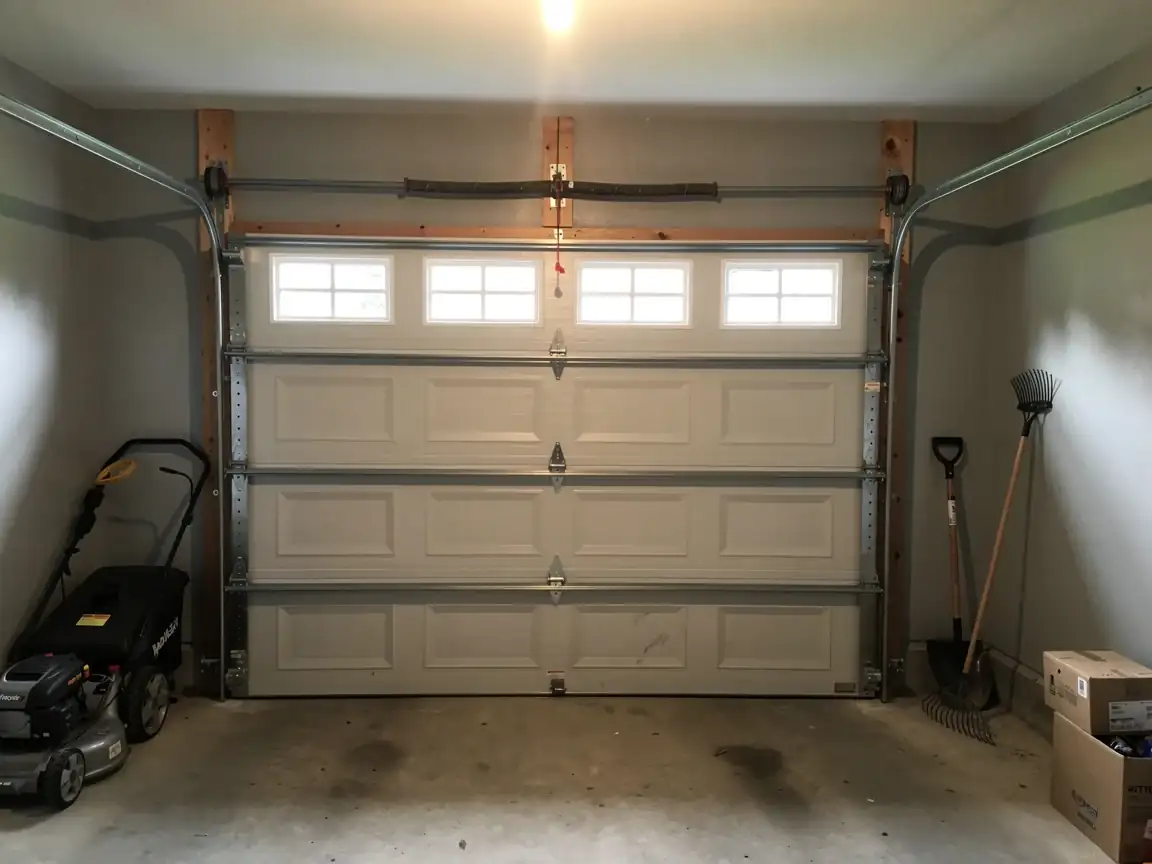
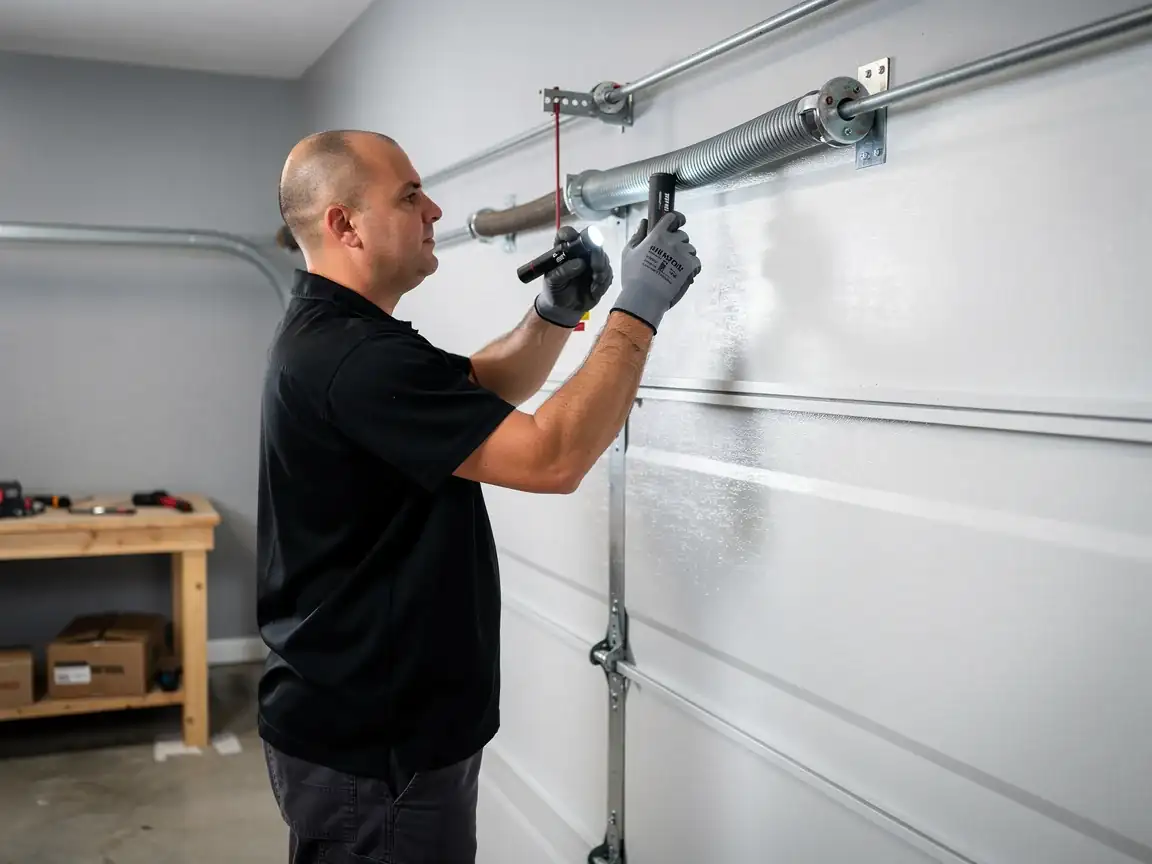
Older openings mean older spring systems. A lot of these garages still run extension springs along the horizontal track instead of a torsion bar over the header, especially where the garage was never remodeled after the house was built. Extension springs fail differently than torsion springs - they stretch, fray, and sometimes let a cable jump the pulley, which is a different repair than a snapped torsion coil. The cold winters this region sees put real stress on both styles: steel contracts, lubricant stiffens, and a spring that was already near its cycle limit is more likely to let go on a January morning than a June afternoon. We don't assume every call here is a simple torsion spring swap - on these older setups we check what's actually installed before quoting anything.
How We Get to You
We run out of Sterling Heights, about 9 miles from St. Clair Shores depending on which part of town you're in. That's a straight run down through the inner suburbs - nothing exotic, just a normal drive. We don't keep a second location or a drop box in St. Clair Shores itself, so we're not going to tell you we've got a truck parked around the corner. What we will tell you is that the trip doesn't change what we bring: the same stock of springs, cables, and rollers sized for the kind of mid-century openings common in this area, not just whatever fits a newer build.
What We Do Most in This Area
Spring replacement is the most common call we get from this part of town, and on houses from the late 1950s it's often an extension spring job rather than torsion, which changes what we show up with. Roller and track wear is the second most common - decades of use on original or near-original track takes a toll, especially with the temperature swings a Michigan winter brings. We also see a fair number of opener replacements where the drive is original or close to it and parts for it simply aren't made anymore; at that point replacement is the honest answer, not a repair that patches an obsolete unit for another year. One thing we won't do is try to force a modern opener onto track that's bent or out of spec - that gets fixed first, every time.
How it works
From “it’s stuck” to “it’s fixed”
A quick, honest process - no guesswork and no surprises.
1
Tell us what’s wrong
Describe the symptom - won’t open, loud bang, opener runs but the door won’t move.
2
On-site diagnosis
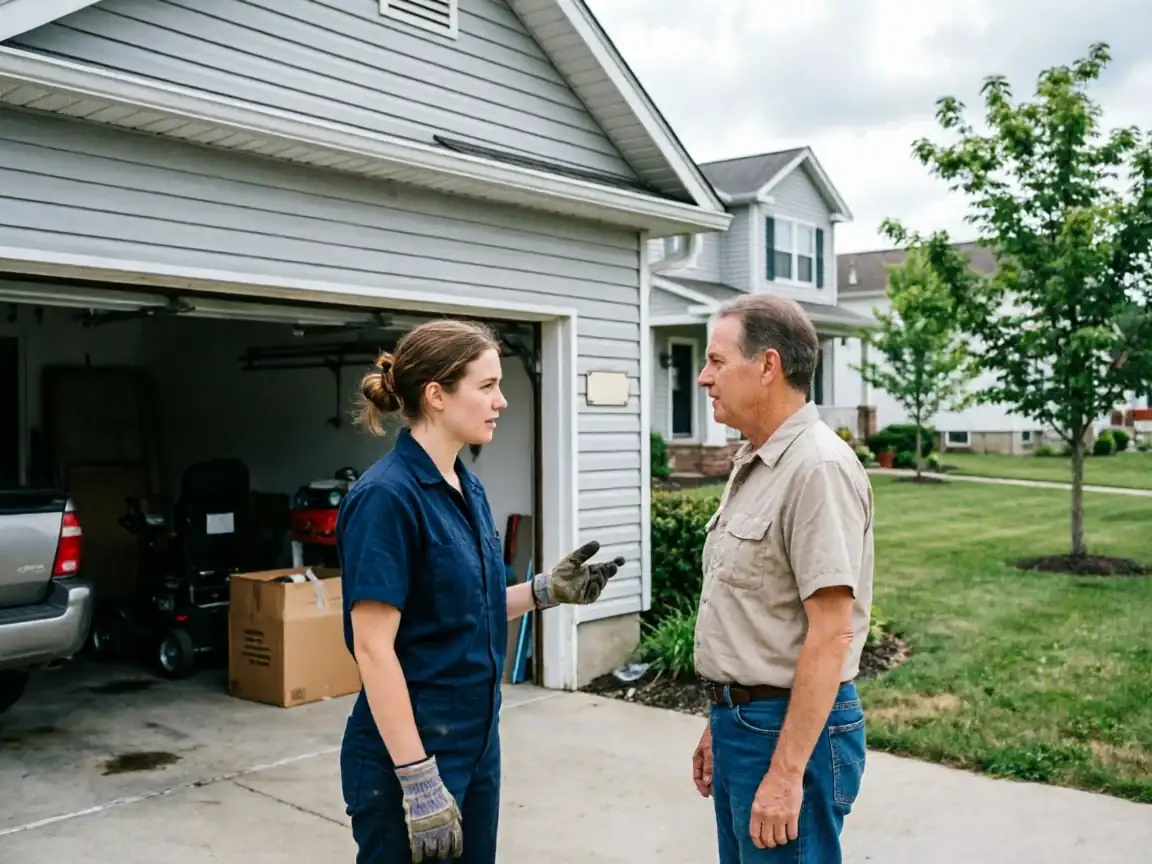
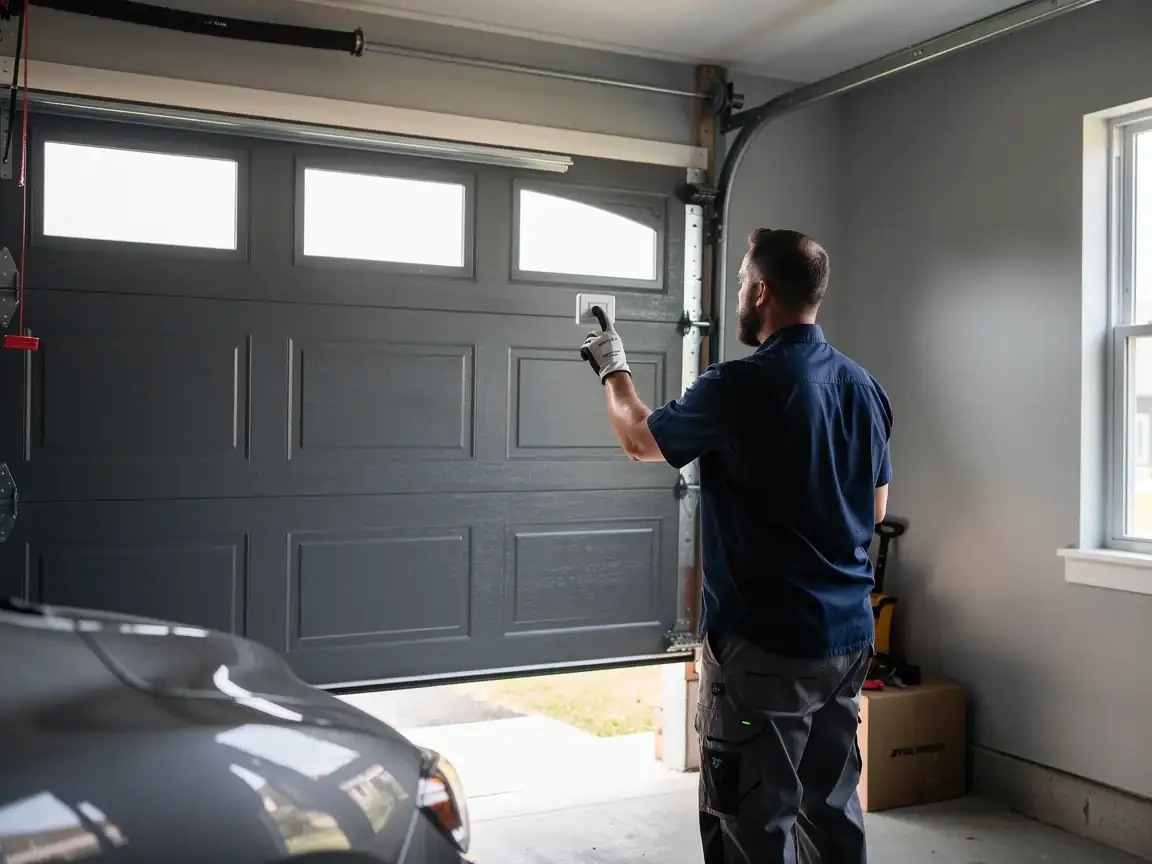
A technician tests the door under power and by hand and finds what actually failed.
3
Clear, up-front plan
You get the fix that’s needed and what drives the cost - before any work starts.
4
Repaired & tested
The repair is done, the door is set true and tested, and the work area left clean.
Next step
Not sure which repair your door needs in Sterling Heights, MI? Describe what it’s doing - every job starts with a diagnosis.
No. We work out of Sterling Heights and drive out to St. Clair Shores, about 9 miles. We don't keep a second location there, but the parts and the crew are the same as what we run on any job closer to home.
Why does my spring keep breaking on an older house like mine?
A lot of St. Clair Shores homes date to the late 1950s and still run original-style extension spring setups rather than torsion. Those springs wear differently and, combined with cold-weather stress on the steel, tend to fail more often than a properly sized torsion system would.
Is it worth repairing an opener that's decades old?
Sometimes, but not always. If the drive is an older model and parts aren't available anymore, we'll say so rather than patch it. On houses from this era that's a real possibility, since a lot of the original openers are long past their expected life.