What It Costs
We can't quote a number here without seeing the door
Because cost depends on what's actually broken and what the door is made of. A torsion spring job on a standard double door is a different bill than a cable off the drum or a opener logic board that's fried. What we can tell you is what drives the cost locally: a lot of the housing stock in this service area went up between 1938 and 2002, with the median closer to 1958, so a fair number of doors and openers out there are original or close to it. That means parts that aren't stocked on the truck as often - older torsion drums, specific track widths, discontinued opener models. When we have to source an obsolete part, that adds a day, sometimes more, and it adds to the bill. A straightforward spring swap on common hardware is quick and priced accordingly. A full teardown on a door that's been patched three times before is not. We'll tell you which one you've got before we touch anything, not after.
One honest note: if your door is old enough that replacement parts are genuinely hard to find
We'll say so rather than charging you for a repair that won't hold.
How It Shows Up
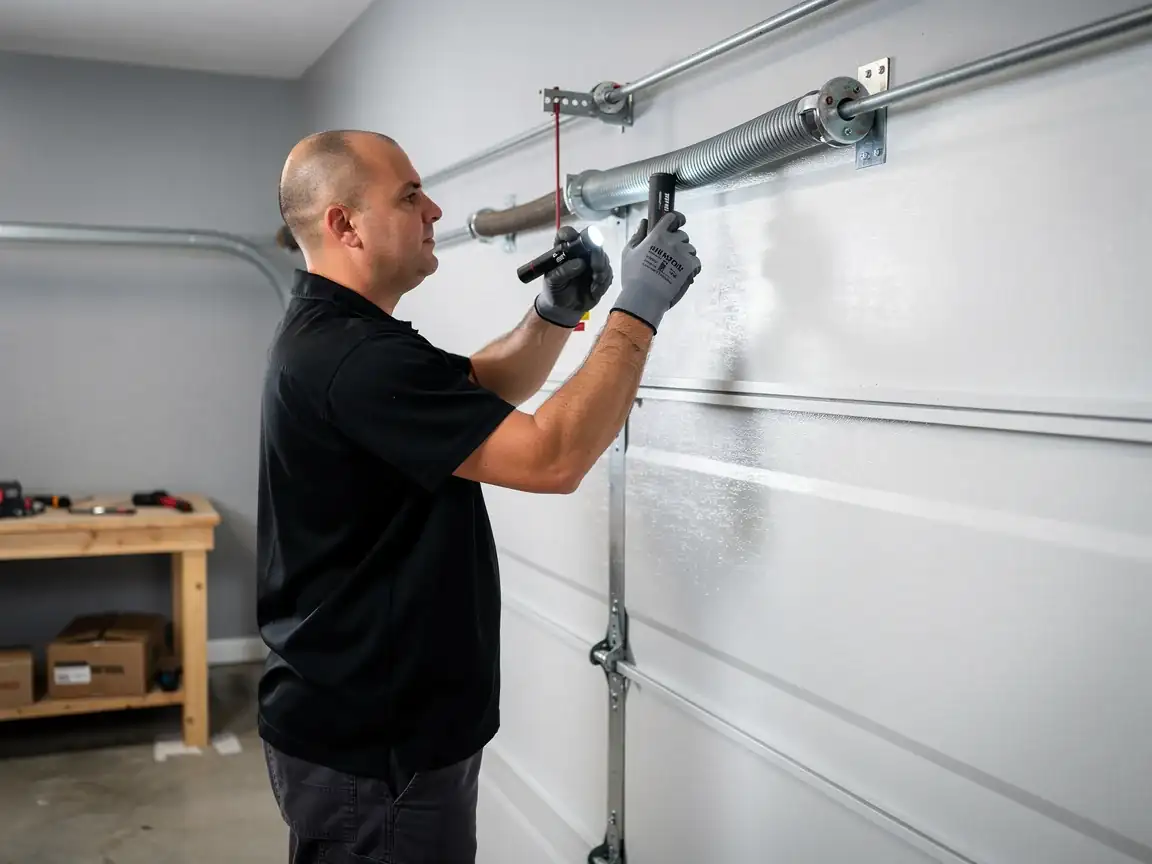
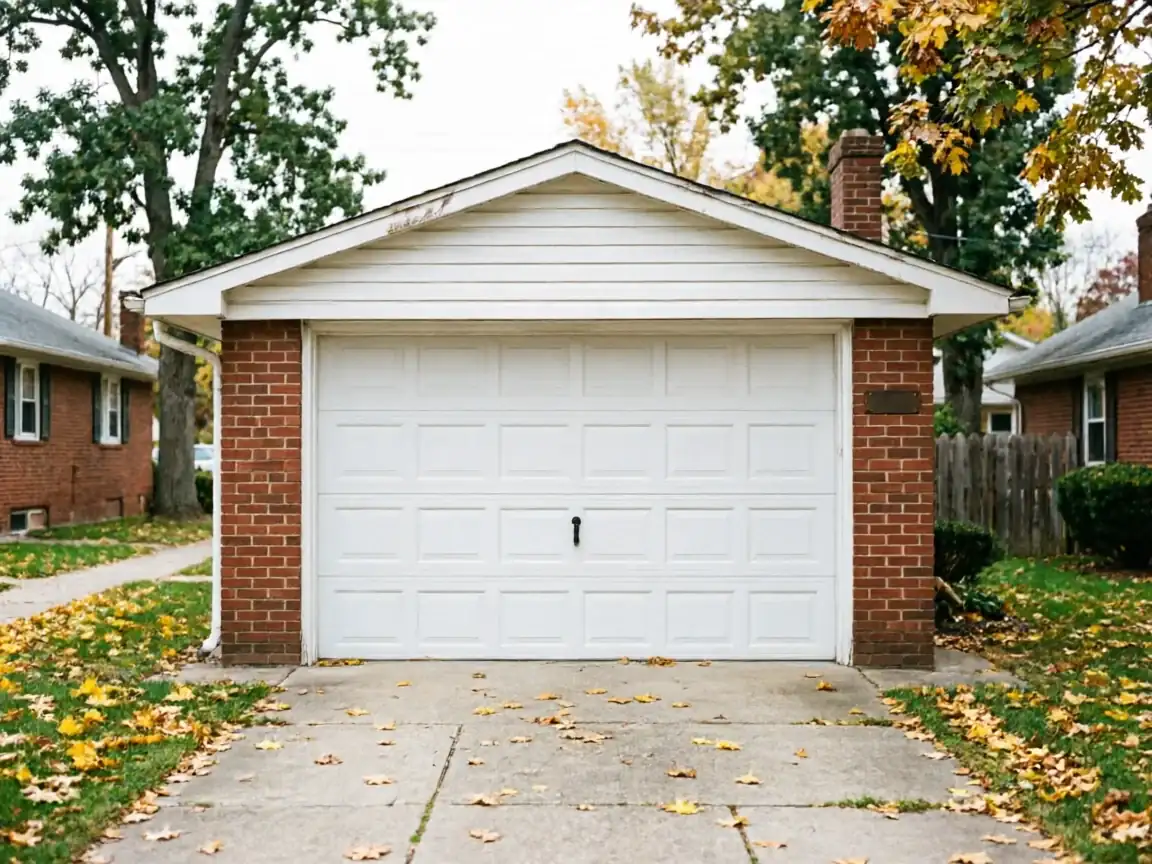
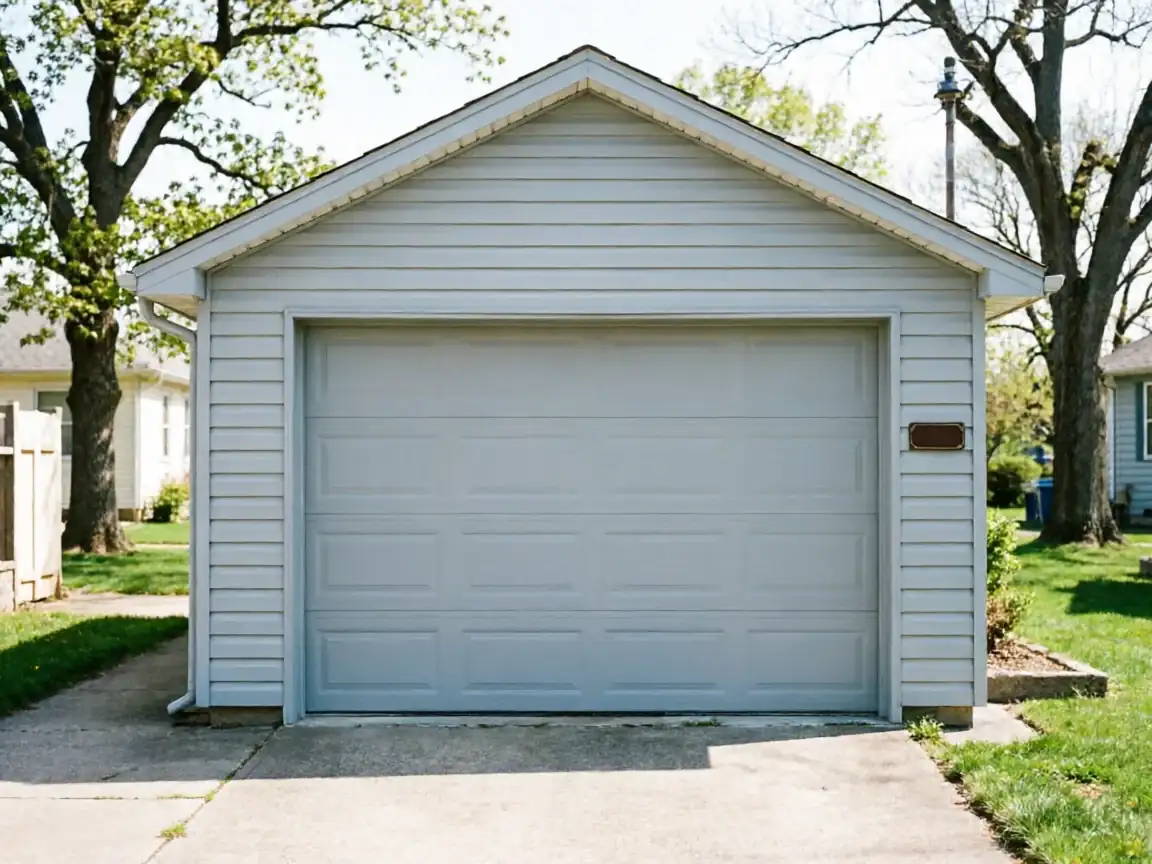
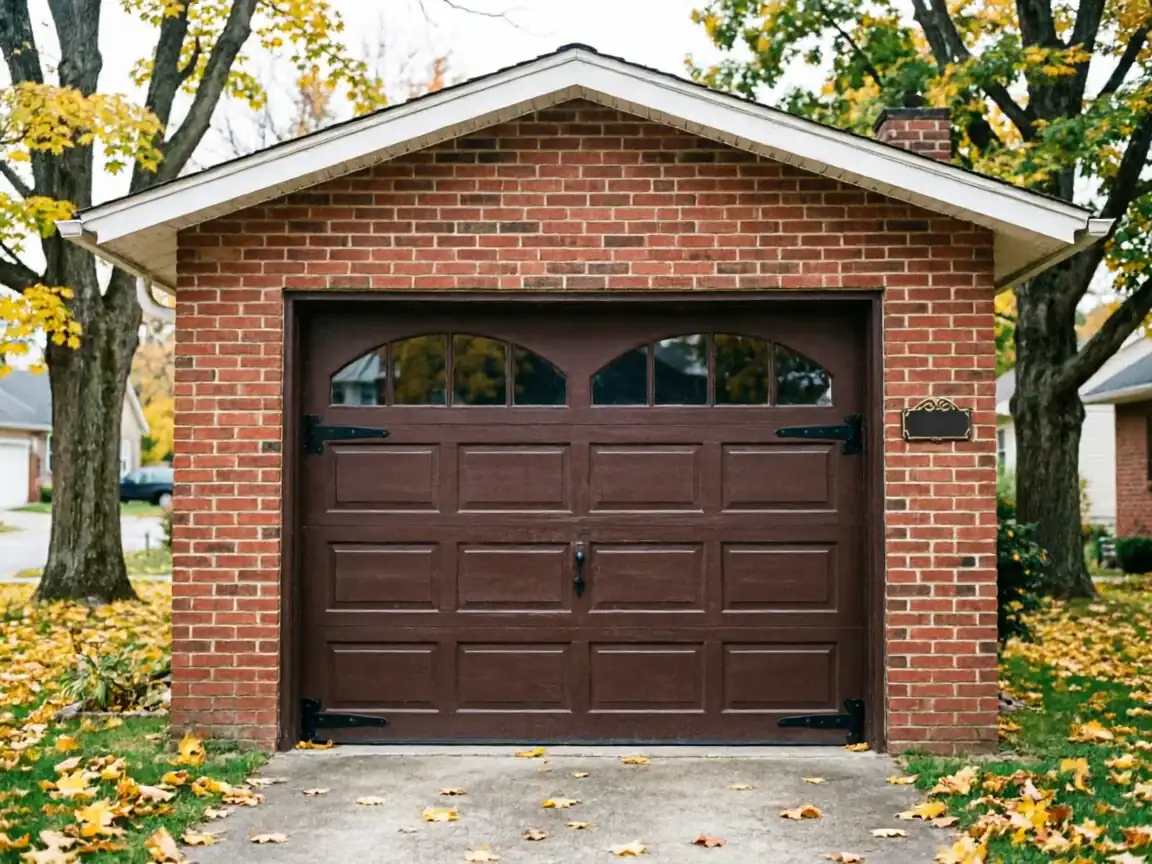
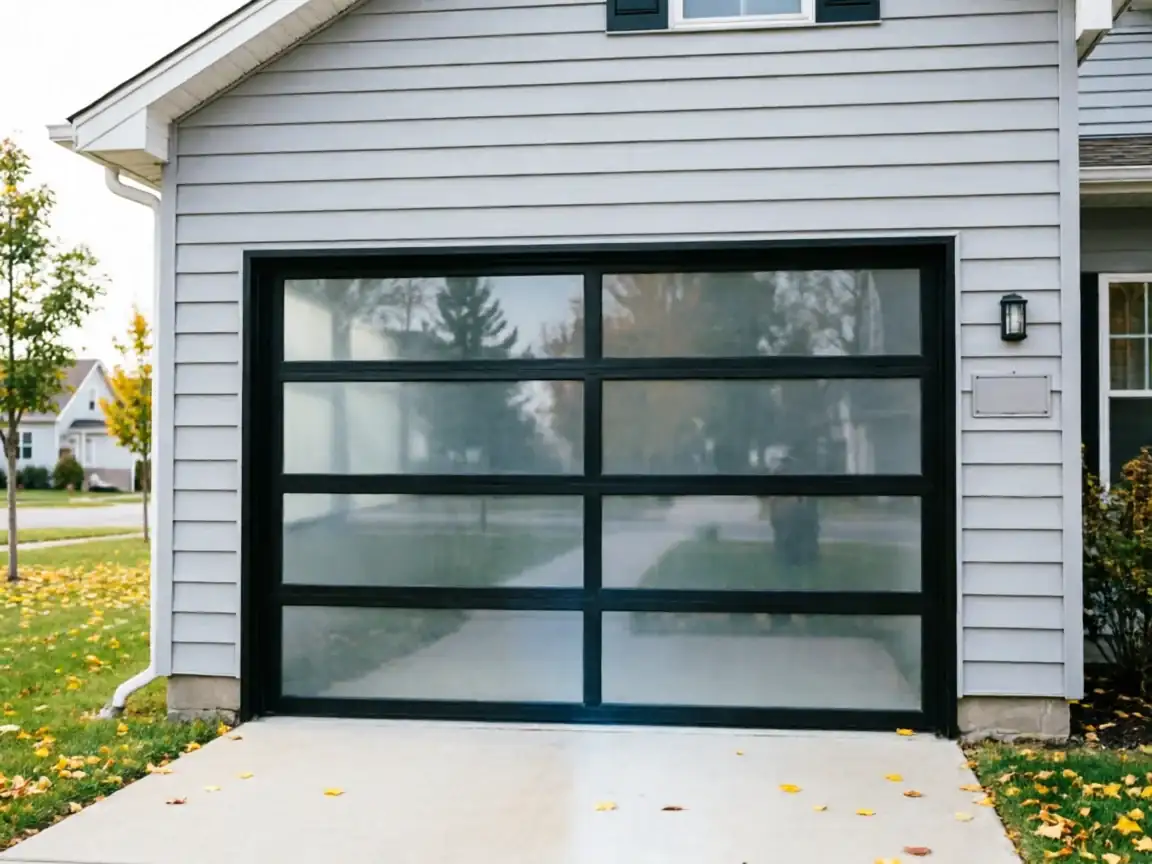
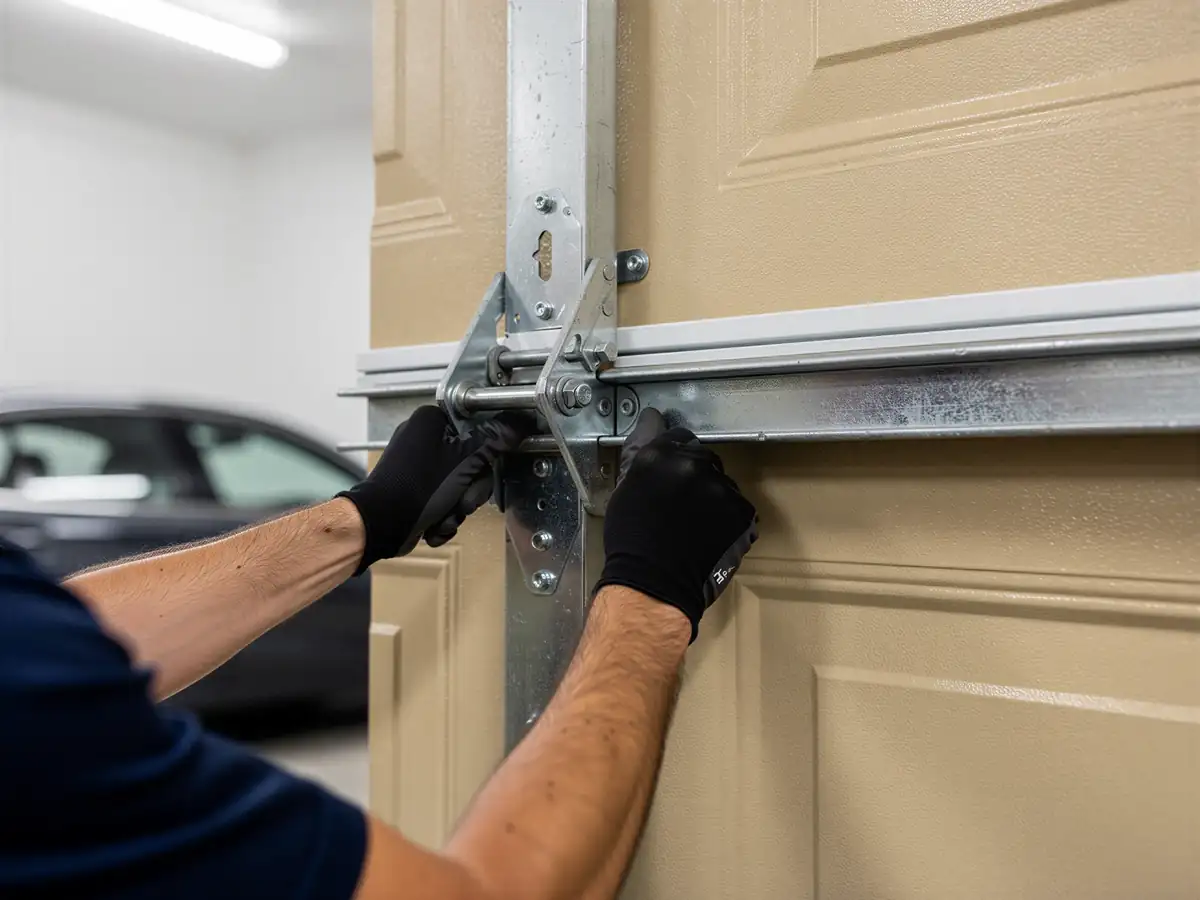
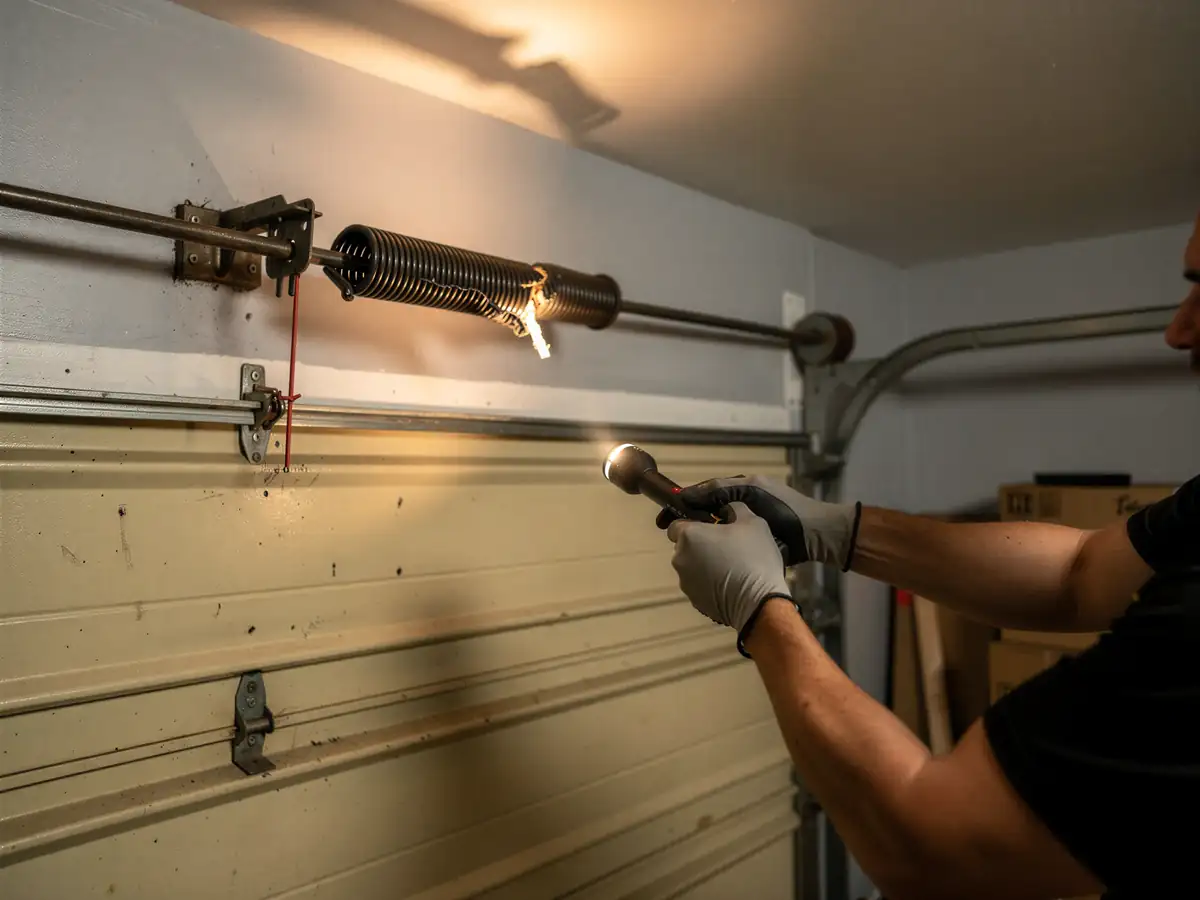
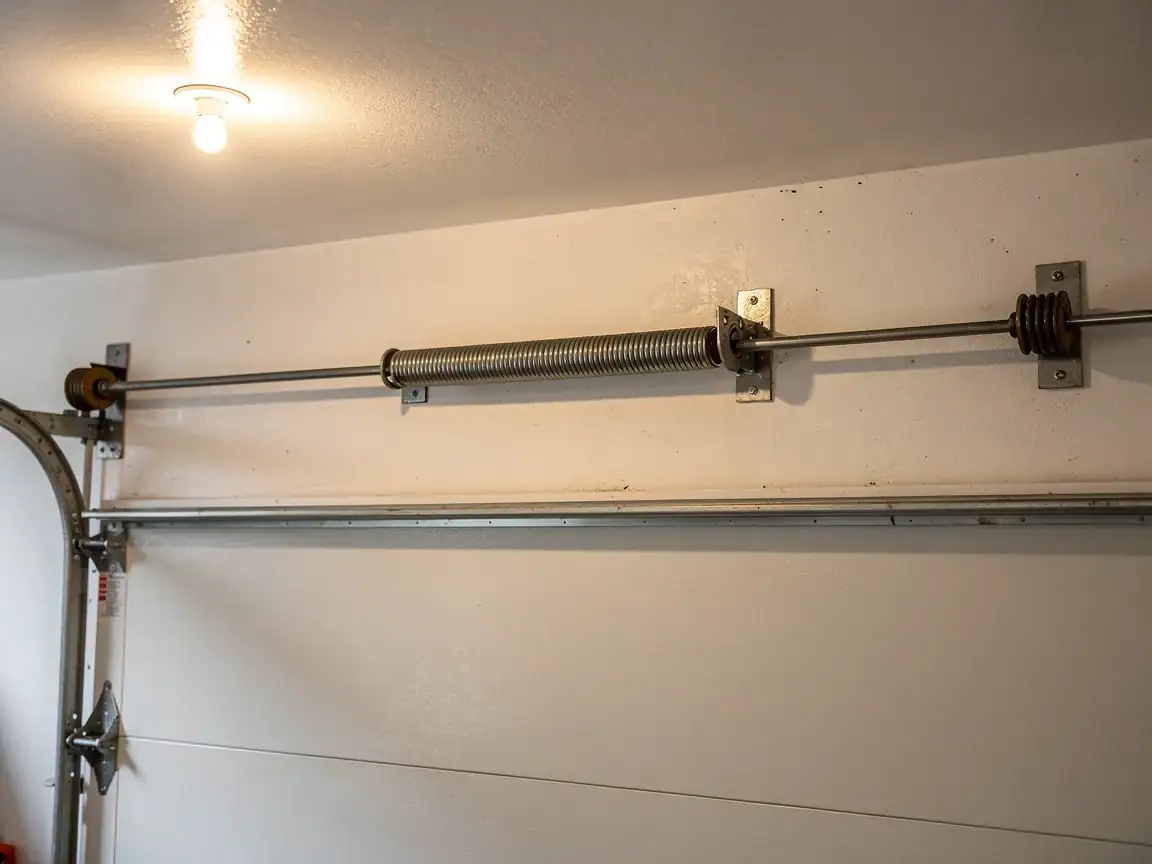
The call usually starts one of two ways. Either the door won't budge and there's a visible gap or kink in the torsion spring above the opening, or the door moves but the opener strains, grinds, or reverses itself halfway up. On older sectional doors - common in this area given how much of the stock predates 1960 - you'll also see rollers that have worn oval instead of round, tracks that have pulled slightly away from the jamb, or cables fraying where they wrap the drum.
Sometimes it's quieter: the door starts closing crooked, one side dropping faster than the other, which usually means one spring let go while its twin is still holding. Left alone, that uneven pull puts stress on the opposite track and the panel seams. If your door has gotten noticeably heavier to lift by hand over the last few months, that's often the spring losing tension before it actually snaps - worth a call before it fails on you at 6am in January.
Why It Happens Here
Two things stack on top of each other in this area. First, the age of the housing: with homes built between 1938 and 2002 and a median build year around 1958, a lot of garage doors and torsion hardware here have simply been cycling longer than the manufacturer's rated spring life, especially on houses that haven't had an upgrade since the original install. Older one-piece and early sectional setups also used lighter-gauge springs than what's standard now, so they fatigue sooner under the same daily use.
Second is the climate. This area sits in a cold, severe winter band, and steel springs lose tension and become more brittle to cycle in sustained cold. A spring that's been stretching its last few hundred cycles all summer is far more likely to snap on the first hard cold snap than in July. That's why we see a real jump in spring-failure calls once temperatures drop and stay down - it's not coincidence, it's metal fatigue meeting cold weather on hardware that was already near the end of its service life.
Doing It Yourself
There's a real limit to what's safe to do yourself here, and it's worth being blunt about it
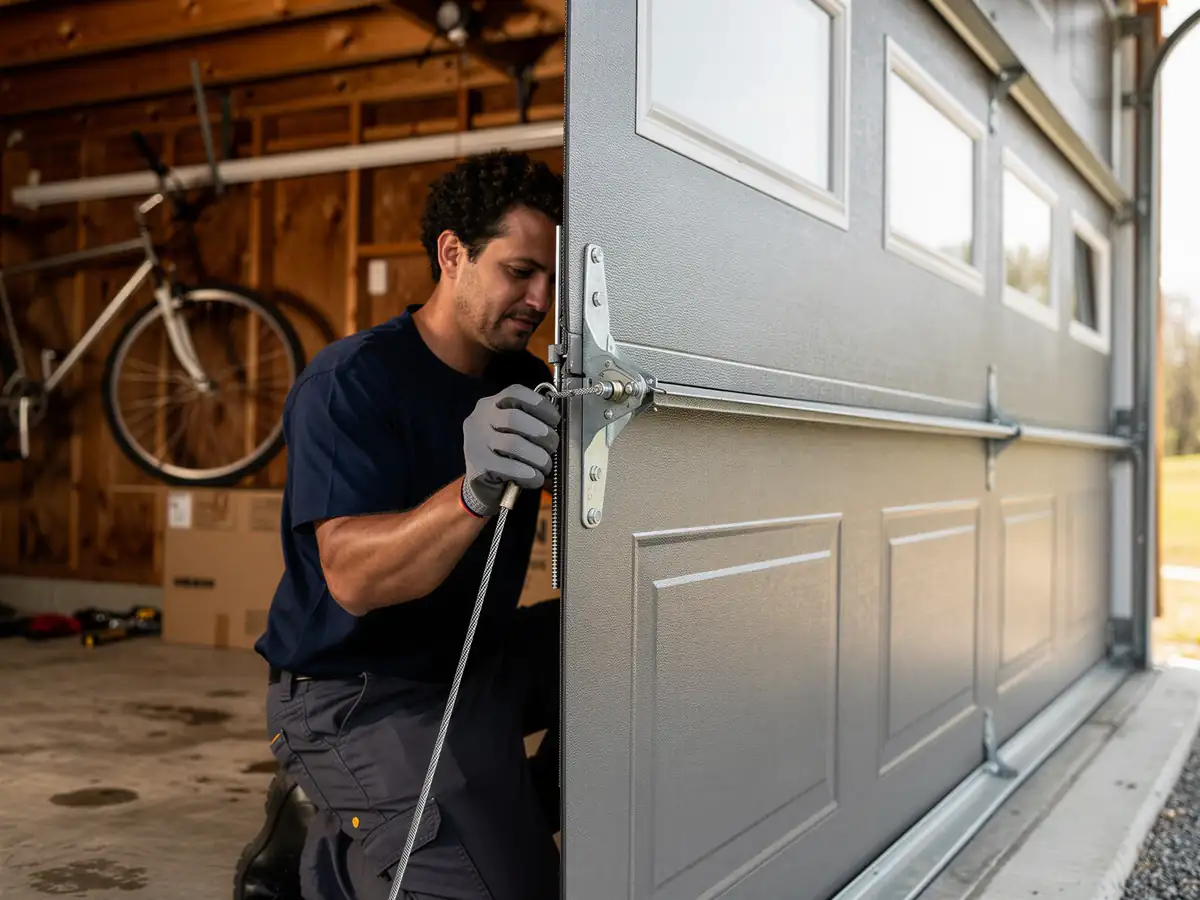
Lubricating hinges and rollers, tightening loose hardware, checking the auto-reverse sensors, and clearing track debris are all reasonable weekend jobs. A torsion spring is not. It's wound under enough tension to cause serious injury if it's released wrong, and on the older hardware common in homes built before 1960 in this area, the winding cones and drums are often worn or non-standard, which makes a DIY spring swap riskier than on newer equipment.
Cables under tension carry the same risk
If a cable has frayed or a spring has already let go, the safest move is to leave the door down, unplug the opener so it doesn't try to force it, and call someone who does this daily. Where DIY genuinely helps is prevention: a yearly check of spring wear and hardware tightness before the cold sets in catches a lot of what turns into an emergency call in January.