Serving Sterling Heights, MI & nearby
(586) 371-2776
Sterling Heights, MI

Why Springs Break in the Cold Around Sterling Heights

Sterling Heights homes built 1938-2002 run older torsion springs that snap in deep cold. Here's why it happens here and what it actually takes to fix it.

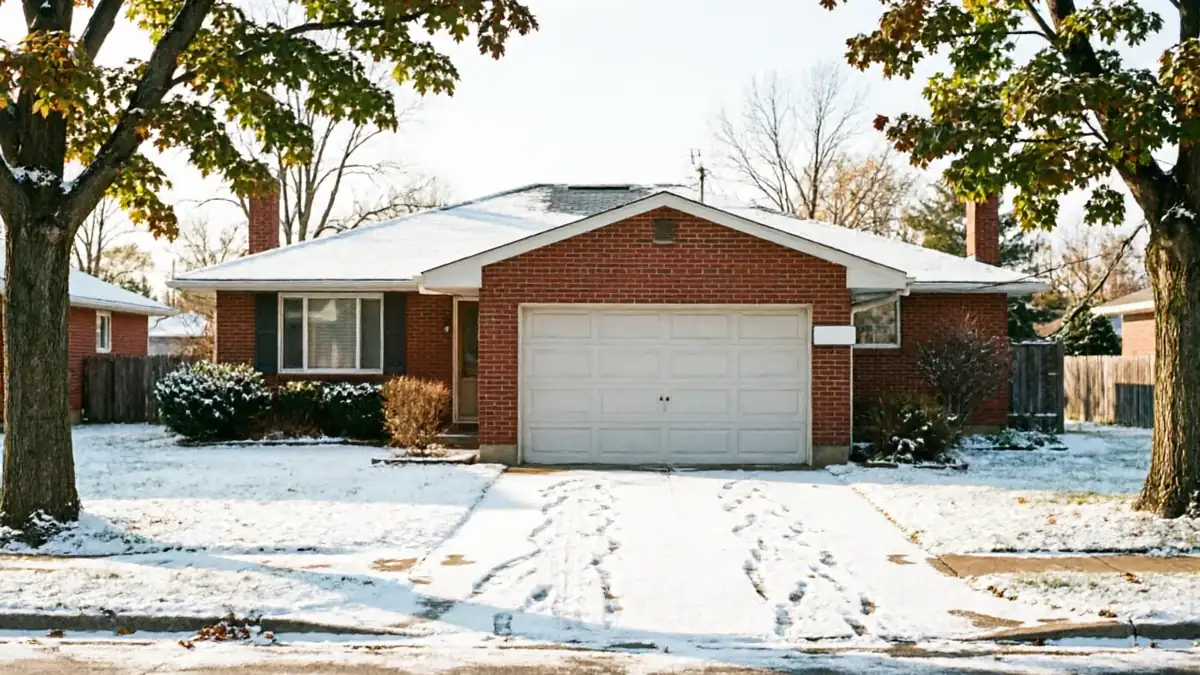
A red brick house with a white garage door and a snow-covered driveway.

What the Weather Here Does to It

  1. Sterling Heights sits in a severe cold climate band

    And that matters more for a garage door spring than almost anything else. Steel contracts in the cold, and a torsion spring that's already fatigued from years of cycling gets less flexible right when the temperature drops hardest. The spring doesn't know it's cold outside - it just has less give left in the metal, and the next cycle that would have been fine in July is the one that lets go in January.

  2. Most of the housing stock in this service area went up between 1938 and 2002

    With a lot of it clustering around 1958. A door that's been opening and closing on the same spring for three or four decades is already near the end of its wind count. Cold doesn't cause the failure by itself - it's the last stress on a spring that was going to fail anyway, and it moves the timeline up. That's why the first hard cold snap of the season is when the phone starts ringing, not July.

  3. This isn't a reason to panic every time it's below freezing

    It's a reason to know your spring's age and not wait for the loud bang to find out it was past due.

What It Costs

We don't post a flat number here because the job depends on what's actually on your door, and that varies a lot with housing this old across the area. A single torsion spring job is different money than a two-spring double-door setup, and a lot of the pre-1960 stock in this part of Michigan still has original hardware that doesn't match what's on the shelf - which can mean sourcing a part instead of grabbing one off the truck.

What we can tell you is what drives the number up or down: spring count, whether the drum and cable need replacing with it, and whether the opener's travel settings need resetting after. If a technician tells you a price before looking at the door and the hardware, that's a guess, not a quote.

One honest limit: if your springs are original to a house built in the '50s or '60s, we're not always going to be able to match the exact wind and wire gauge on the spot. Sometimes the right fix is a modern equivalent spring, not an identical replacement, and that's a conversation worth having before the work starts, not after.

The Common Mistake

The mistake we see most in this area isn't neglect - it's waiting for the spring to look broken before calling. A spring that's losing tension doesn't always snap clean. Sometimes it just gets weaker, and the opener starts working harder to lift the door, which shortens the life of the opener motor too. By the time someone notices the door is slow or the opener strains on a cold morning, the spring's often already past the point where a quick adjustment fixes it.

The other version of this mistake is specific to older homes in the area: owners with original 1950s-to-1970s doors assume any noise or stiffness is normal for a door that age, and they let it ride through another winter. With the cold band this area sits in, that's the wrong year to let it ride. A spring under stress in severe cold is more likely to let go suddenly, and a door coming down uncontrolled is a real hazard, not just an inconvenience.

What Is Going On

  1. When a spring goes in cold weather on a Sterling Heights garage door

    It's almost never the cold alone. It's a spring near the end of its cycle count, under extra load from contracted steel, finally giving out on an ordinary lift. The bang is loud and the door usually won't open at all afterward, which is the point where most people call.

  2. What we check first is whether it's one spring or a matched pair

    Since a lot of double doors in this area run two torsion springs and a failed one puts uneven strain on the other. We also look at the cable and drums, since a spring breaking under tension can sometimes nick a cable on the way. For houses closer to the 1958 median build year, we're also checking whether the track and rollers have kept pace with the door or if they're original too - a new spring on worn rollers doesn't solve the whole problem, it just delays the next call.
How it works

From “it’s stuck” to “it’s fixed”

A quick, honest process - no guesswork and no surprises.

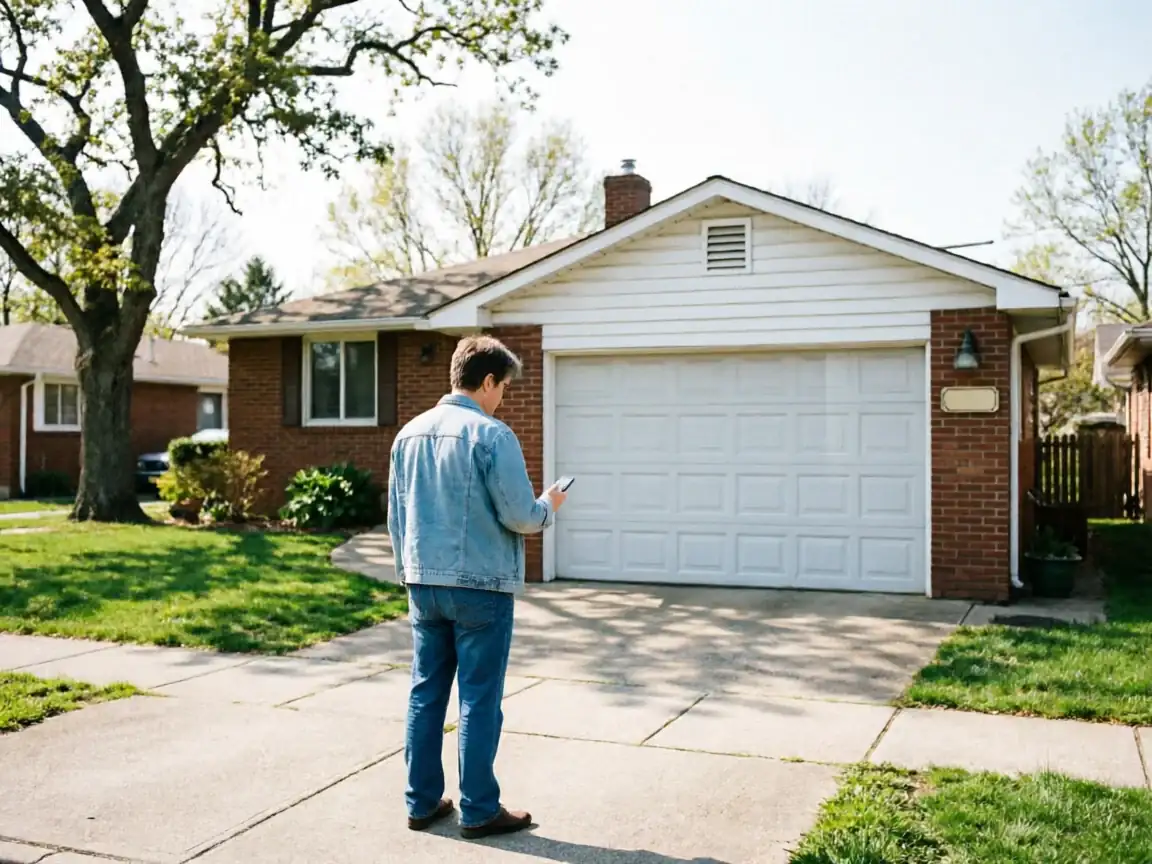
  1. A man in a denim jacket stands in a driveway looking at his phone.
    1

    Tell us what’s wrong

    Describe the symptom - won’t open, loud bang, opener runs but the door won’t move.

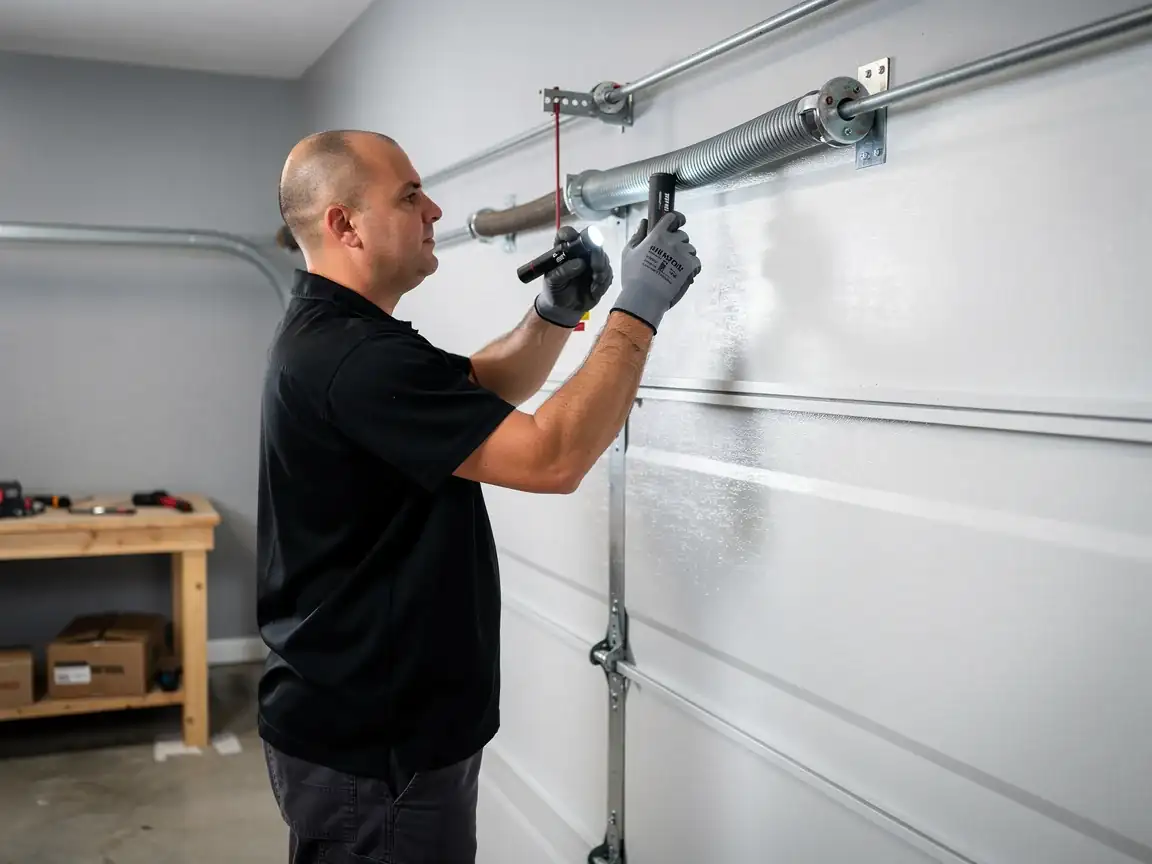
  2. A technician inspects a garage door torsion spring with a flashlight.
    2

    On-site diagnosis

    A technician tests the door under power and by hand and finds what actually failed.

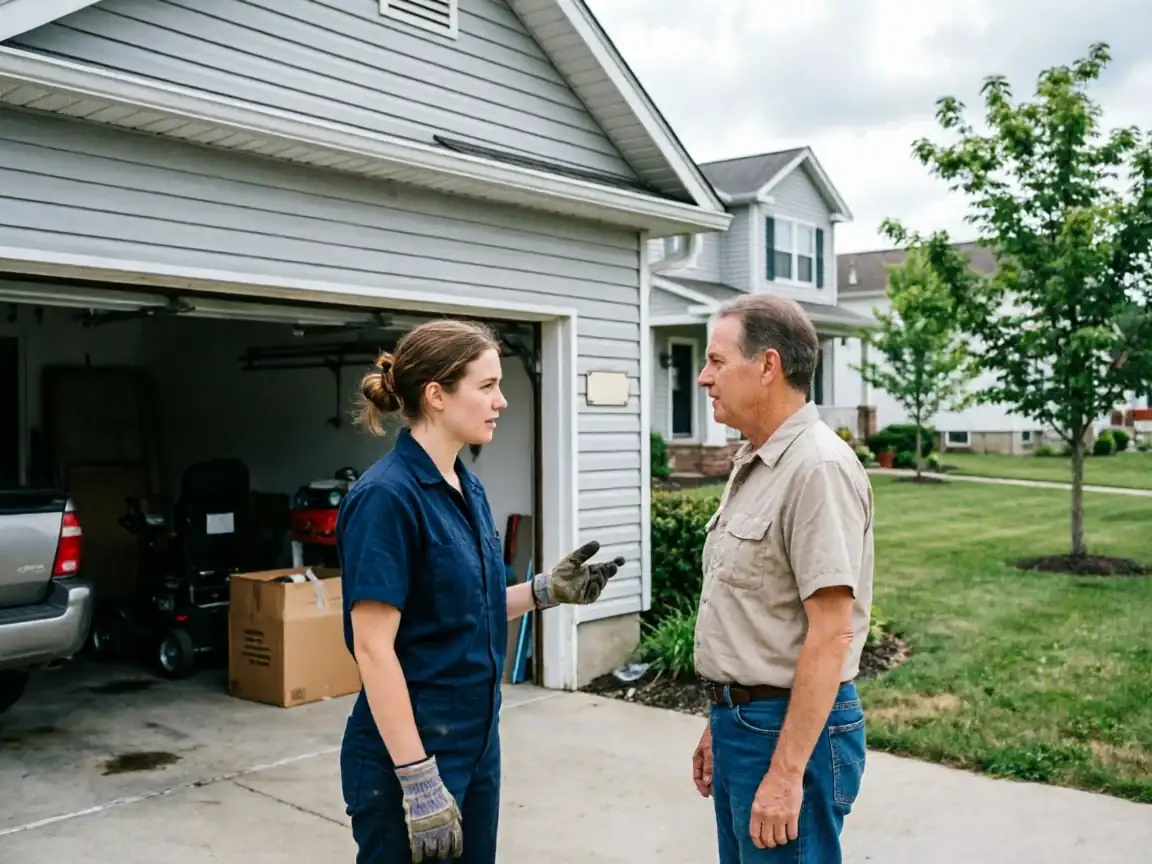
  3. A technician in a blue uniform talks to a man in front of an open garage.
    3

    Clear, up-front plan

    You get the fix that’s needed and what drives the cost - before any work starts.

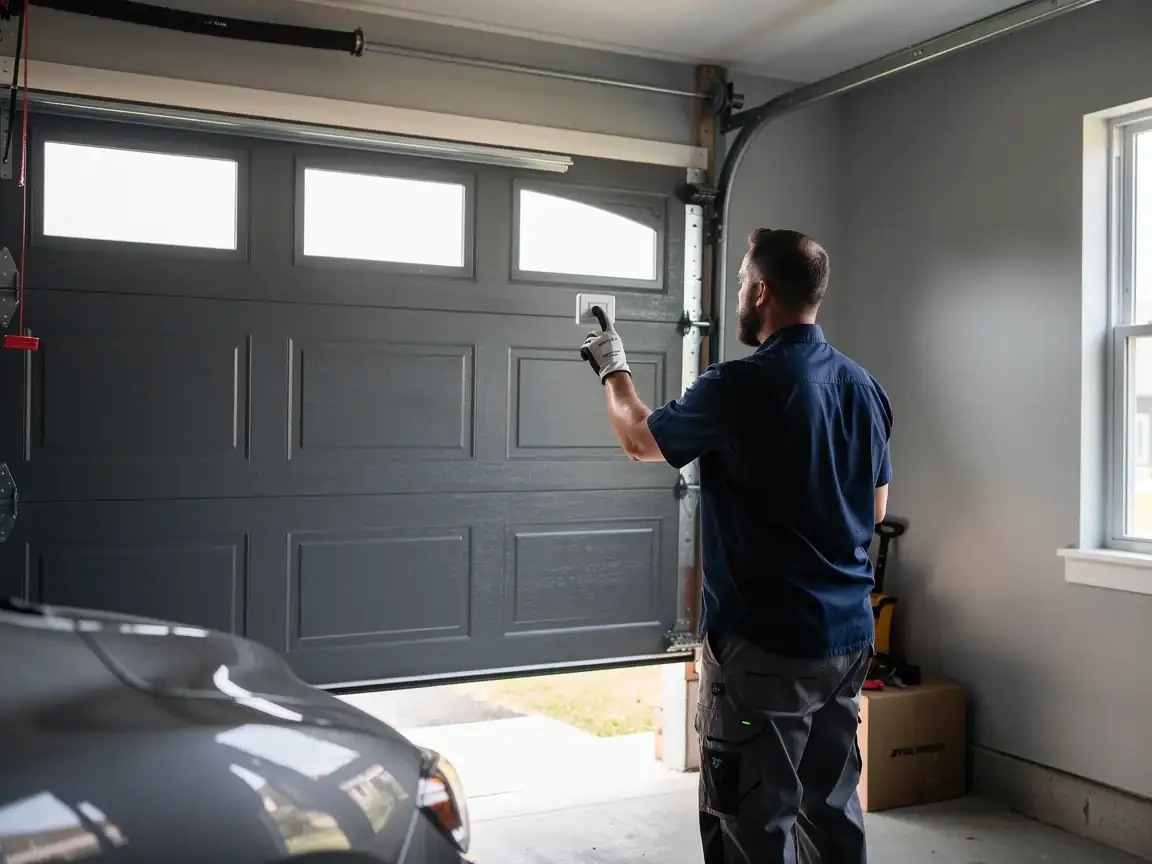
  4. A technician in a blue shirt and gray pants operates a gray garage door.
    4

    Repaired & tested

    The repair is done, the door is set true and tested, and the work area left clean.

Next step

Not sure which repair your door needs in Sterling Heights, MI? Describe what it’s doing - every job starts with a diagnosis.

How we work

What to expect

Diagnosis firstEvery visit starts by finding what actually failed - not a pre-written parts list.
The right part for the doorSprings and openers matched to the door’s weight and age, so the fix holds up.
Straight answersWhen a repair makes more sense than a replacement - or the reverse - you hear it plainly.
Clean, careful workTension released safely, hardware set true, the door tested under power before we leave.
What we do

Garage Door Services

Repair and installation work for Sterling Heights homes and businesses.

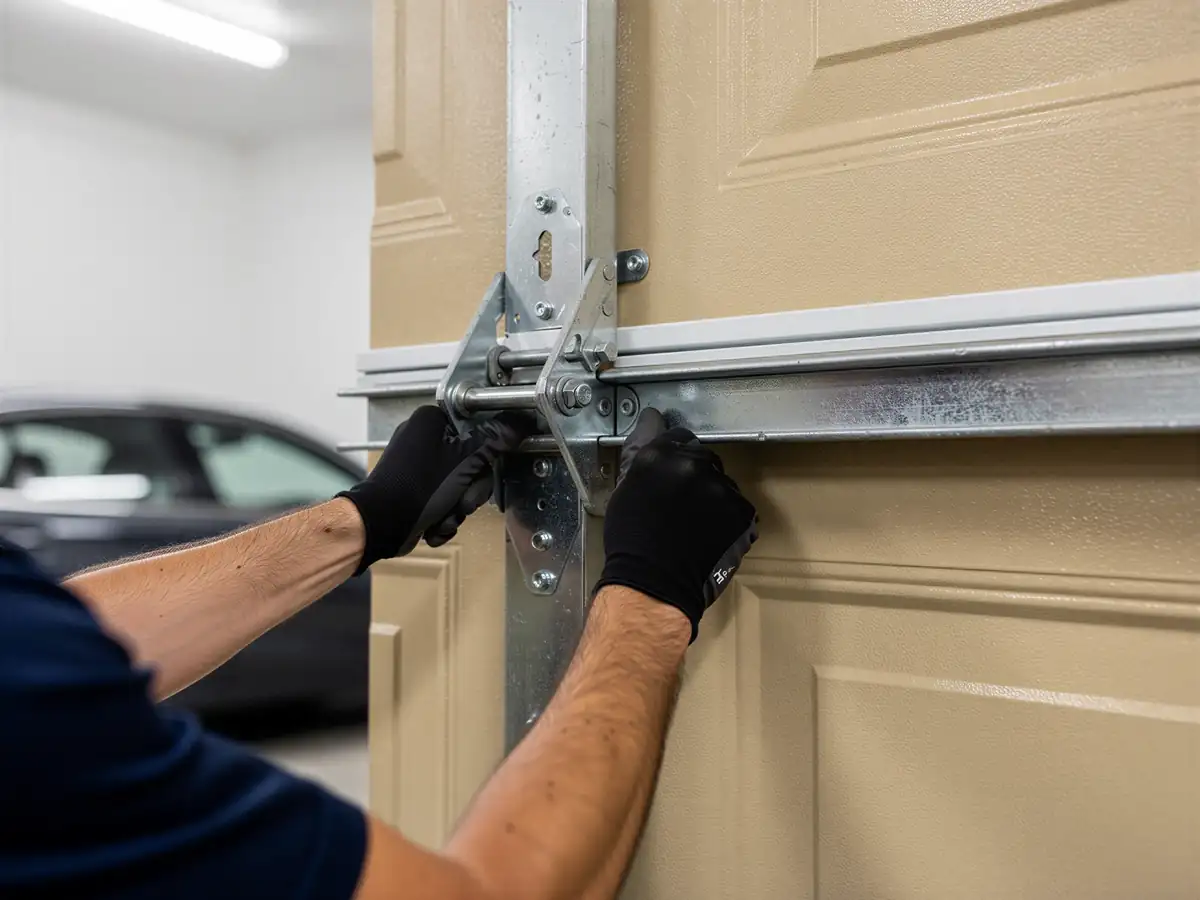
A technician in black gloves adjusts a metal garage door hinge.

Garage Door Repair

Garage door repair for Sterling Heights homes built 1938-2002, where original torsion hardware and Michigan winters wear out springs and openers early. Call for a straight assessment.

Learn more
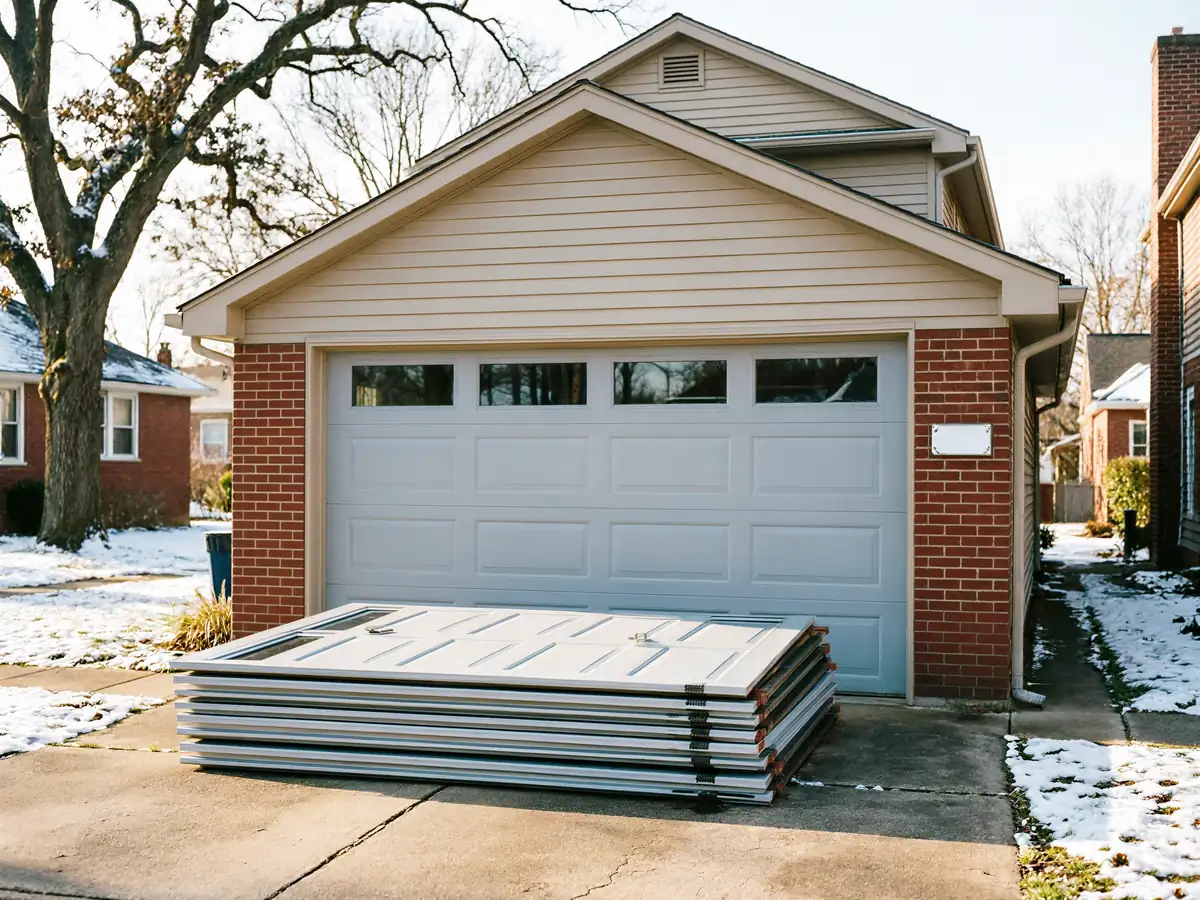
A stack of new garage door panels sits in front of a house with a garage.

Garage Door Installation

New garage door installs sized for Sterling Heights homes built 1938-2002, matched to severe cold winters and the original openings common across this pre-1960 housing stock.

Learn more
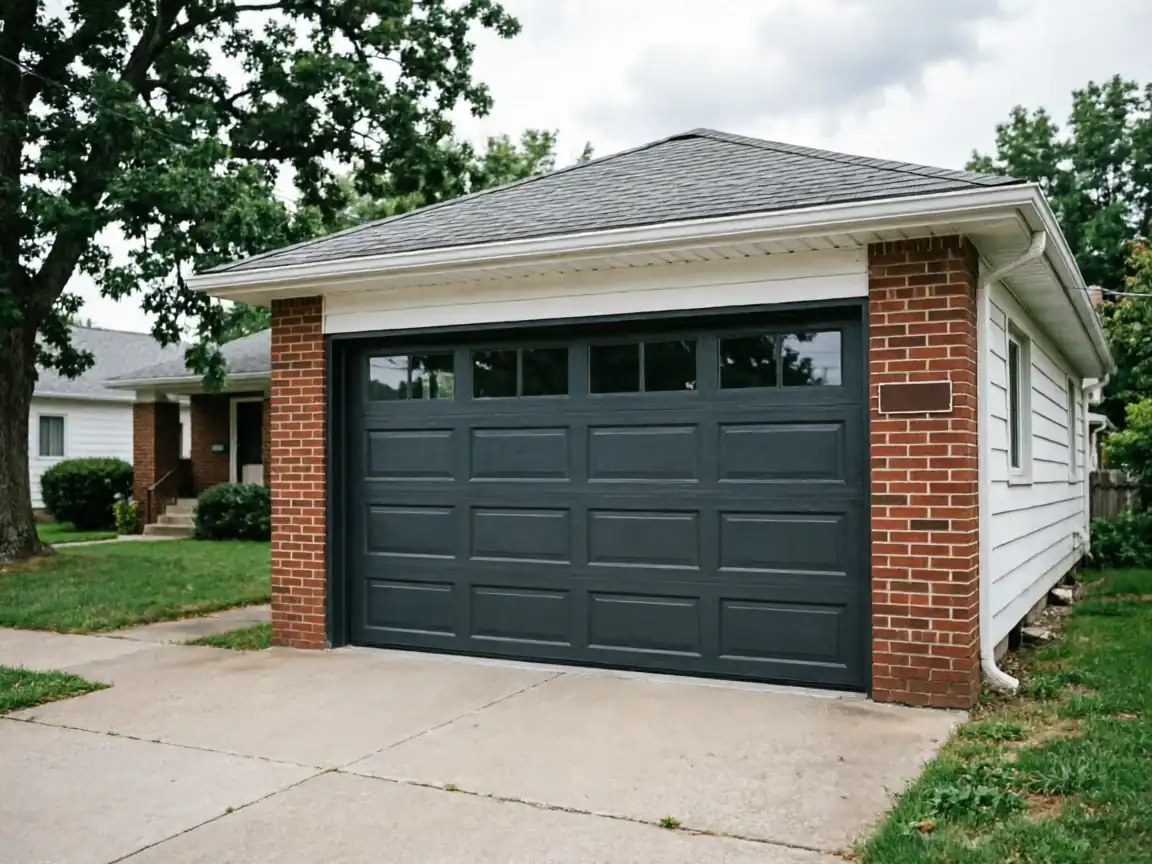
A dark gray garage door with windows is on a brick and white garage.

Garage Door Service

Garage door service for Sterling Heights homes built mostly before 1960, where cold winters and original hardware mean specific spring and track failures.

Learn more
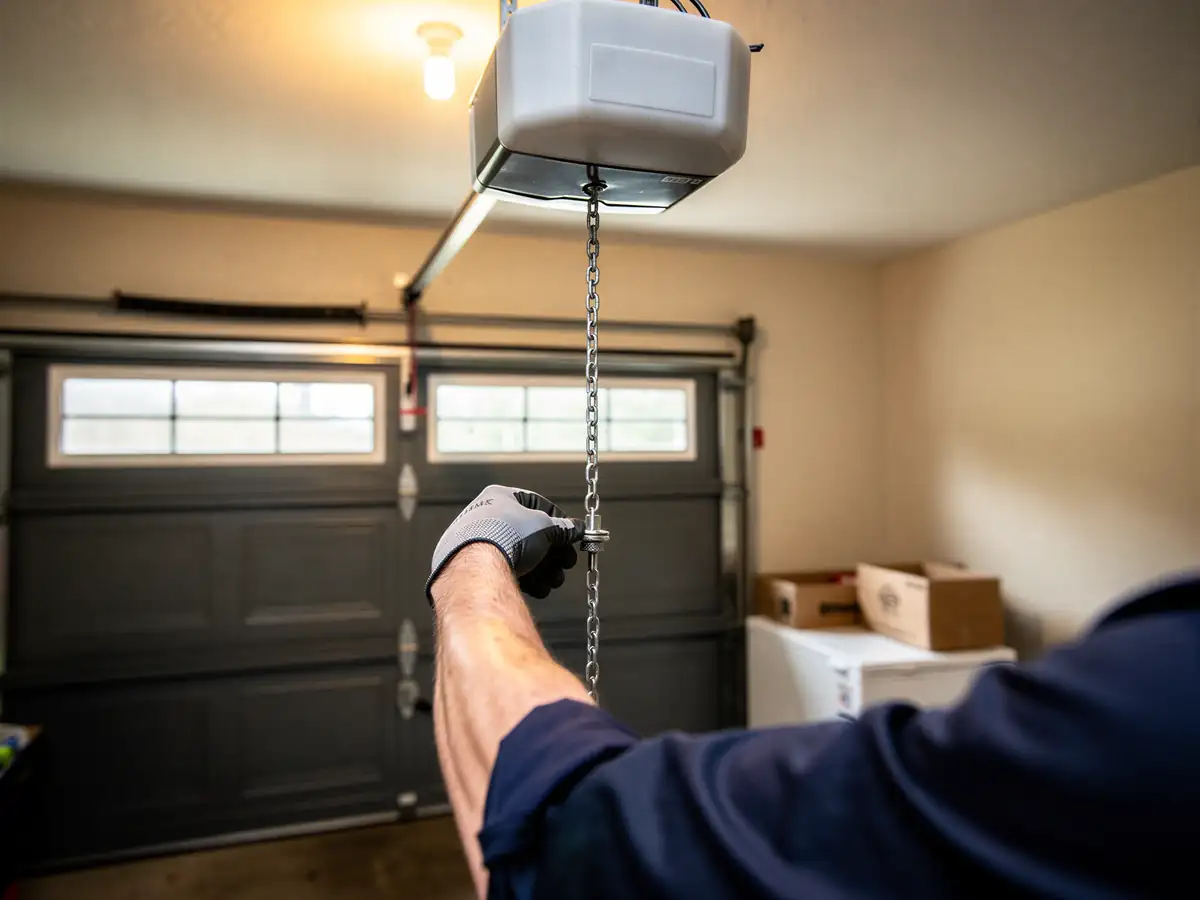
A technician's gloved hand pulls the chain on a garage door opener.

Opener Repair

Opener repair for Sterling Heights homes built 1938-2002, where cold winters and aging circuit boards cause most of the no-start and reversing calls we get.

Learn more
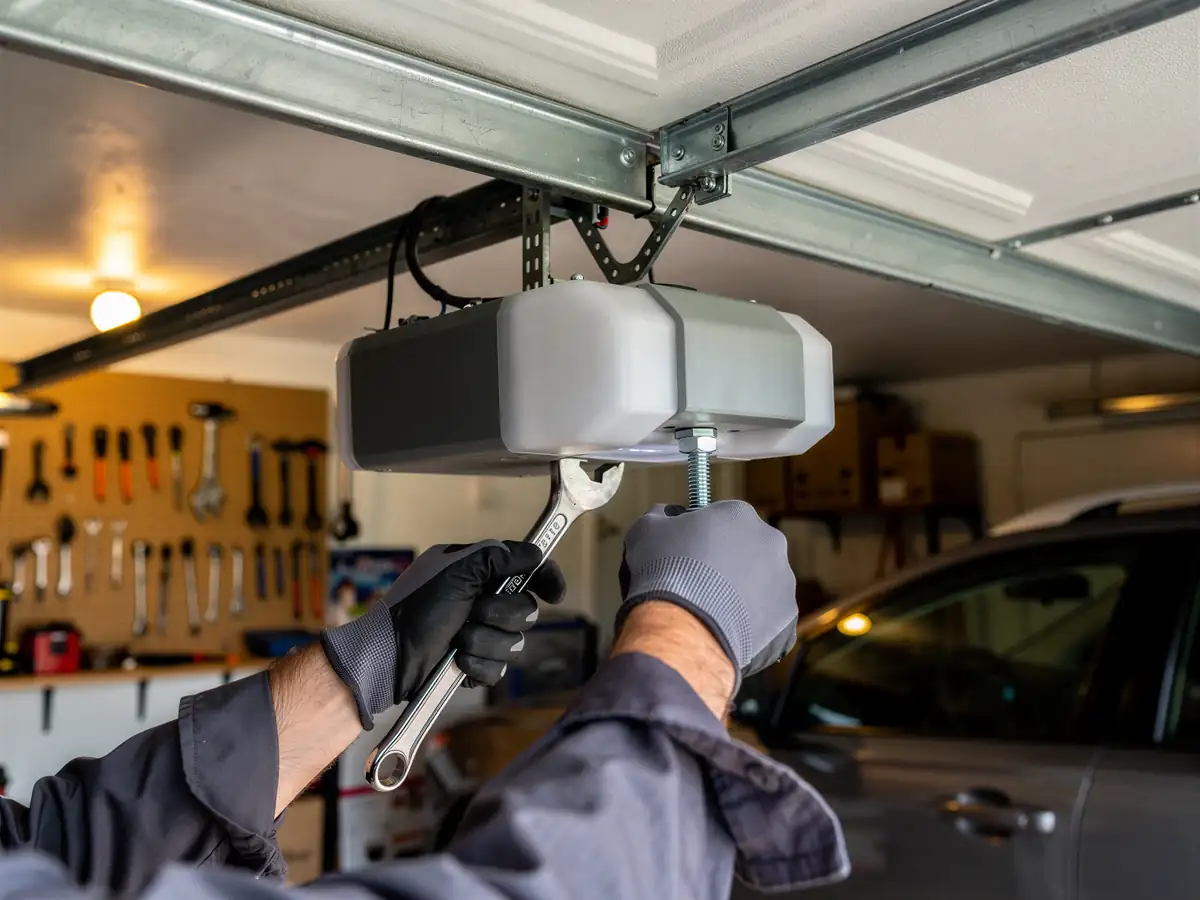
A technician adjusts a garage door opener with a wrench.

Opener Installation

Opener installs for Sterling Heights homes built 1938-2002, matched to original torsion hardware and sized for severe-cold winters. No price invented, straight talk on what drives the job.

Learn more
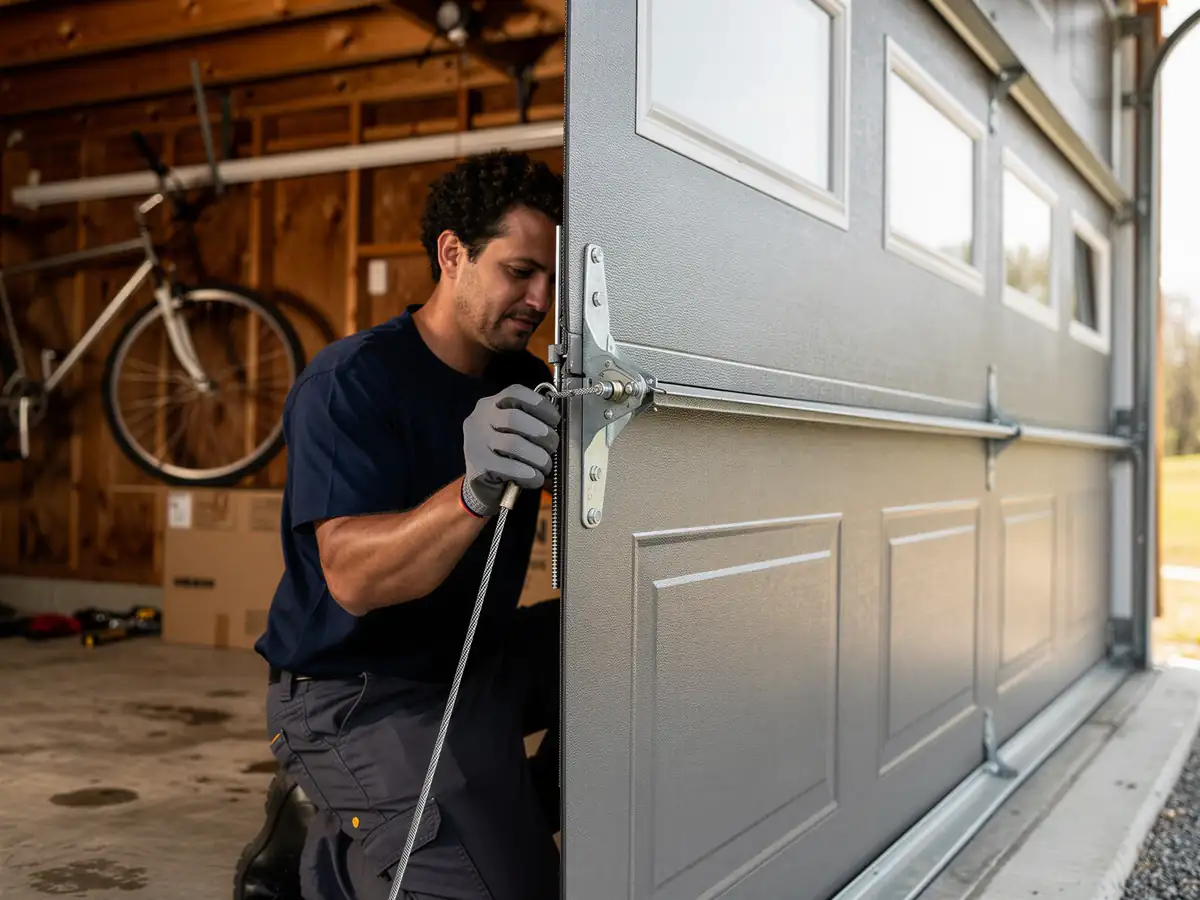
A technician kneels, working on the cable and roller of a gray garage door.

Cable Repair

Broken garage door cable in Sterling Heights, MI? We repair snapped, frayed, and off-track cables on the pre-1960 housing stock found in this service area.

Learn more
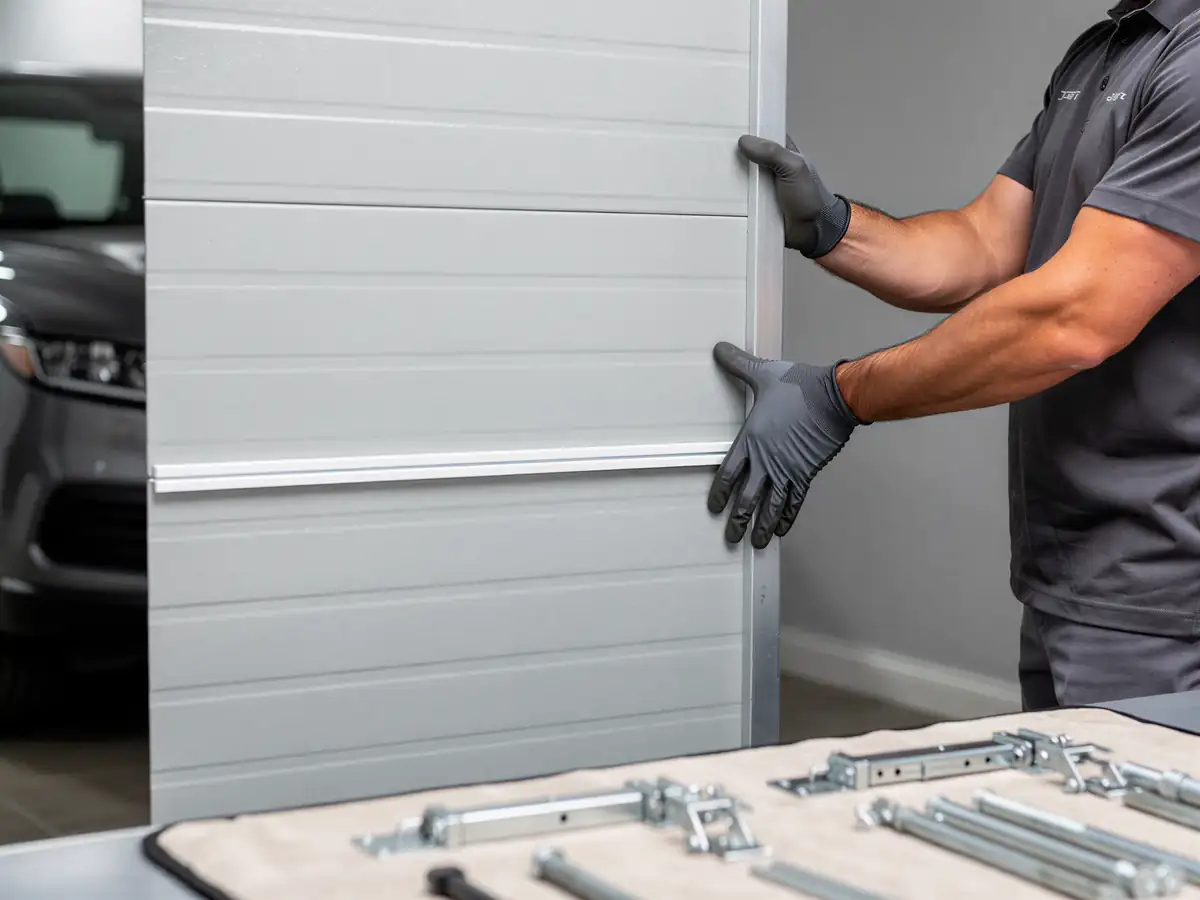
A technician in gloves installs a gray garage door panel next to a car.

Panel Replacement

Panel replacement for the dented, cracked, and rusted-through doors common on Sterling Heights's 1938-2002 housing stock. Honest options, no invented pricing.

Learn more
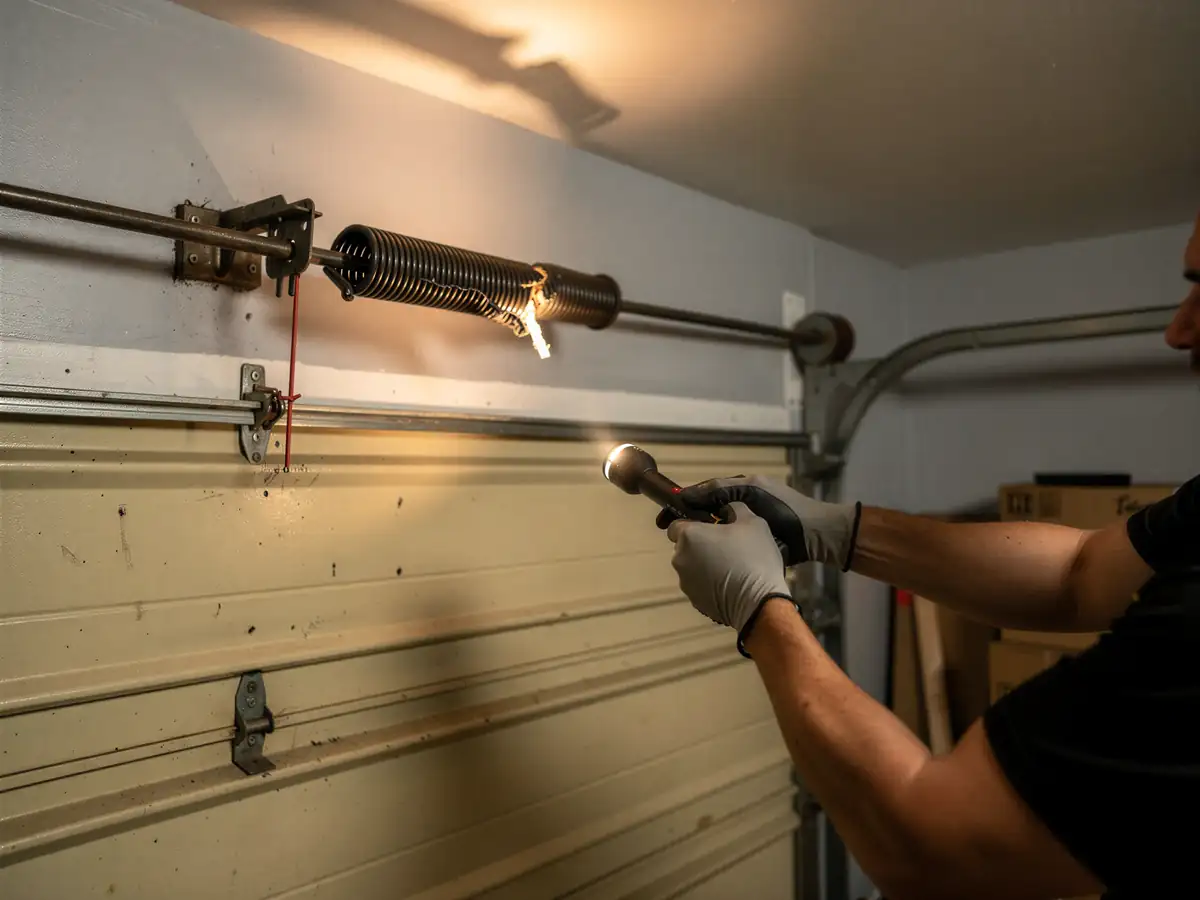
A technician shines a flashlight on a broken garage door torsion spring.

Emergency Garage Door Repair

Broken spring or dead opener at 10pm? Sterling Heights Garage Door Pros covers emergency repairs across the area, built around this region's pre-1960 housing stock and cold winters.

Learn more
Questions

Frequently asked

Straight answers about garage door repair in Sterling Heights. Still unsure? Ask us directly.

Why do springs seem to break more in winter around Sterling Heights?

It's the combination of this area's severe cold climate and the age of the housing stock, mostly built between 1938 and 2002. Cold steel loses flexibility, and a spring that's already fatigued from years of use is the one most likely to fail when that extra stress hits during a cold snap.

Is a broken spring in cold weather more dangerous than normal?

A spring failing always carries risk since the door can drop suddenly, but cold makes brittle, fatigued steel more likely to snap rather than slowly wear. We don't recommend trying to lift or move a door with a broken spring yourself, especially in freezing temperatures.

Can you match the spring on my older house exactly?

Not always. A lot of homes in this area, especially those built closer to the 1958 median, have original wind and wire gauge specs that aren't stocked anymore. In those cases we look at a modern equivalent spring rather than an exact match, and we'll talk through that option before doing the work.

How do I know if my spring is close to failing before it breaks?

Watch for a door that's gotten noticeably heavier to lift by hand, an opener that strains or hesitates, or visible gaps in the spring coil. These signs often show up before a full break, and catching it early avoids the sudden failure that tends to happen on the coldest days.

Ready to get your garage door sorted?

Request a QuoteCall