What It Costs
We're not going to put a number here that doesn't hold up once we're standing in your driveway
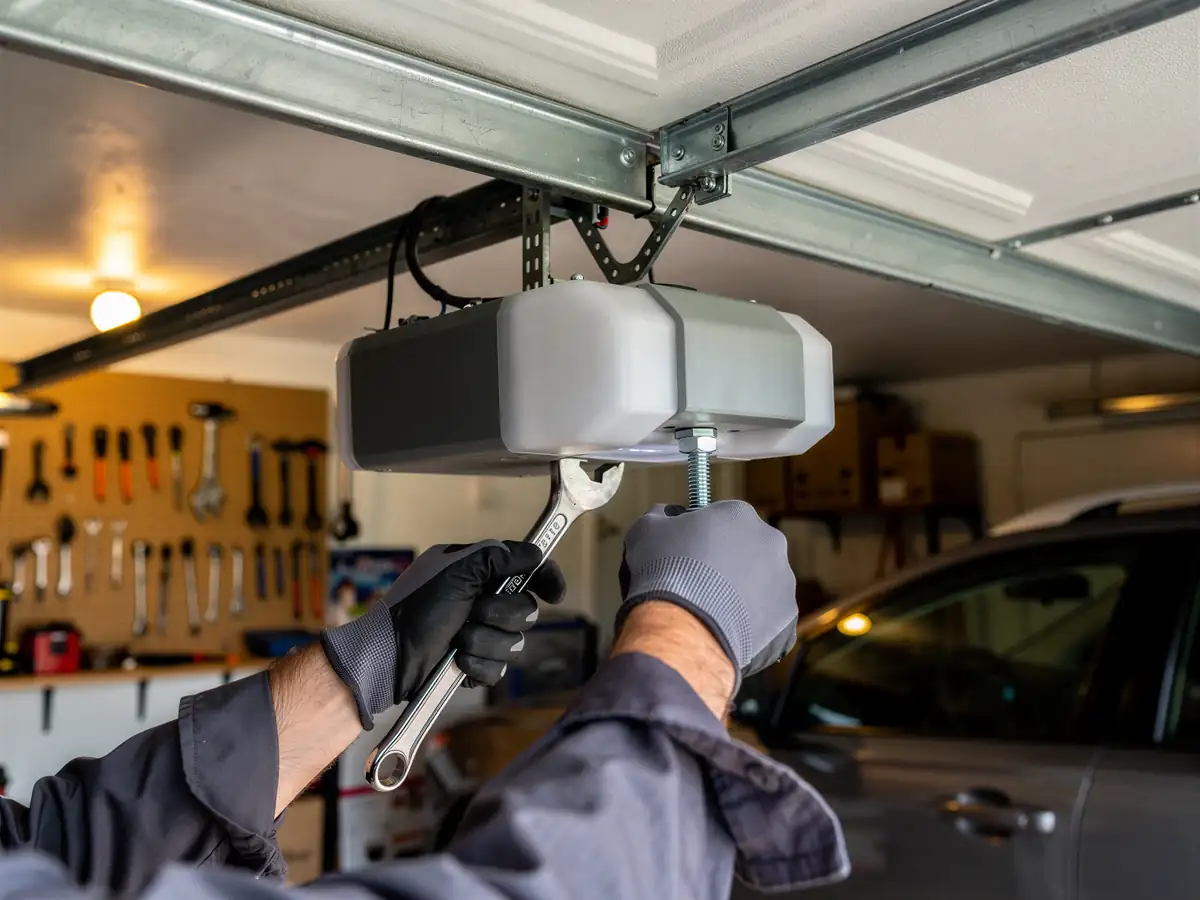
Because the job changes with the door. A straight swap of an old chain-drive opener for a new one on the same bracket is a different job than replacing an opener on a house where the original hardware is still torsion-spring, side-mounted, and built for a door that weighs more than anything sold today.
A lot of what we quote in this area comes down to three things
Whether the existing rail and mounting bracket are reusable, whether the door itself needs a spring adjustment to balance correctly with the new motor, and whether you want battery backup, which matters more here than in milder climates because a dead opener during a winter power outage means a door you can't lift by hand without real effort.
Households across this service area have a median income of $97,027
And most of the openers we install land in the mid-range belt-drive or chain-drive category rather than the premium smart-home tier - not because people can't afford more, but because a reliable, quiet opener that handles cold starts is what actually gets asked for. We'll give you a real number after we look at your door, not before.
- $97,027 median household income
How It Shows Up
The call usually starts the same way: the opener runs but the door doesn't move, or it moves and then reverses itself halfway up. Sometimes it's a grinding sound from the motor unit before it quits for good. On older installs, the opener itself is fine but the door it's lifting has drifted out of balance, so the motor is straining every single cycle and burning itself out early.
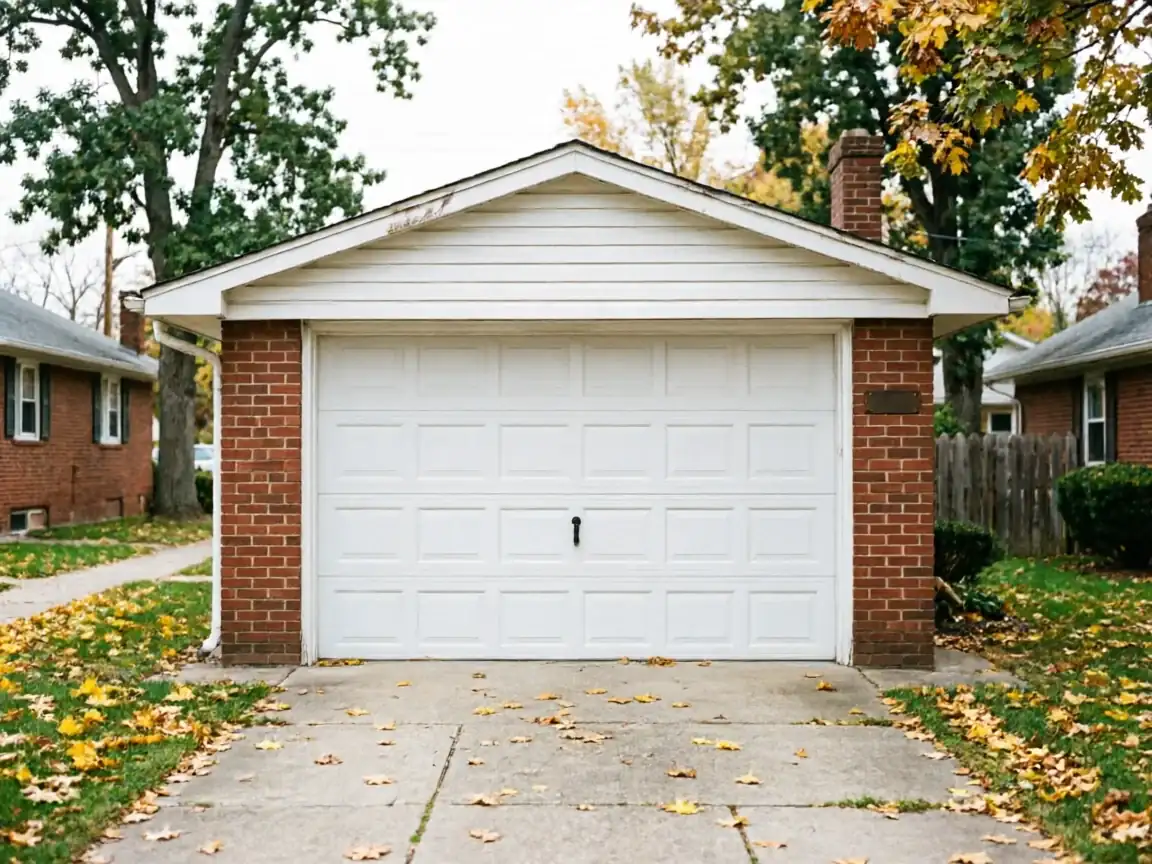
In homes built before 1960 - and a large share of this area's housing falls in that window - the failure often isn't the opener at all. It's that the opener was bolted onto hardware never designed to pair with a modern unit: a lighter rail, an undersized gear, a bracket mounted for a door that's since been replaced with something heavier. When we swap the opener without checking the door and spring behind it, the new unit fails the same way the old one did, just faster.
Cold-weather symptom: the opener works fine in summer, then in January it starts stalling on the first try of the day, needs two or three attempts, or trips the safety reversal before the door is fully open. That's not a bad opener. That's an opener working against grease that's thickened up and a door that's heavier to lift when everything's stiff with cold.
Why It Happens Here
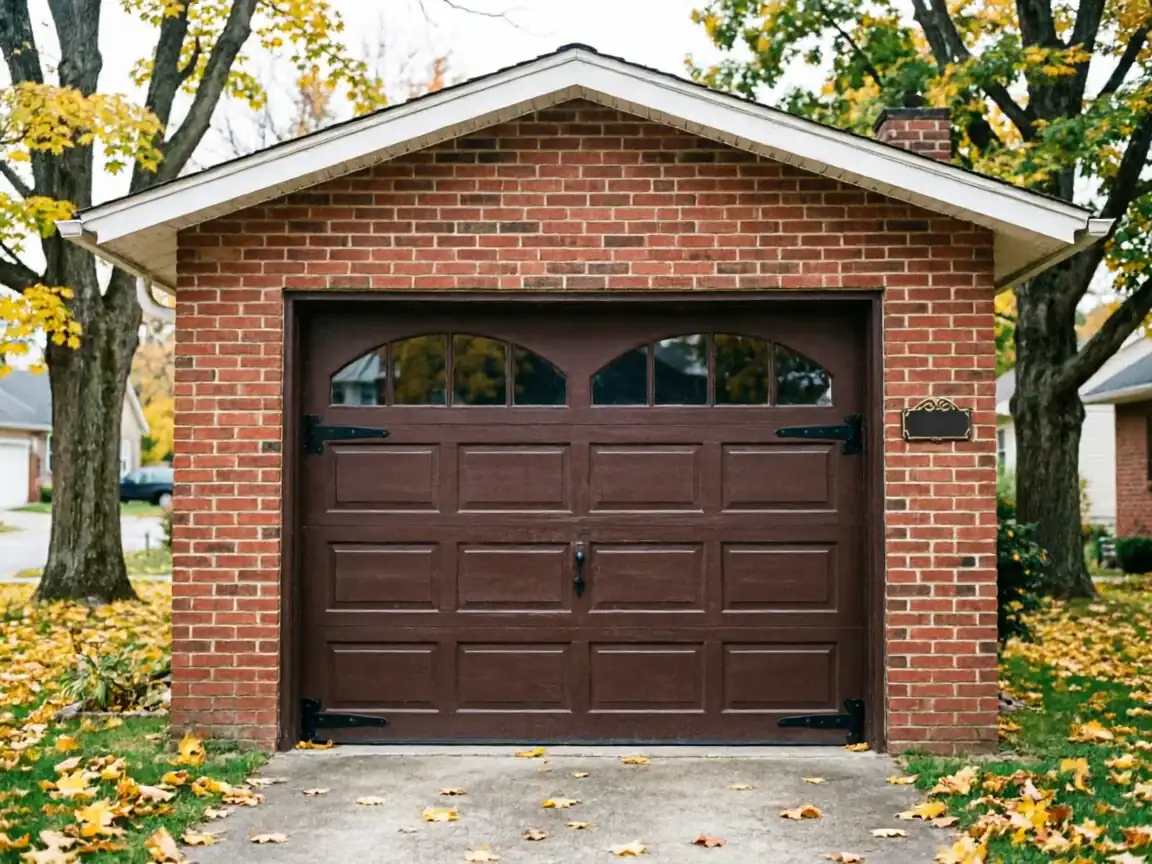
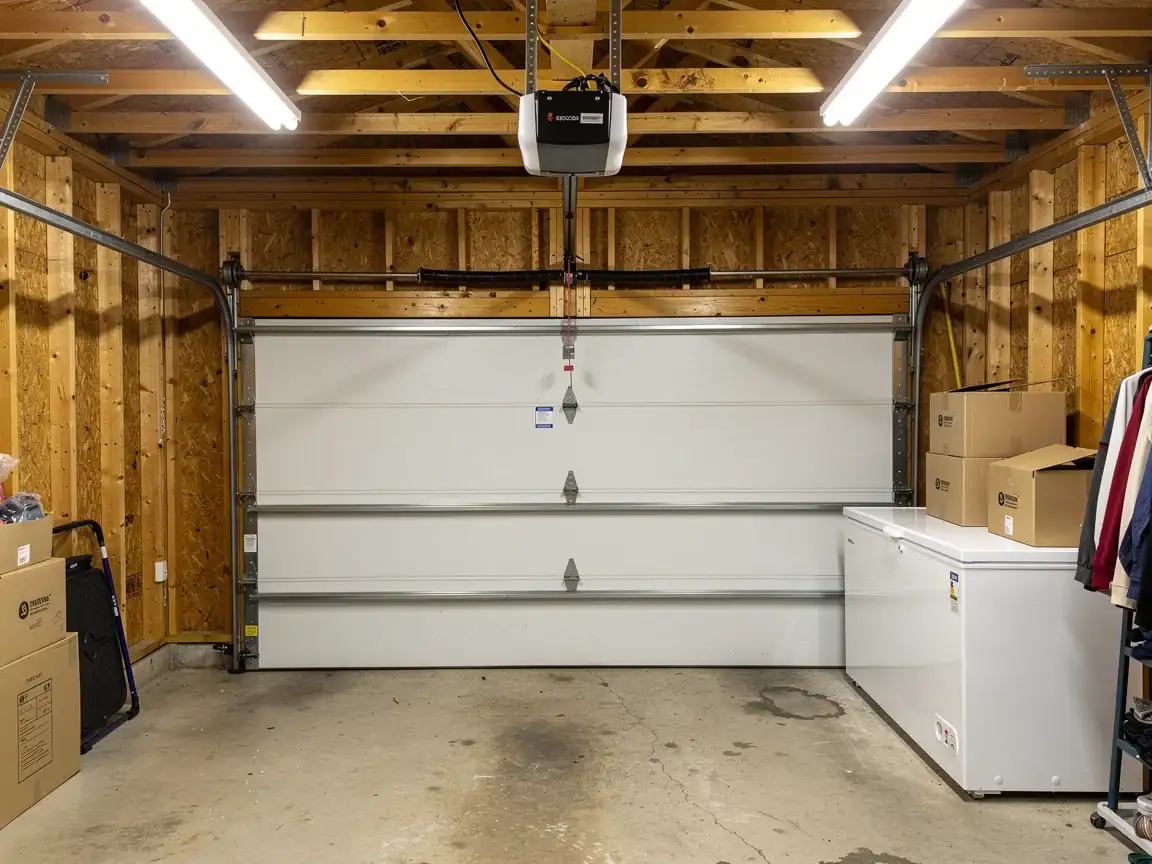
Housing stock in this service area runs from 1938 to 2002, with a median build year of 1958, and most of the named neighborhoods in it are predominantly pre-1960 construction. That era of garage door came with heavier wood or early steel panels on torsion or extension spring setups that were never matched to a motor - openers got added later, often more than once over a house's life, each time bolted onto whatever bracket was already there.
That matters because an opener install here is rarely a clean slate. It's an opener going onto a door and track system that's already had one or two lives, in a climate zone rated severe cold. Cold stiffens lubricant, shrinks metal tolerances slightly, and adds resistance right at the moment a motor needs its full rated pull to get a heavy older door moving. An opener sized or installed without accounting for that combination - older heavy door, cold-climate drag - is the single biggest reason we get called back out within a year of someone else's install.
This is a service-area-wide pattern, not a one-house problem: from Utica and Fraser through Rochester, Macomb, and the Grosse Pointes, the same build era and the same winters produce the same failure mode.
Doing It Yourself
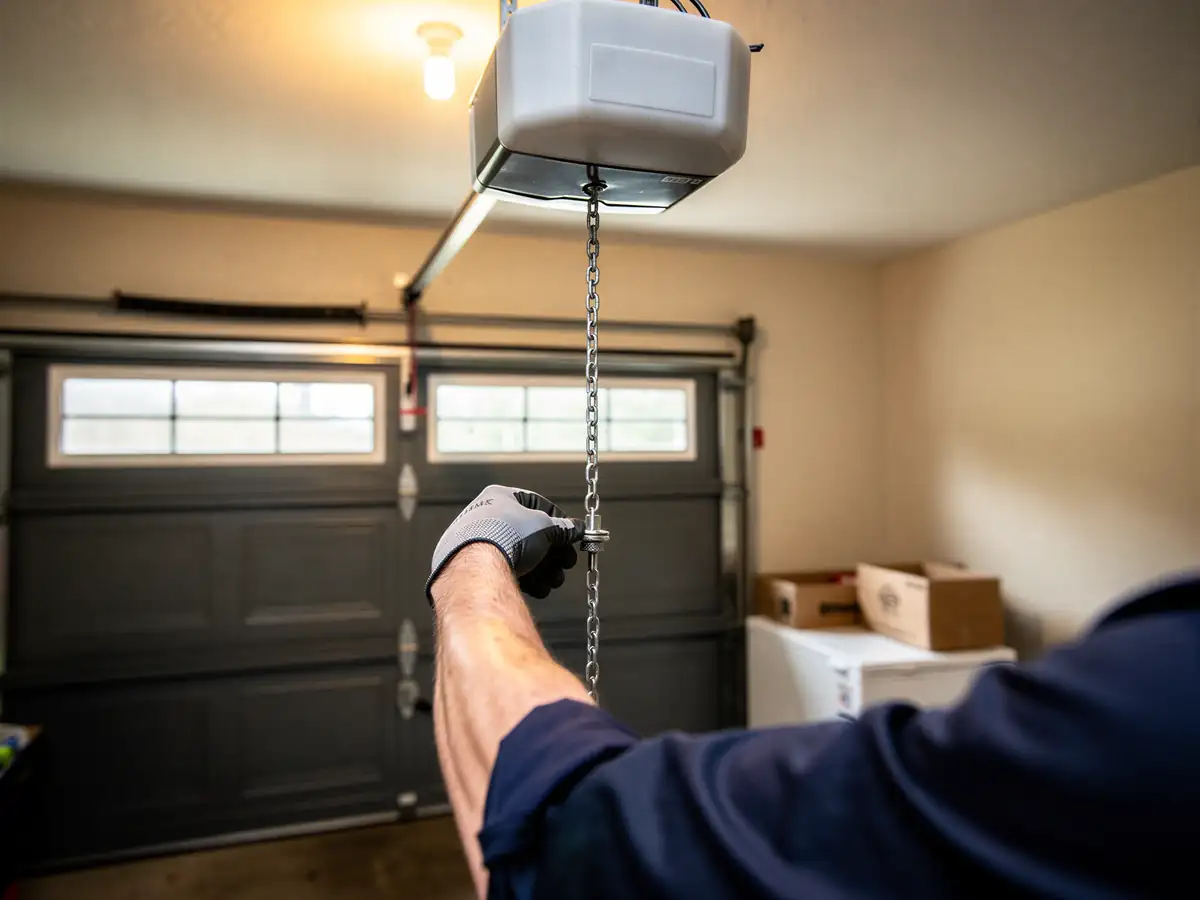
If your opener has simply died and the door itself swings freely by hand, balanced, no binding, a basic chain-drive swap is within reach for someone comfortable with a ladder and a wiring diagram
The kits are clear about bracket spacing and travel limits.
Where we'd tell you to stop and call instead
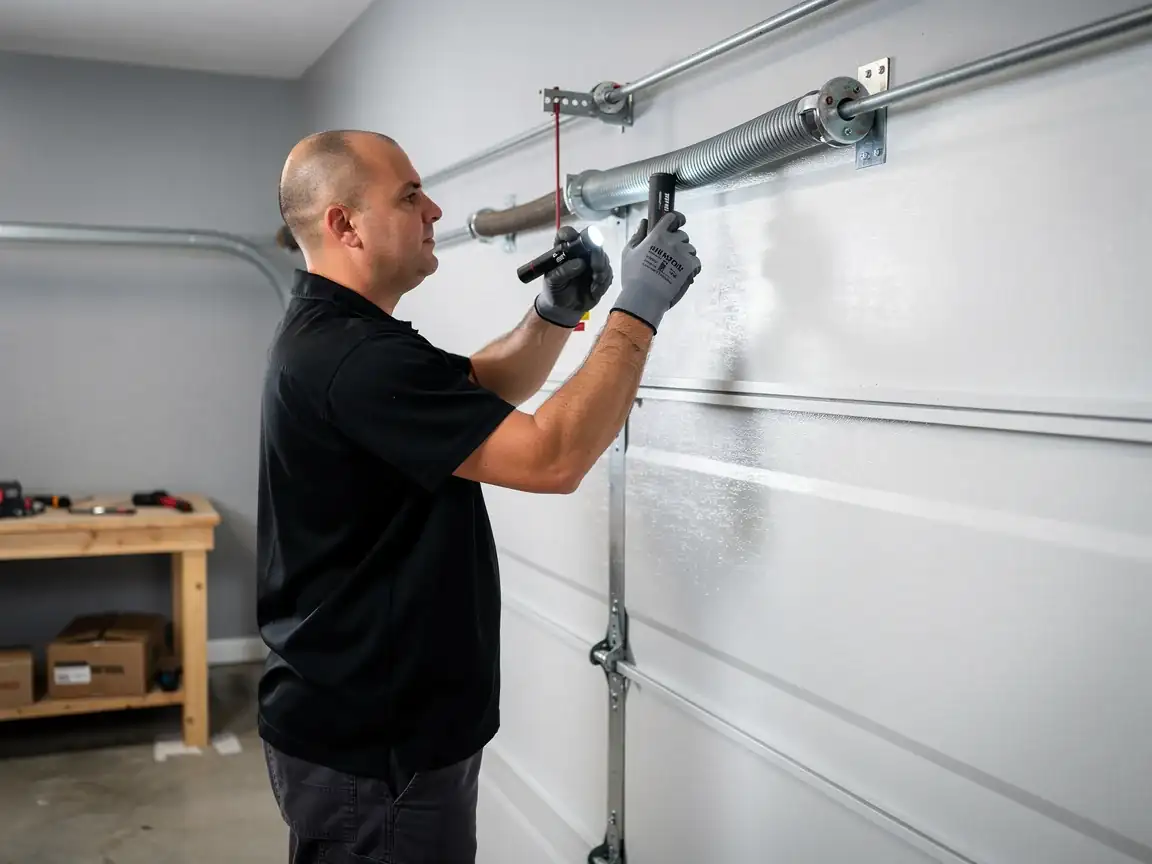
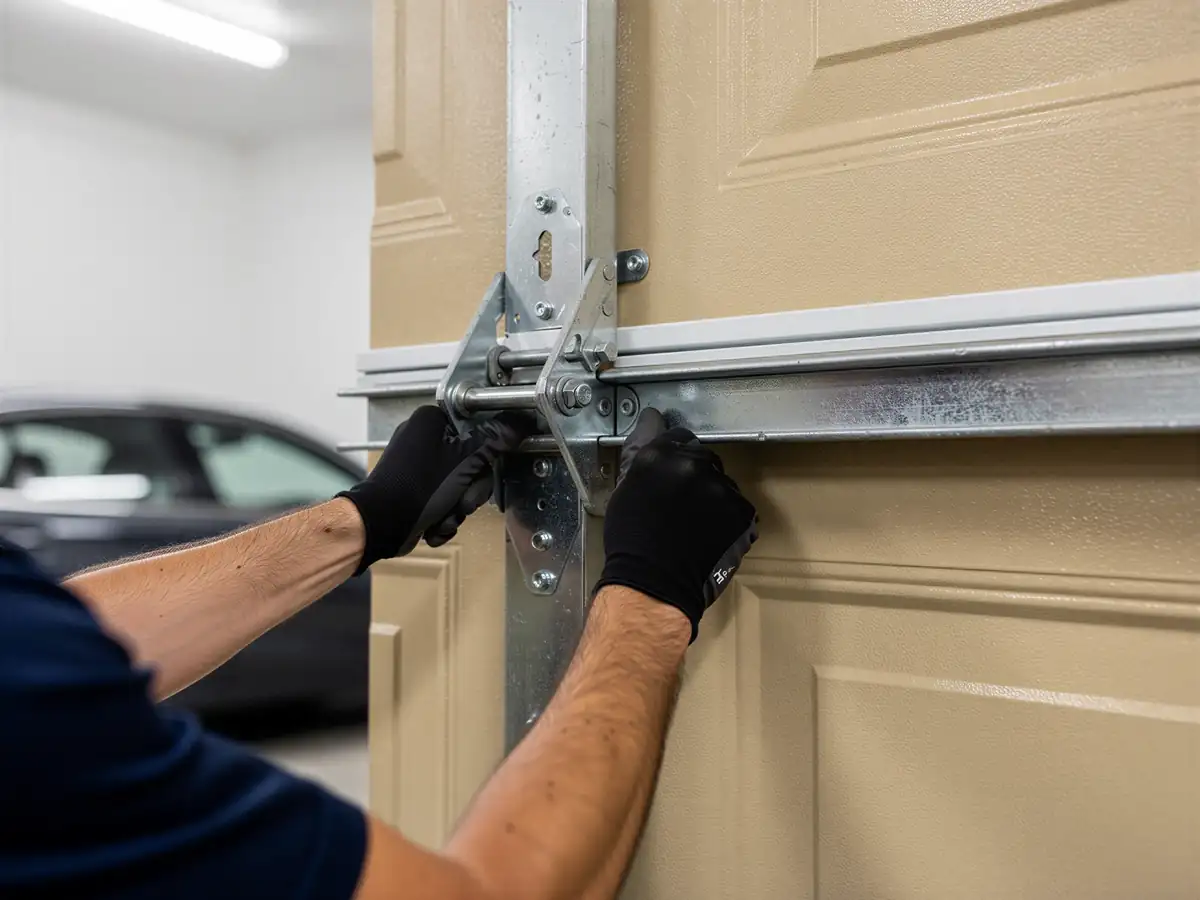
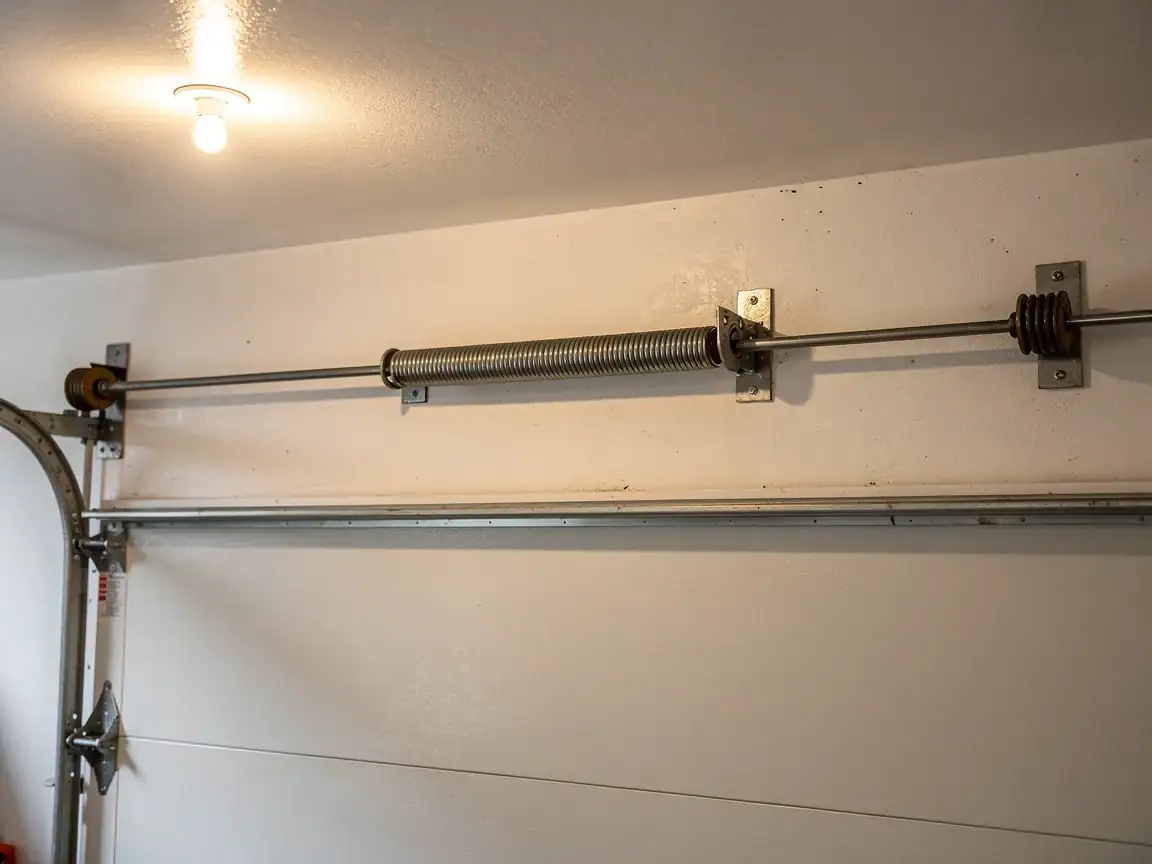
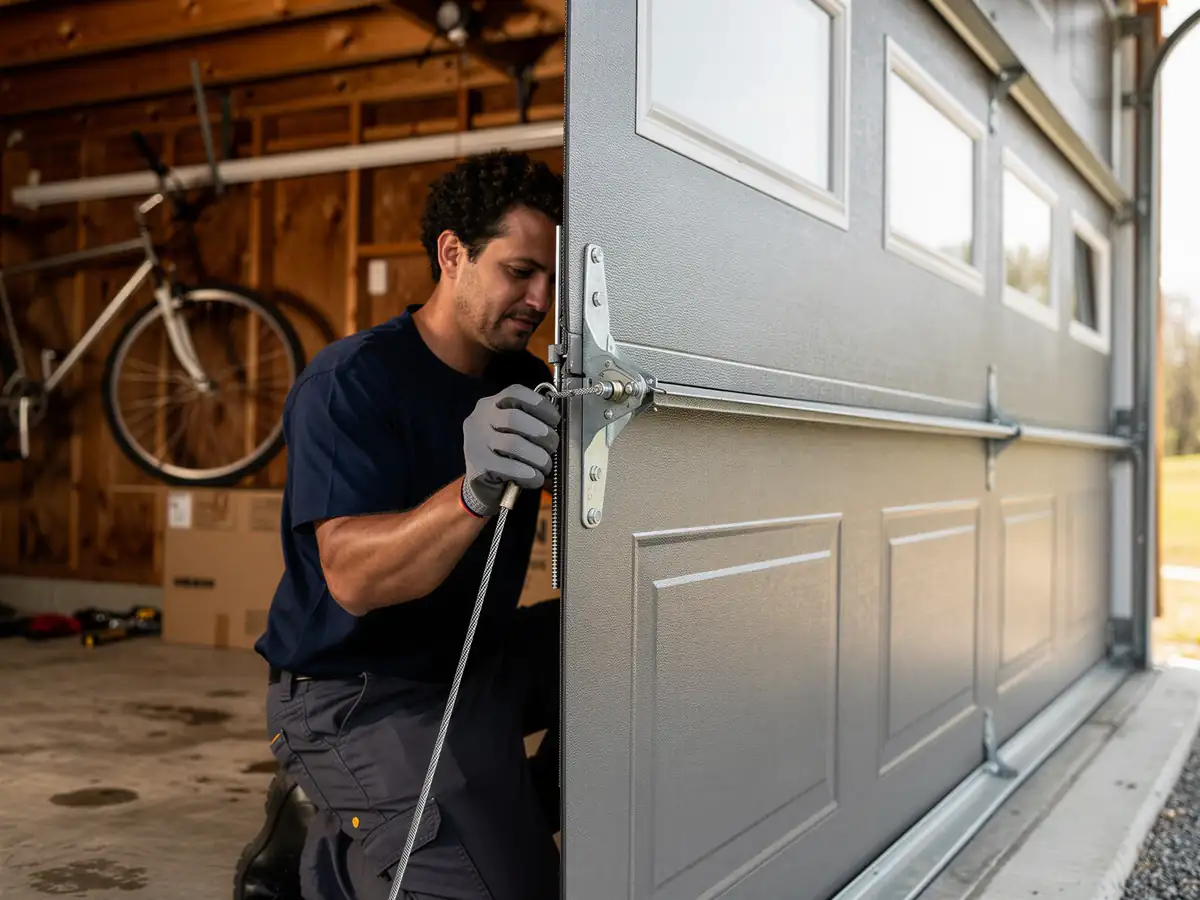
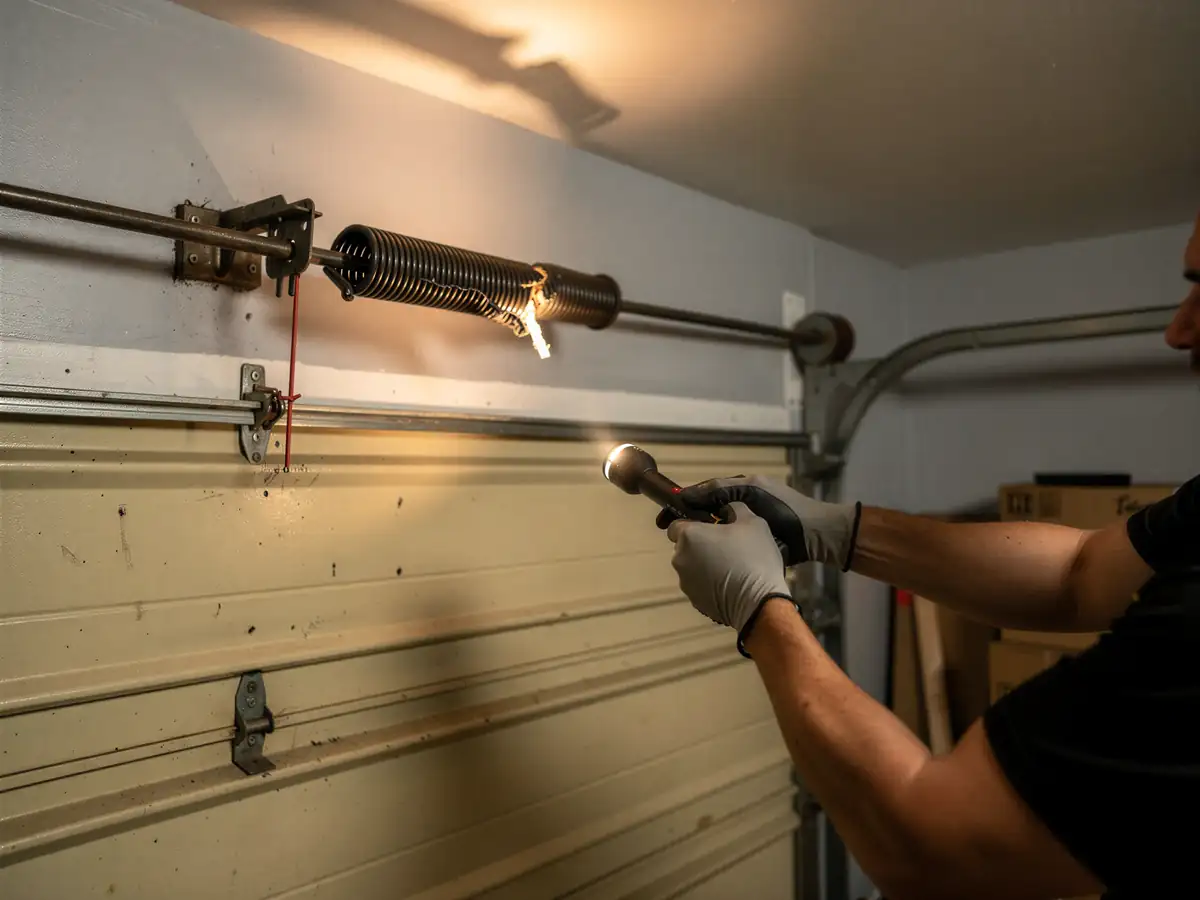
If the door doesn't stay put when you lift it halfway by hand and let go, the spring tension is off, and an opener bolted onto an unbalanced door will fail again, possibly while someone is standing under it. That's not a DIY fix - torsion springs under tension are not something to adjust without the right bars and training. Same goes for anything where the existing bracket or rail looks original to a house from the 1950s or 60s; those mounts weren't engineered for today's motor torque specs, and reusing them is a guess, not a measurement.
If you're not sure which situation you're in
That's a five-minute thing to check over the phone before you buy a kit.