Why It Happens Here
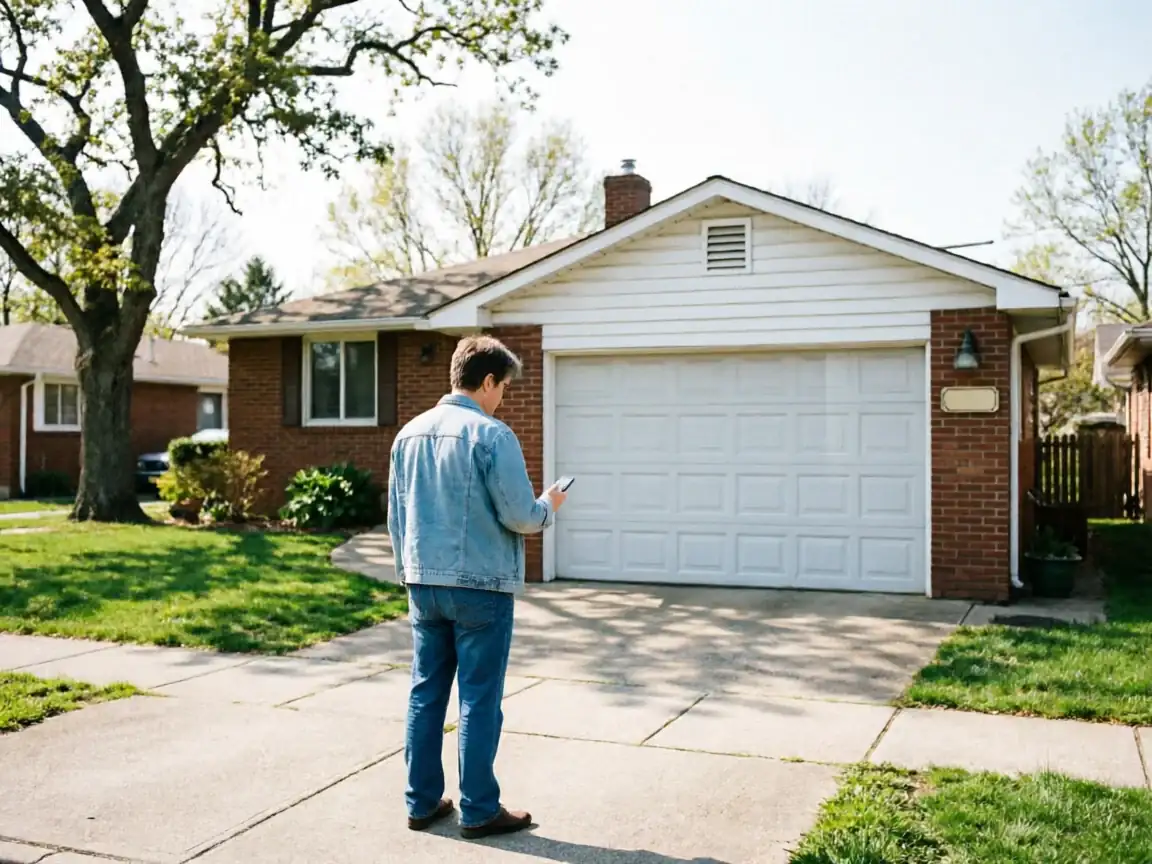
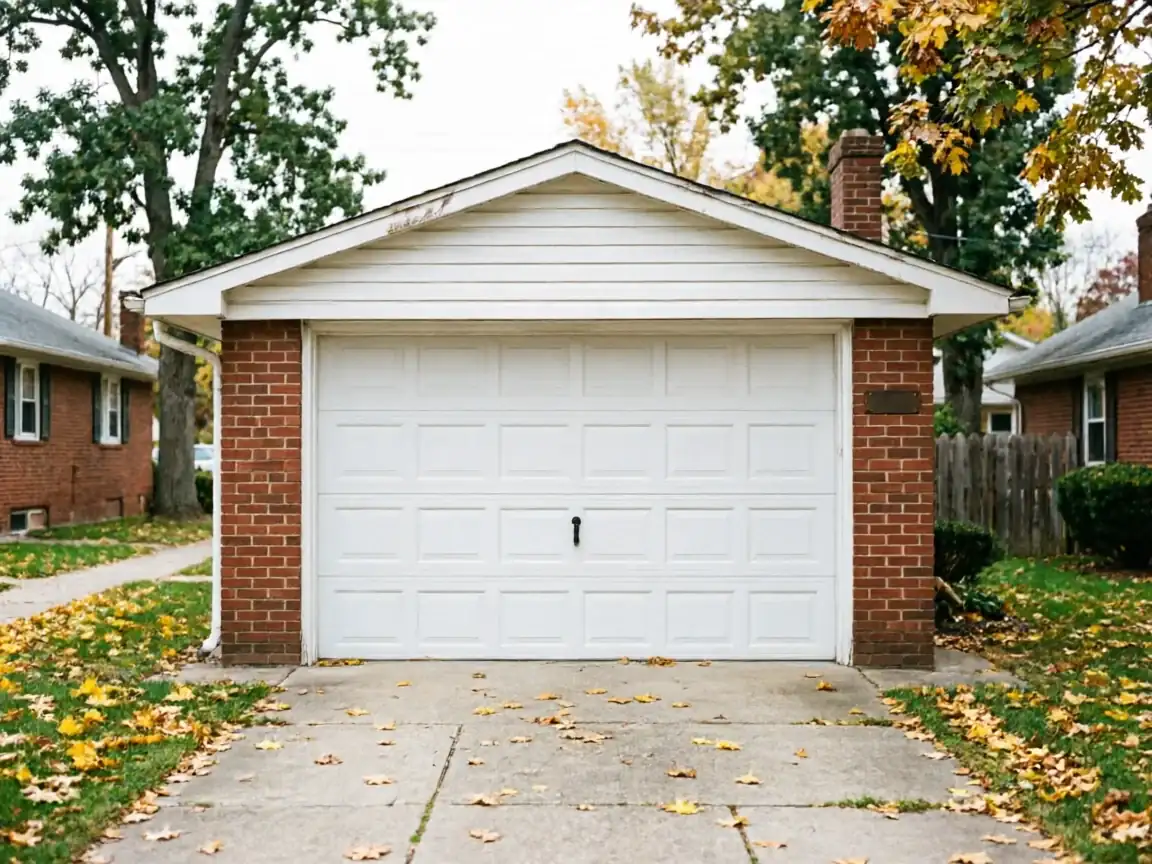
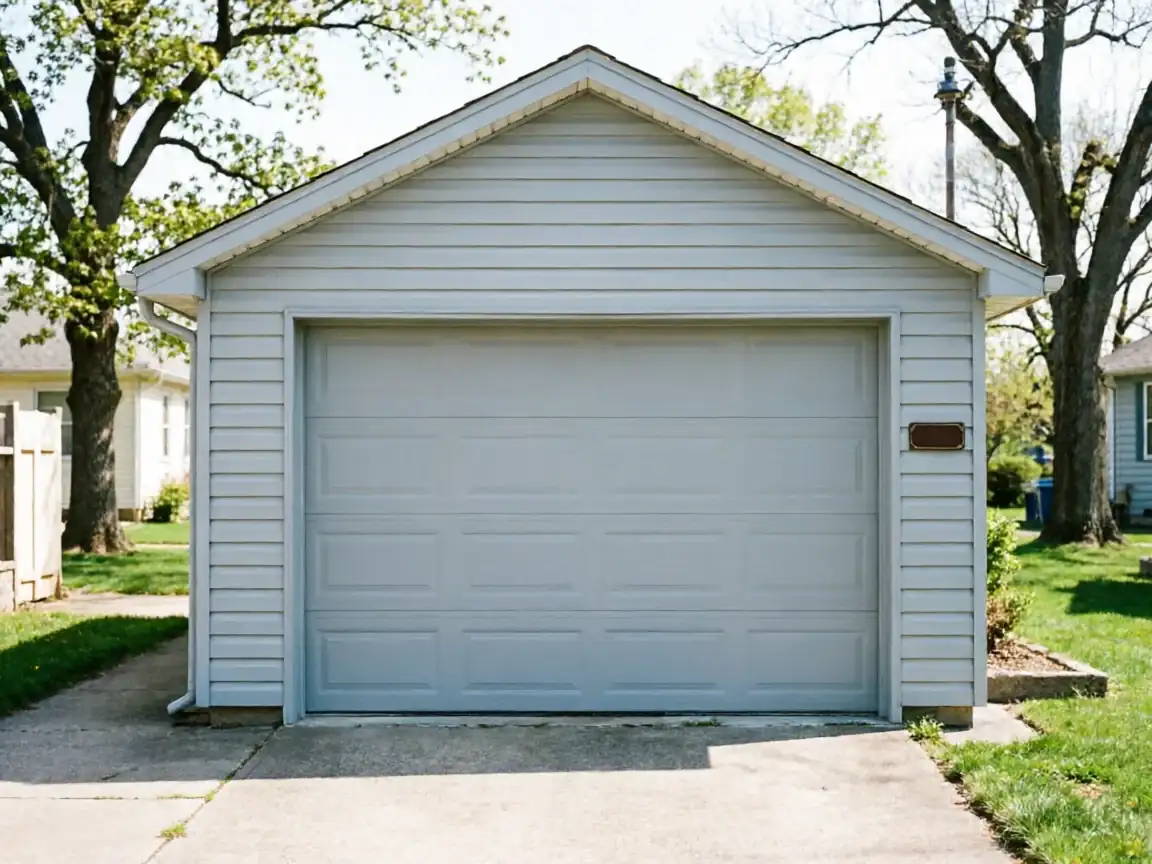
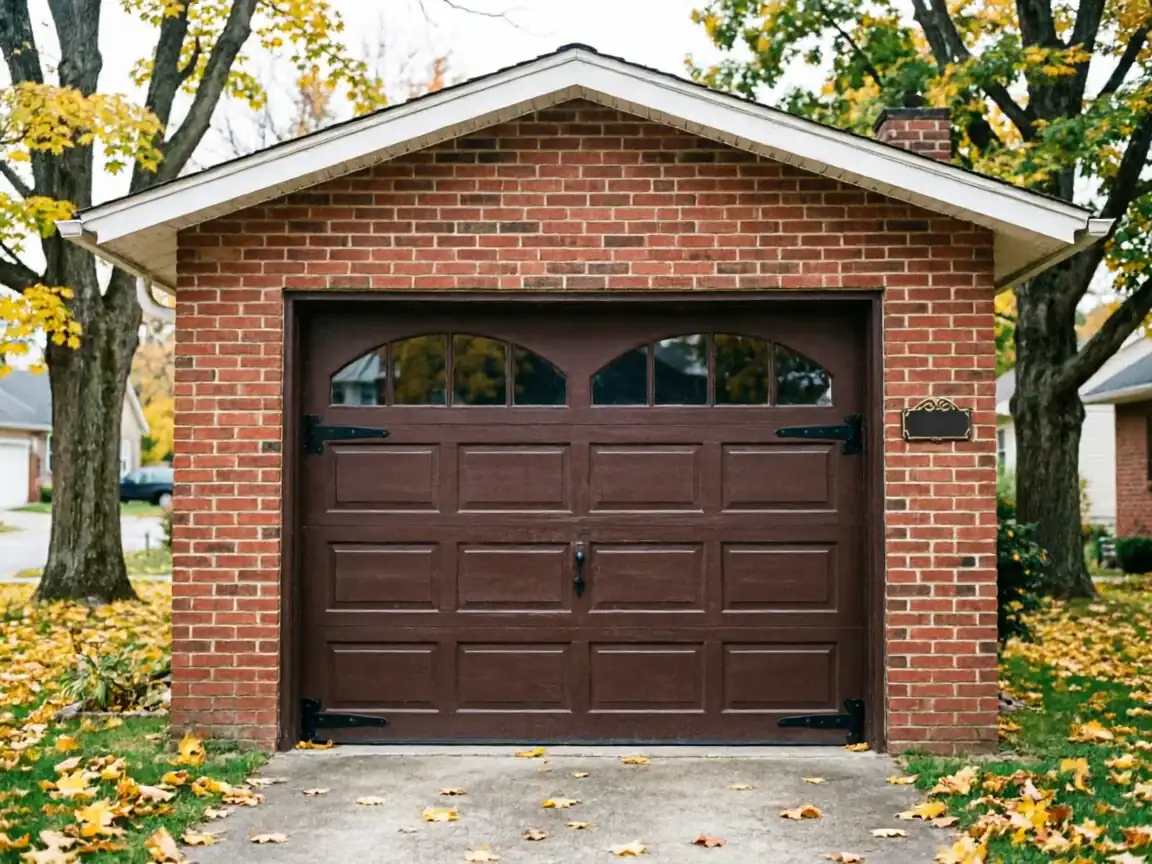
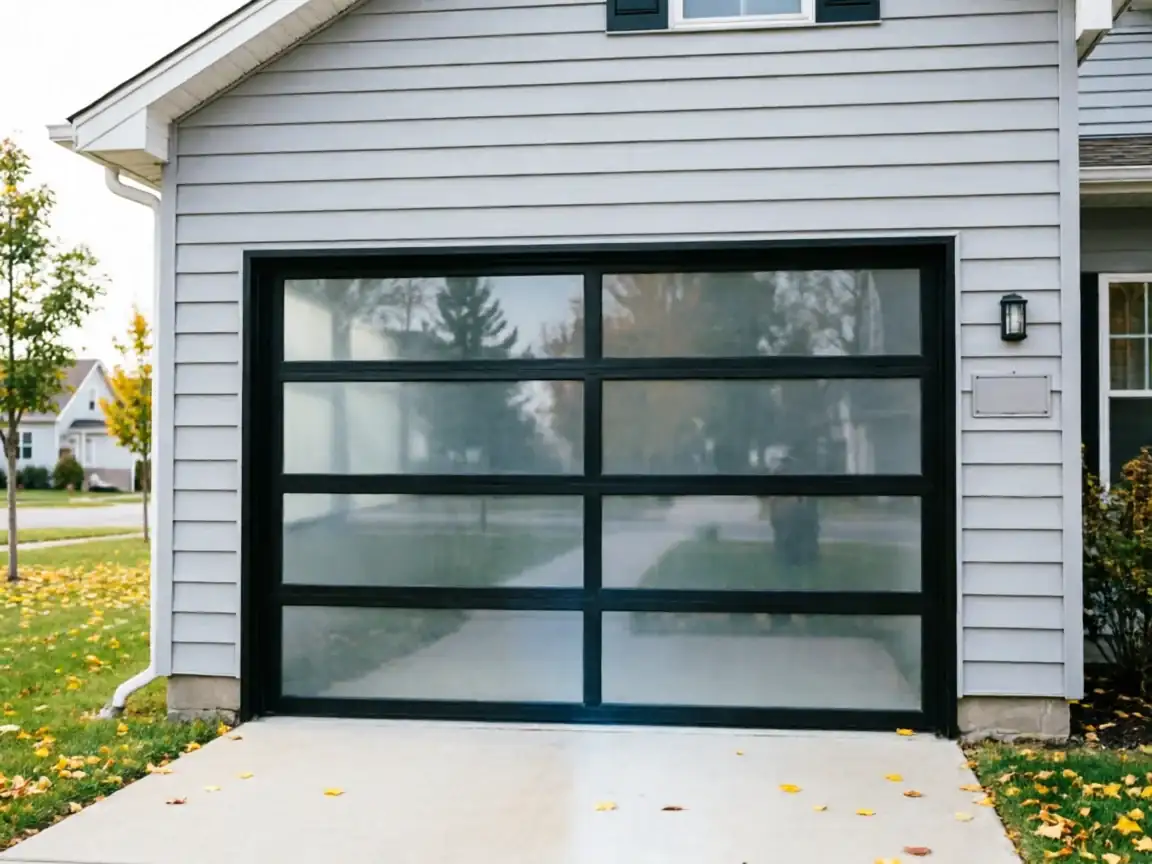
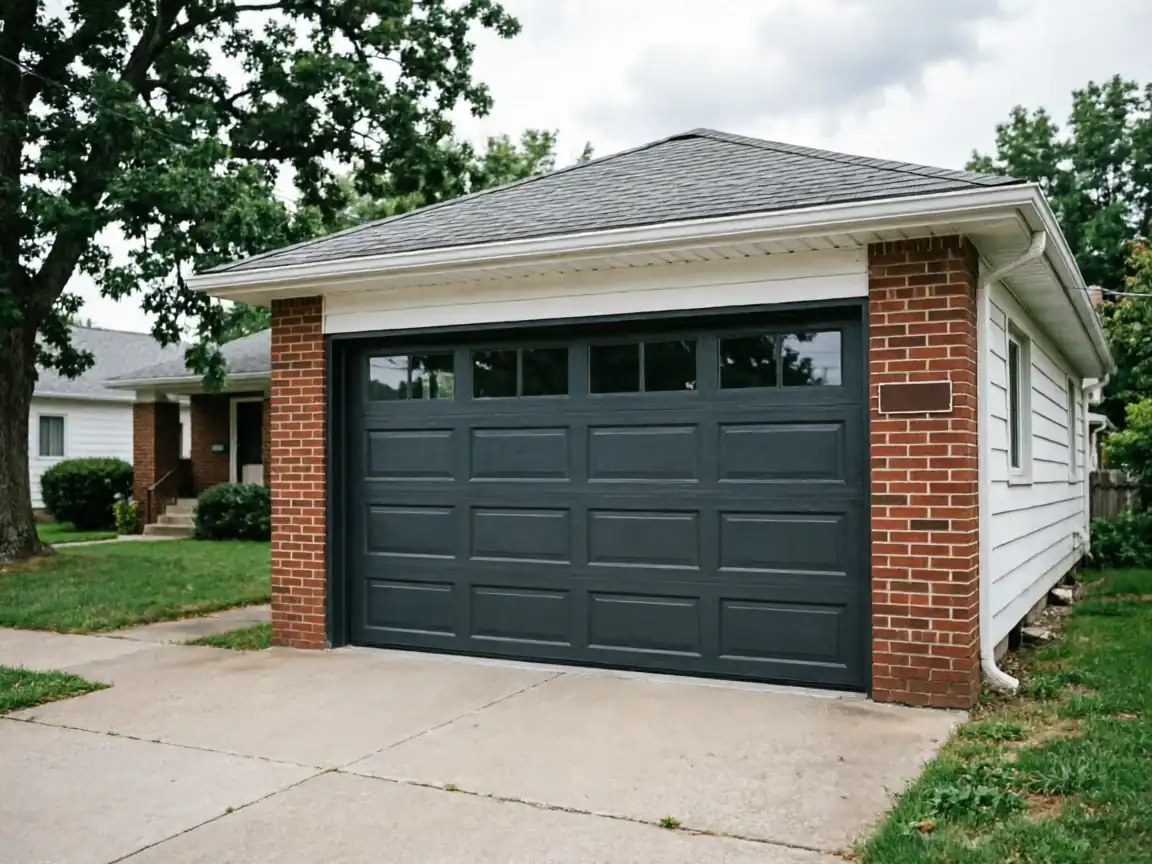
Here's the thing that makes Macomb different from a lot of the towns on this route: the typical house went up around 2000, not the 1950s stock that dominates most of the 39 communities this company covers. Across the wider service area the median build year sits closer to 1958, pre-1960 hardware everywhere. Macomb skews newer. That sounds like it should mean less trouble, and in some ways it does - no knob-and-tube wiring feeding an opener, no door built before steel torsion springs were standard. But newer doesn't mean replaced. A spring installed when the house was framed in 2000 is now well past the point where a torsion spring quietly gives out, and because the house is newer, a lot of owners assume the hardware is newer too. It usually isn't. It's original, it's twenty-some years into a cold Michigan climate, and it's never been touched. Add the severe cold band this whole region sits in - the metal fatigue that comes from repeated hard freezes on a spring under constant tension - and you get a wave of original hardware failing in the same decade across the same handful of subdivisions.
How It Shows Up
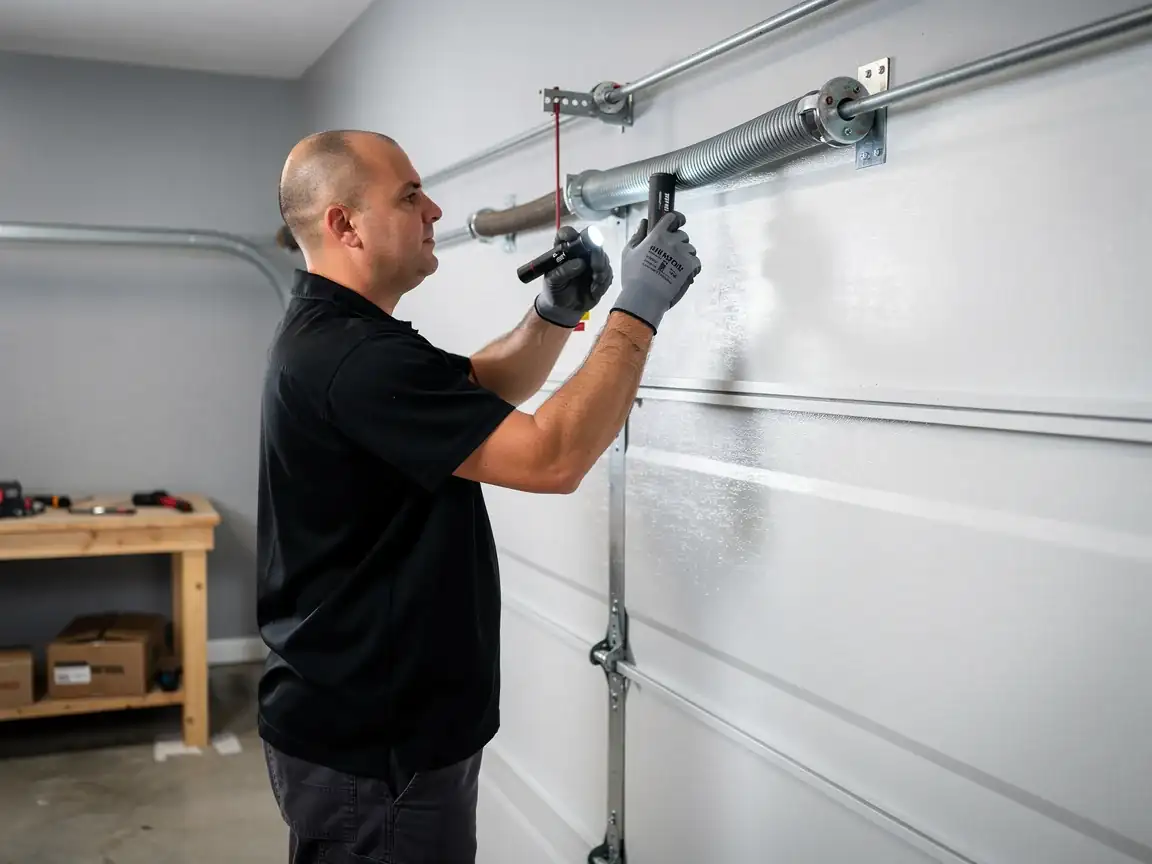
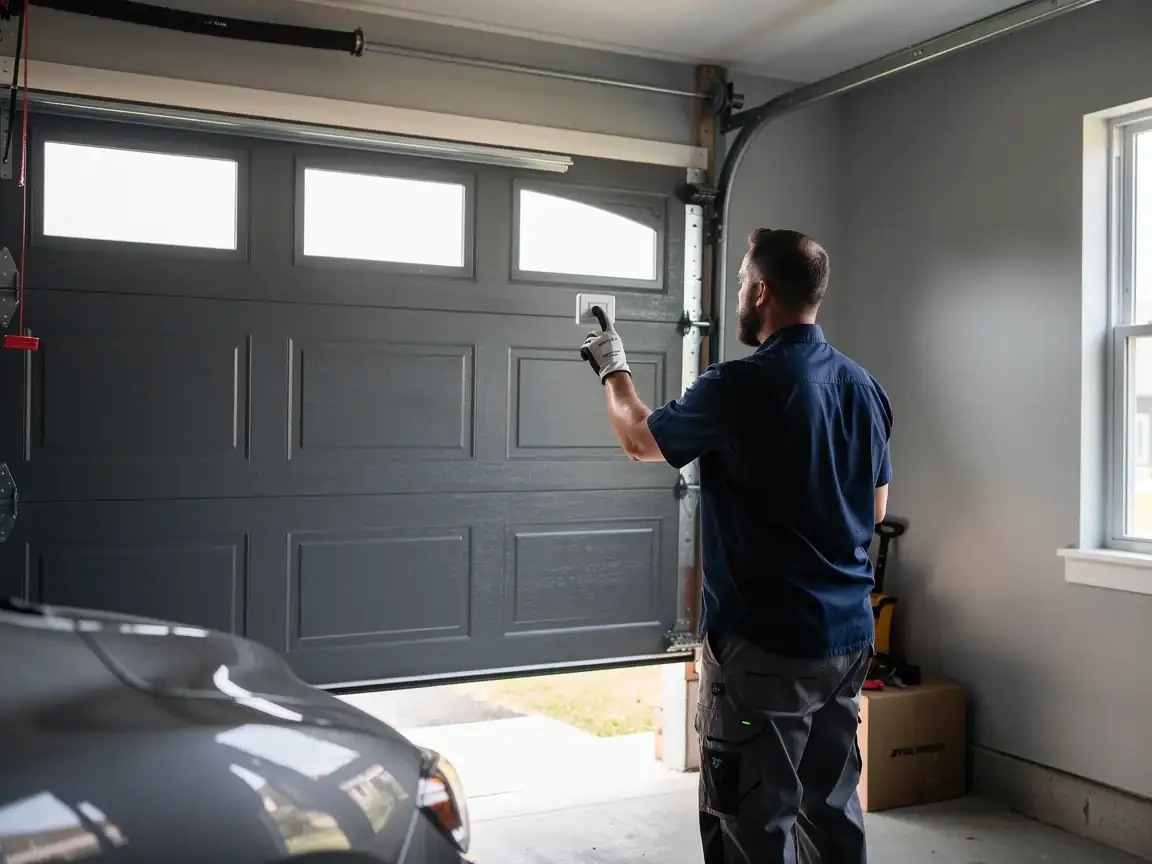
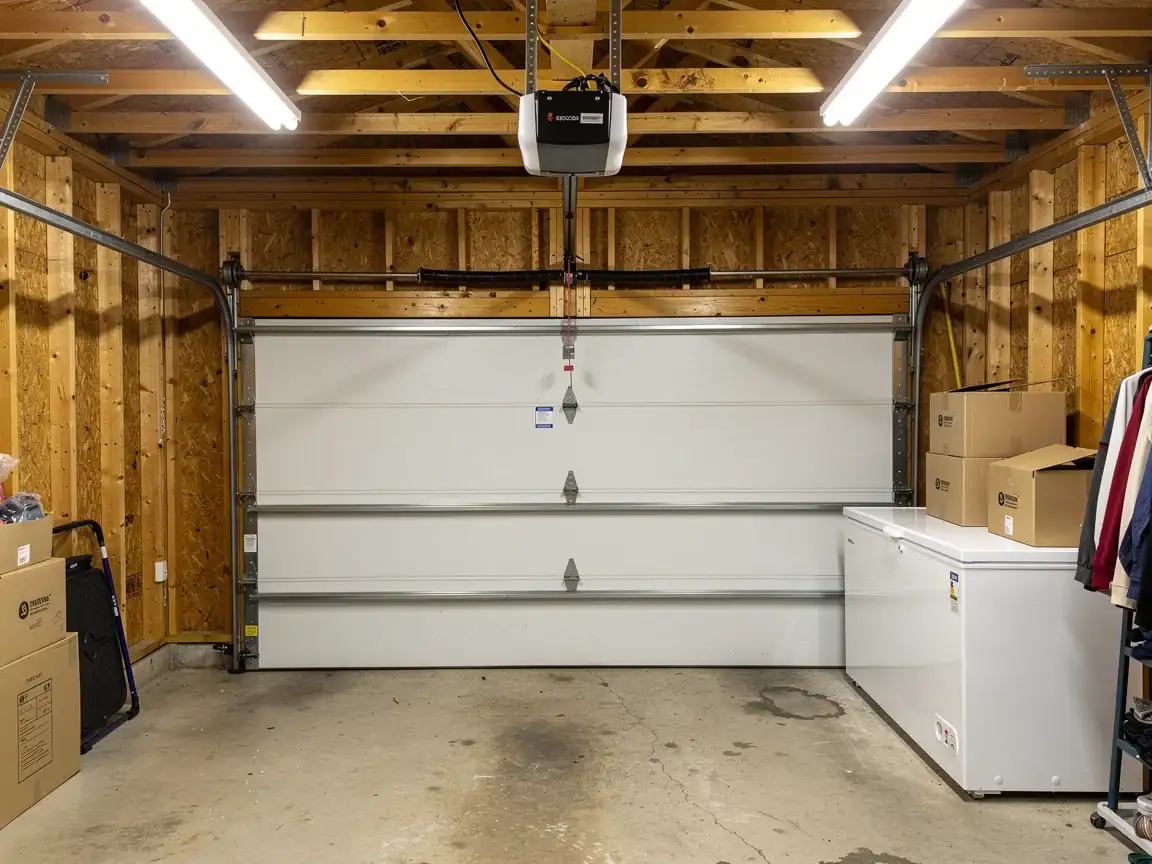
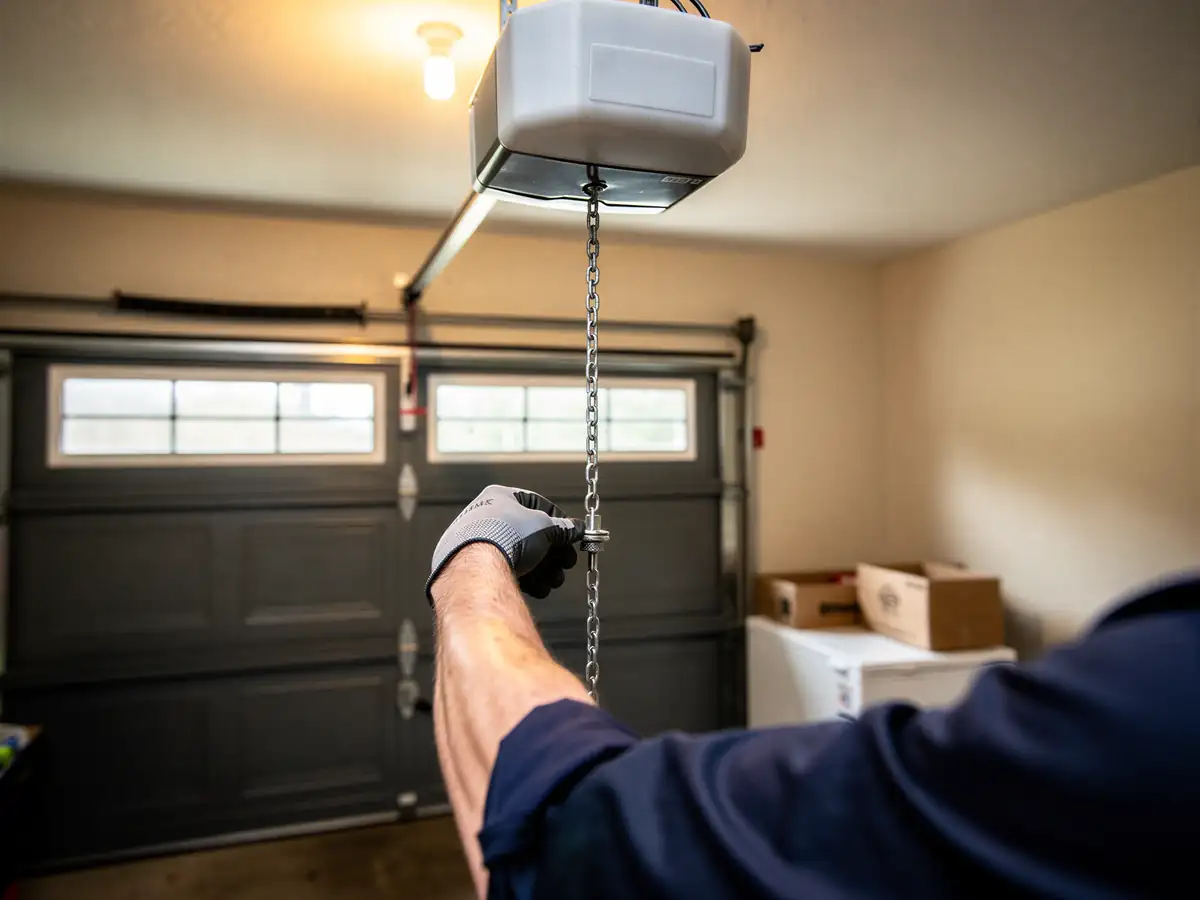
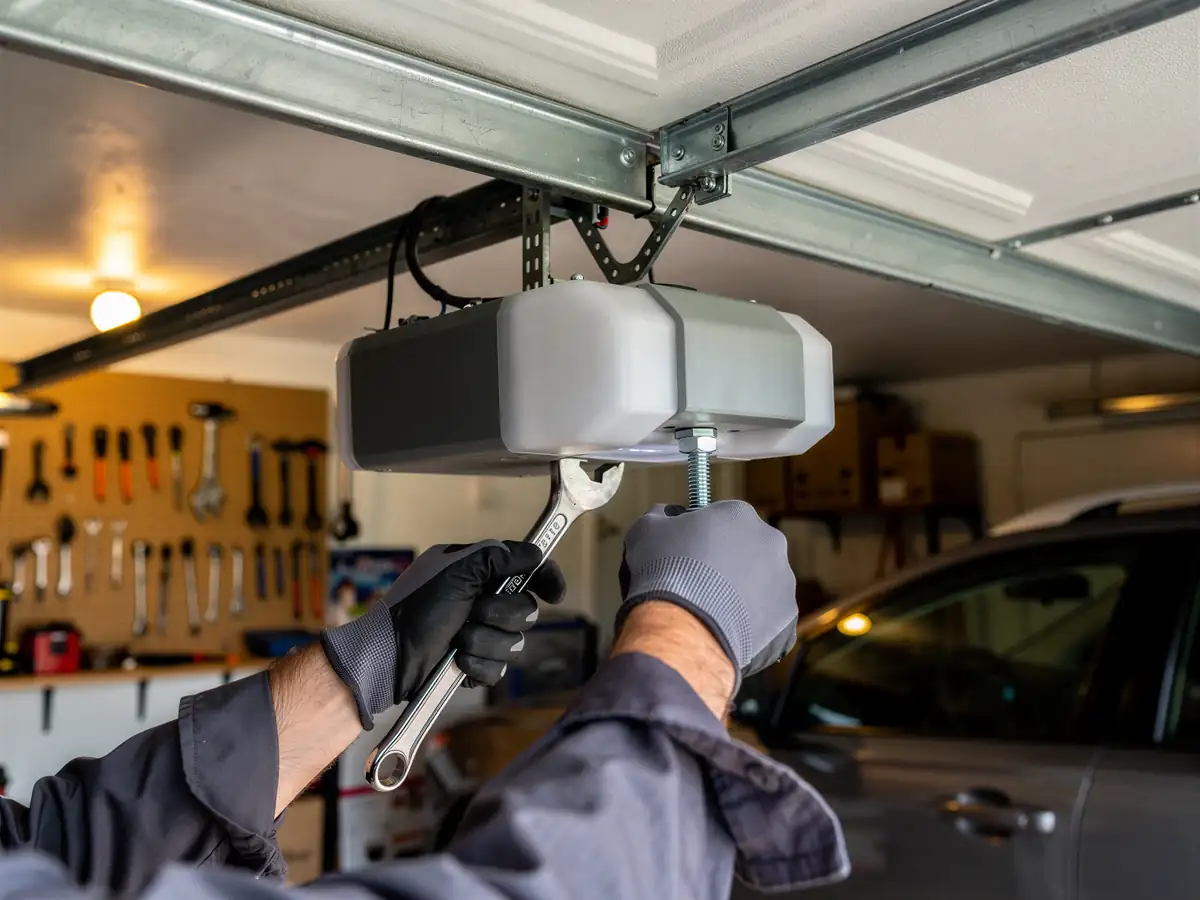
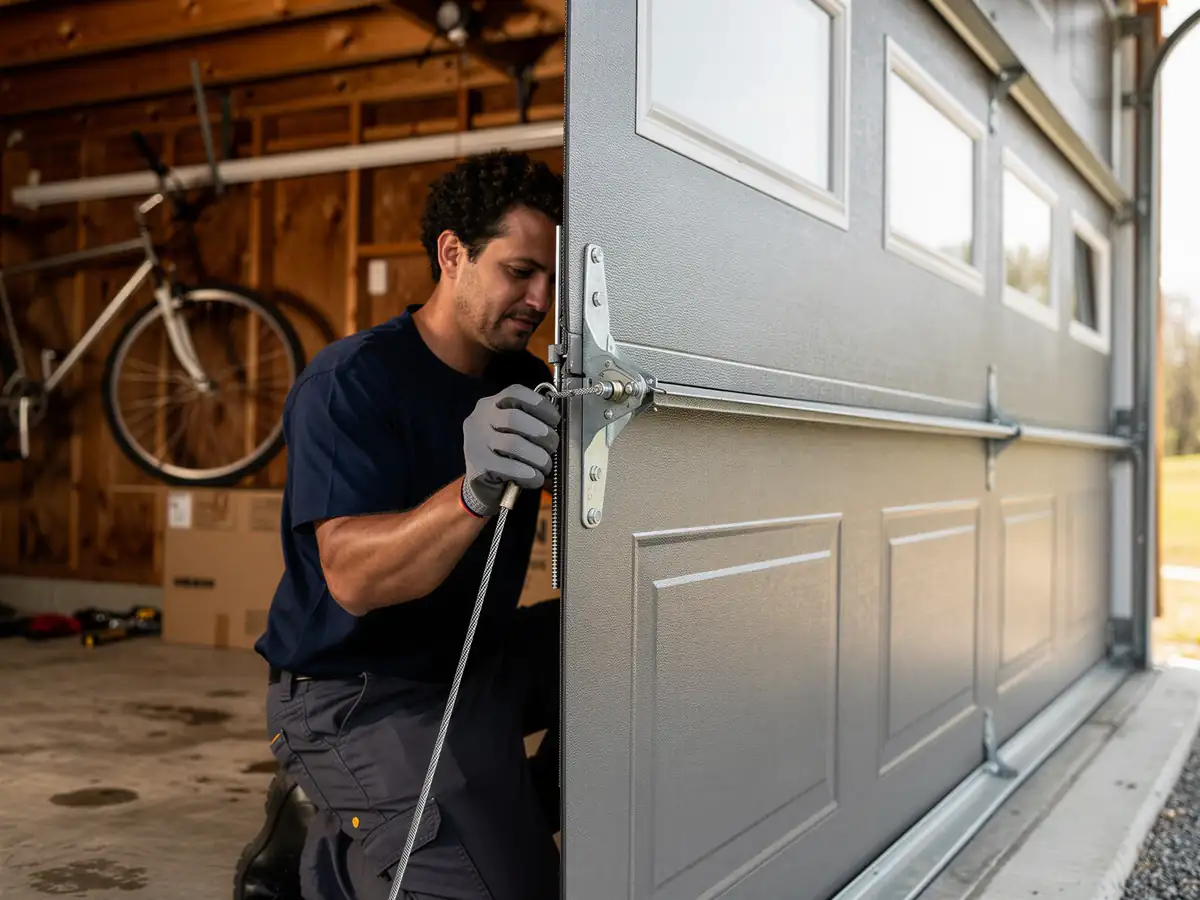
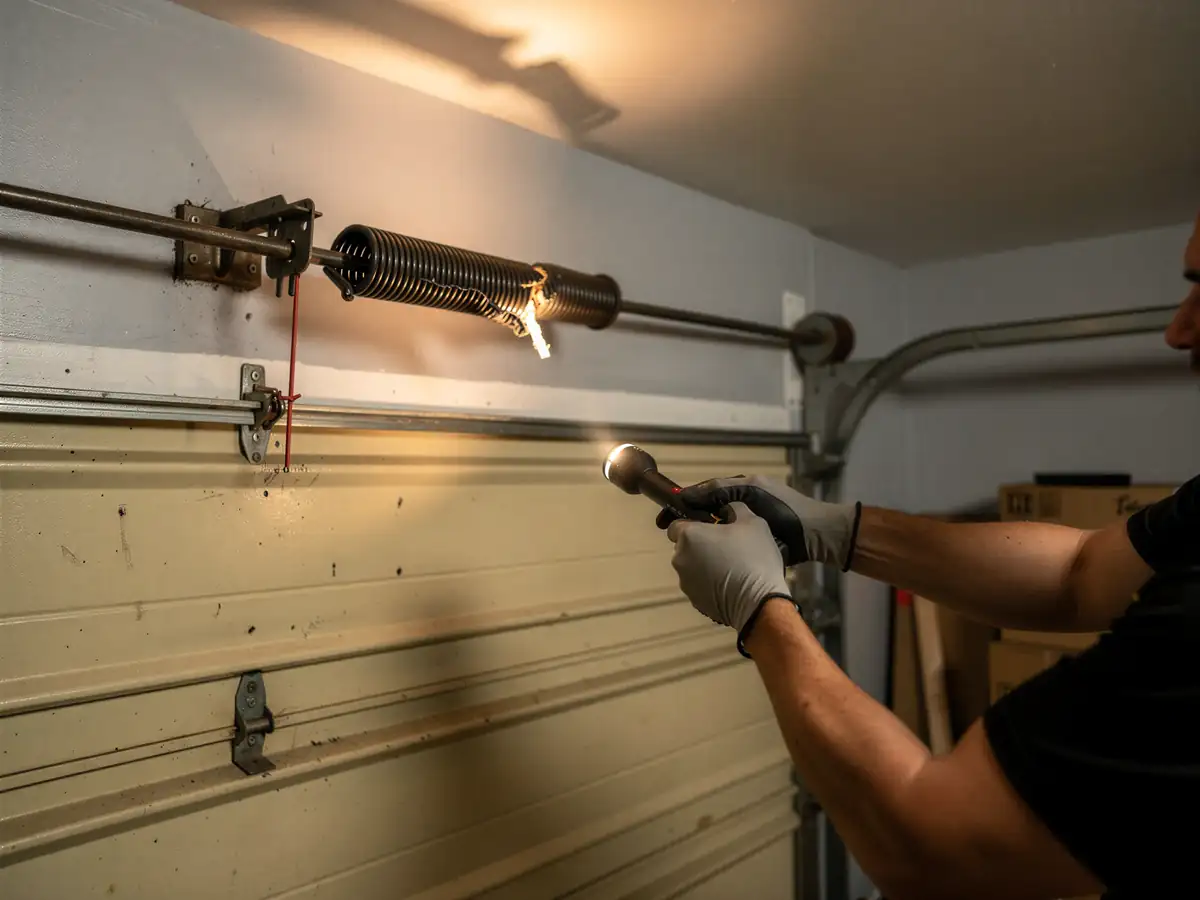
The most common call from this area is a torsion spring that lets go all at once - a loud bang, the door suddenly too heavy to lift by hand, sometimes a visible gap in the coil above the door. Because so much of Macomb's housing came up in the same narrow window, we see this on doors that otherwise look fine: clean panels, no rust, an opener that still runs. The spring just reached the end of its life on schedule. Second most common is the opener itself losing its grip - not the motor dying outright, but the drive gear or the circuit board failing after two decades of use, which shows up as a door that reverses for no reason or won't respond to the remote at all. Cold makes both worse. A spring near failure snaps sooner in a hard freeze, and an aging opener's electronics are less forgiving of cold-start strain. Cables fraying at the drum end show up too, usually on doors that have never had the cable replaced since the original install.
What Is on the Truck
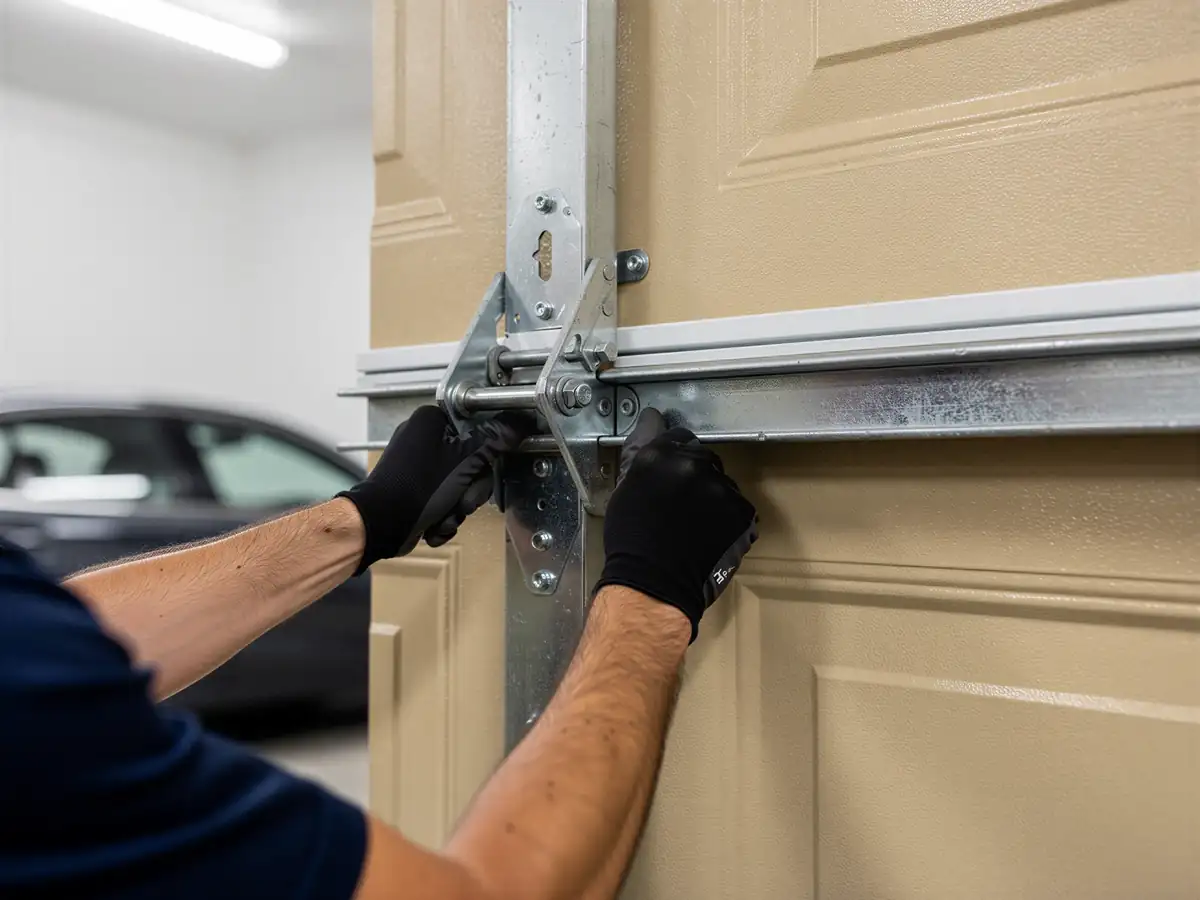
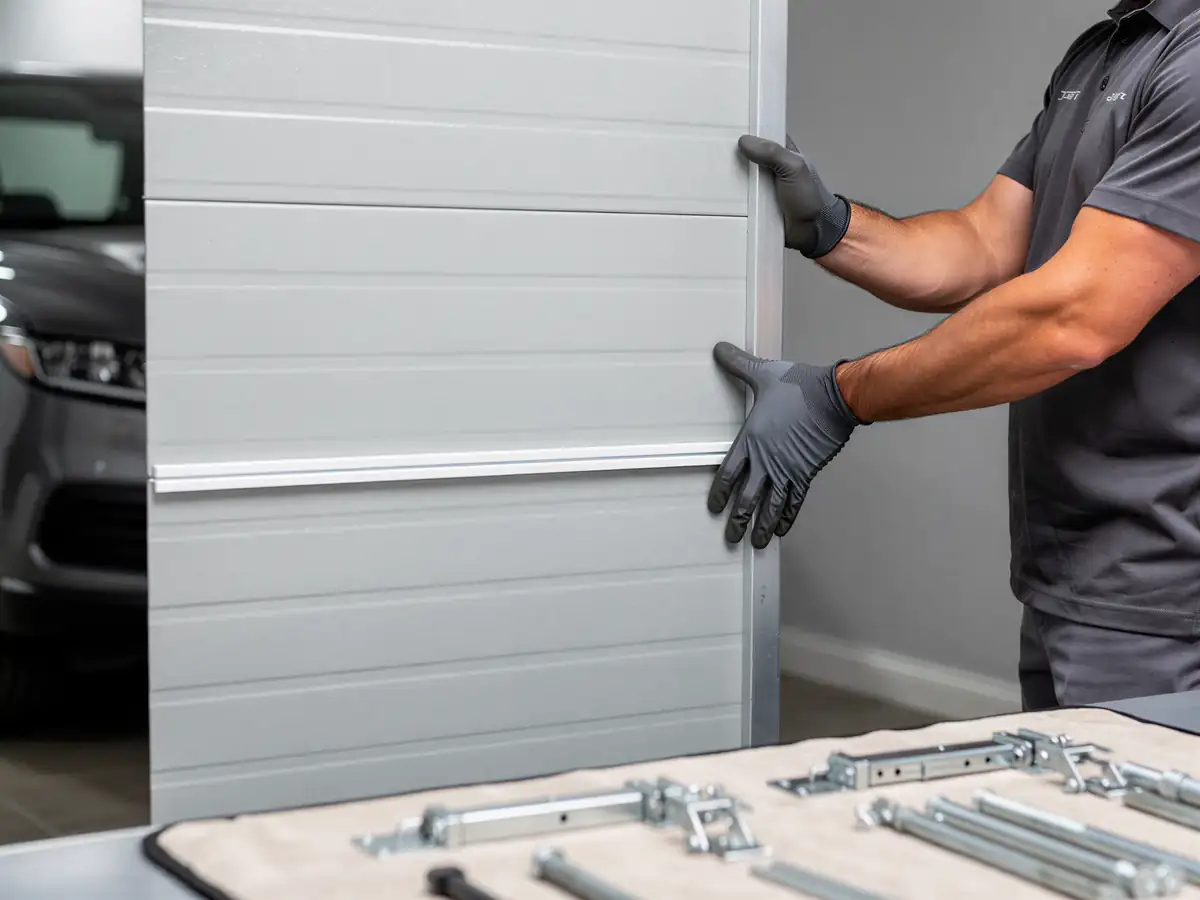
For the hardware that fails most on 2000-era builds, we carry torsion springs in the common residential sizes, replacement cables, rollers, and drums, plus openers and circuit boards for the models that turn up again and again on this part of the route. That covers the large majority of Macomb calls without a second trip. What we don't stock is every discontinued opener board or a spring wound to a spec no longer made - those get ordered, and we'll say so rather than jury-rig something that won't hold. For a double door original to a 2000-built house, we come prepared for the load a wider door puts on torsion hardware, not just a single-door spring kit. If you want to see what else this covers before you call, the service area page lays out the towns we reach from Sterling Heights.