Getting It Booked In
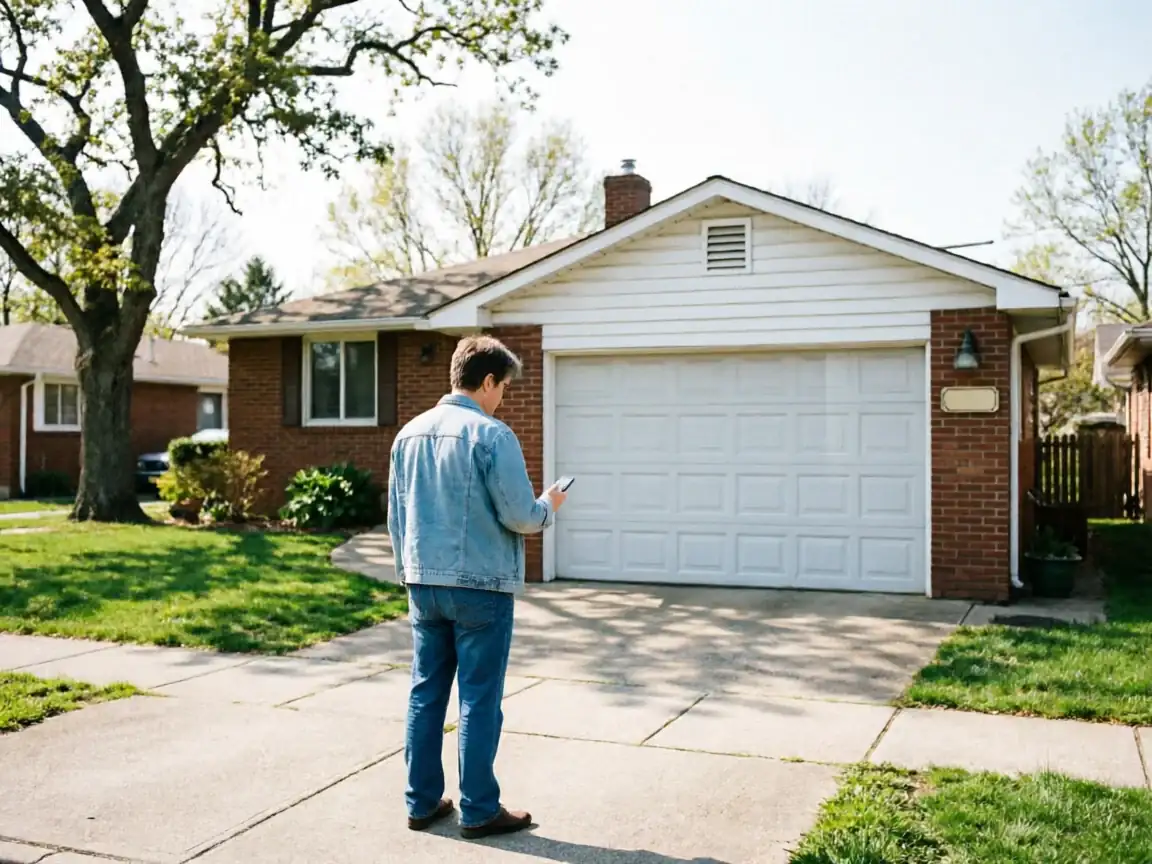
Macomb sits about 9 miles from our Sterling Heights base
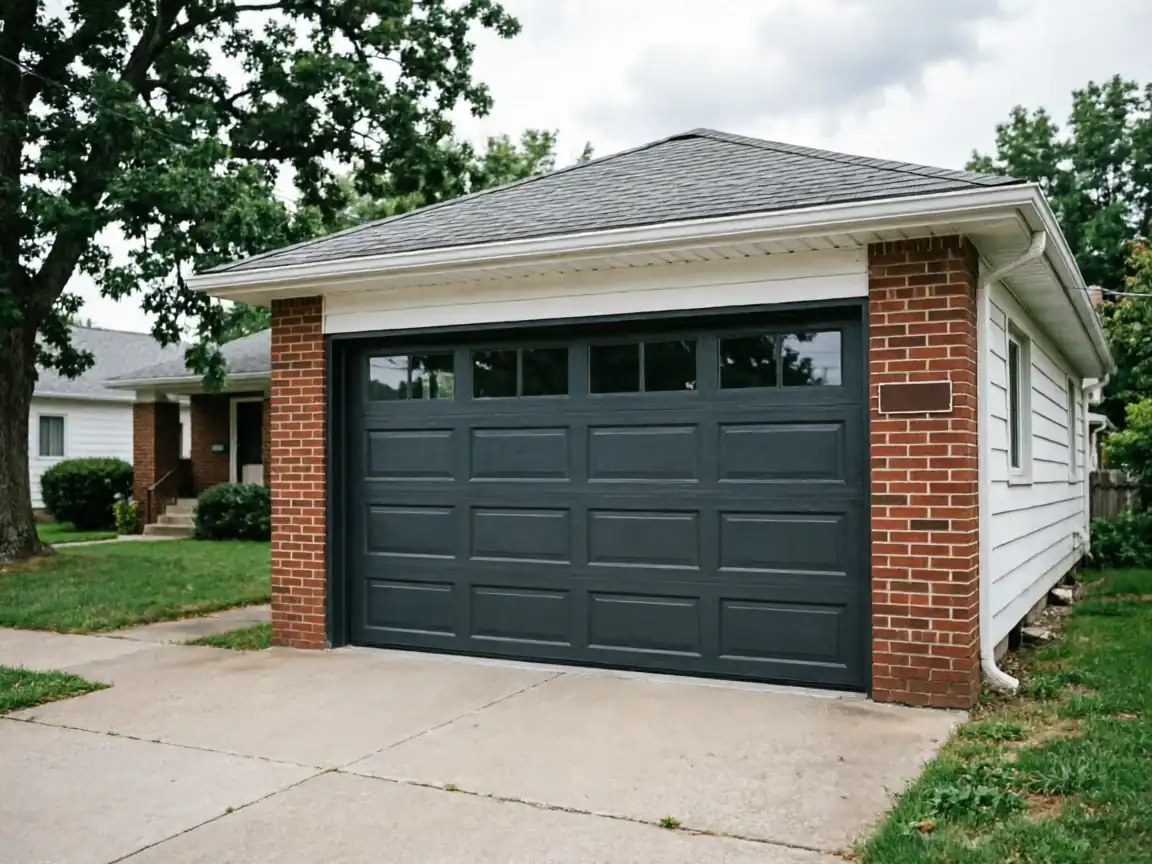
And most of the calls we get out here are on openers, not doors. That's not a coincidence. The median home in Macomb went up around 2000, which is noticeably newer than the pre-1960 stock that dominates a lot of the rest of our service area. Newer construction means newer opener installs, and newer openers fail in a different way than the chain-drive relics bolted into houses from the 1940s and 50s.
- 9 miles
When you call, tell us the brand if you know it, whether the light on the unit blinks a pattern
And whether the door moves at all when you hit the button. That narrows down whether we're bringing a logic board, a set of safety sensors, or a drive gear before we ever leave Sterling Heights. We don't keep a branch in Macomb - we run the job from here, so the more you can tell us up front, the less time you spend waiting on a truck to figure out what it needs.
Why It Happens Here
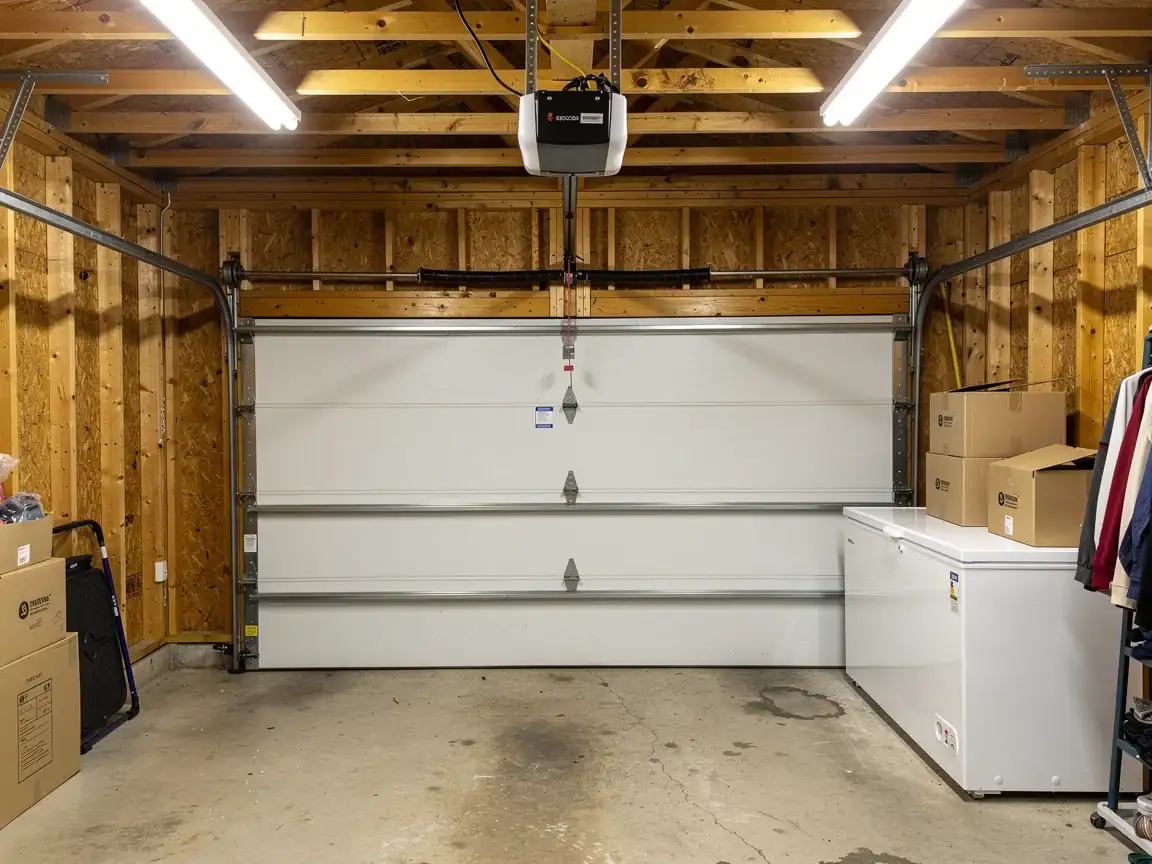
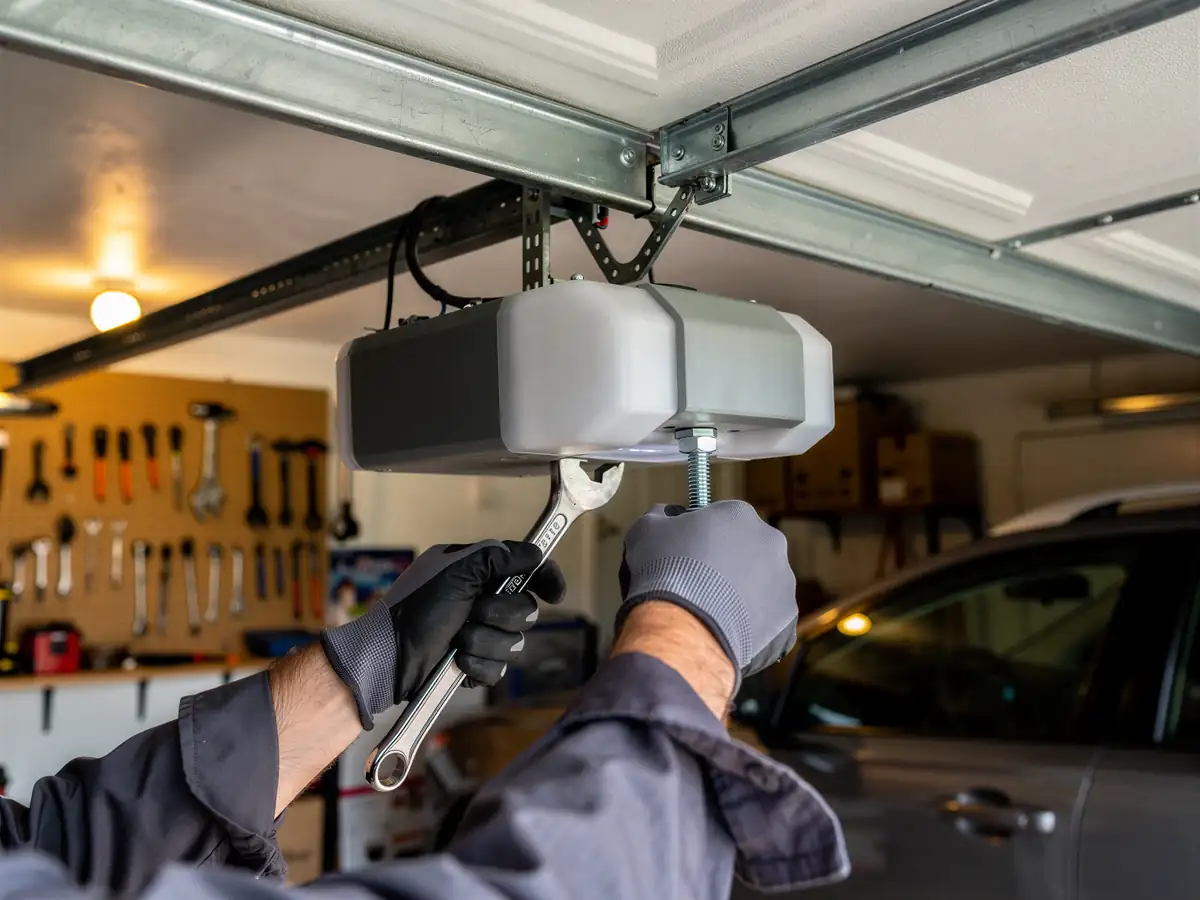
A house built in 2000 or later almost always shipped with a chain or belt-drive opener on a circuit board, not the simple relay-and-chain units that were standard decades earlier. Those boards are more capable - rolling codes, photo-eye sensors, sometimes a wall console with diagnostics - but they're also more sensitive to two things Macomb gets plenty of: power surges and cold.
This area sits in a cold, severe winter climate band. That matters for openers more than people expect. Cold doesn't just stiffen grease on the rail - it slows the capacitors in the logic board and can make a sensor's infrared beam less reliable right when ice or frost sits on the lens. In an older mechanical system there's less to go wrong in low temperatures. In a 2000-era board-driven opener, cold is often the thing that turns a marginal part into a dead one.
How It Shows Up
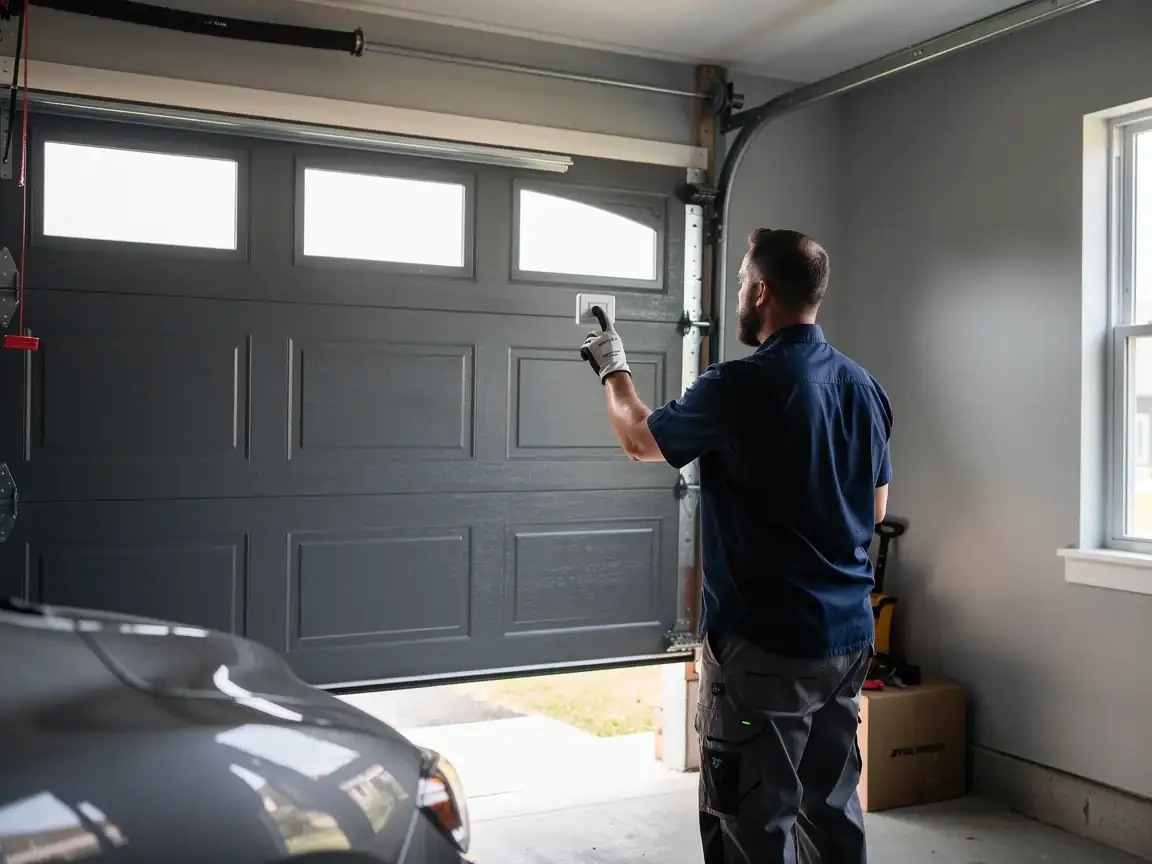
The most common complaint we hear from Macomb is the door reversing before it closes, or refusing to close at all, with the wall button doing nothing useful. Nine times out of ten that's the photo-eye sensors near the floor track, either knocked out of alignment or picking up a false reflection. The second most common is a remote that used to work and suddenly doesn't - often a battery, sometimes a board that's stopped accepting the rolling code and needs to be re-paired.
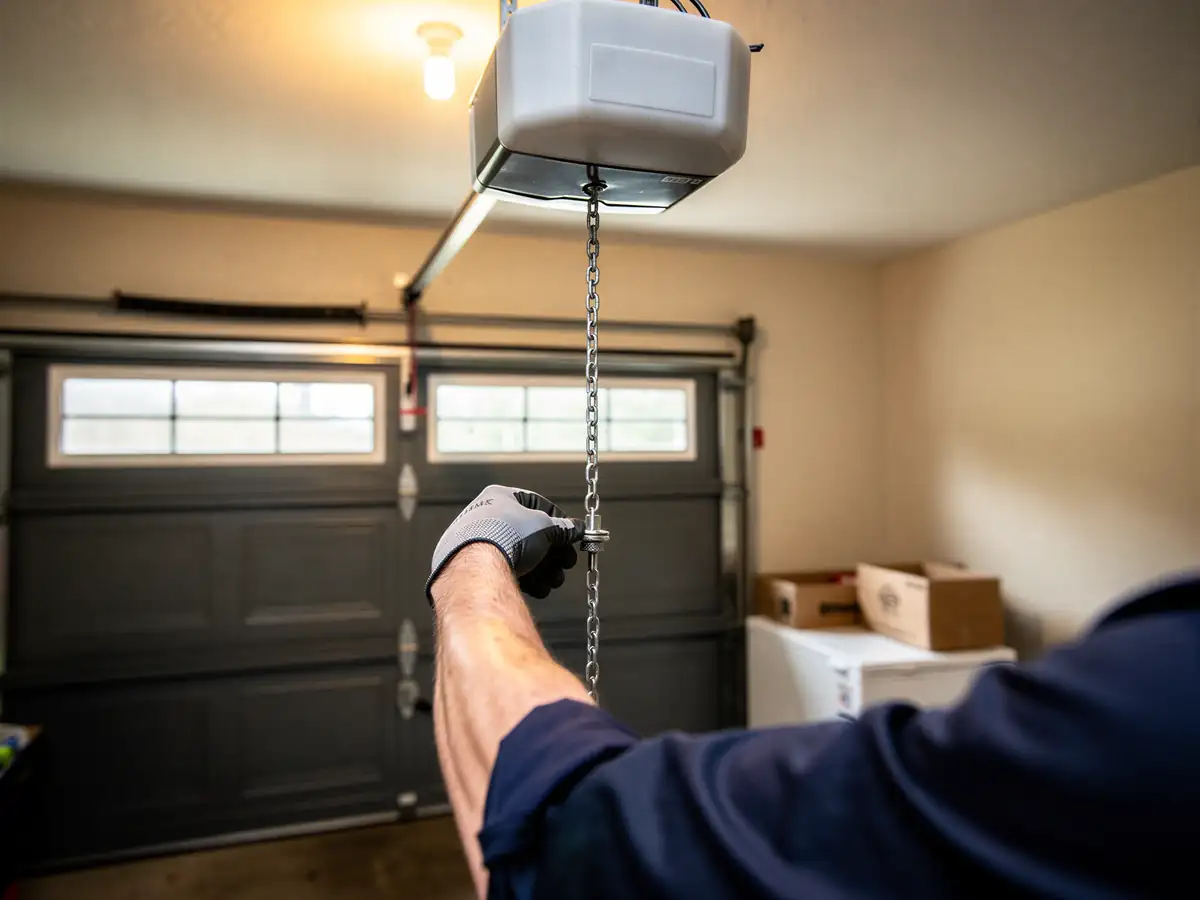
Less often, but still regularly, we get a call where the opener runs but the door doesn't move - that's usually the drive gear stripped inside the unit, a known wear point on belt and chain systems once they clock a decade or more of daily use. Houses from this build era are old enough now that the original opener, if it's never been replaced, is getting close to or past that point.
The Complications
Higher household income in Macomb
The local median runs well above the $97,027 average across our wider service area - tends to line up with more feature-rich openers: battery backup units, Wi-Fi-enabled models, security cameras wired into the opener itself. Those add convenience, but they also add parts that aren't interchangeable across brands. A board for one manufacturer's smart opener doesn't swap into another's housing.
Here's the honest limitation
If your opener is a less common smart model, we may not have the exact replacement board on the truck, and it can mean a short wait while we source the right part rather than a same-visit swap. We'd rather tell you that up front than pretend every board is sitting in our inventory. For a straightforward sensor realignment, remote re-pair, or drive gear swap, we're usually in and out in one trip.
What Is on the Truck
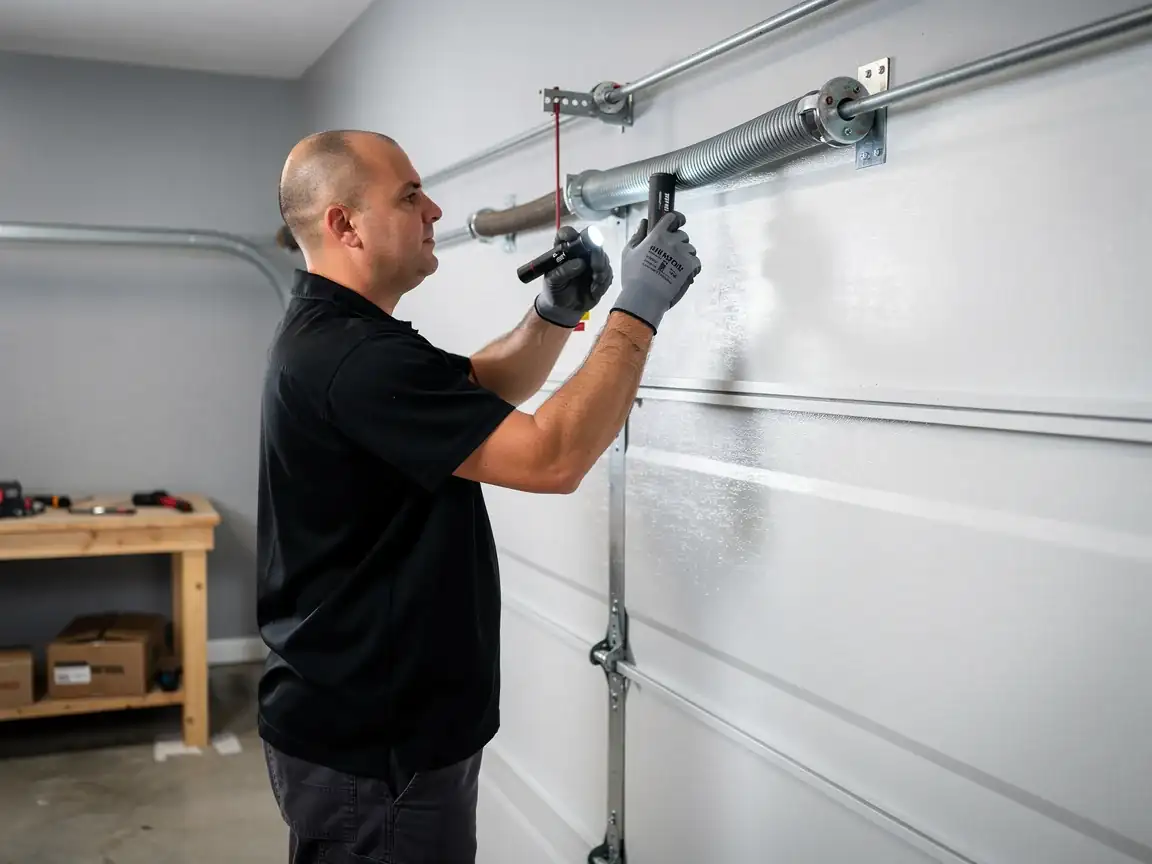
For Macomb calls we carry photo-eye sensor kits, universal remotes that pair with most rolling-code systems, drive gears and sprockets for the common chain and belt units, and logic boards for the major brands that show up in 2000s-era construction. Given the cold-climate failures we see here, we also carry weather-rated wiring connectors, since a cracked or corroded low-voltage connection at the sensor wire is a repeat offender once a winter or two of freeze-thaw gets at it.
We don't stock every proprietary board for every smart-home-integrated opener - that's the one thing that can turn a same-day fix into a return trip. Everything else on this list covers the bulk of what actually breaks on a 2000-era install: sensors, remotes, gears, and boards for the common drive systems.