Why It Happens Here
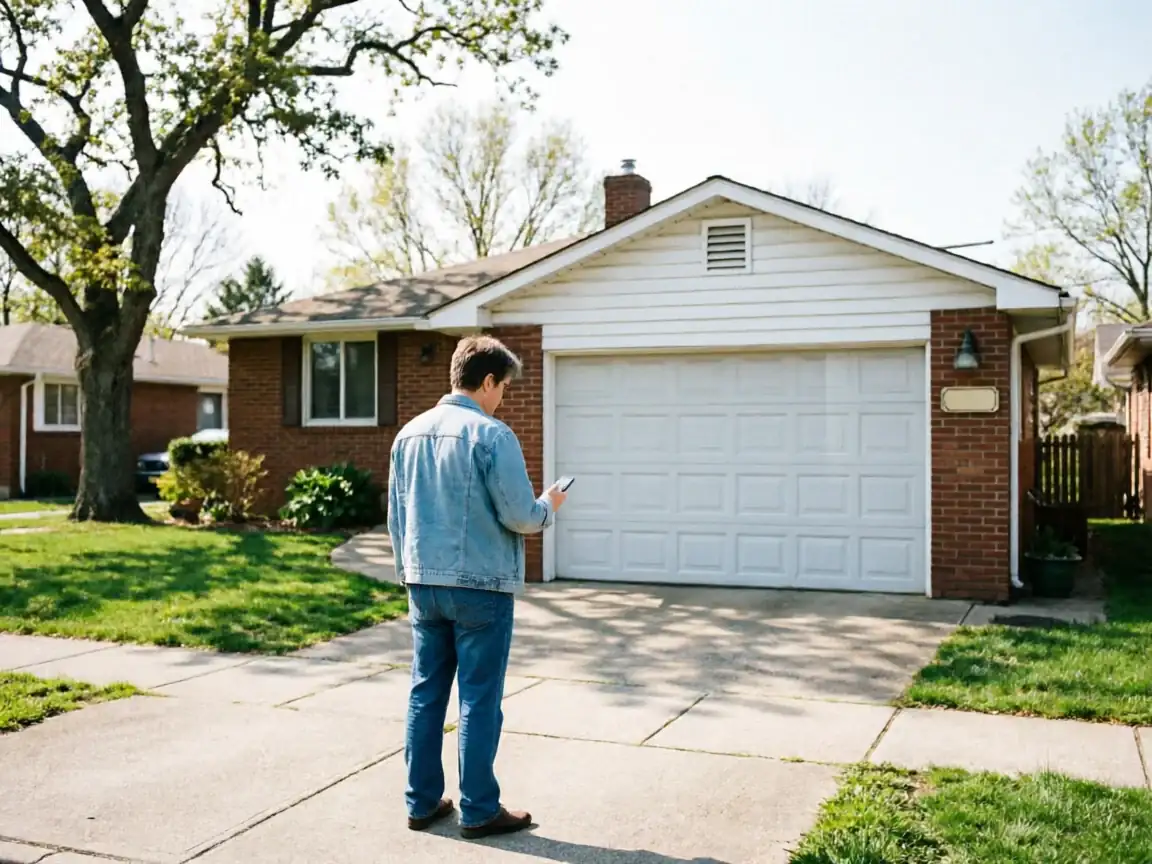
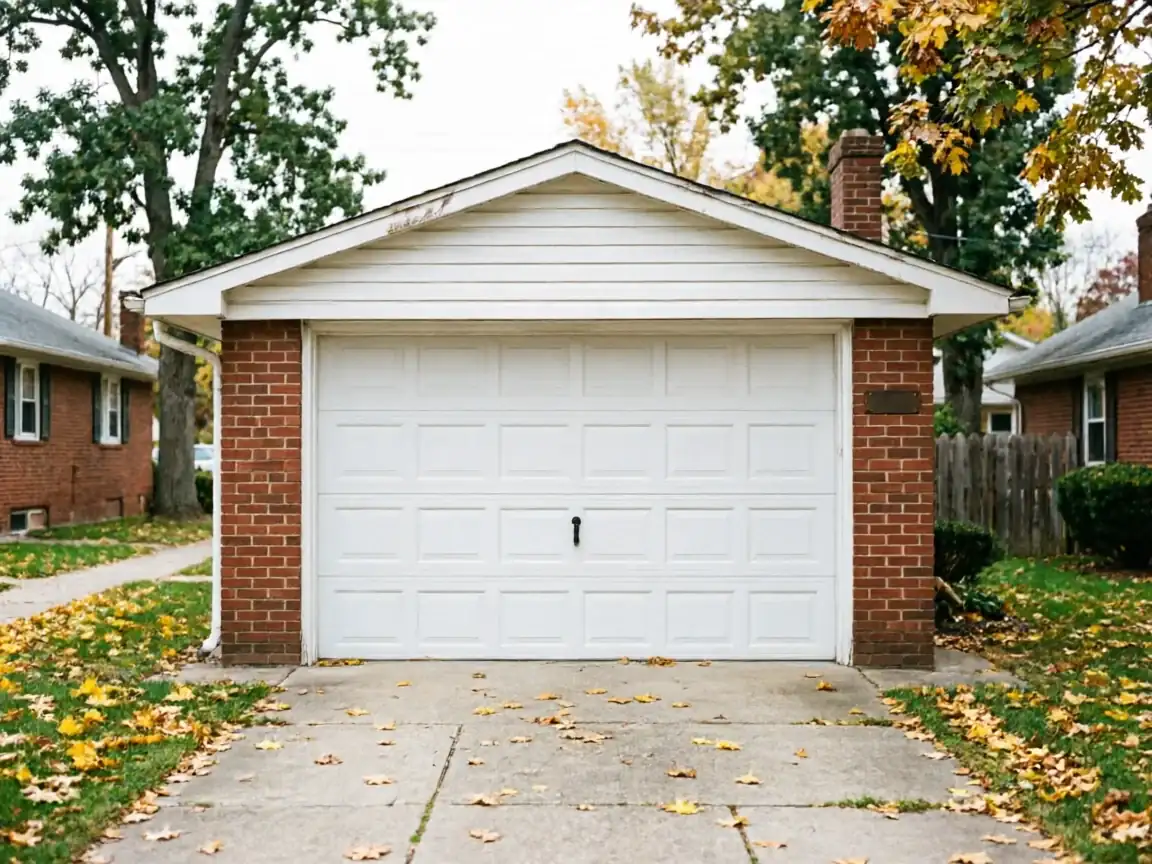
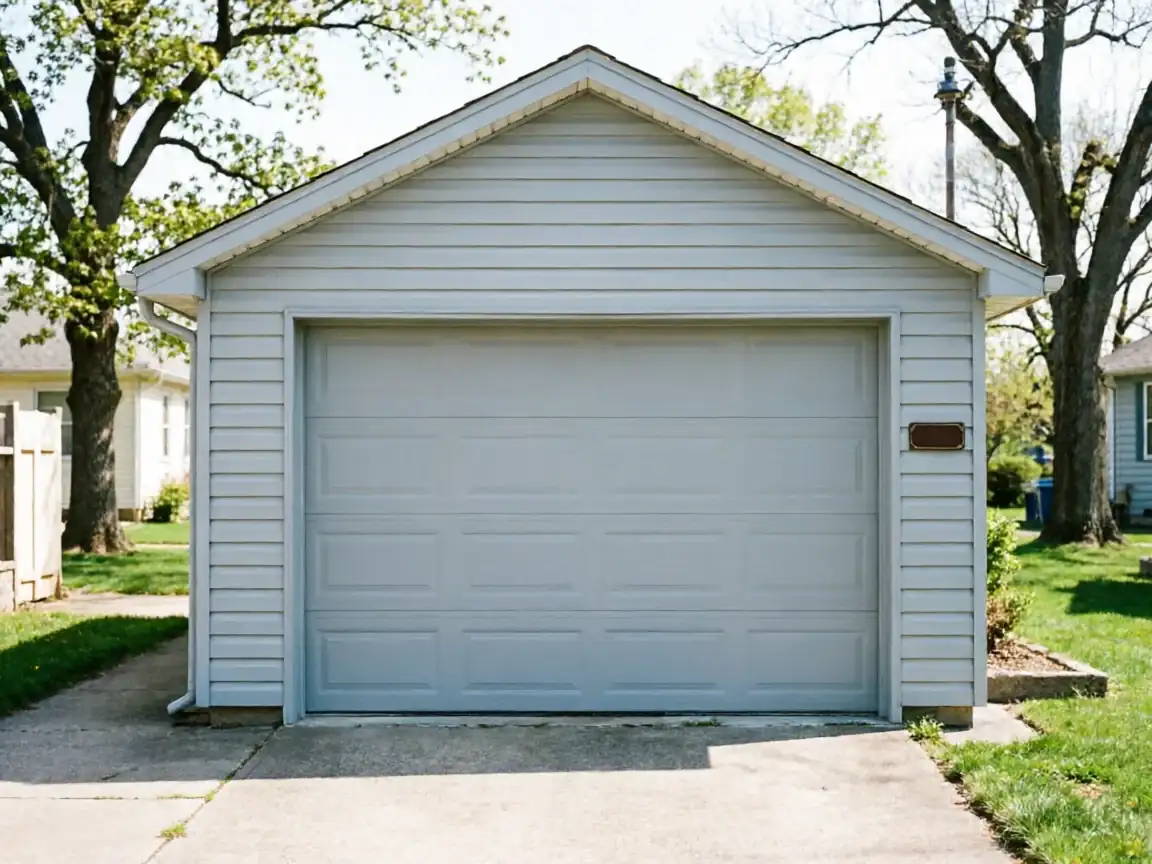
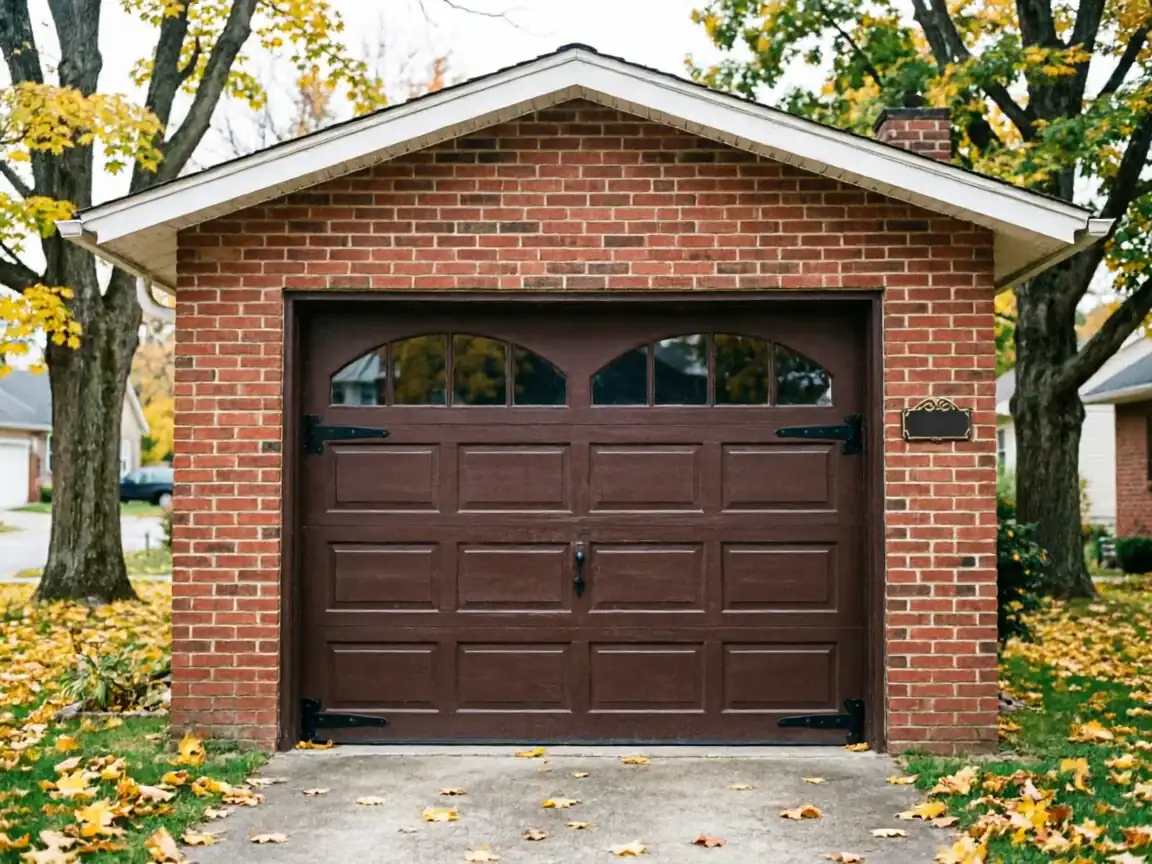
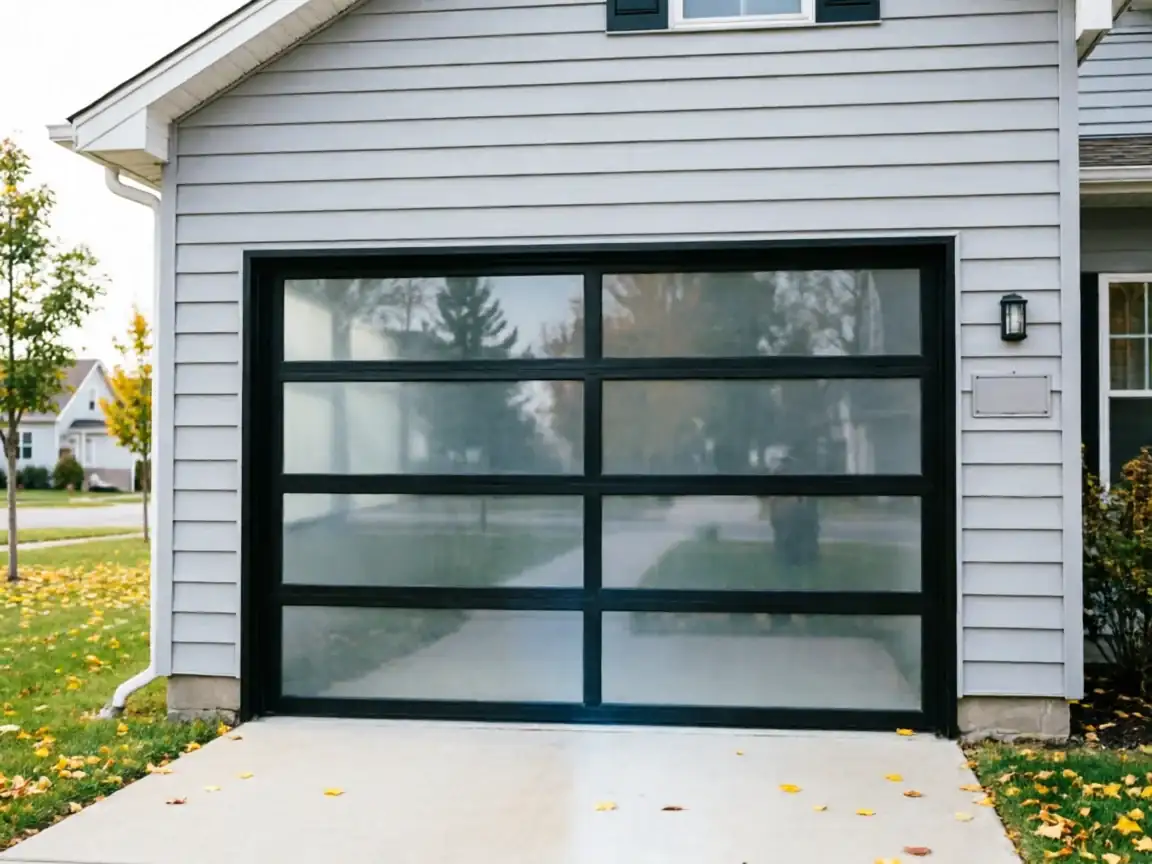
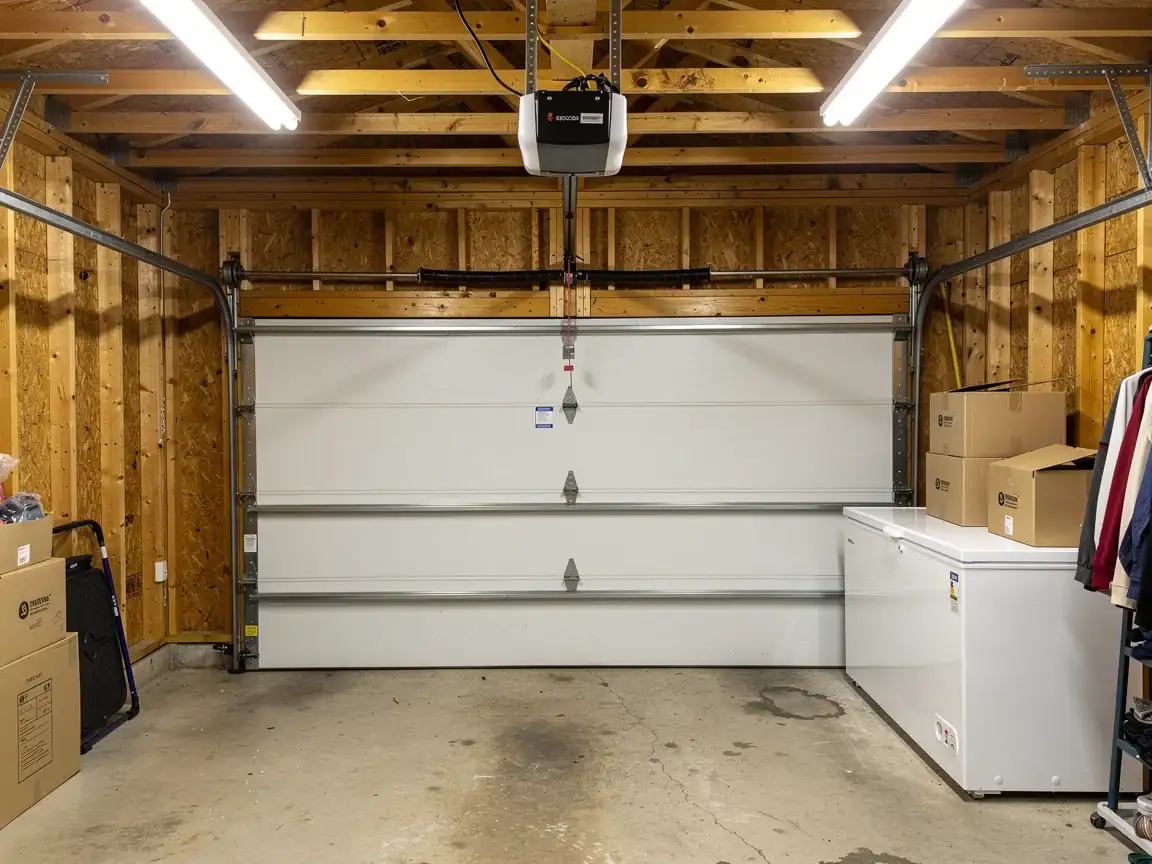
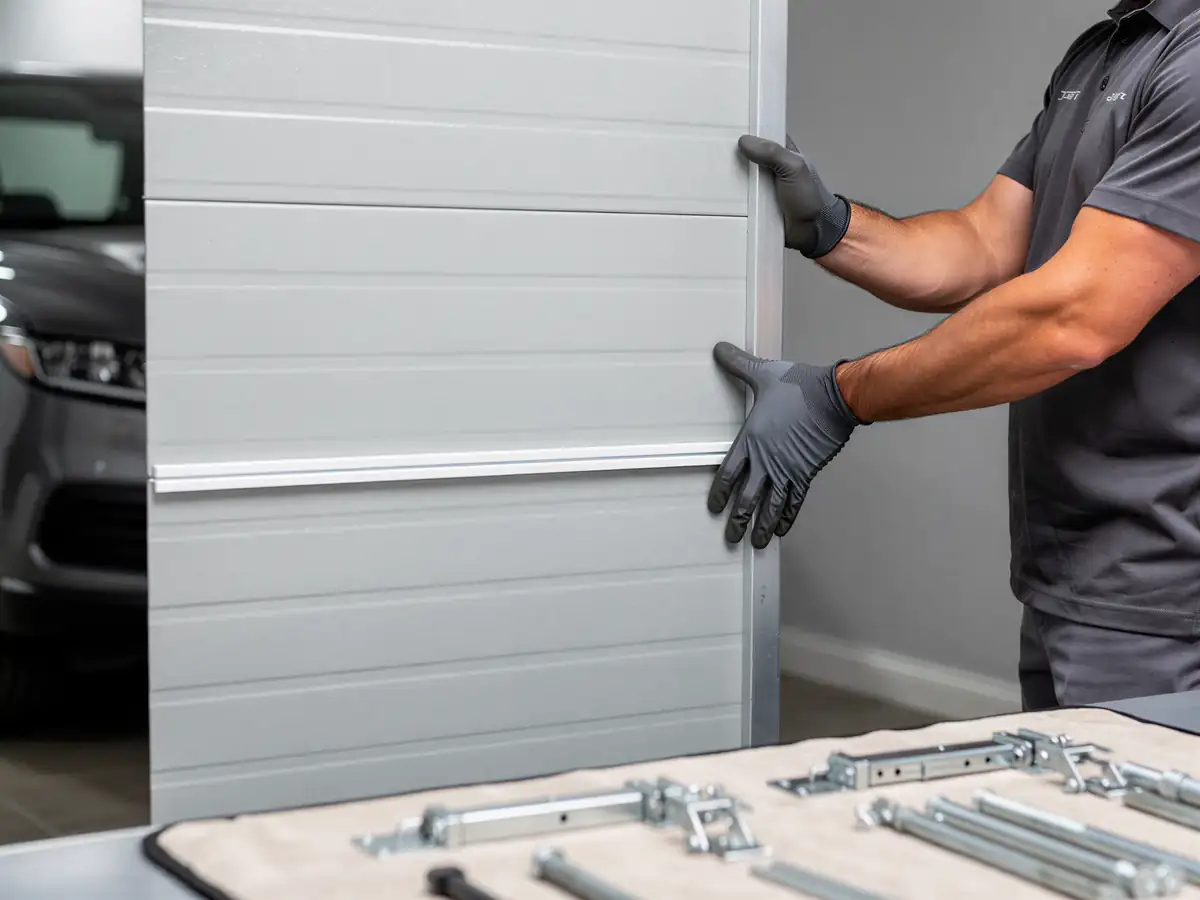
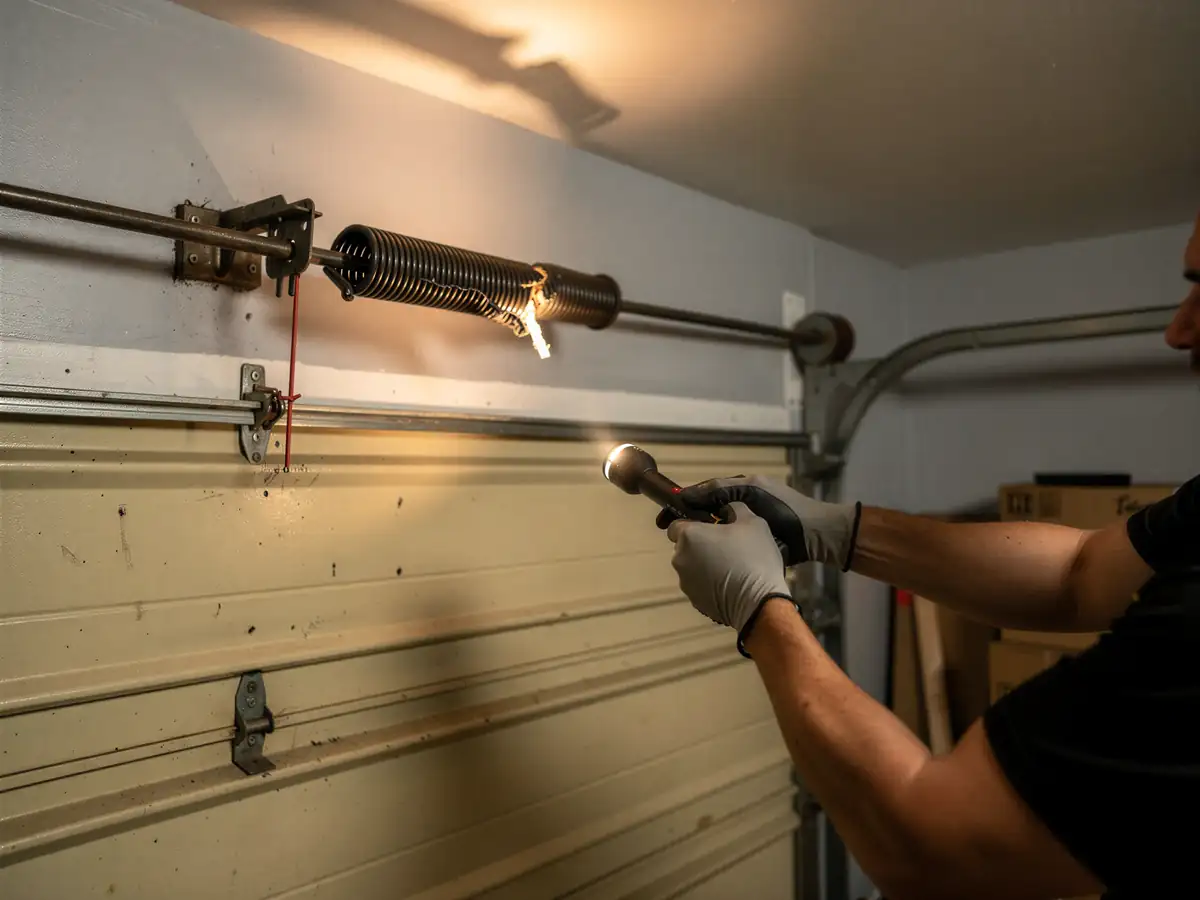
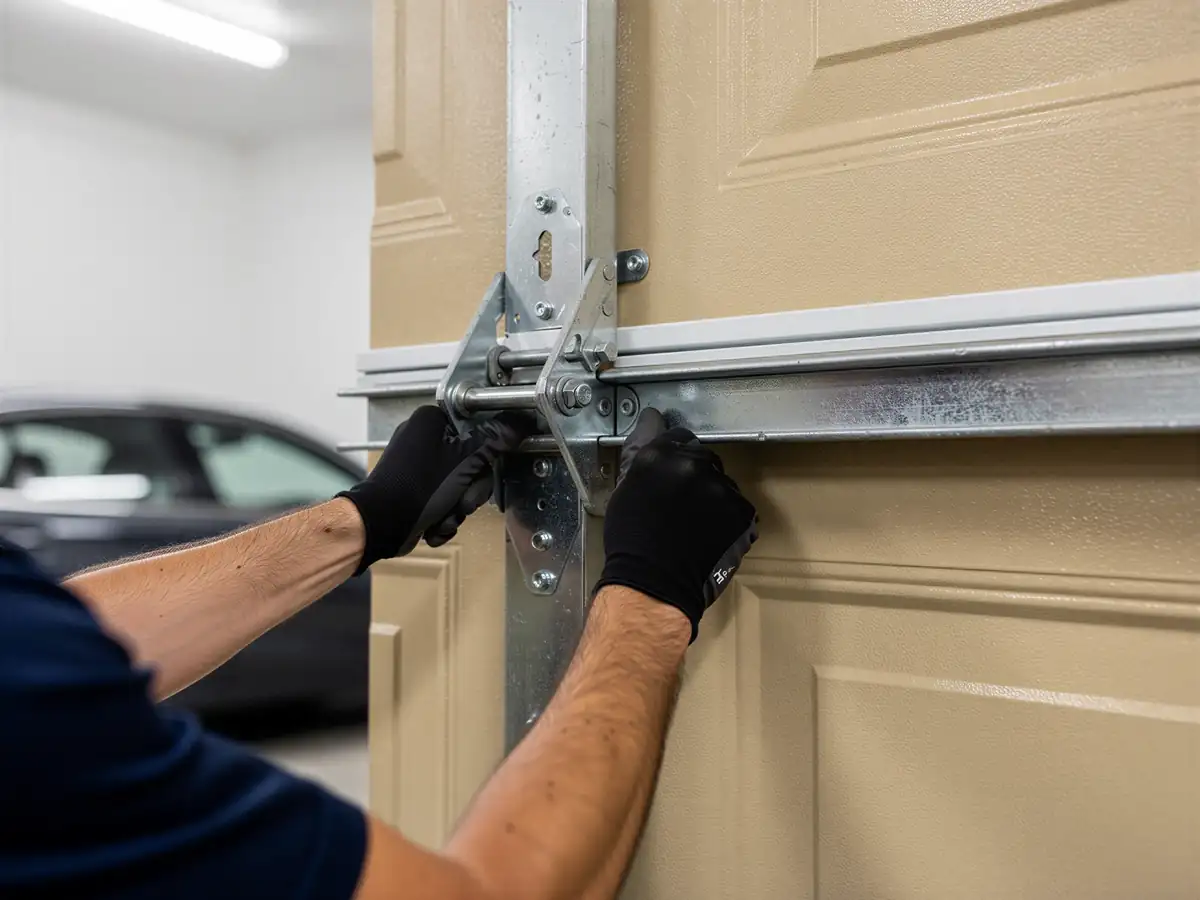
A house built in 1976 has had roughly fifty years for hardware to fatigue, and in this part of Michigan that fatigue runs harder than it would in a milder climate. The area's winters fall into the severe-cold band, which means repeated deep-freeze and thaw cycles on steel springs and cable - the metal contracts hard in a cold snap, then the door gets forced through its full travel anyway because somebody's late for work. On a spring that's original to a 1976 install, that's close to fifty winters of that cycle. We also see it on track alignment: slab foundations in this cold band shift seasonally, just enough over decades to throw a track out of plumb, which chews up rollers and throws extra load onto whatever spring is left holding the door. None of this is specific to one street - it's specific to the age of the house and the weather it's sat through.
Getting It Booked In
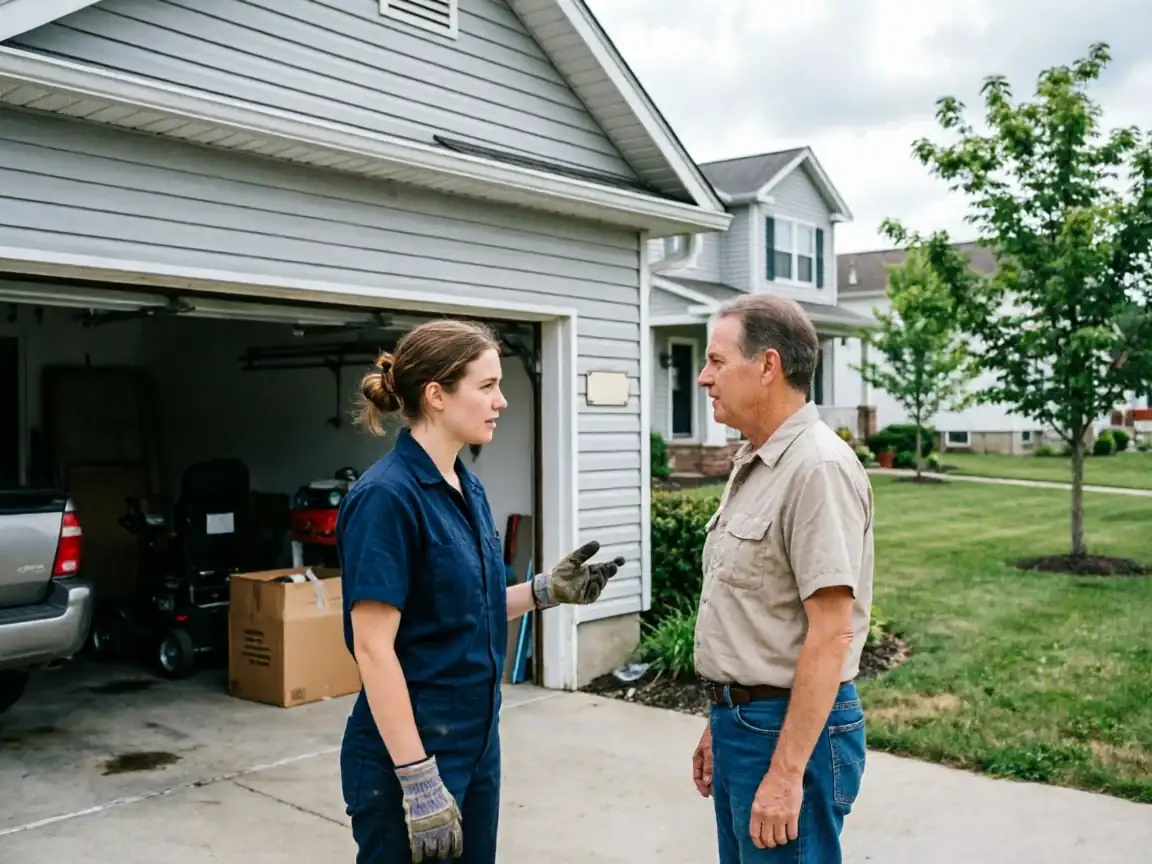
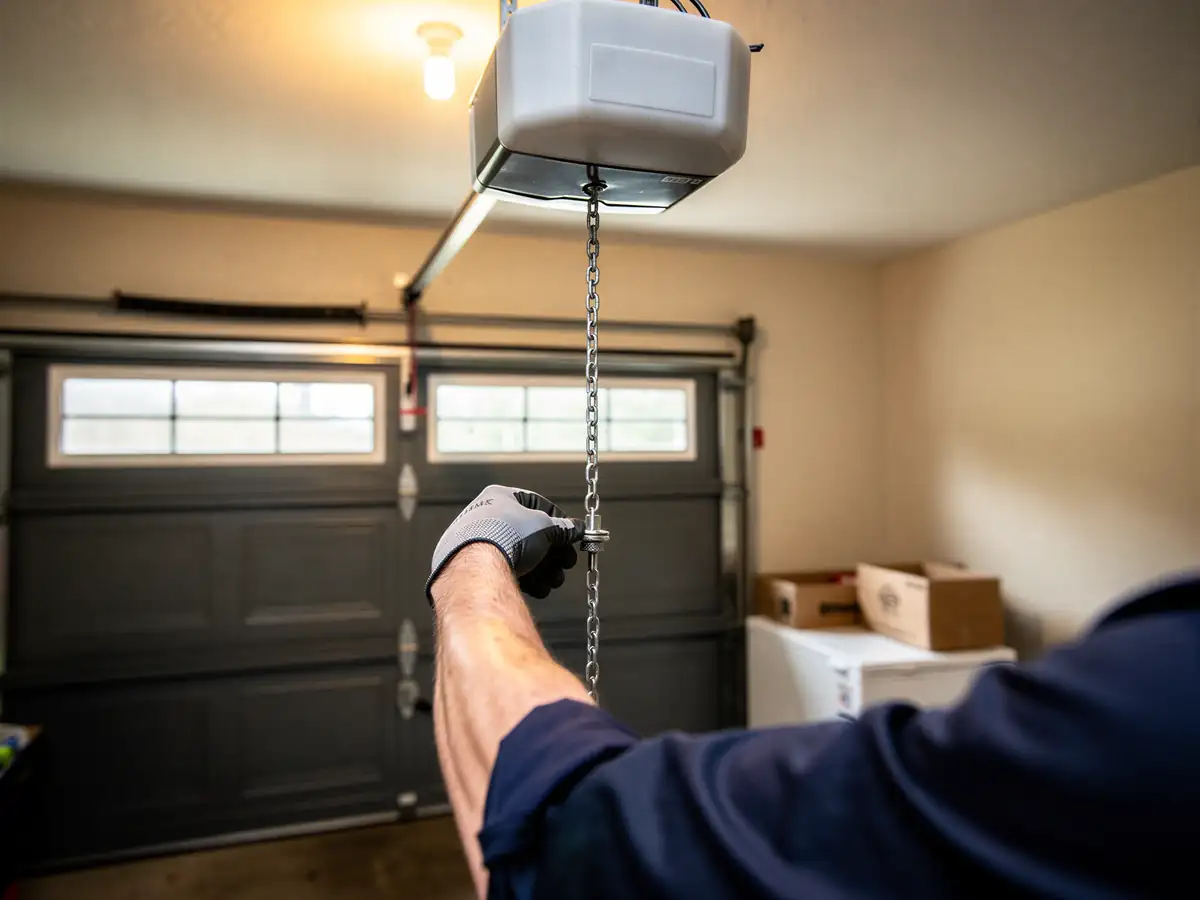
Tell us the house's rough age if you know it - pre-1980 Utica homes are common enough around here that it changes what we load on the truck before we leave Sterling Heights. If you know whether the opener has ever been swapped, that's useful too; an original chain-drive unit and a replacement from the last fifteen years need different parts entirely. We'll ask what the door is doing - won't open, opens then drops, grinding noise, opener runs but door doesn't move - because on older extension-spring setups those point to different failures and we'd rather bring the right spring than guess. Utica's a short run for us, so scheduling isn't the issue; having the correct parts on the truck for a house this age is.
What It Costs
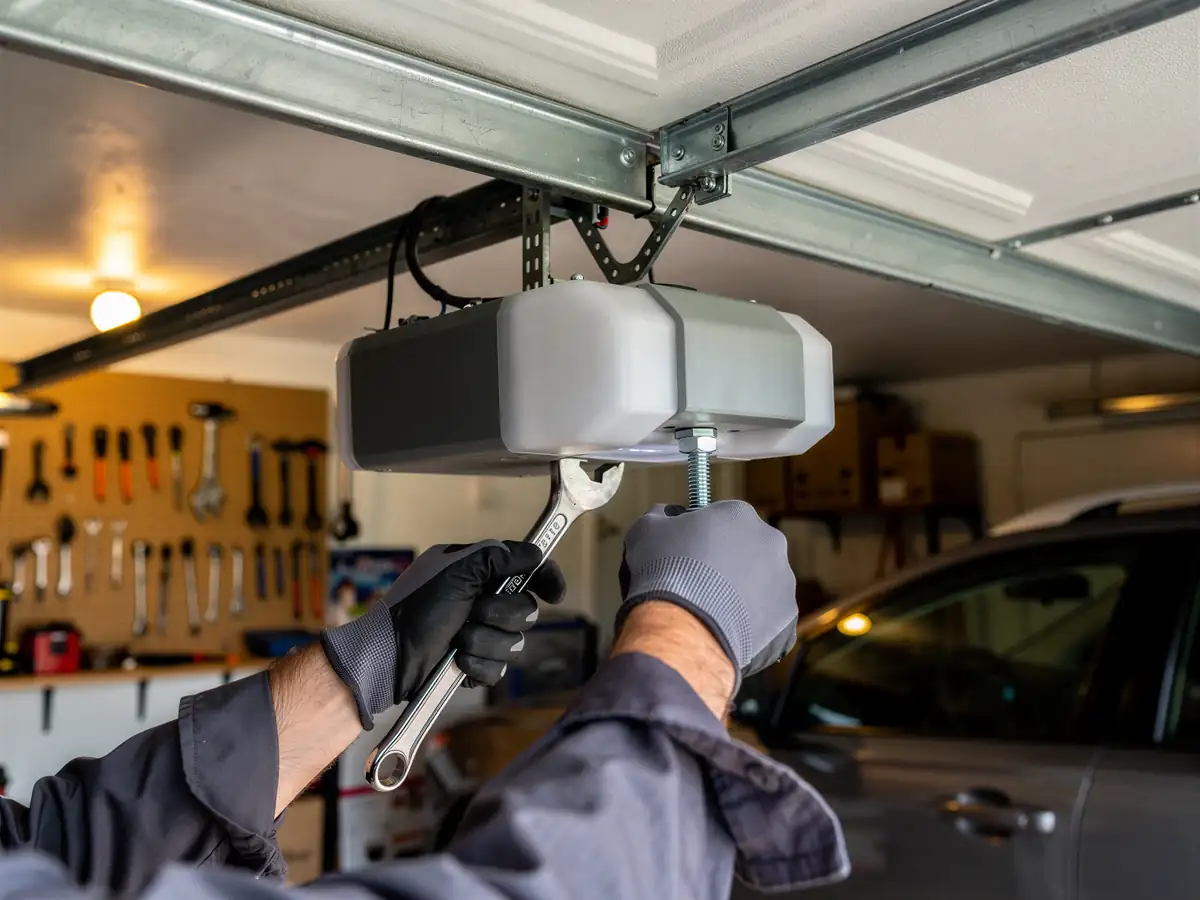
We don't have a flat number to print here, and we'd rather leave it blank than make one up. Extension-spring replacement on an original 1976-era setup runs differently than torsion work on a newer door, and a tired chain-drive opener swap is its own separate cost entirely - the two shouldn't be quoted the same way. Median household income in this pocket runs lower than some of the surrounding suburbs, and we price the job on what's actually broken, not on a guess about the neighborhood. Ask for the breakdown by part - spring, cable, roller, opener - before you agree to anything.
Doing It Yourself
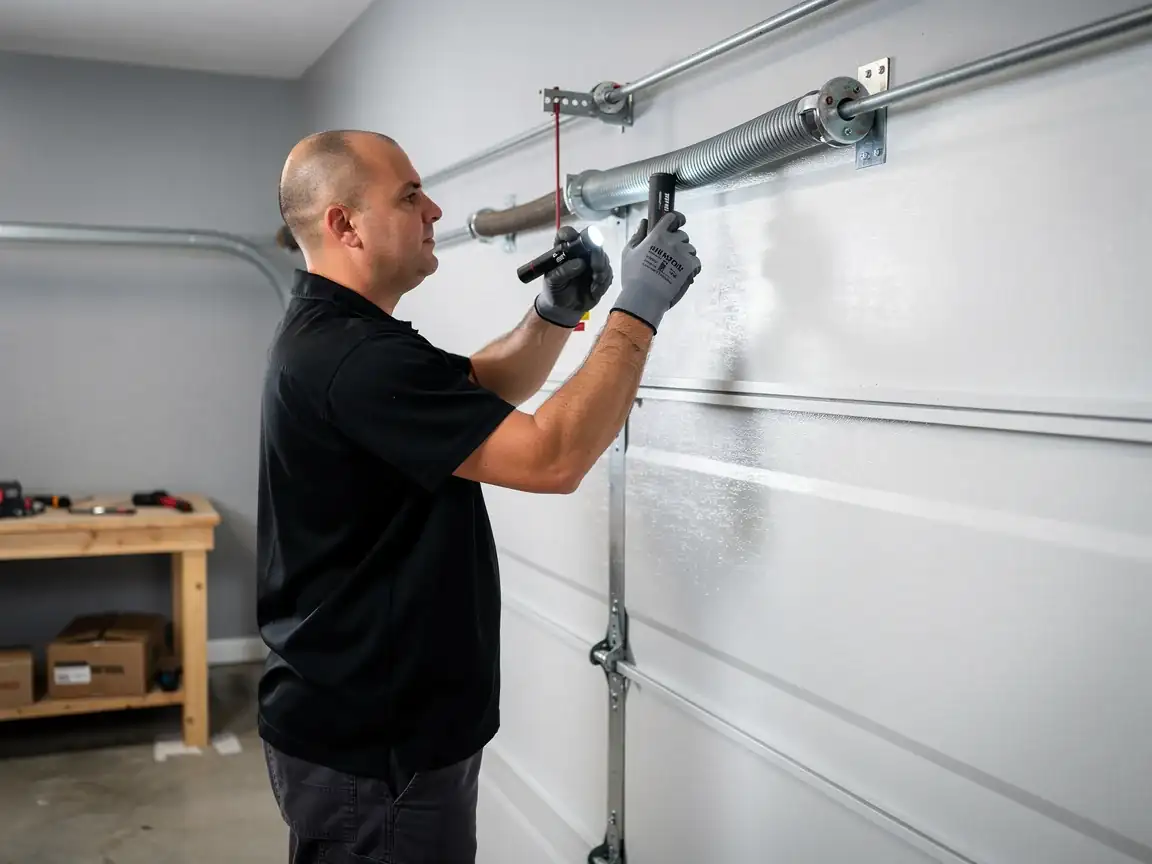
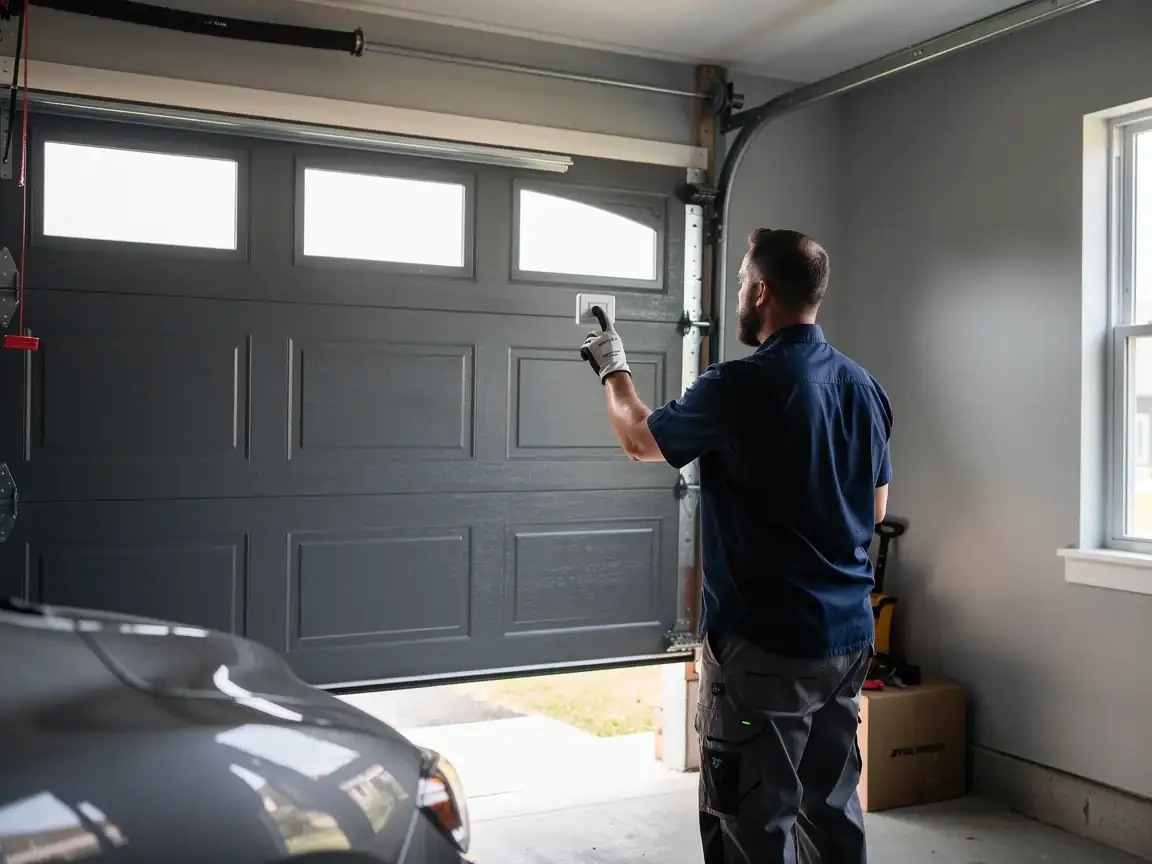
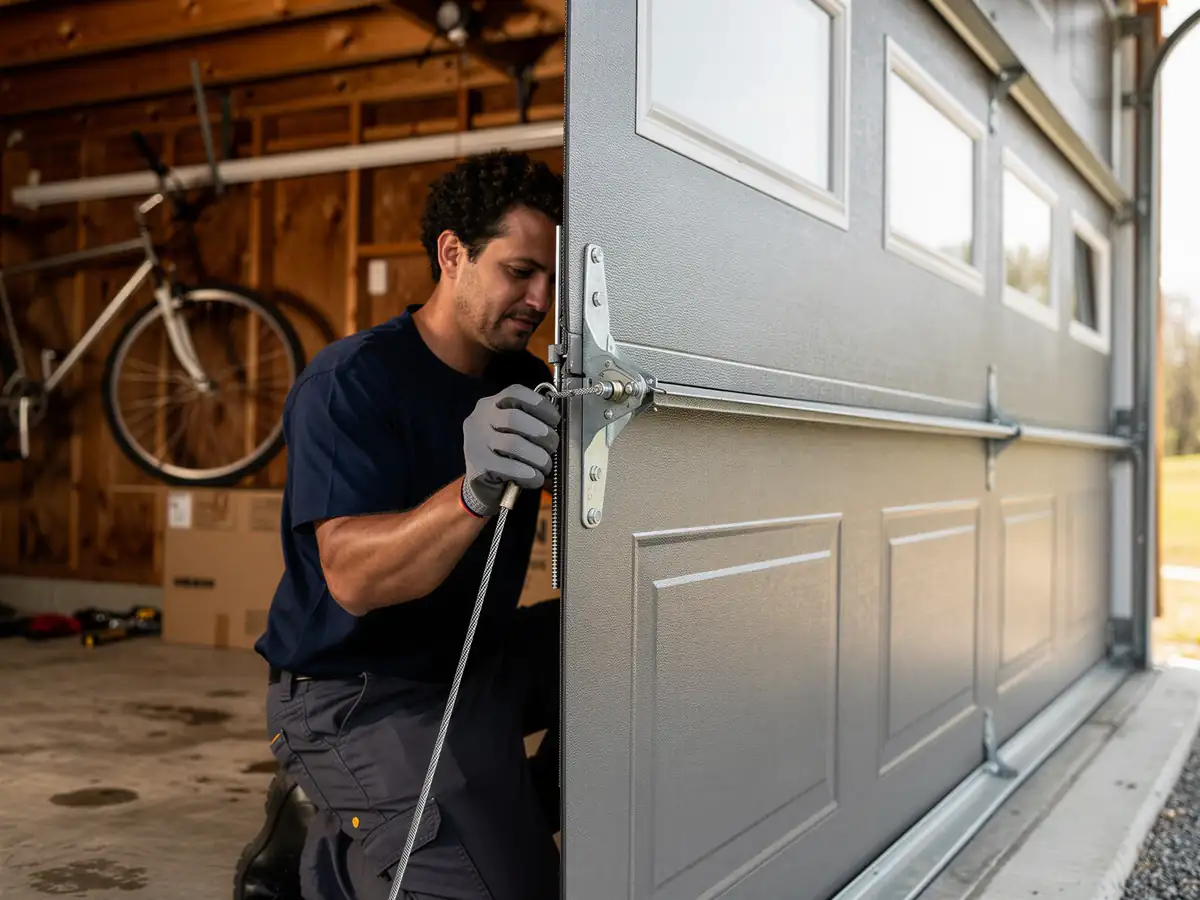
Checking the obvious stuff costs nothing: make sure the door's not manually locked, check the opener's unplugged or the breaker hasn't tripped, and look at the track for anything visibly bent. Lubricating rollers and hinges with a garage-door-specific lubricant is safe and worth doing twice a year, especially given how many freeze-thaw cycles this area's hardware sits through. What you should not touch is the spring itself. On an extension-spring door that's held tension for close to fifty years, that spring is under enough load to break a hand or worse if it lets go while you're working on it. That one's a call-us job, not a weekend project.