Why It Happens Here
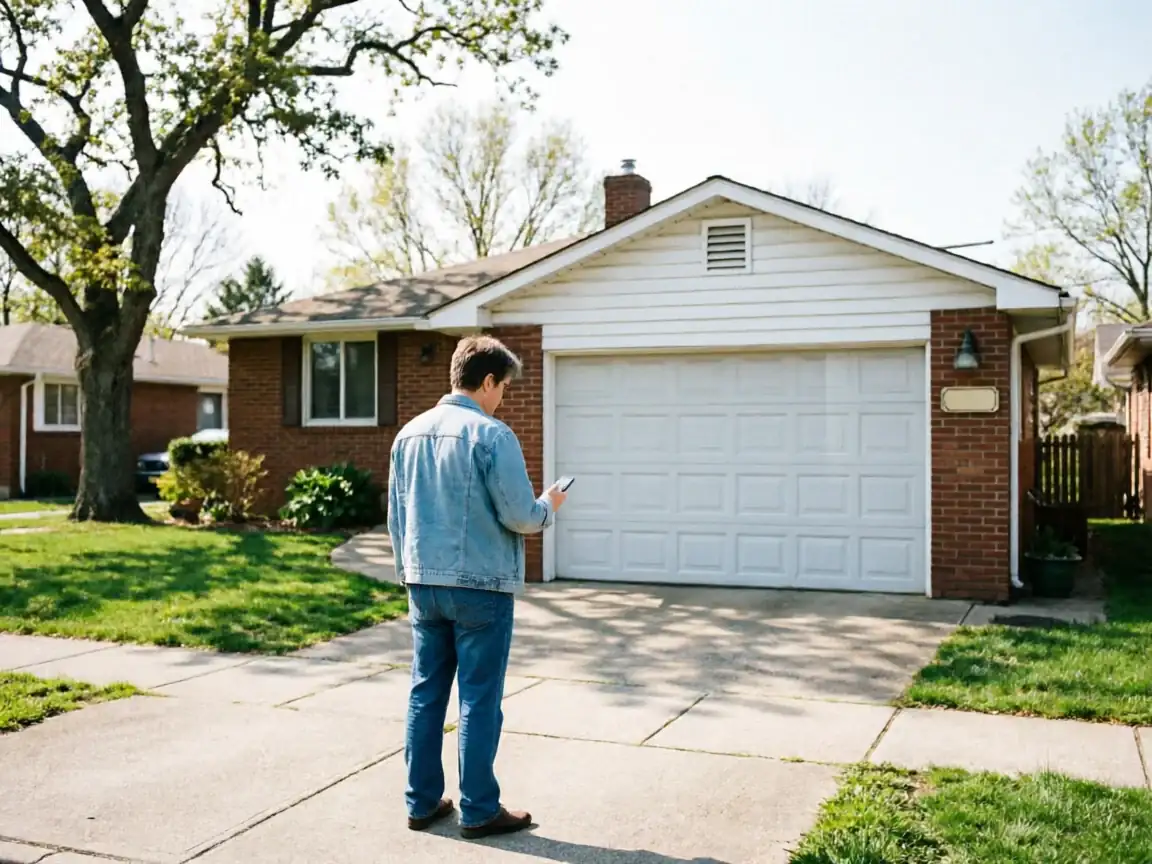
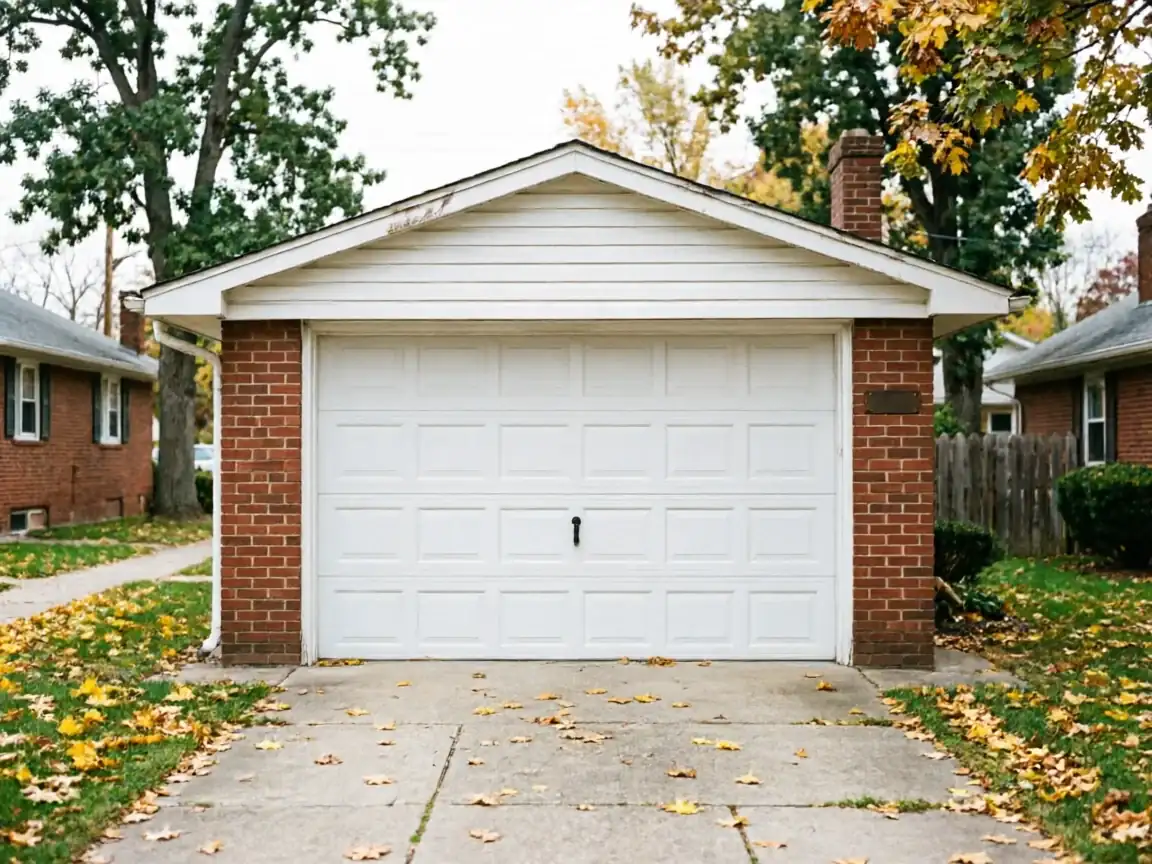
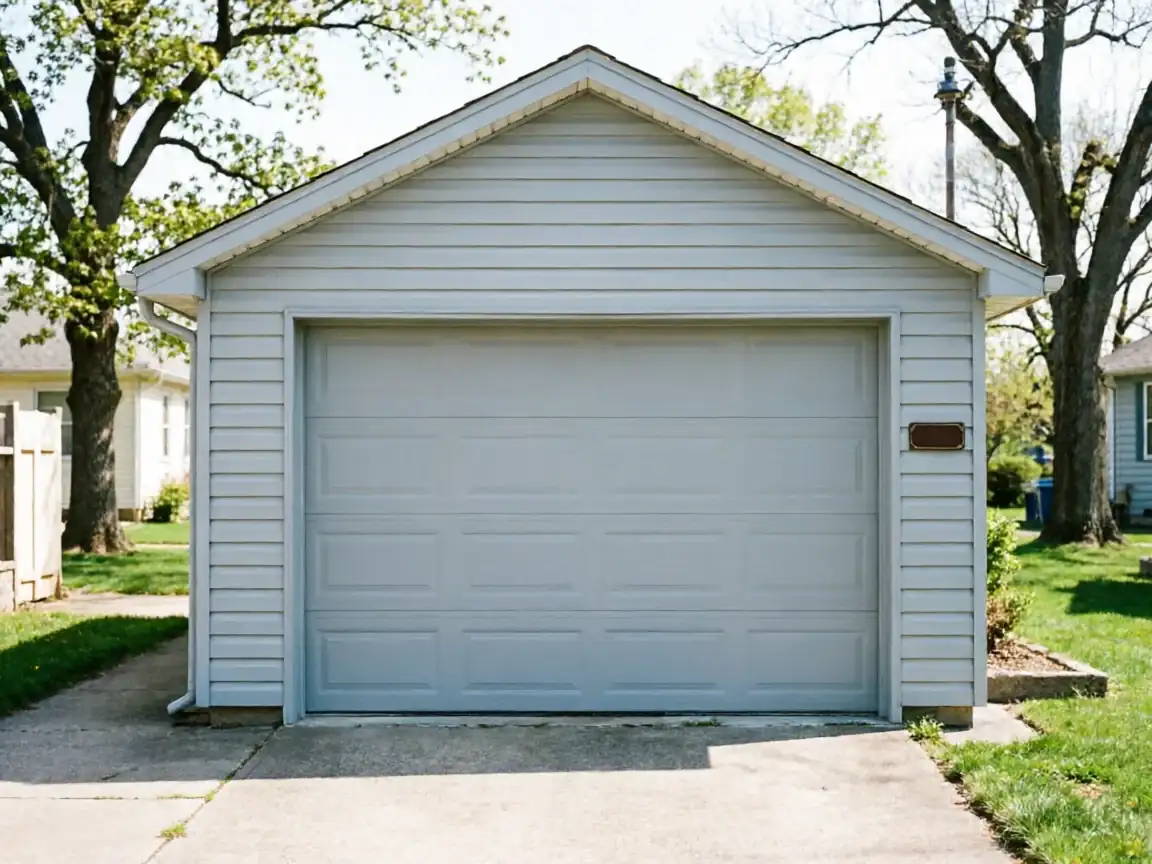
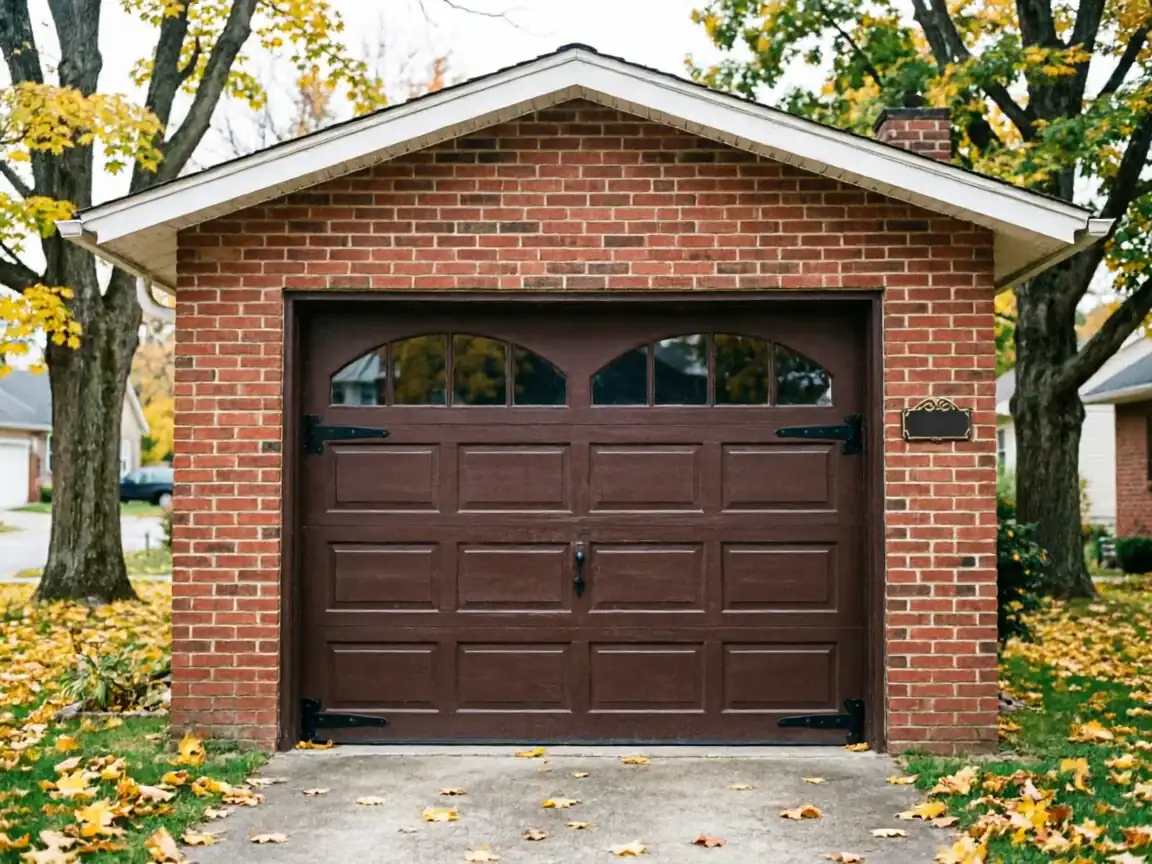
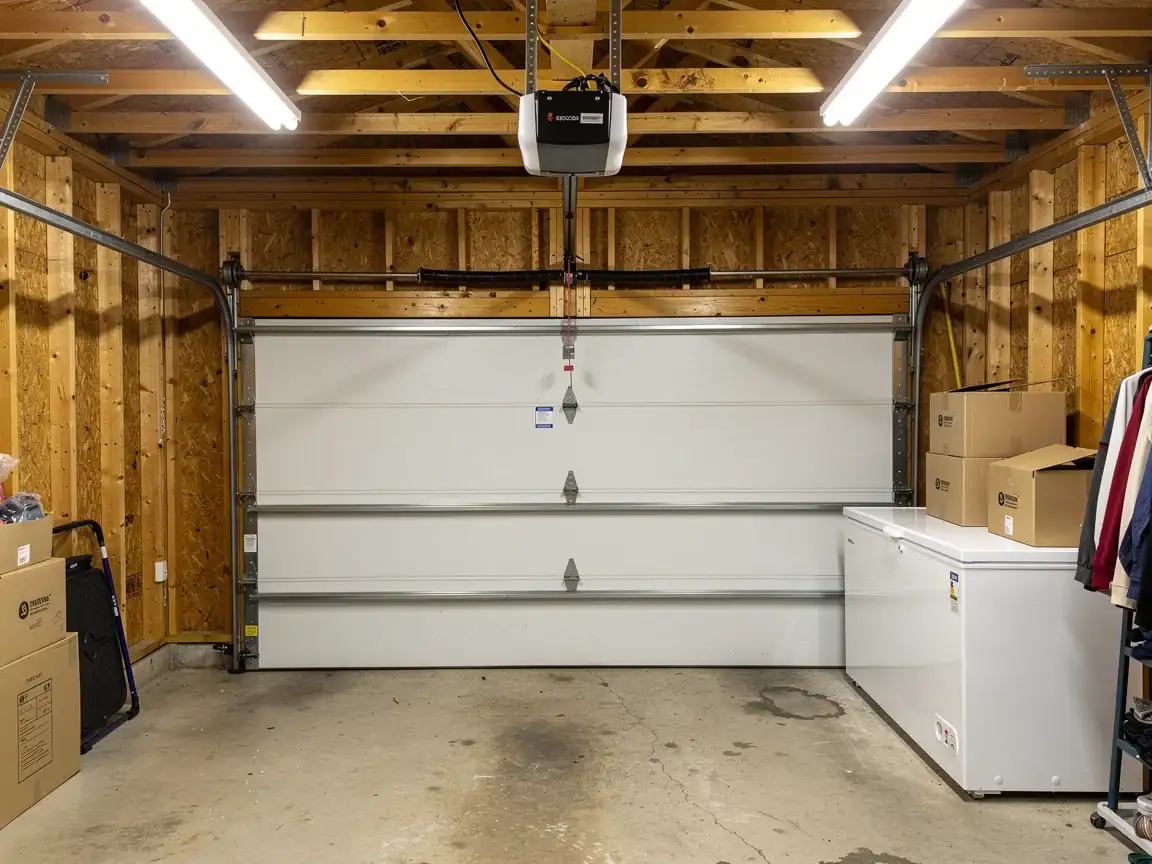
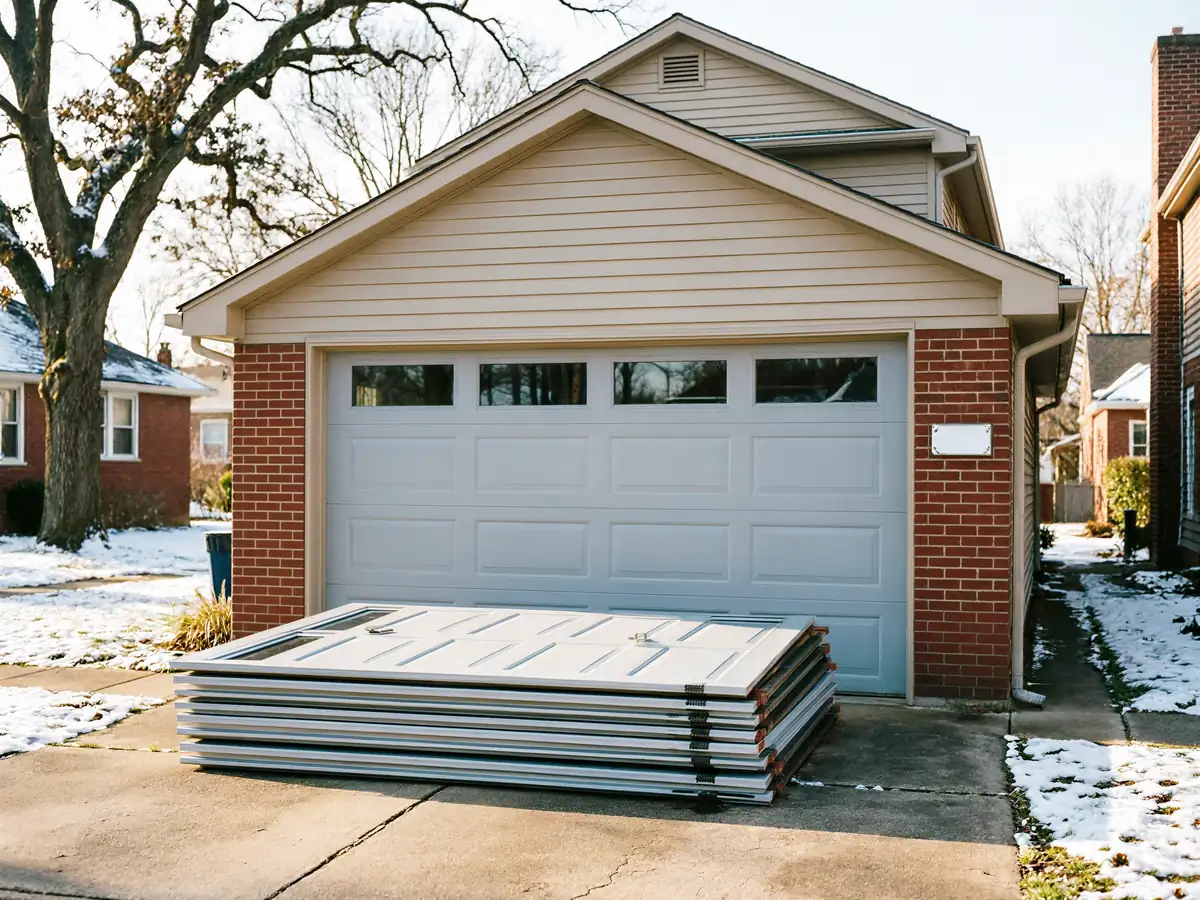
A door installed when a house was built in the mid-1970s was built to the standards of that decade: single-layer steel, minimal weatherstripping, a torsion or extension spring sized for a lighter panel than what's common now. That's a different starting point from the older one-piece wood doors still found across much of this territory's pre-1960 housing. In Utica, the fix is less often about replacing wrecked hardware and more about swapping out a door that's simply aged out - thin panels that dent, foam insulation that's degraded, seals that no longer seat against the slab. The area sits in a climate band with severe winter conditions, and a 1976-spec door wasn't built with current insulation expectations in mind. None of that means the door is unsafe. It means it's doing less than a new one would, especially on heating bills and on how much cold air gets into an attached garage.
Getting It Booked In
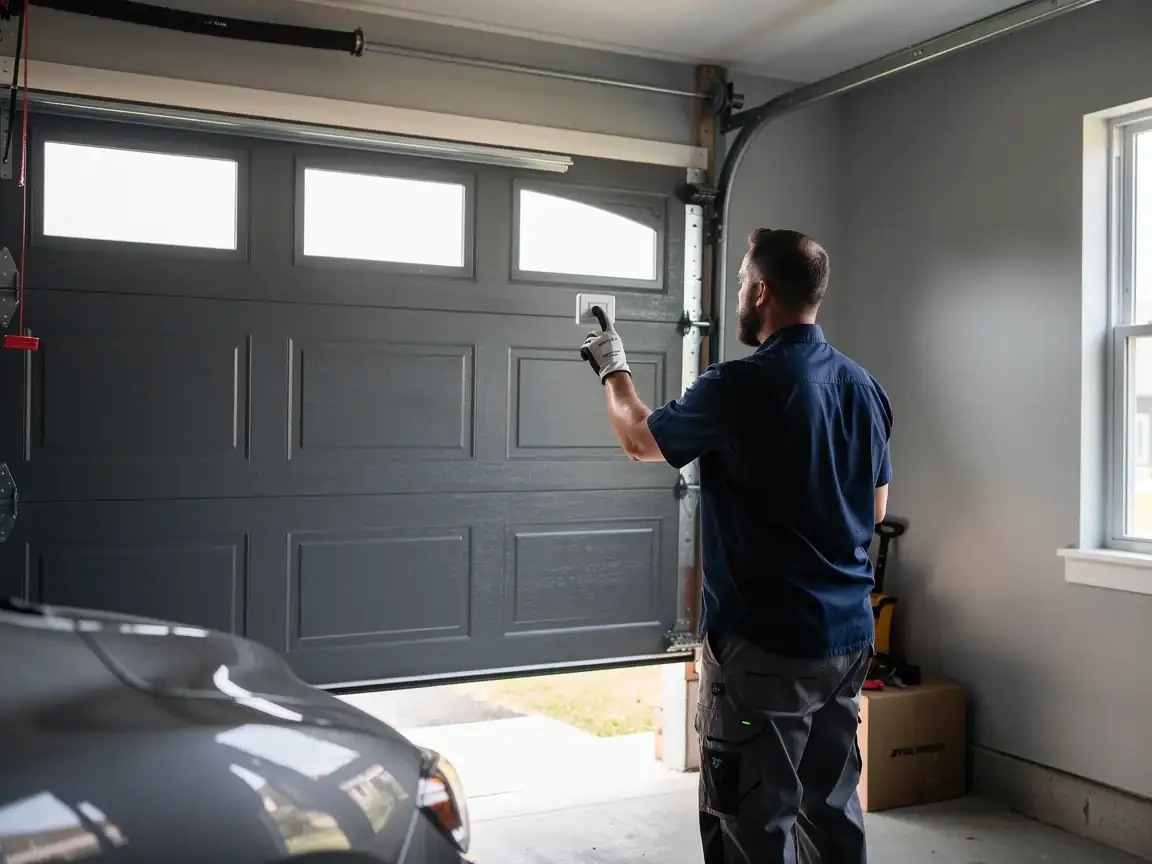
We run out of Sterling Heights, about 3 miles from Utica, so there's no separate local branch and no second markup for travel - it's the same crew and the same truck stock either way. Booking works the same as anywhere else in our territory: we talk through the opening size, the door style you want, and whether you need insulation specced for winter use. We'll ask for the make and age of your current opener too, since a new door sometimes needs new opener logic to run it safely. What we won't do is quote a firm number sight unseen for anything outside a standard steel sectional door - custom sizes and specialty finishes get measured in person first.
What It Costs
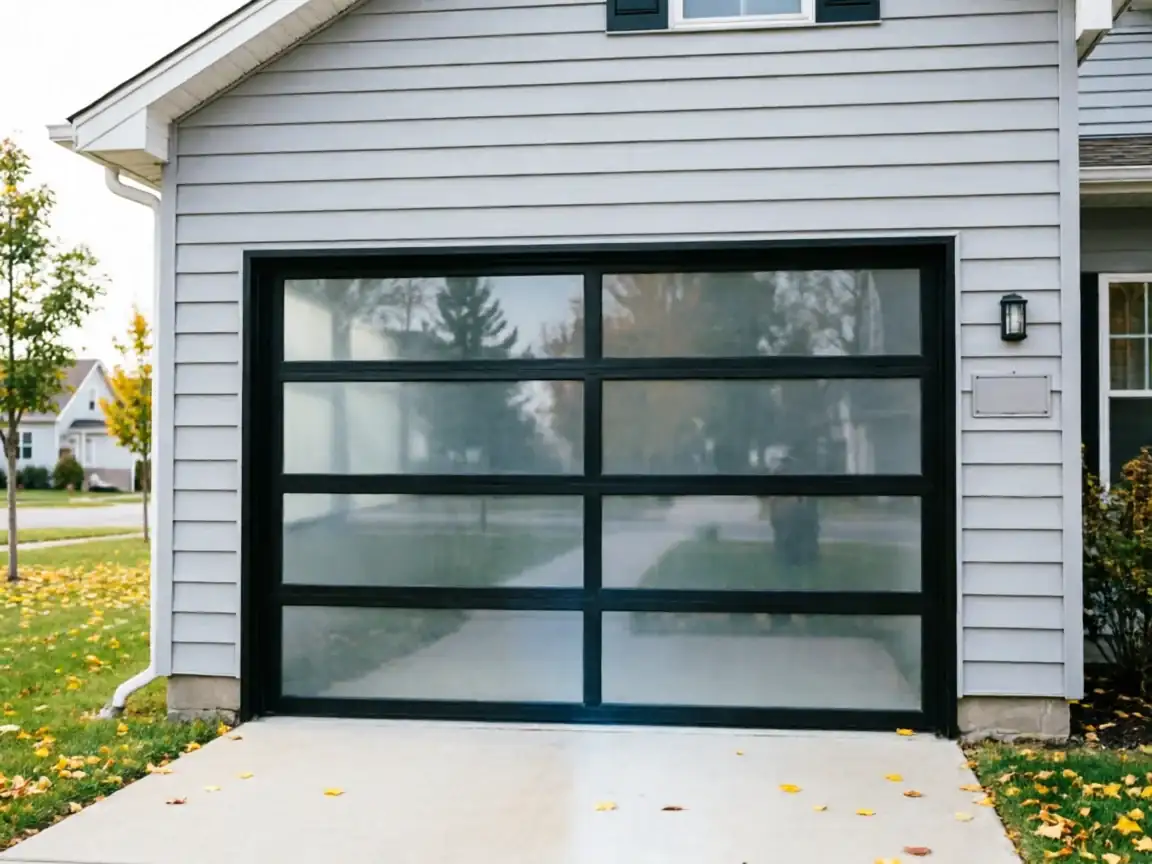
We don't publish a flat price here because door style, insulation level, and opening size move the number more than anything else does. What we can tell you is what we see locally: with a median household income of $55,524 in Utica, most homeowners here land on mid-grade steel doors with foam-core insulation rather than premium wood-overlay or full-view glass models - solid, insulated, and built to last without paying for finish work most people won't see from the street. If you want a number before we're on-site, give us the opening dimensions and the style you're considering and we'll get you a real range, not a guess.
Doing It Yourself
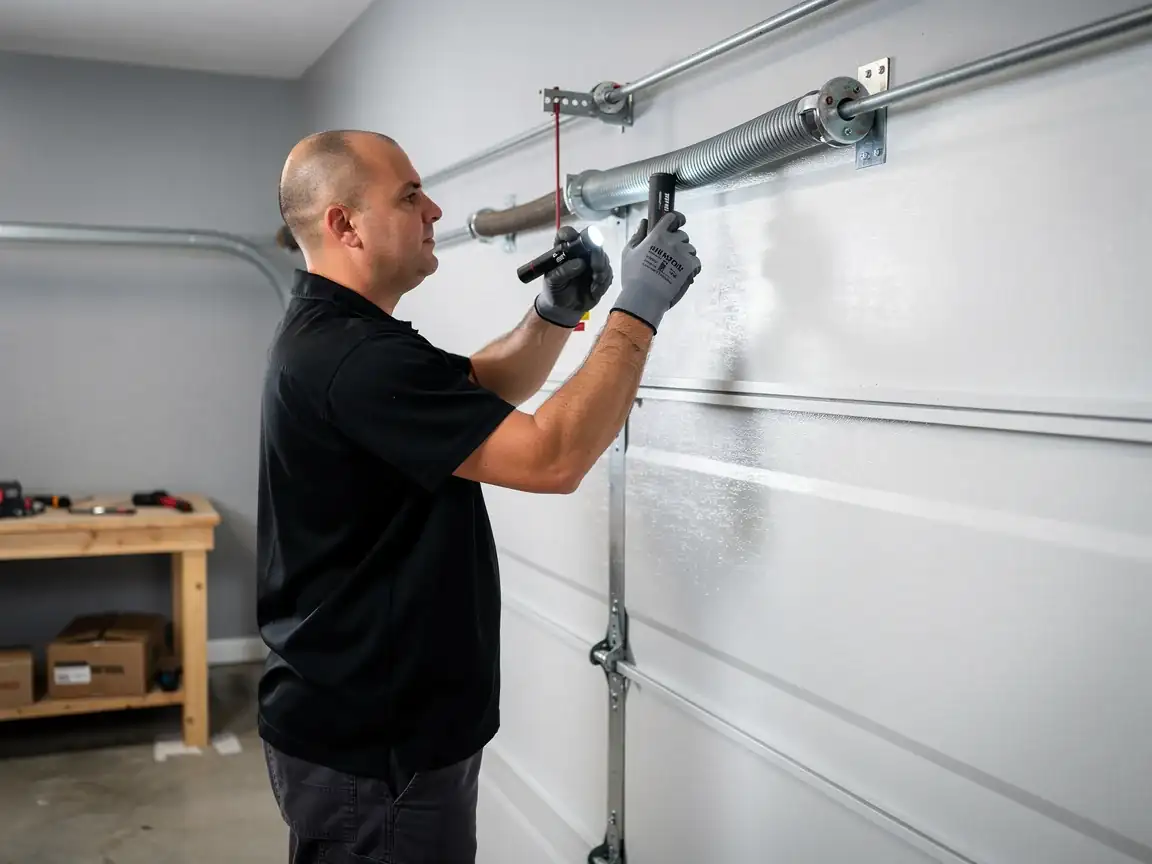
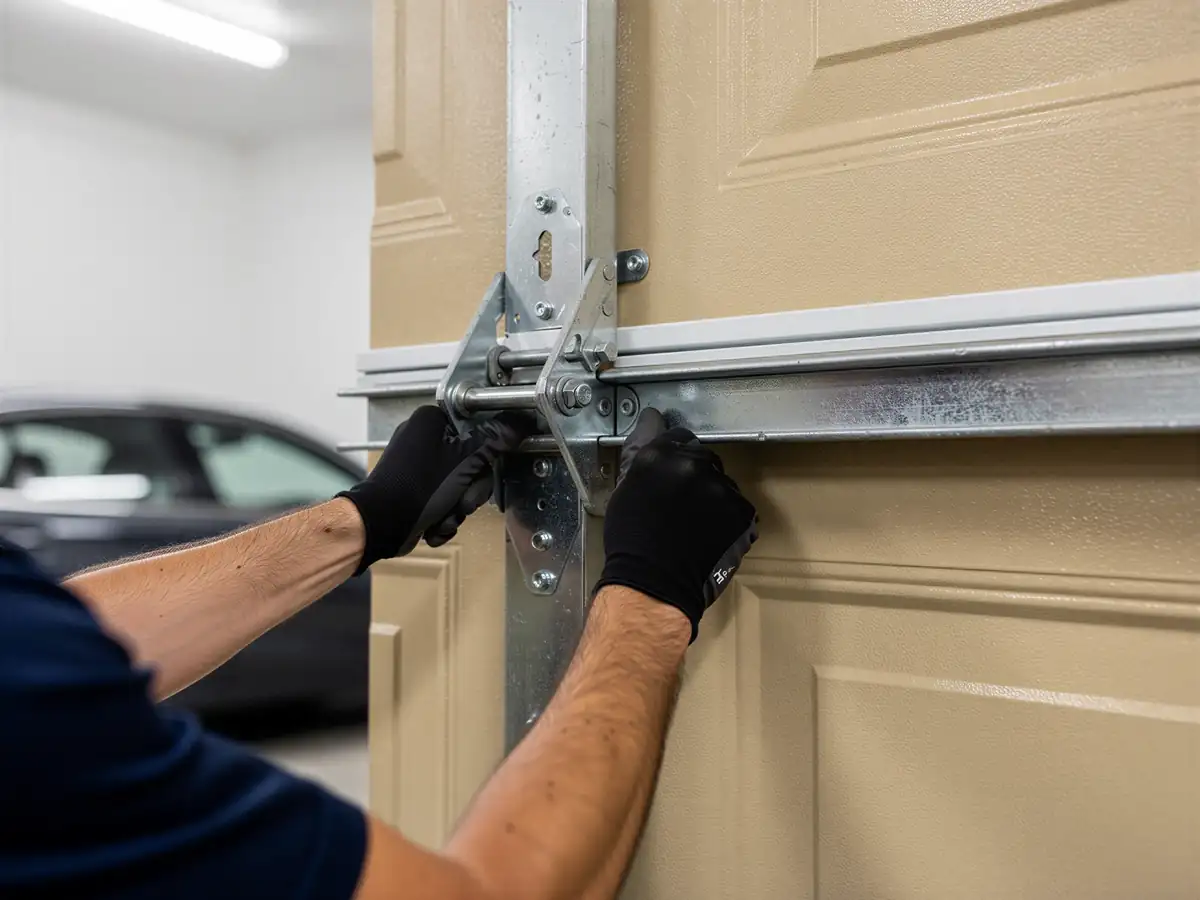
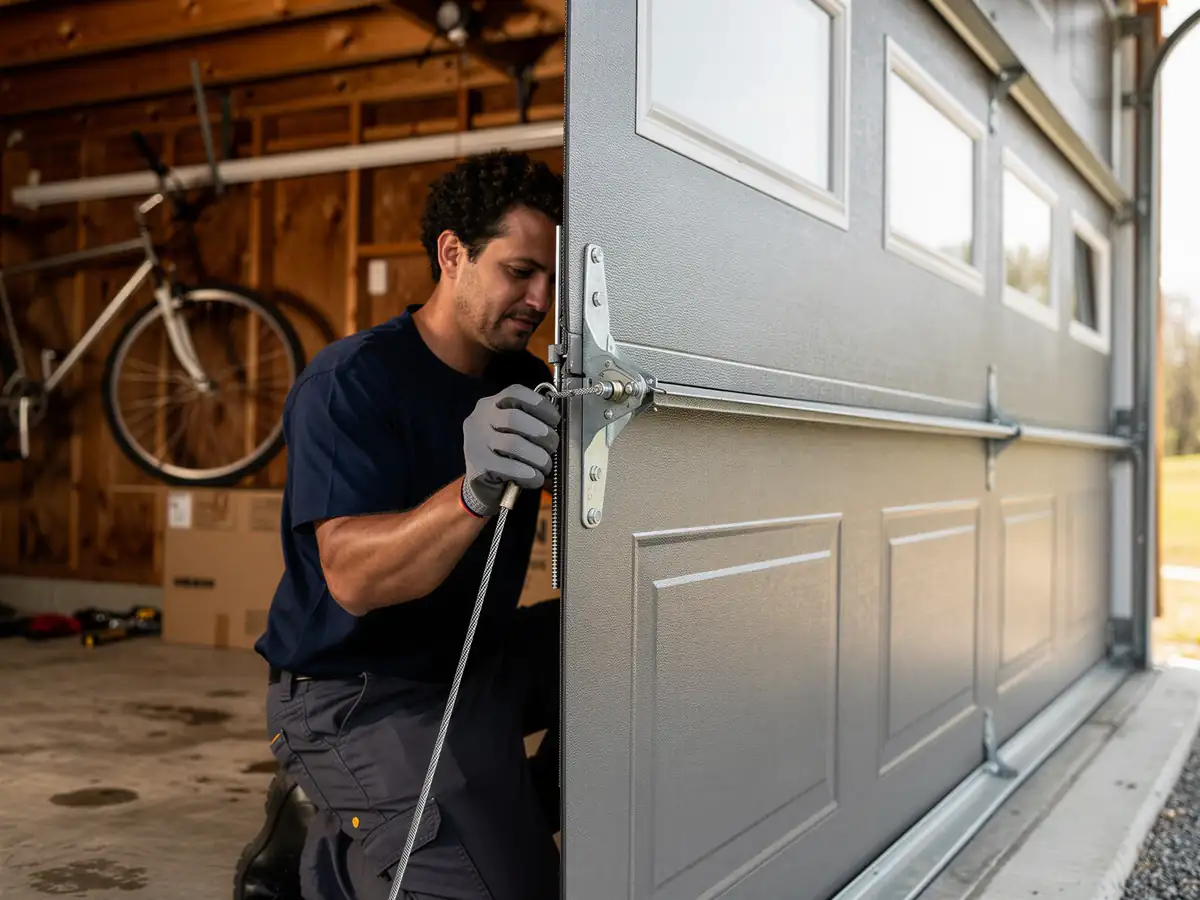
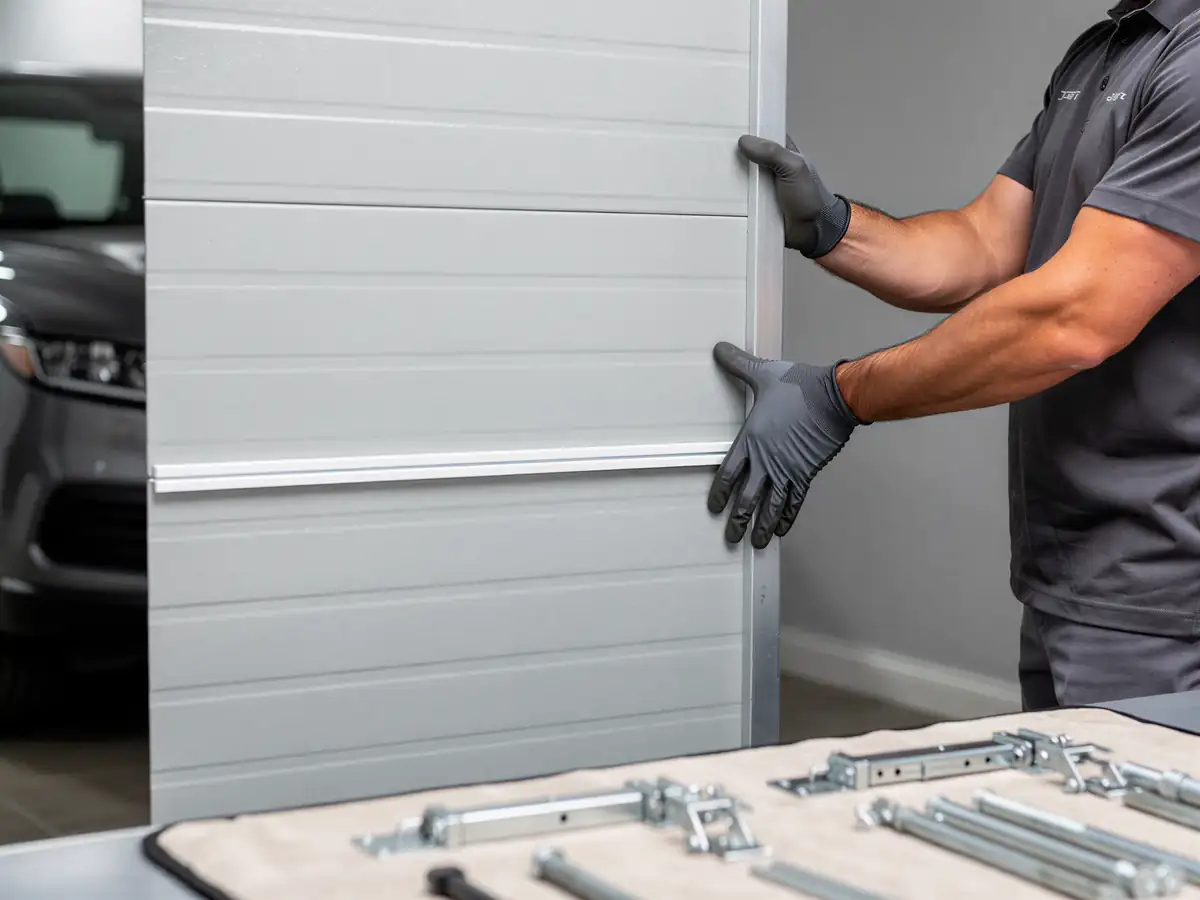
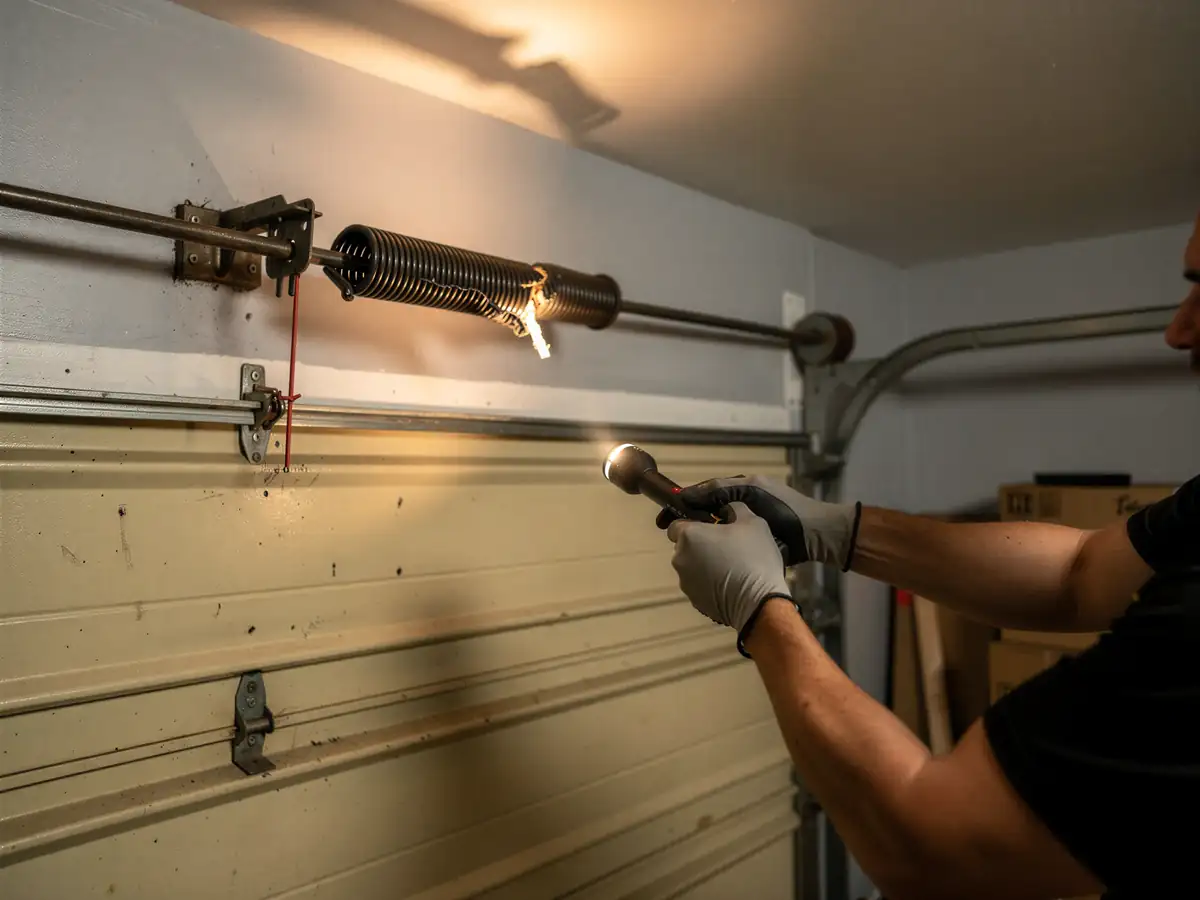
A garage door is not a weekend project, and we'll say that plainly. The panel section is heavy enough to cause real injury if it drops, the torsion spring is under enough tension to break bones if it's released wrong, and getting the track square on a 1970s-era opening that's shifted slightly over fifty years takes more than a level and patience. We'll talk you through basic maintenance - lubricating rollers, checking weatherstripping, tightening loose hardware - because that's safe and it extends the life of whatever door you have. Full installation, spring sizing, and opener integration are where we draw the line on DIY. If you've already bought a door and just want a second set of hands to hang it, say so when you call; we'd rather do that job right than fix one that went sideways.