Why It Happens Here
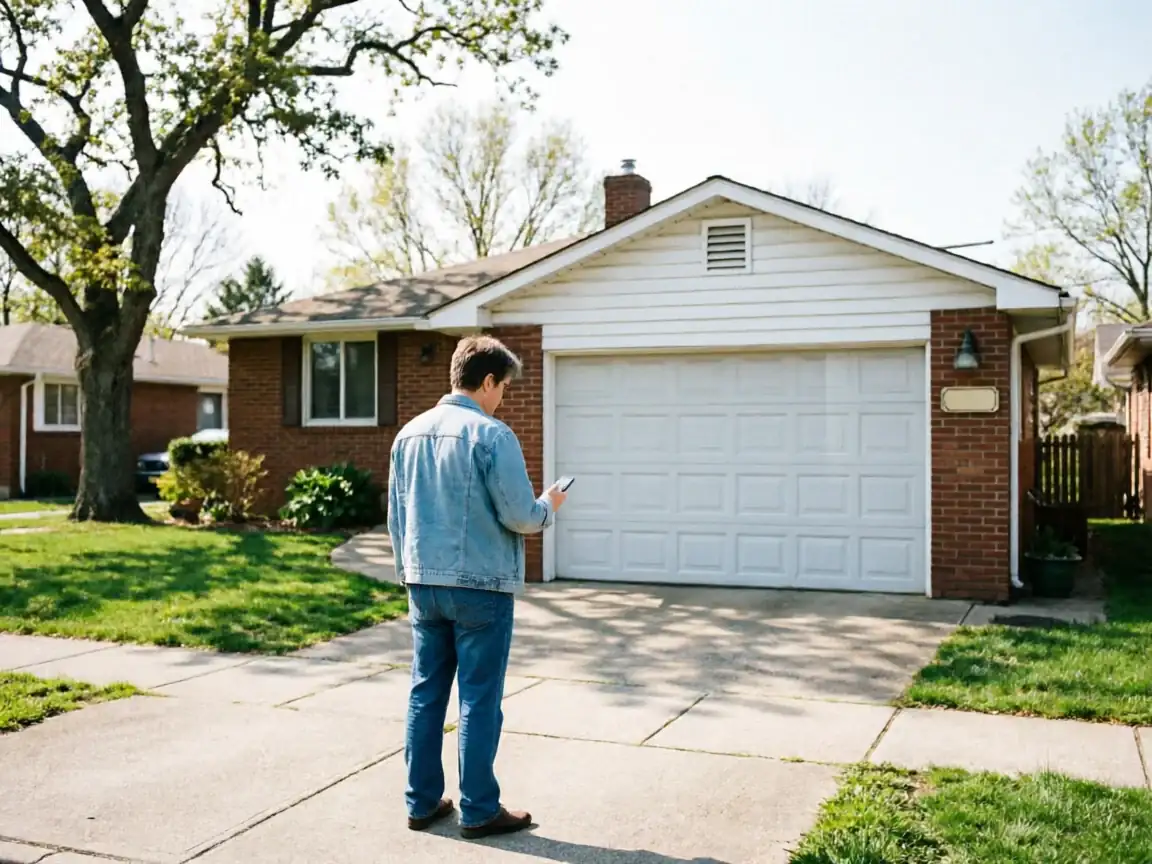
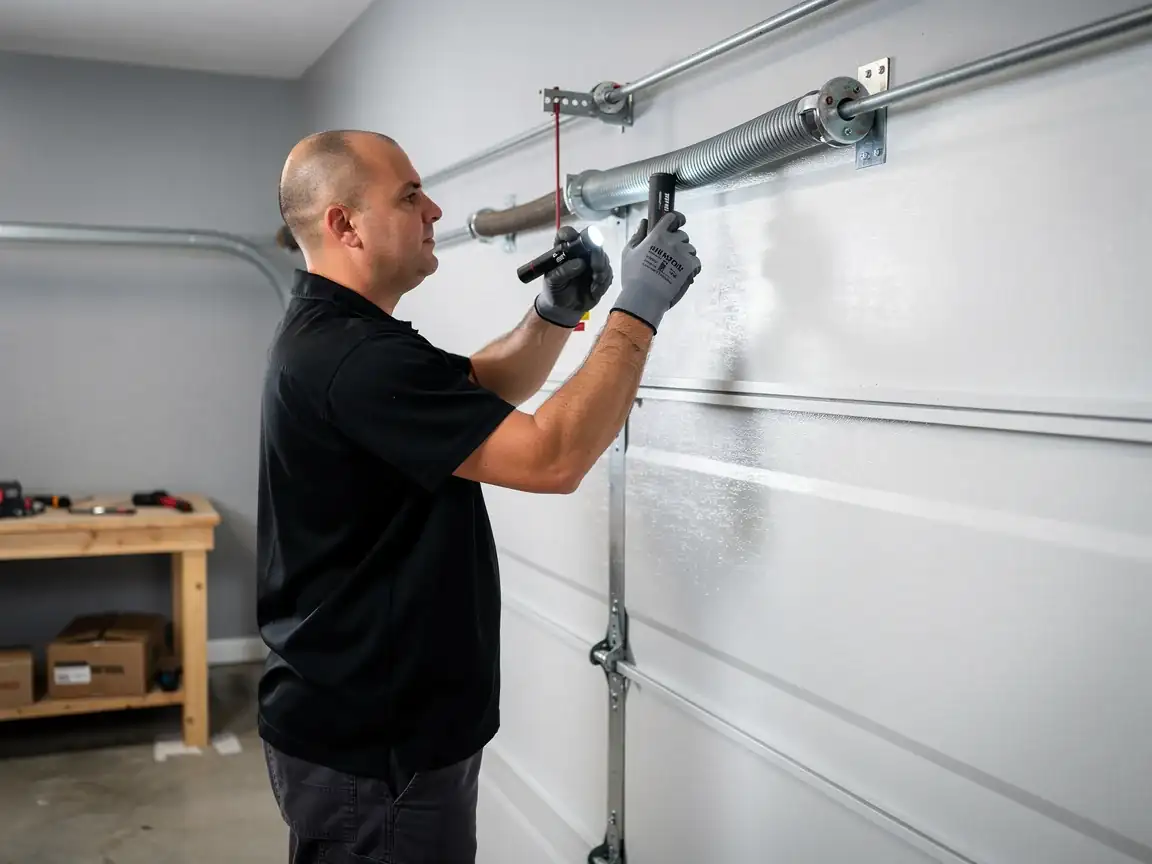
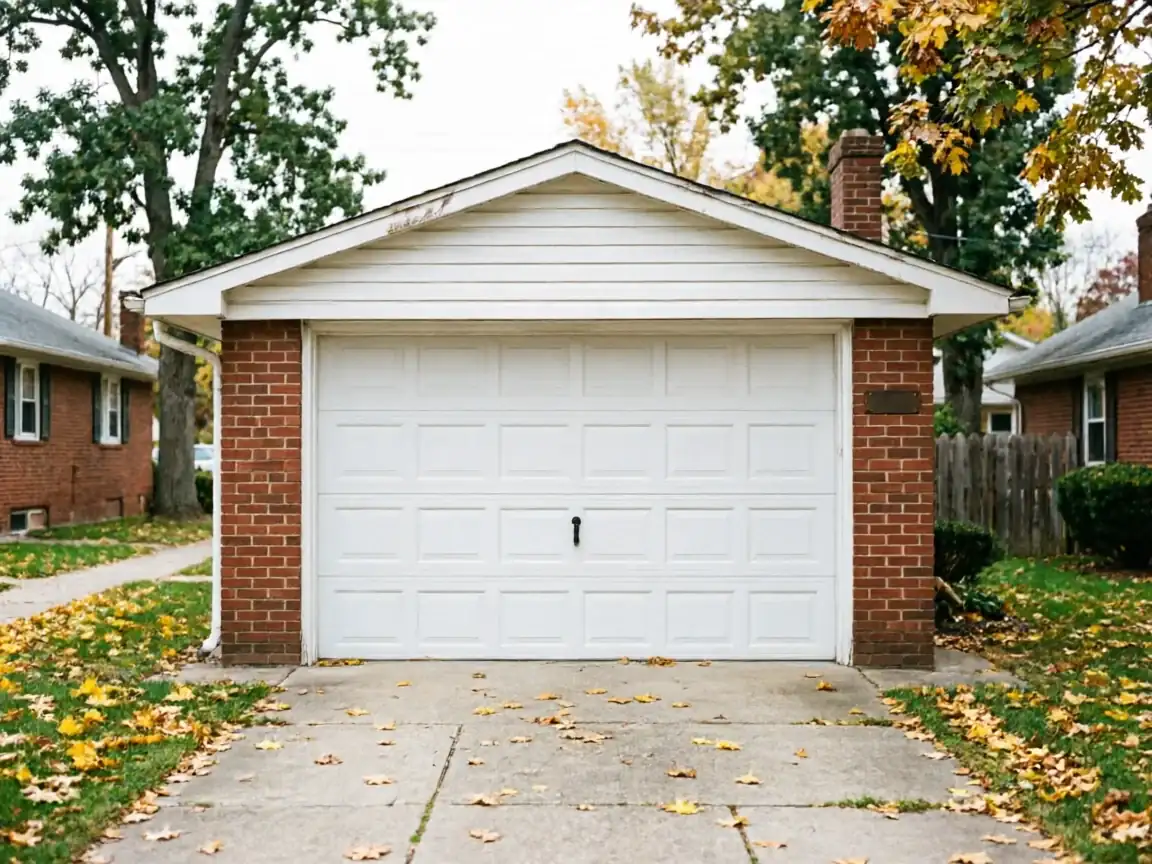
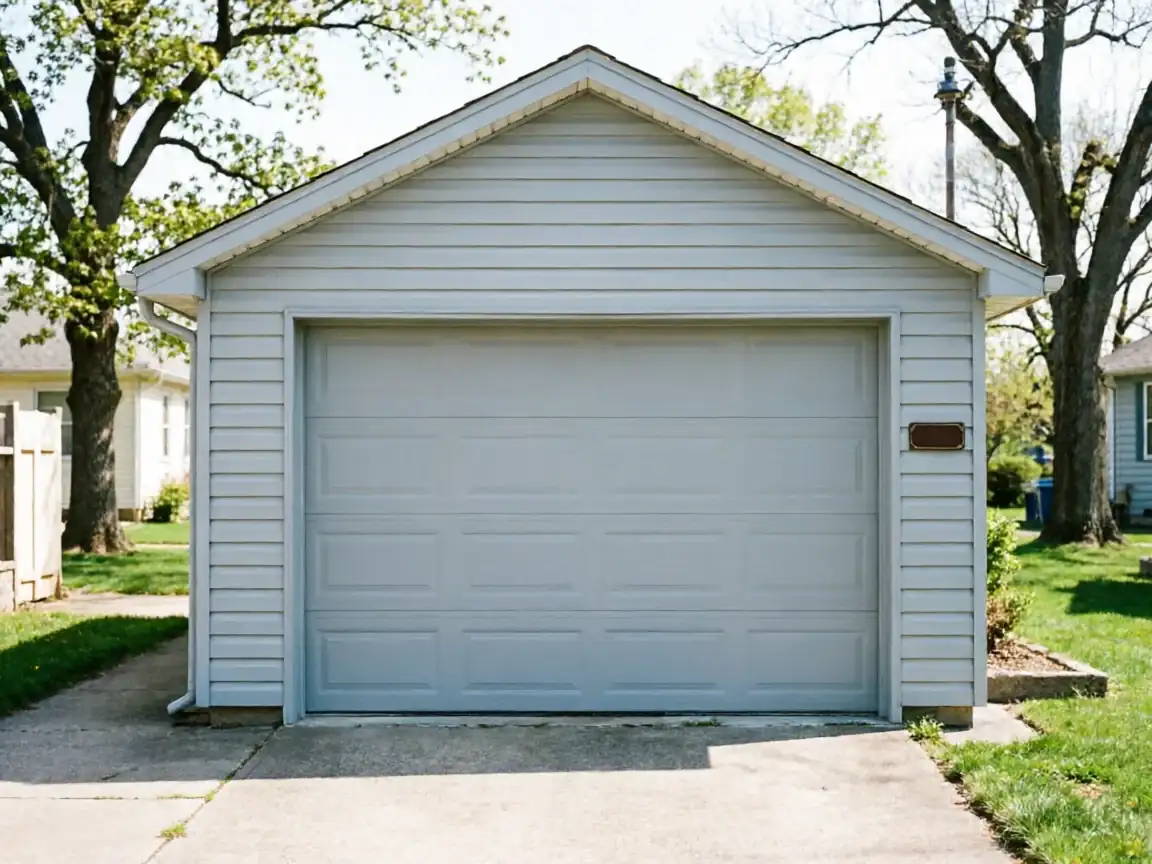
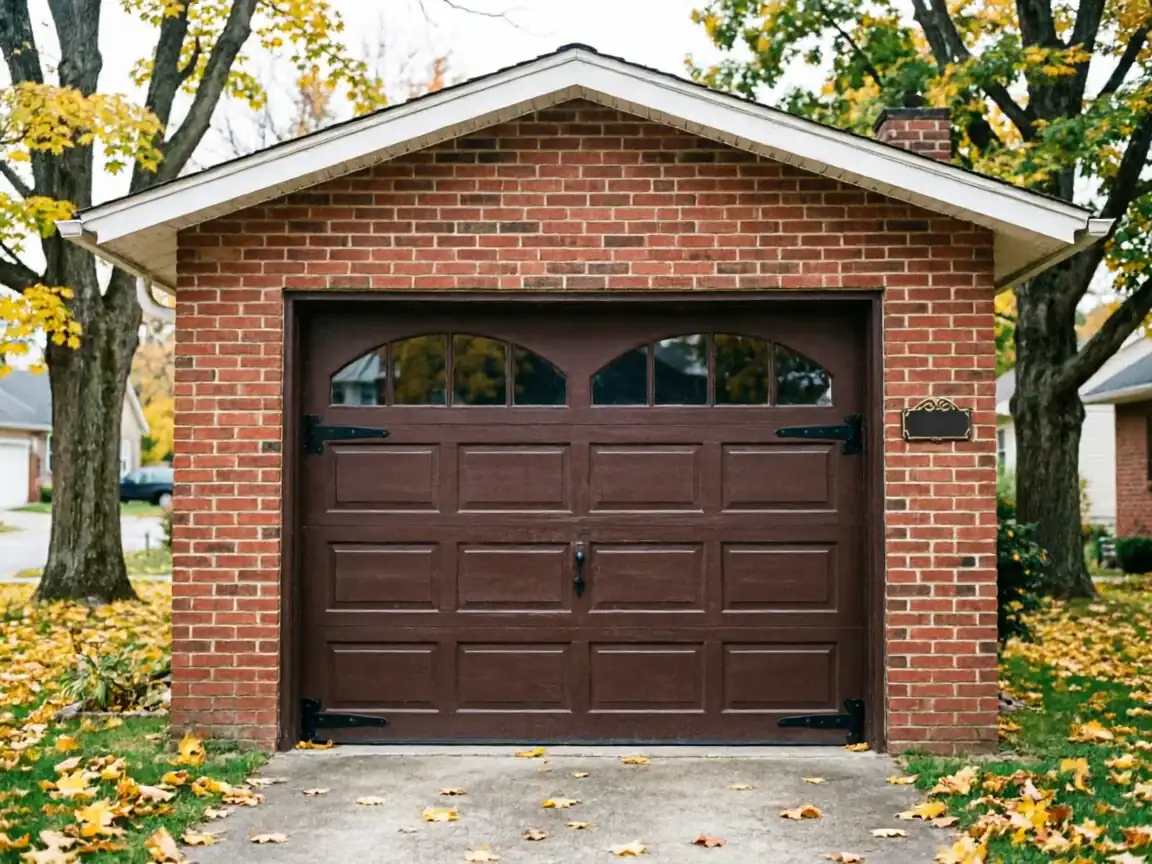
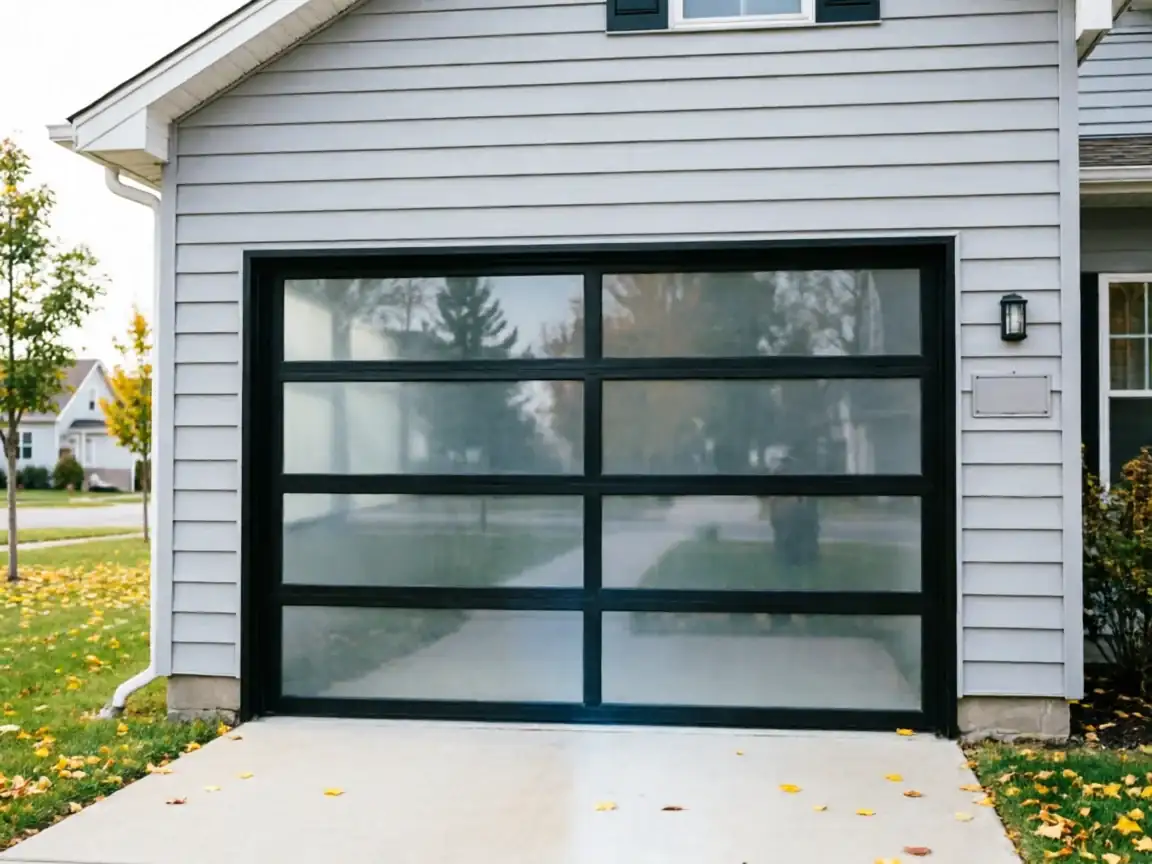
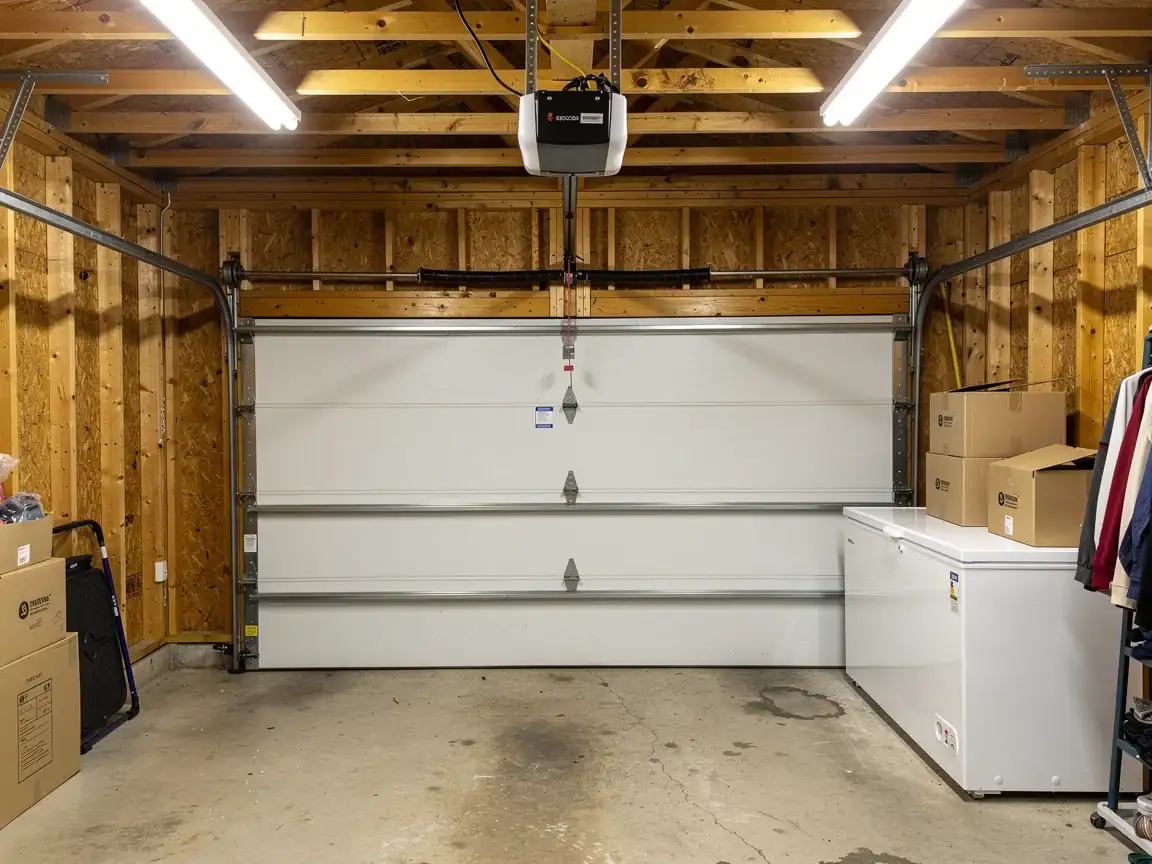
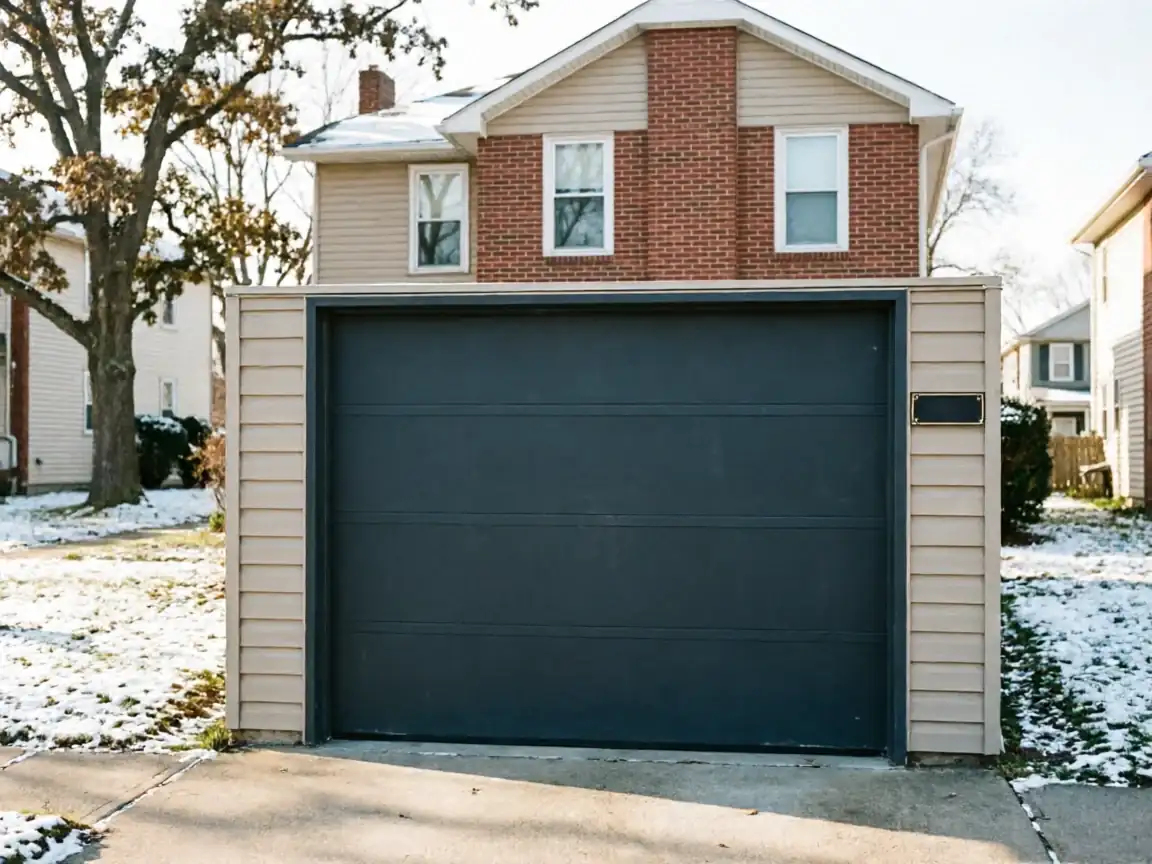
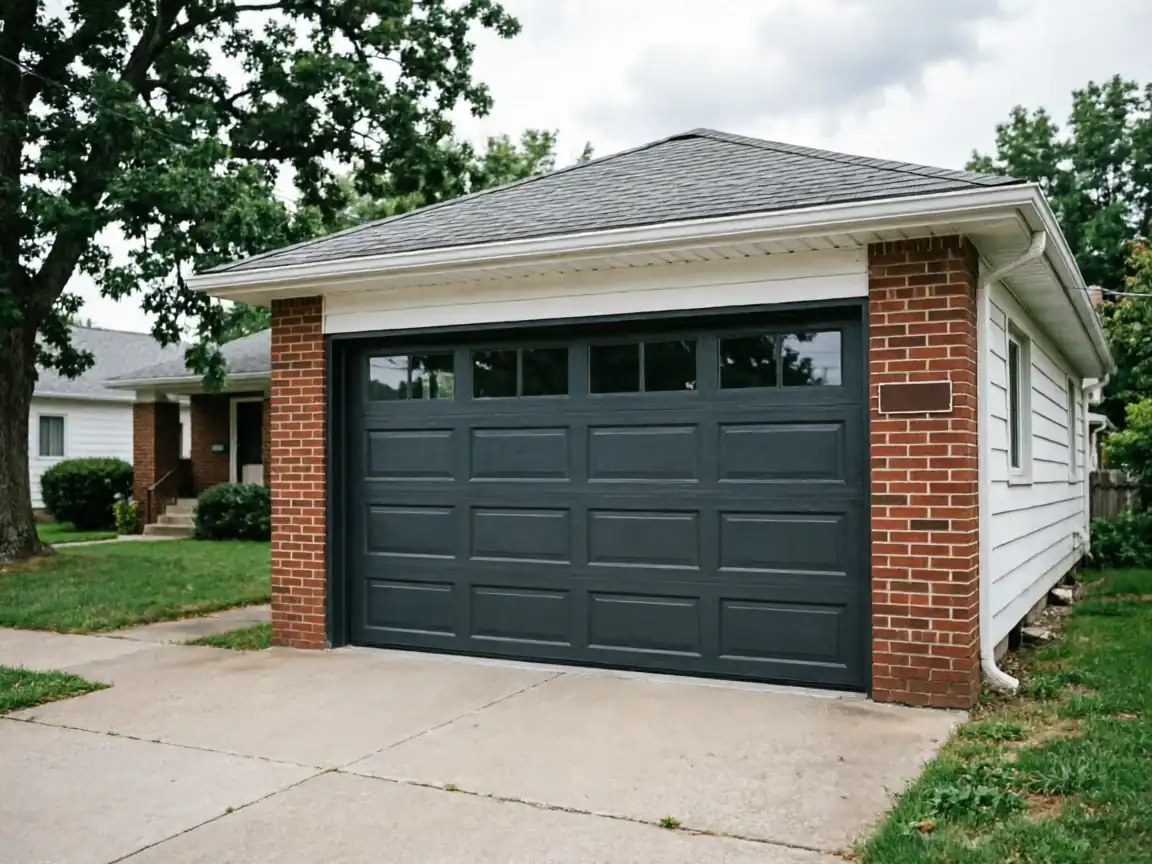
Utica's housing stock runs newer than a lot of what's around it - the median build year here lands around 1976, compared to a median closer to 1958 across the wider service area. That matters for what's actually hanging in the opening. A door from the mid-1970s is almost always steel sectional, not the older wood or one-piece slab doors you still find on pre-1960 blocks nearby. The springs are more likely torsion-on-a-shaft rather than the side-mounted extension setups common on older stock. That's generally easier hardware to service, but it's not immune to anything - forty-plus years of winters does the same thing to a torsion spring whether it's in an old house or a newer one. The service area sits in a cold, severe climate band, and the freeze-thaw cycle is hard on metal fatigue, worn cables, and gaskets that have gone brittle regardless of the home's age.
Getting It Booked In
Call or request service through our Utica service-area page and tell us what the door is doing - won't open, stuck halfway, making noise, opener running but door not moving. That tells us what to load on the truck before we leave Sterling Heights, which saves a second trip. We ask for the make of the opener if you can find it and whether it's a single or double door, since parts differ. We're a 3-mile drive from Utica, so we're not guessing at the trip - we just need enough detail from you to show up with the right spring, cable, or roller instead of showing up to diagnose and then leaving to go get parts.
What It Costs
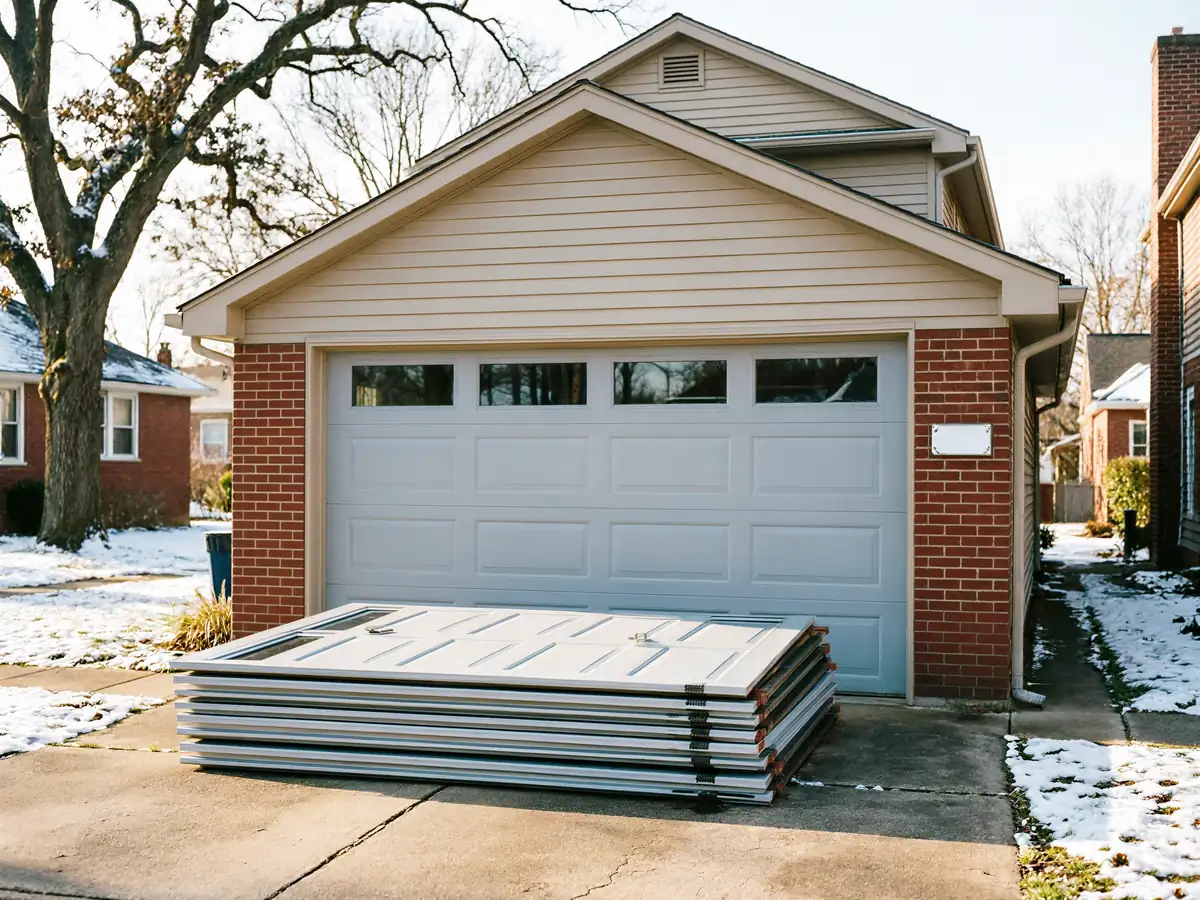
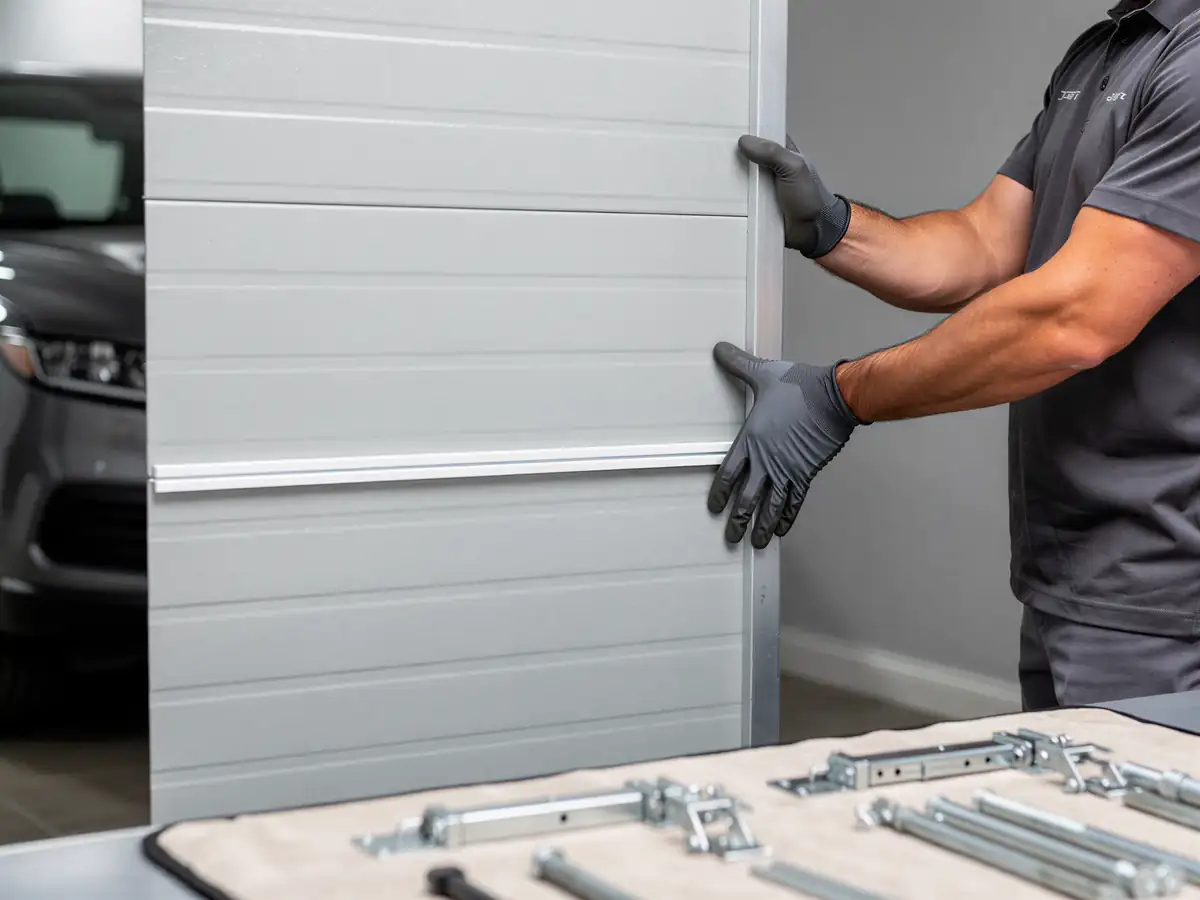
We don't have a published price list for this page, and we're not going to invent numbers to fill the space. What a job costs depends on the part, the door size, and whether it's a single spring or a matched pair on a double door. What we can say is that Utica's median household income runs lower than some of the surrounding communities - around $55,524 here versus a wider service-area median near $97,027 - and we take that into account when we talk through repair versus replacement. Sometimes fixing the spring and leaving a 1976 door in service is the right call. Sometimes the door's past the point where patching it makes sense. We'll tell you which one we think it is before we start.
Doing It Yourself
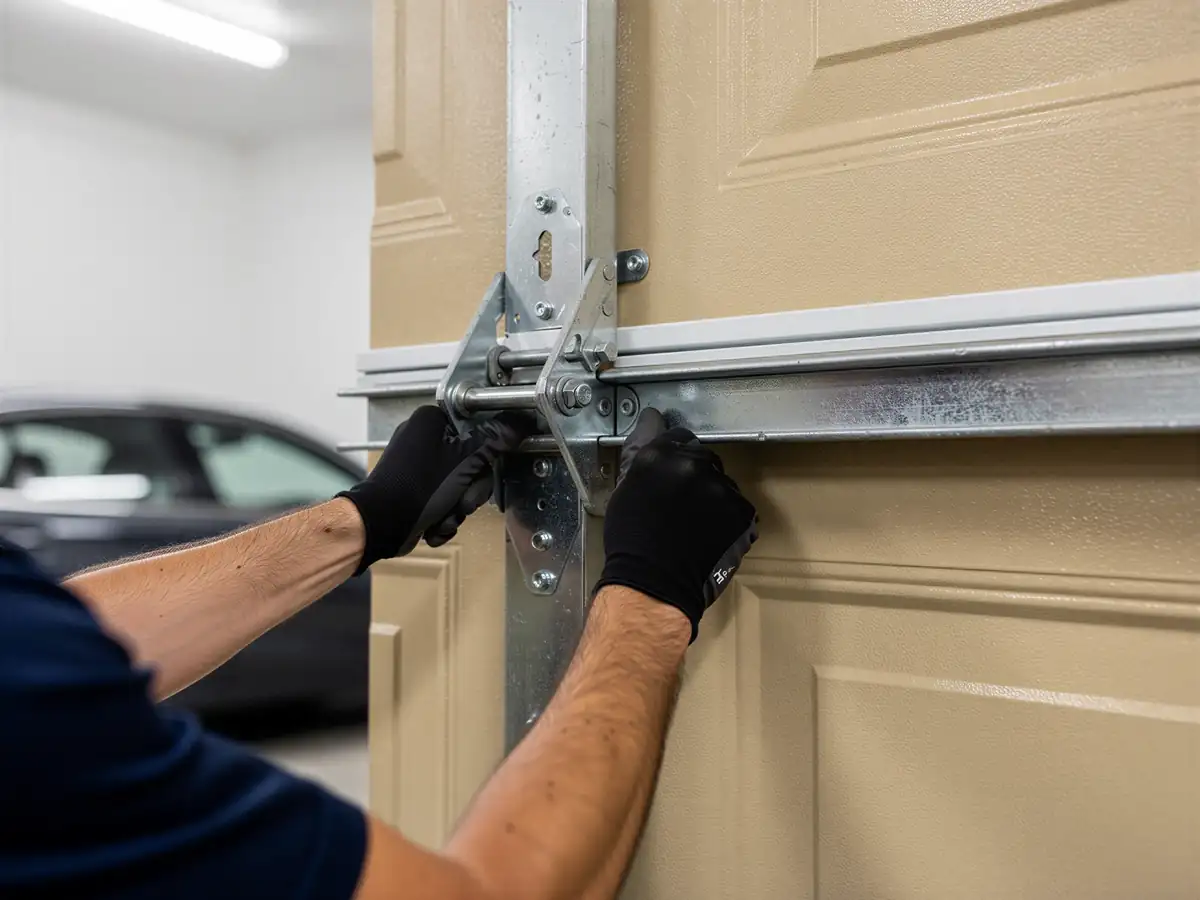
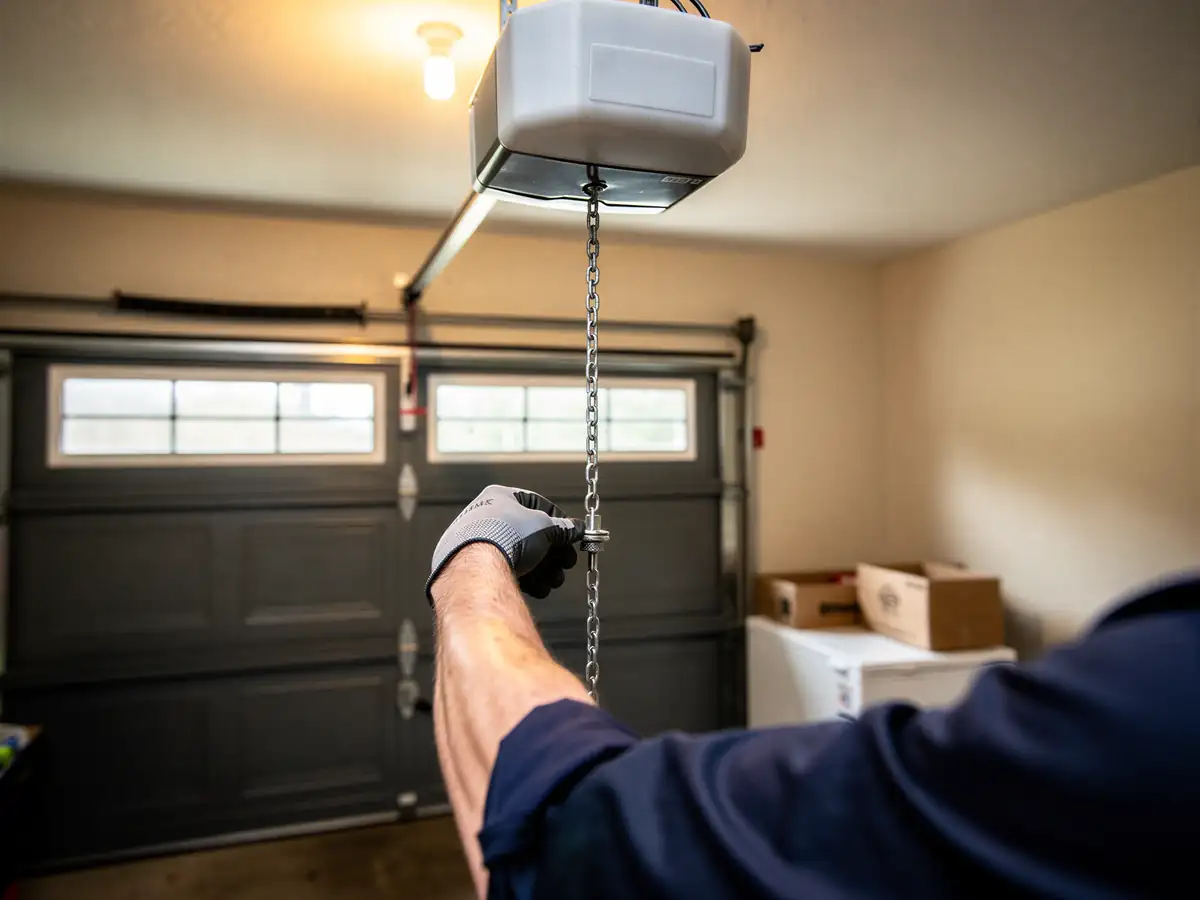
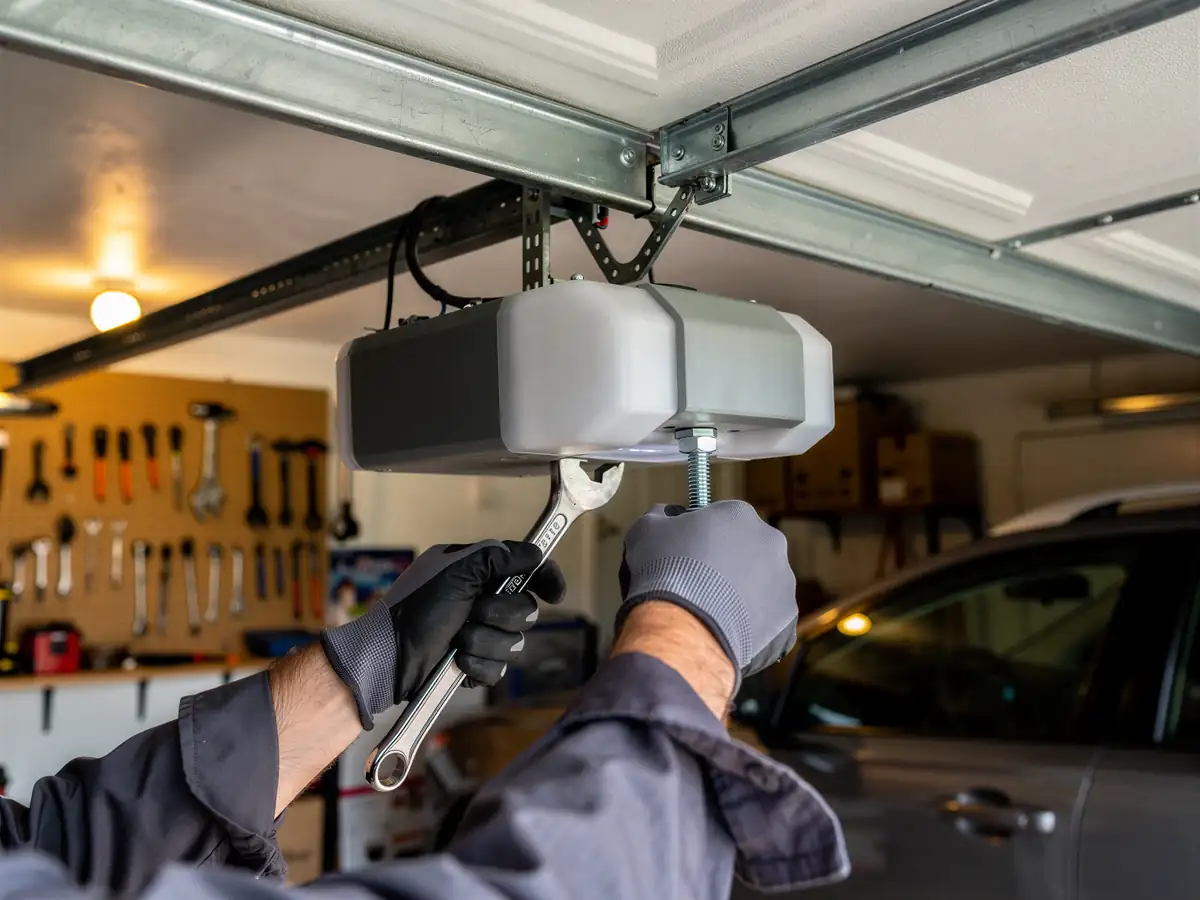
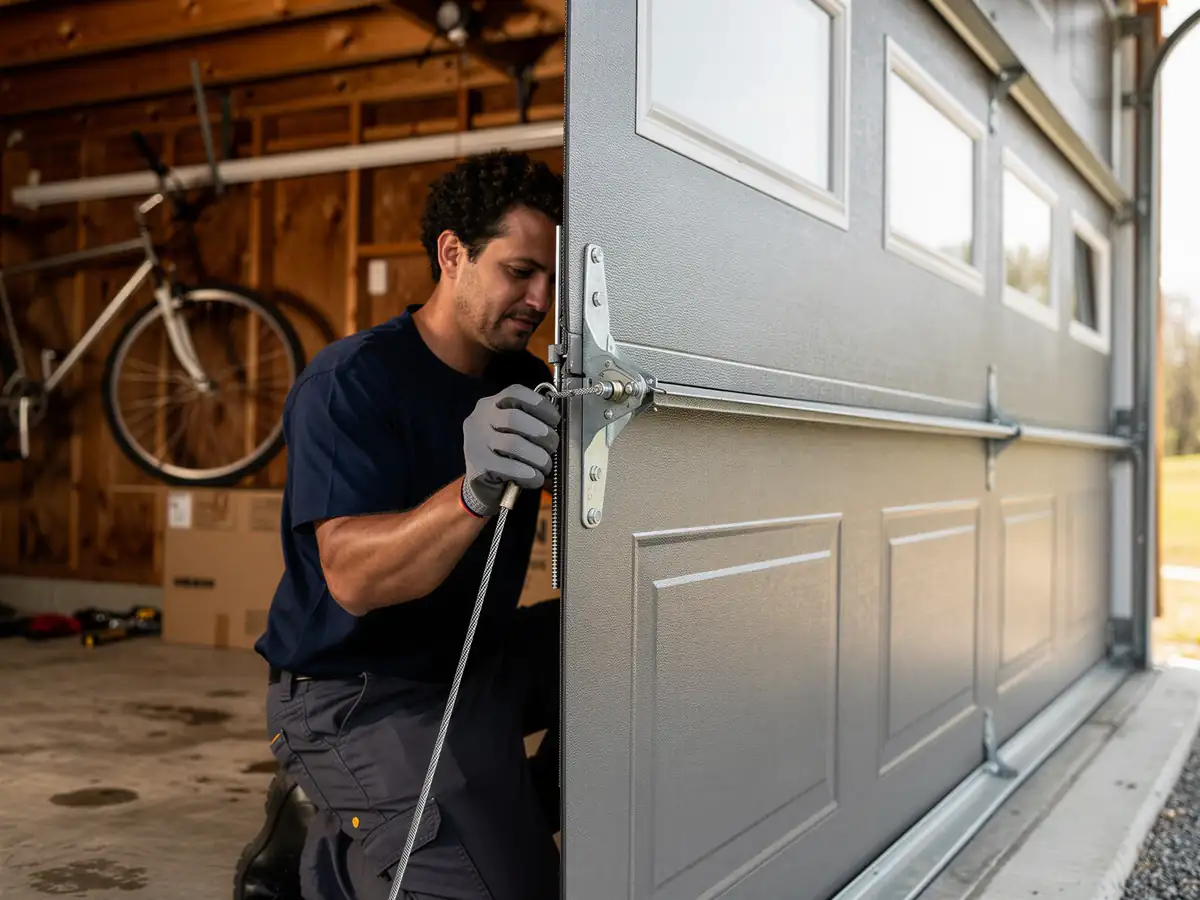
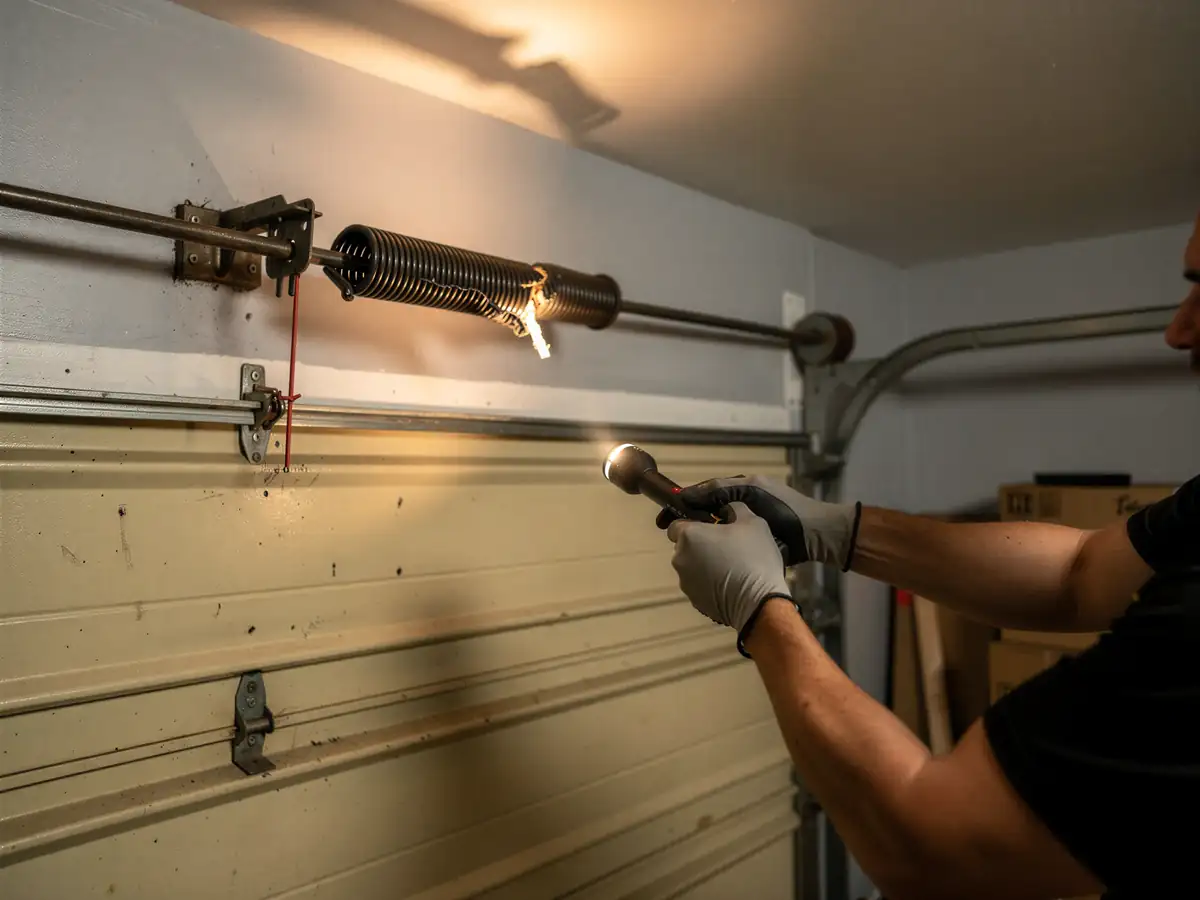
A torsion spring holds enough tension to do real damage if it lets go while you're working on it - that's not a job to take on without the right bars and a clear idea of what you're doing. Lighter maintenance is reasonable on your own: lubricating hinges and rollers, tightening loose hardware, checking that the photo-eye sensors near the floor are aligned and not caked with dust, and listening for grinding before it turns into a stuck door. If the door is off its track, the opener is straining, or a cable has come off the drum, that's a call, not a weekend project. We'd rather talk you out of a repair that's a bad idea than show up after it's gone wrong.