How We Fix It
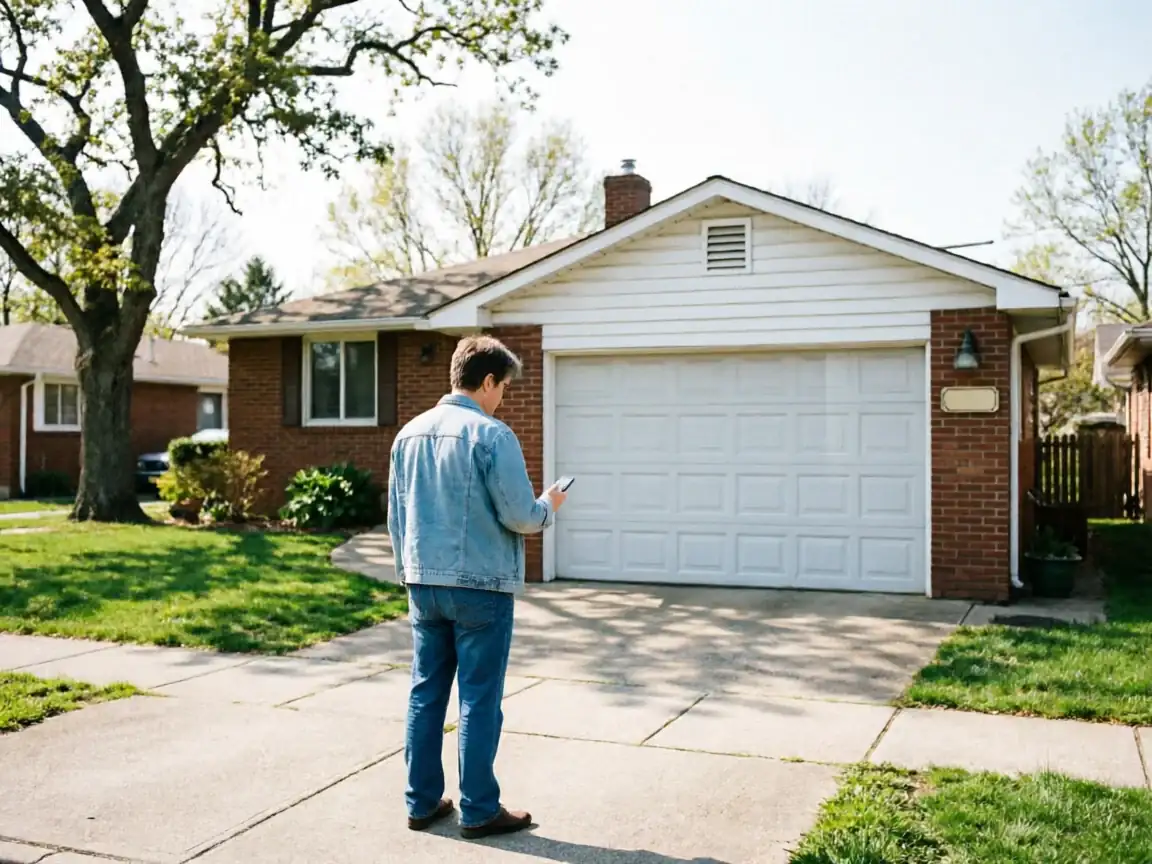
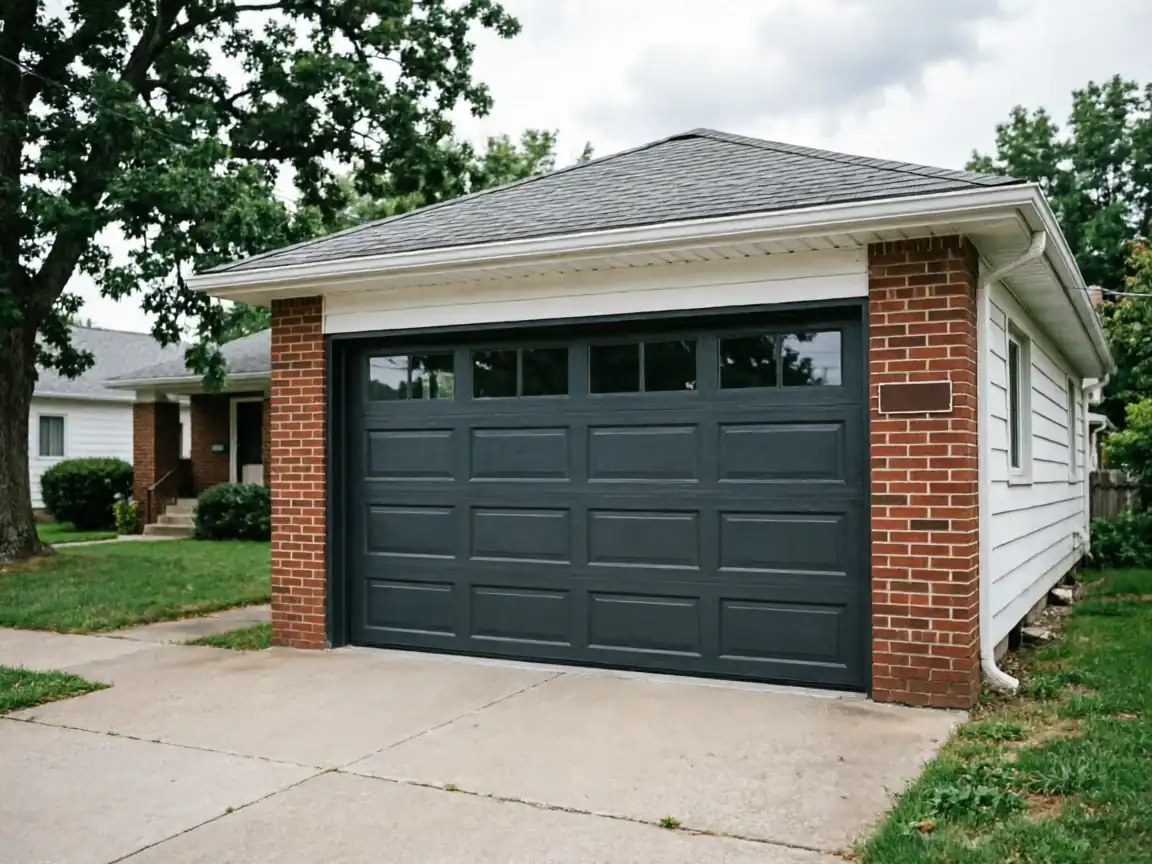
Most of the garage doors we open up in Grosse Pointe Woods are original or close to it
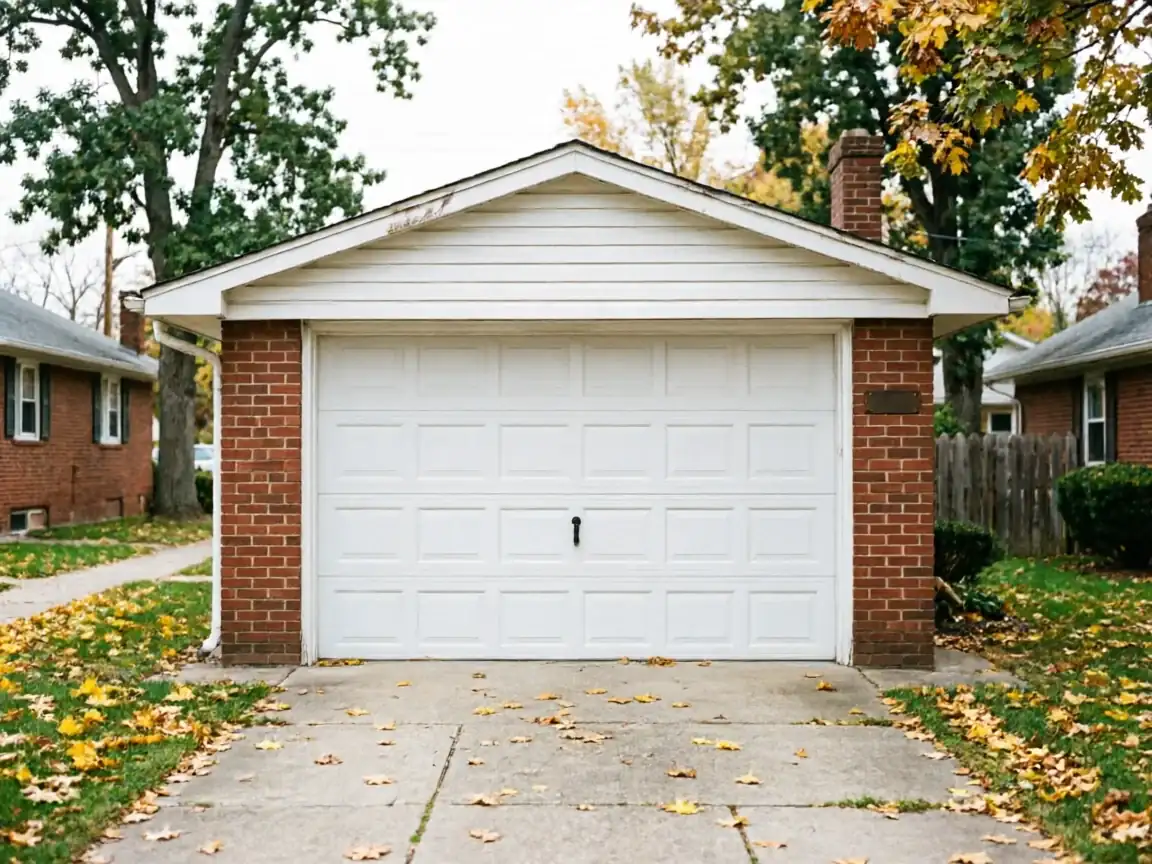
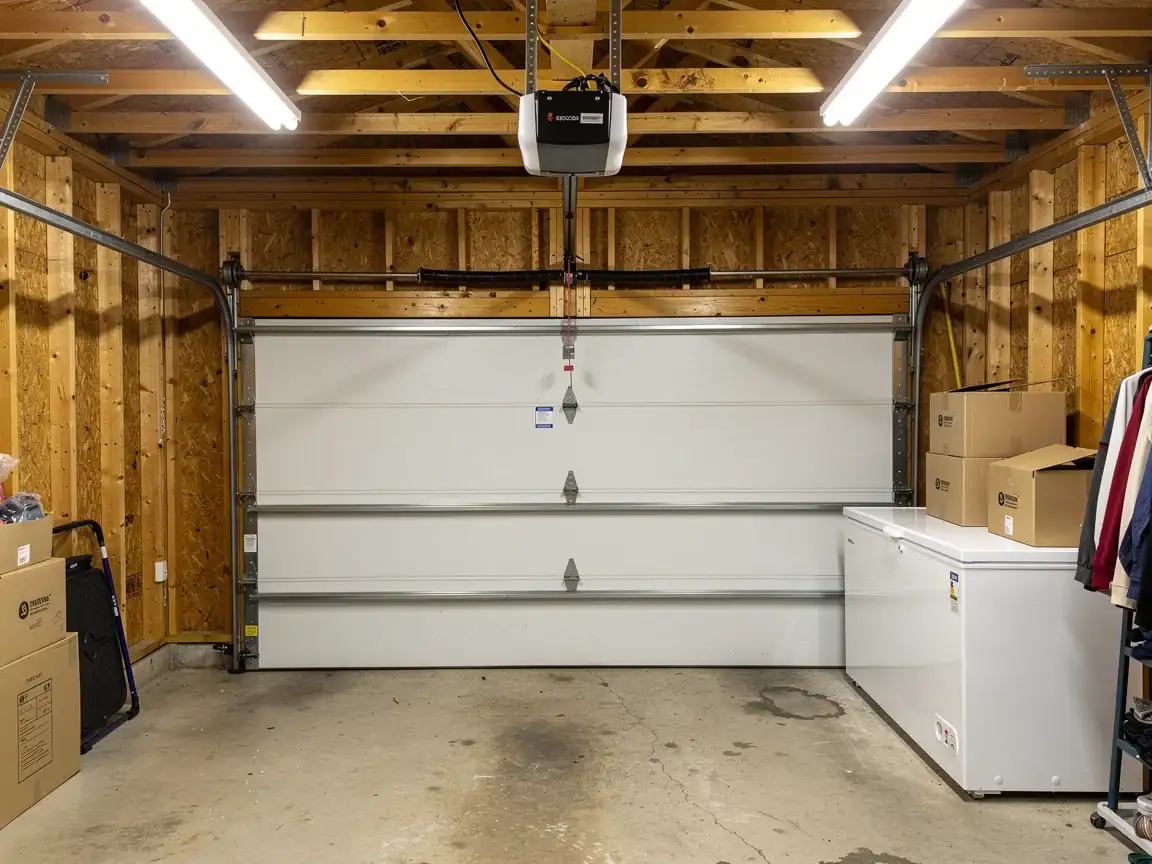
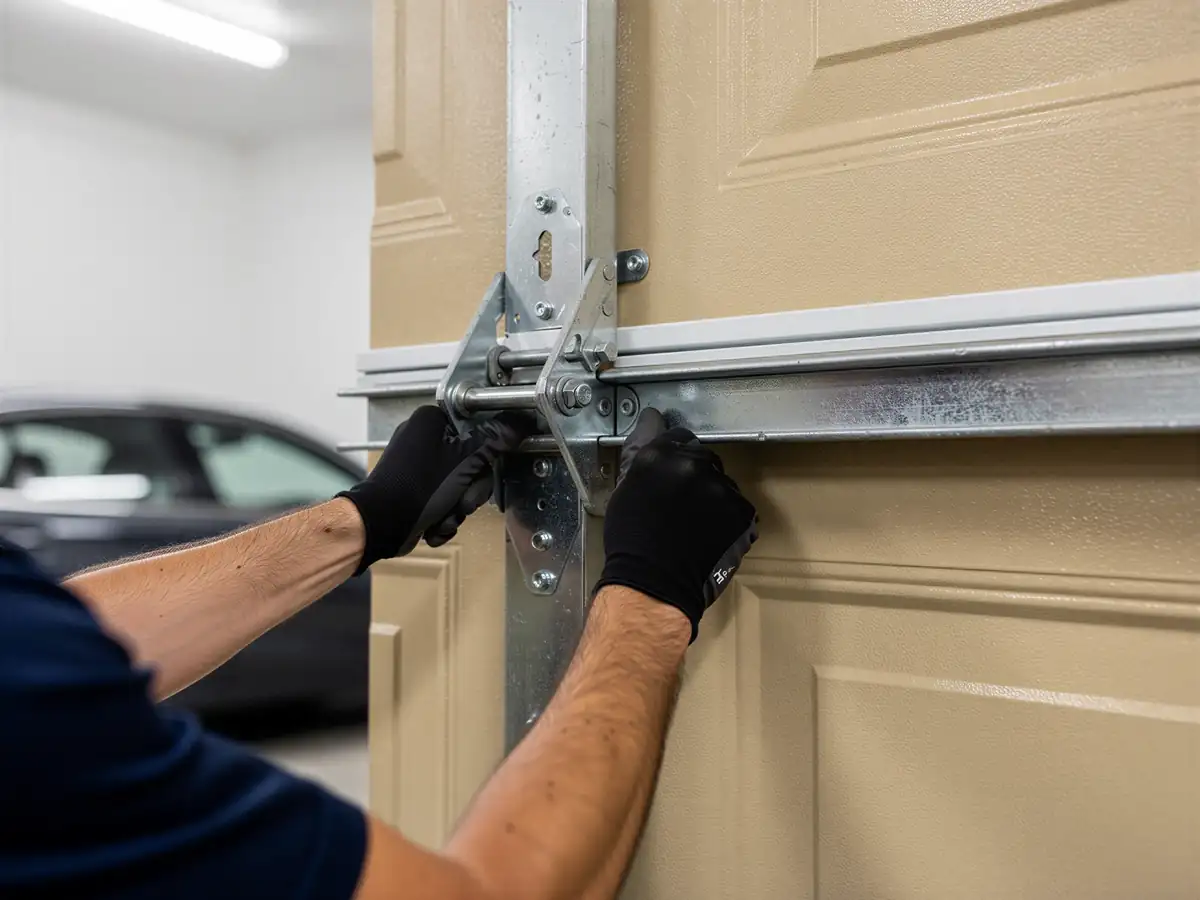
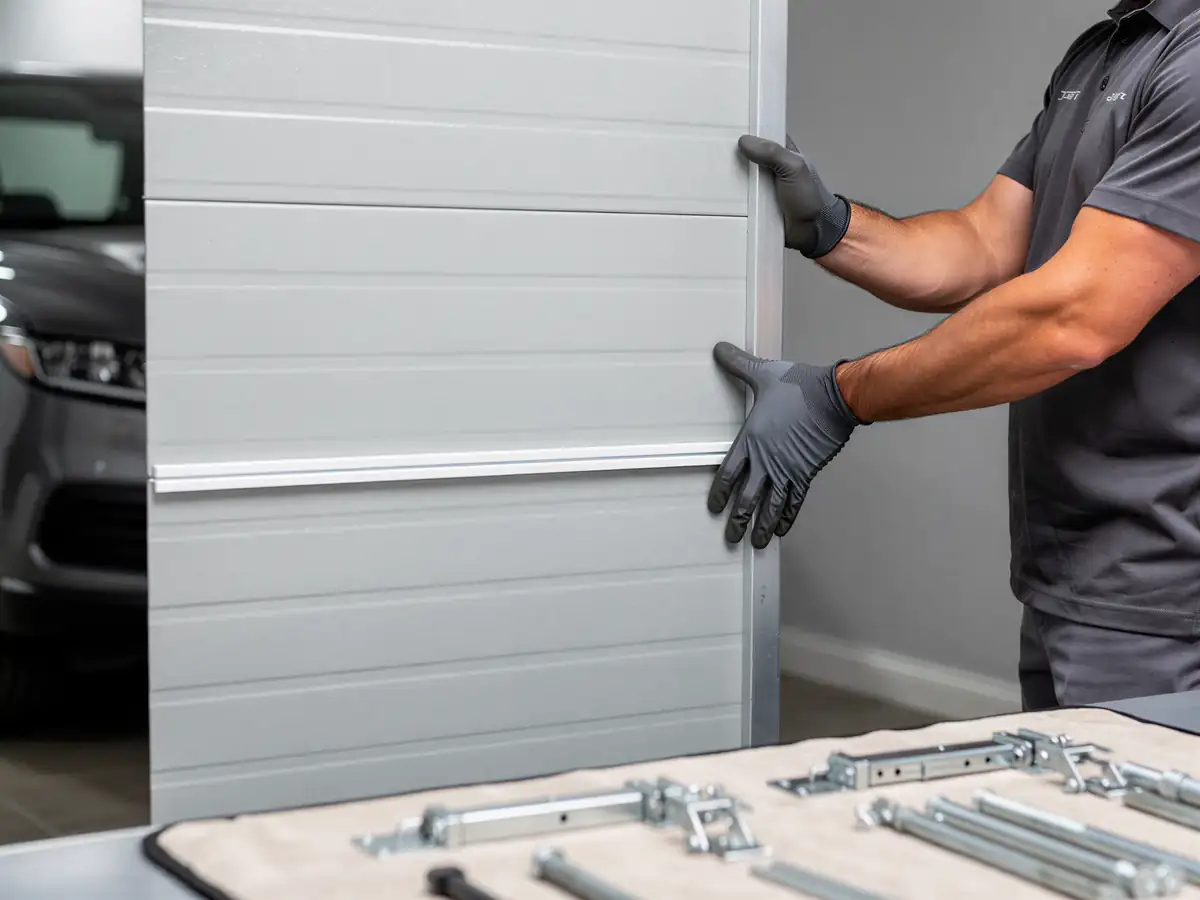
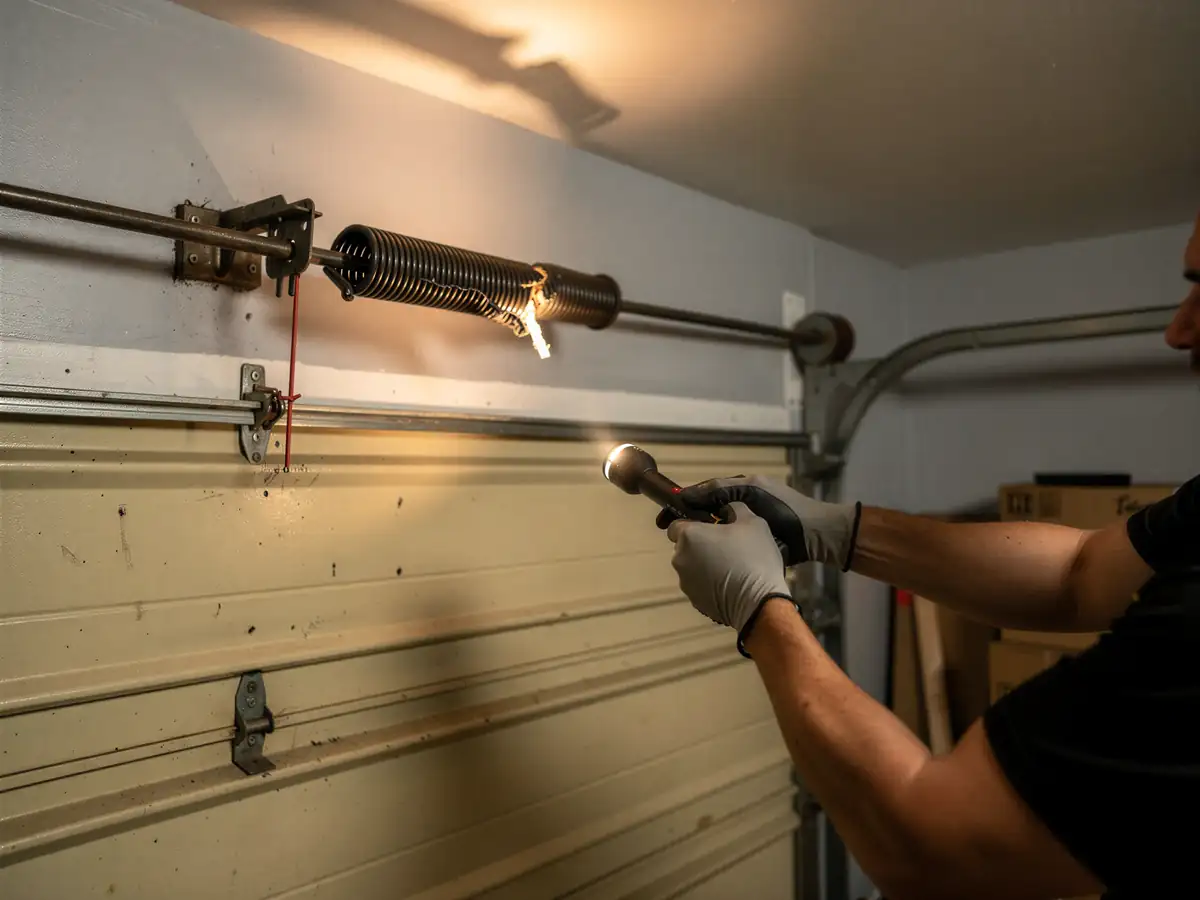
Because the houses here mostly went up around 1953 - right in the middle of the 1938-2002 range we see across the whole service area, and on the older side of it. That means narrow tracks sized for lighter doors, extension springs mounted along the horizontal rails instead of a torsion bar over the opening, and hinges with a pitch nobody machines new anymore. When one of those springs lets go, or a roller shreds on a track that's been painted over twice, we're matching old geometry, not swapping a part off a shelf.
The cold doesn't help
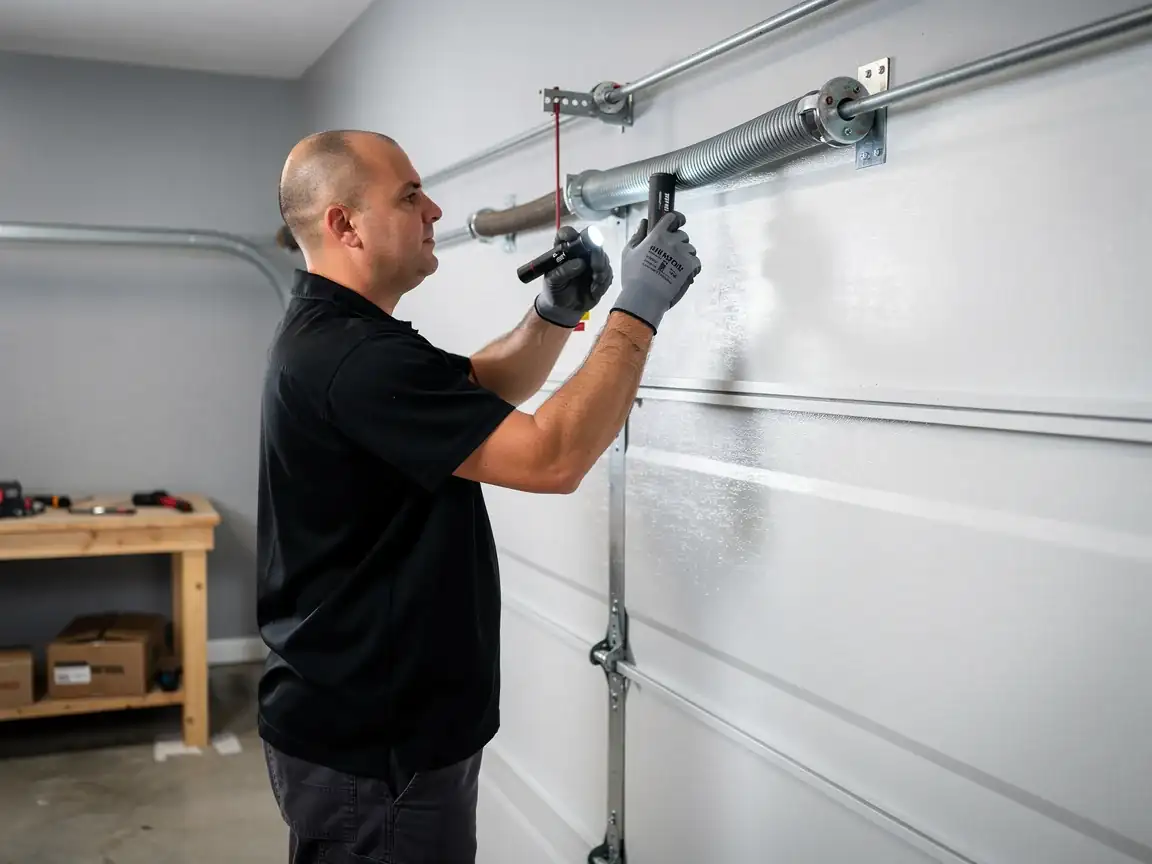
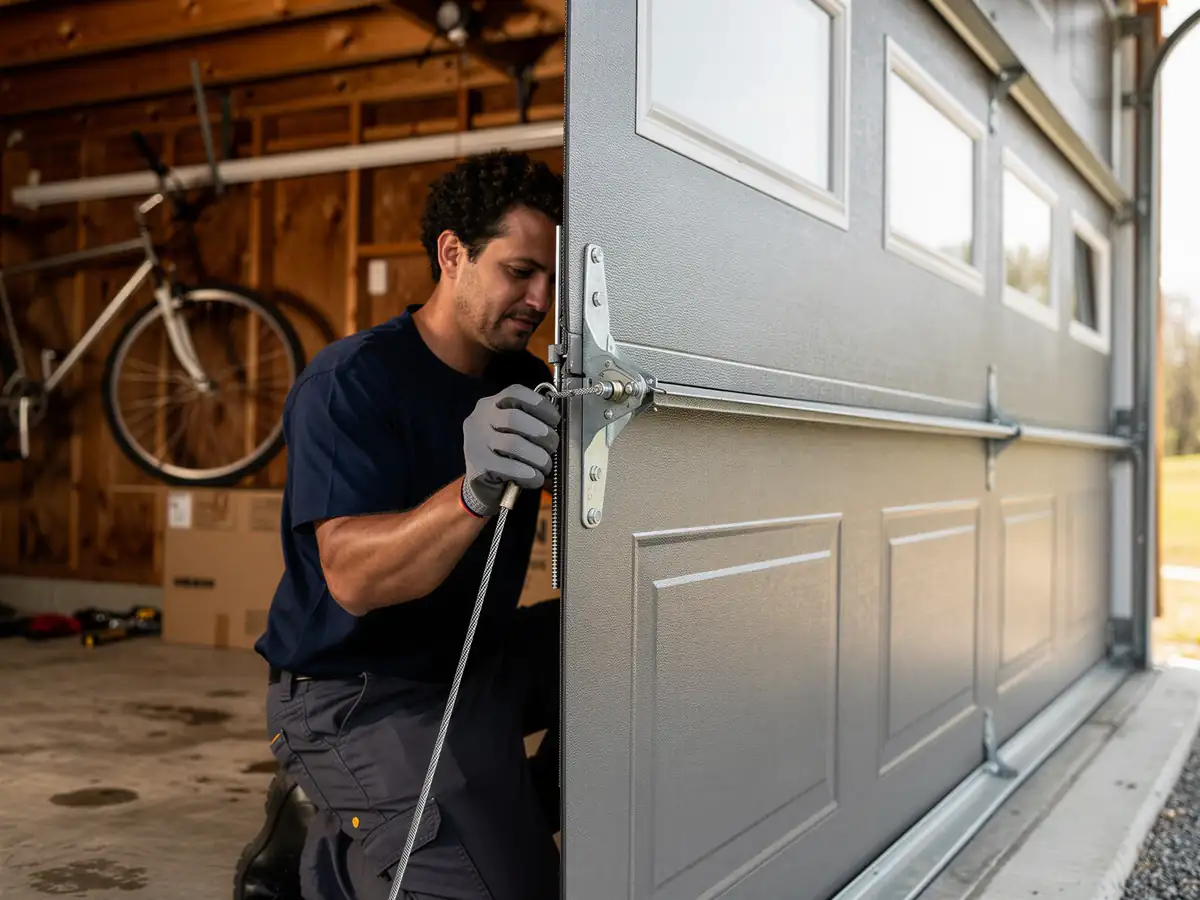
This area sits in a severe cold climate band, and steel that's been cycling through freeze-thaw for seventy years is steel that's already fatigued before anything snaps. We check the cable condition and the track alignment at the same time we replace a spring, because on a door this old, one failure usually means a second one is close behind. If the panel itself is original wood, we'll tell you straight when it's past patching - sometimes the fix that actually holds is a new door, not a repaired one.
How Long It Takes
We run this call out of Sterling Heights, and Grosse Pointe Woods sits about 12 miles out, so the drive is part of the job every time - there's no local depot here and we're not going to pretend otherwise. That distance doesn't change what we carry on the truck, but it does mean the clock starts a little later than it would for a call closer to the shop.
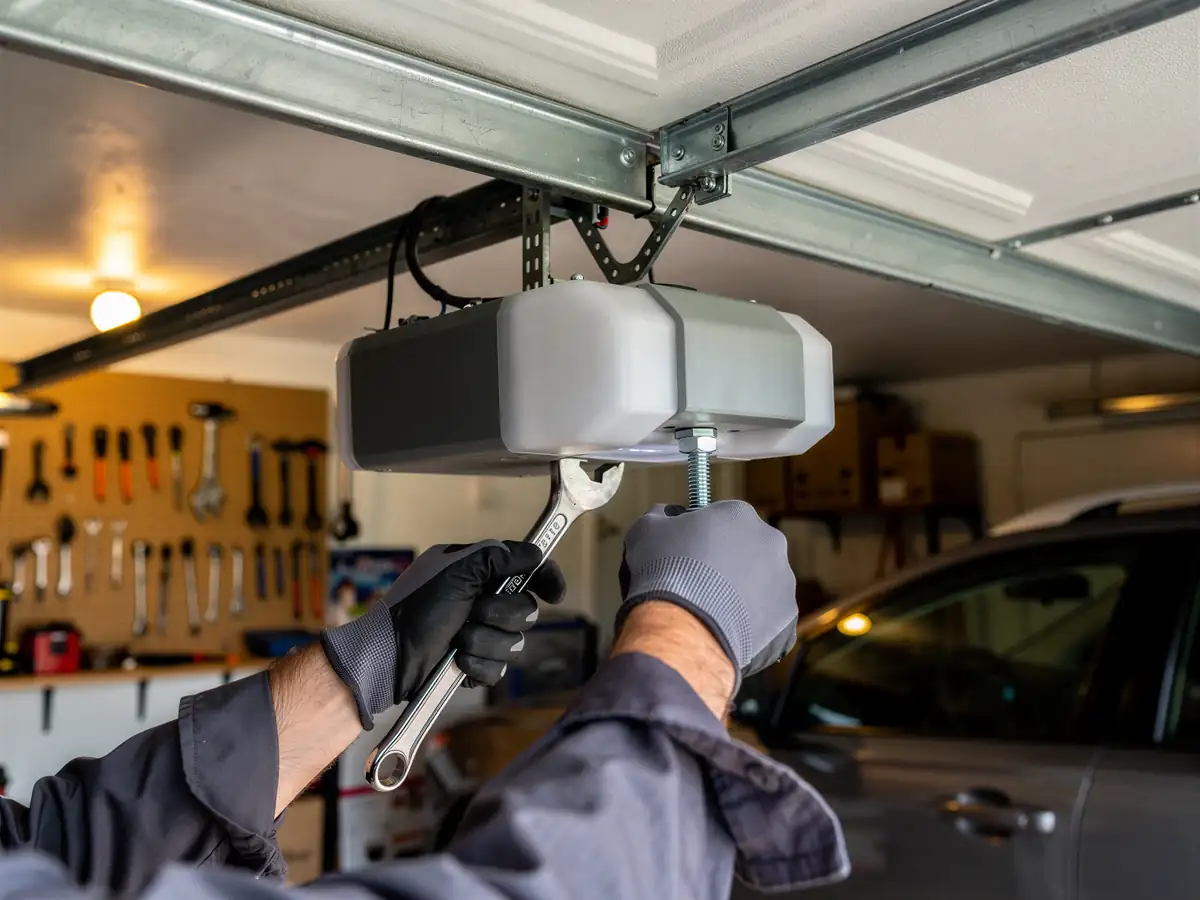
Once we're on site, most spring and track repairs on these older doors run inside a couple of hours, since the failure points are usually isolated - a spring, a cable, a bent track section. What takes longer is finding hardware that matches the original mounting pattern if the door hasn't been touched since it was built. We'd rather tell you a part needs ordering than force a fix that won't hold through the next cold snap.
Doing It Yourself
There's a real limit to what's safe to handle yourself on a door built in the 1950s, and the biggest one is the spring. Extension springs under tension can take a finger or worse if you unhook them wrong, and on a door this old, the spring has likely never been replaced - meaning it's had decades to fatigue past where it should have been swapped out. That's not a job for a weekend fix.
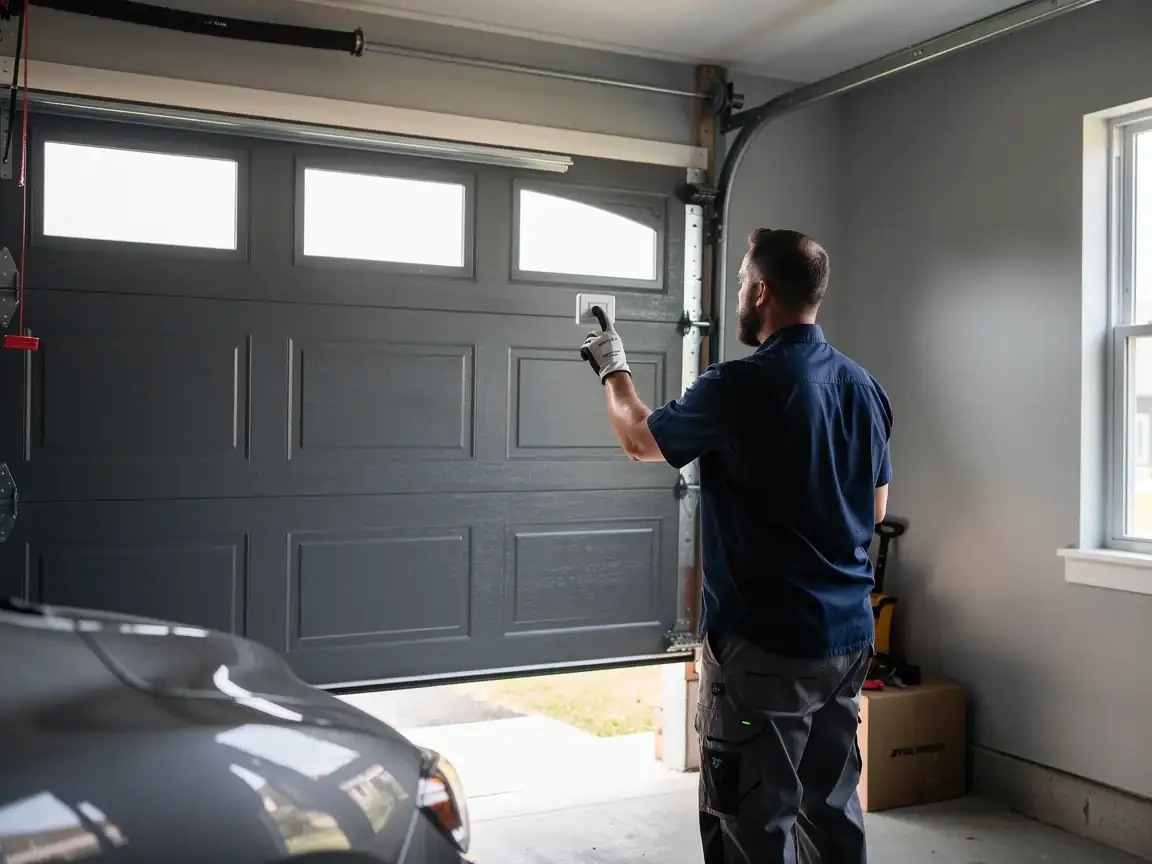
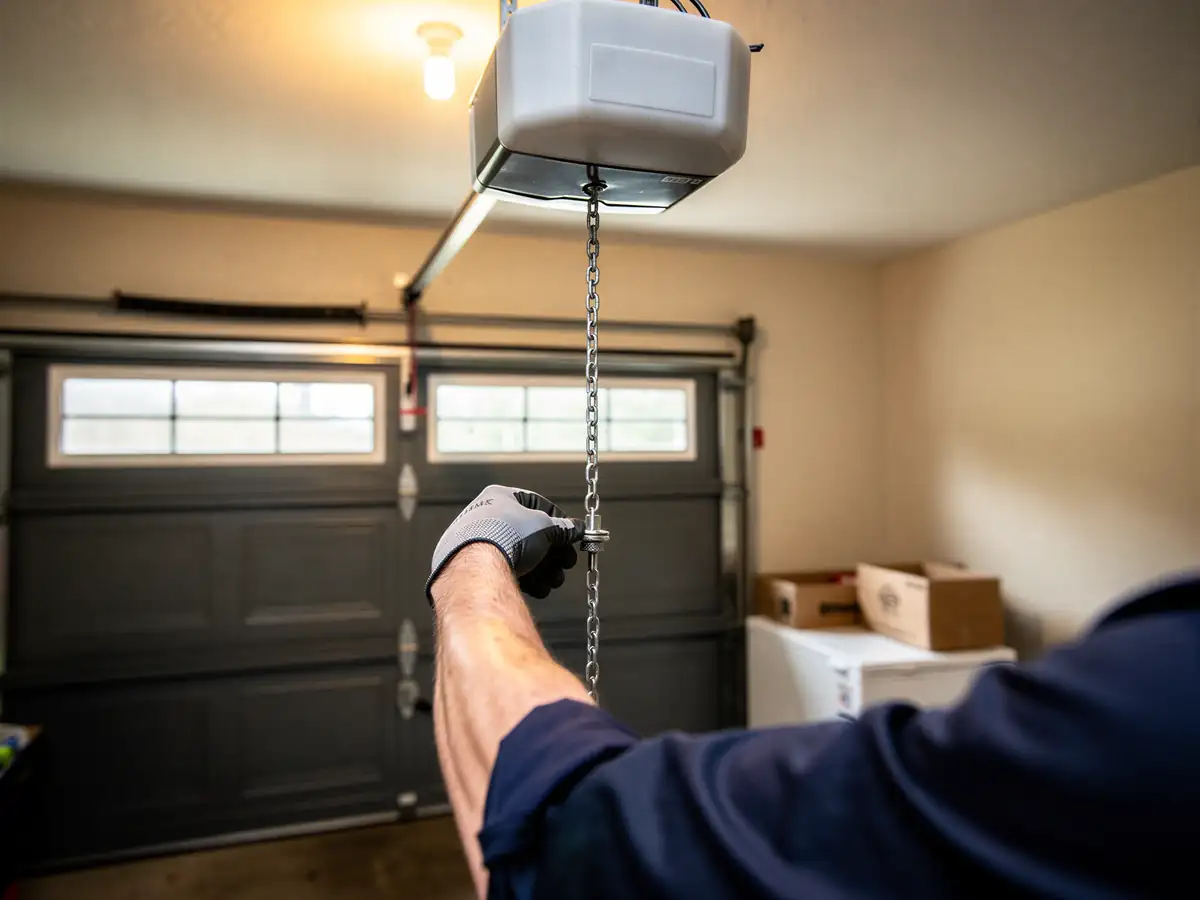
What you can check safely: whether the track bolts have worked loose, whether the roller bearings are dry and squealing, and whether the door reverses cleanly when it hits resistance partway down. If the opener is newer than the door - which is common, since openers get swapped out more often than the door itself - test that the force settings haven't drifted, since an opener fighting an old, heavy wood panel will wear itself out faster than it should. If you're not sure which parts are original, don't guess at tension. Call it in.
What It Costs
We don't have a flat number to hand you here
Because what a job costs depends on whether we're repairing what's there or replacing it, and on a door built around 1953, that decision point comes up more than it would on newer stock. A spring and cable repair on an original track setup is a smaller job than finding a panel to match a door nobody makes anymore.
Household income in Grosse Pointe Woods runs well above the wider service area's median
And in practice that shows up in which way people decide: more owners here choose to replace an aging door outright rather than keep patching one that's going to need another repair in a year or two. That's a reasonable call on a door this old - we'll give you both the repair price and the replacement price on site, so it's your decision, not ours.
How It Shows Up
On a house from the early 1950s, trouble usually announces itself as a door that's suddenly heavier to lift by hand, or an opener that strains and reverses partway up - both point to a spring that's lost tension, which on original hardware means it's likely original to the house. A door that drags or binds on one side, especially after a cold stretch, often means a track bolt has backed out or the track itself has bowed slightly with decades of temperature swings.
If the door is wood and original, swelling along the bottom panel after a wet, cold season is common, and it can bind the whole assembly even if the springs and cables are fine. A grinding or popping sound from one side usually means a roller's bearing has given out - not an emergency by itself, but one we'd rather catch before the cable it's riding on starts to fray too. None of these mean the door is unsafe to use for a day or two, but a spring that's visibly stretched or a cable that's frayed is not something to wait out.