How We Fix It
Grosse Pointe Woods sits 12 miles out from our Sterling Heights shop
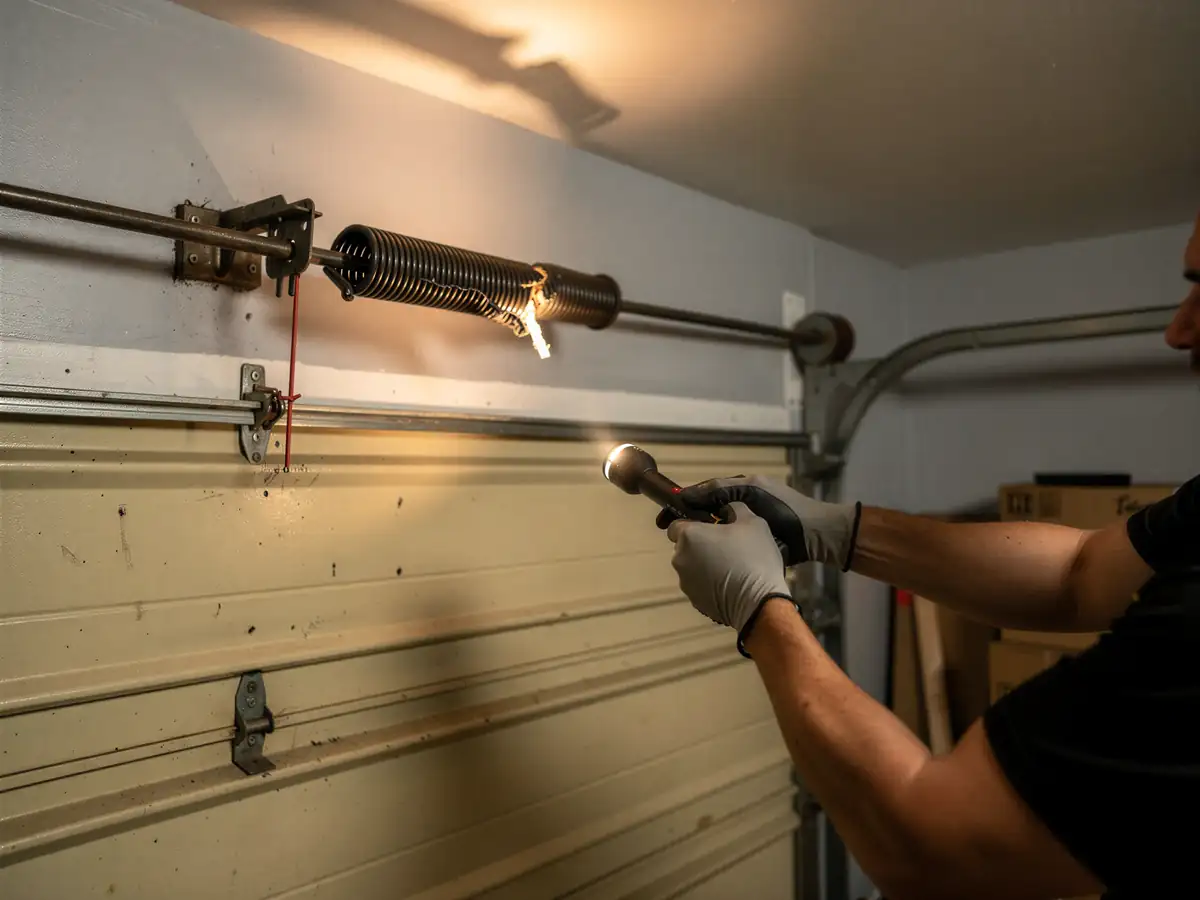
Which shapes how we run a call here. We don't dispatch a truck on a guess - we ask what the door is doing, what it sounds like, whether it's a spring, a cable, or an opener that's quit talking to the wall button, and we load the truck for that job before we leave. A 12-mile run means we'd rather bring the right torsion spring the first time than drive back for it.
- 12 miles
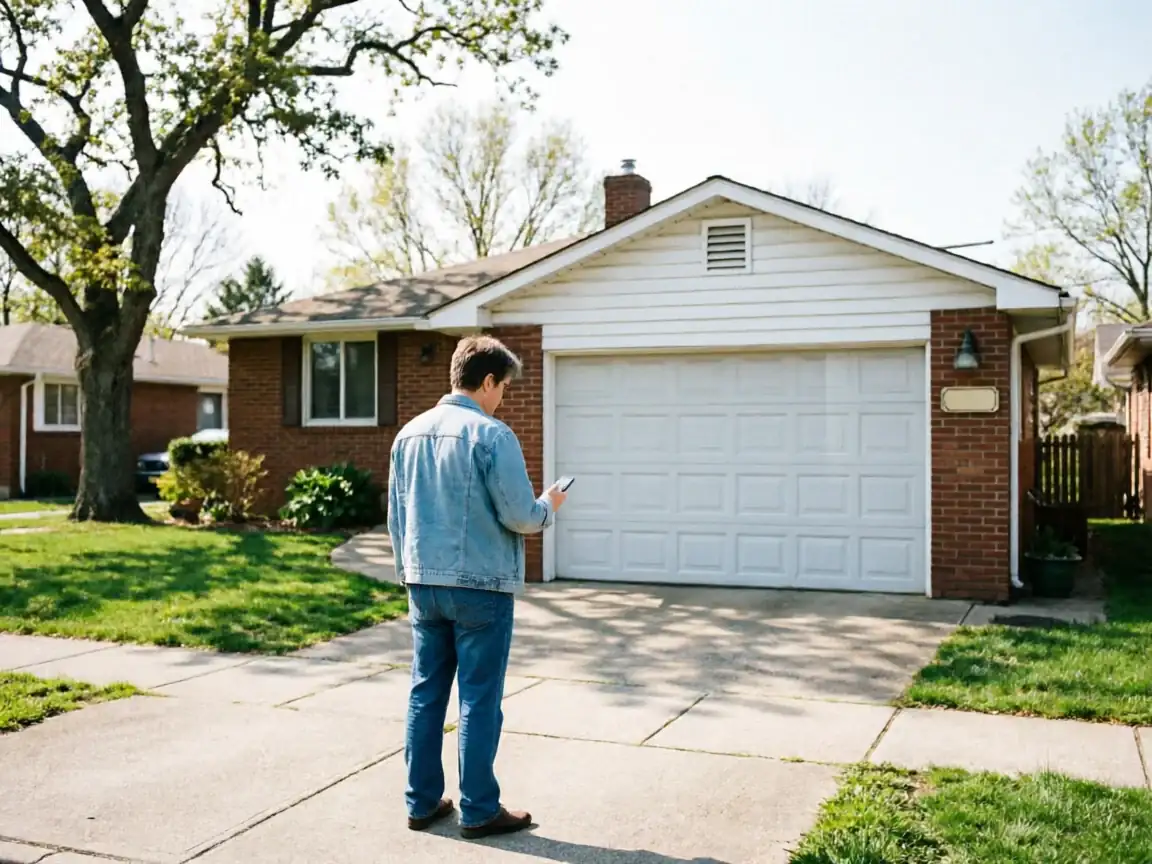
Most houses in this part of the service area went up around 1953
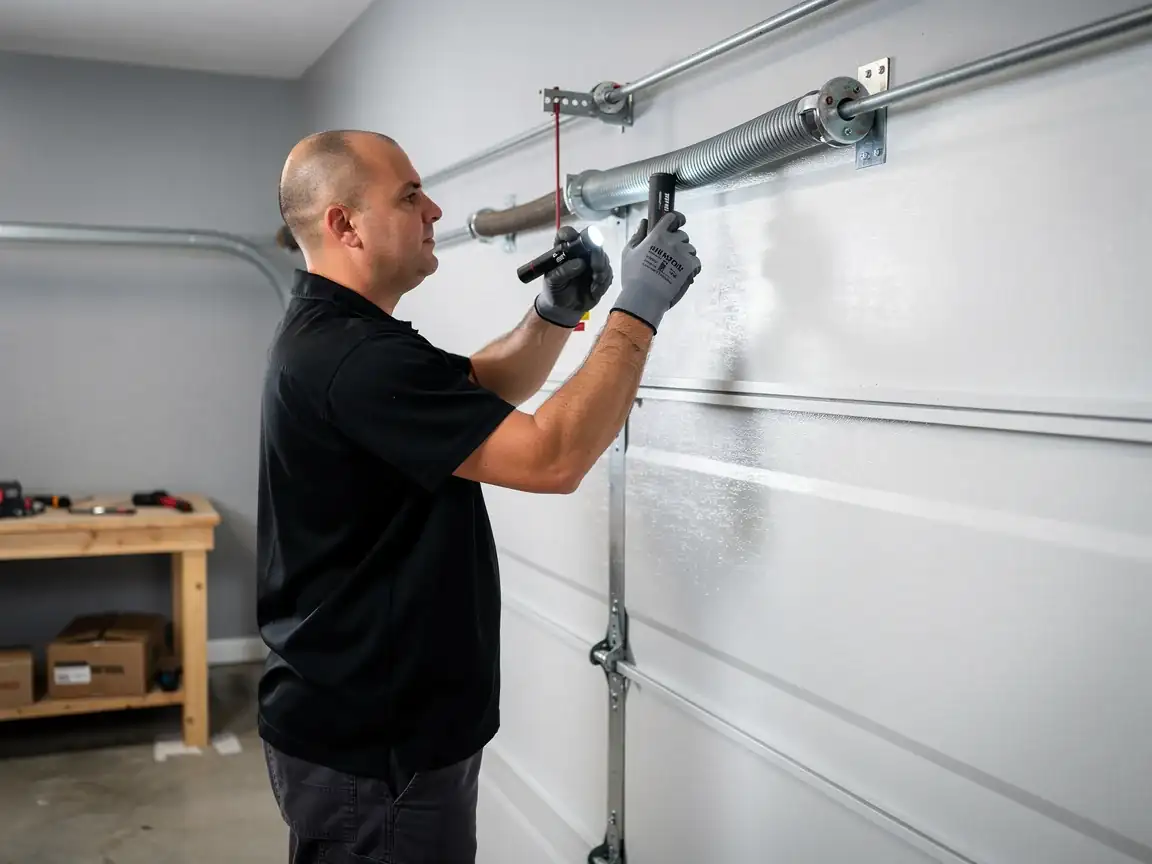
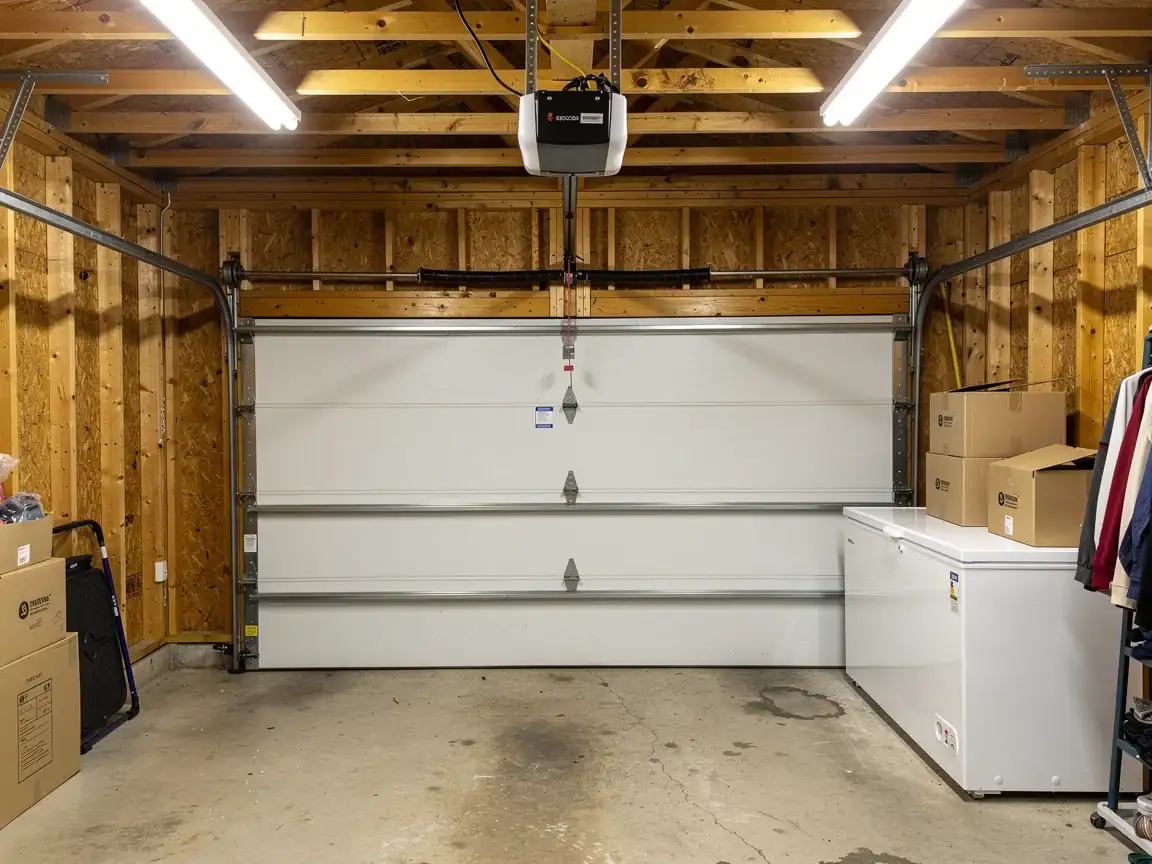
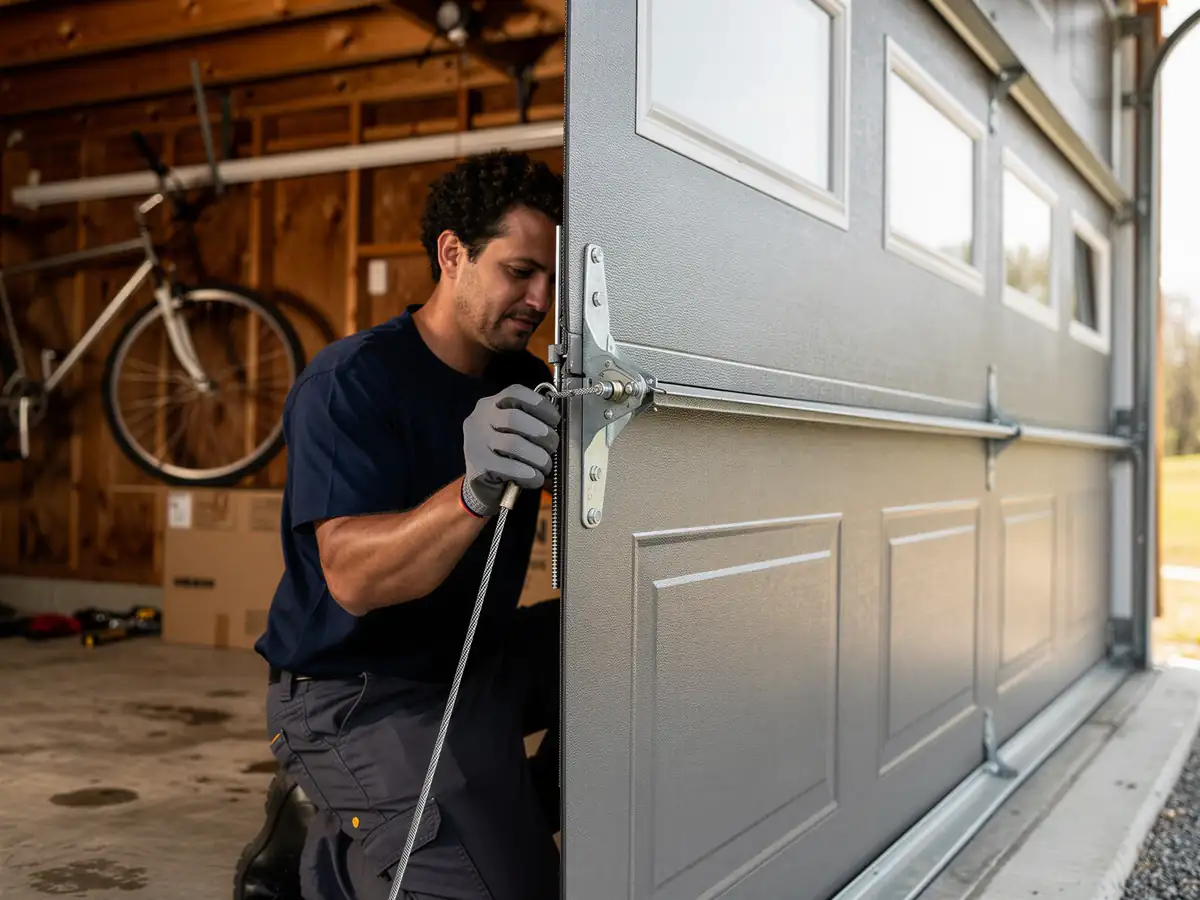
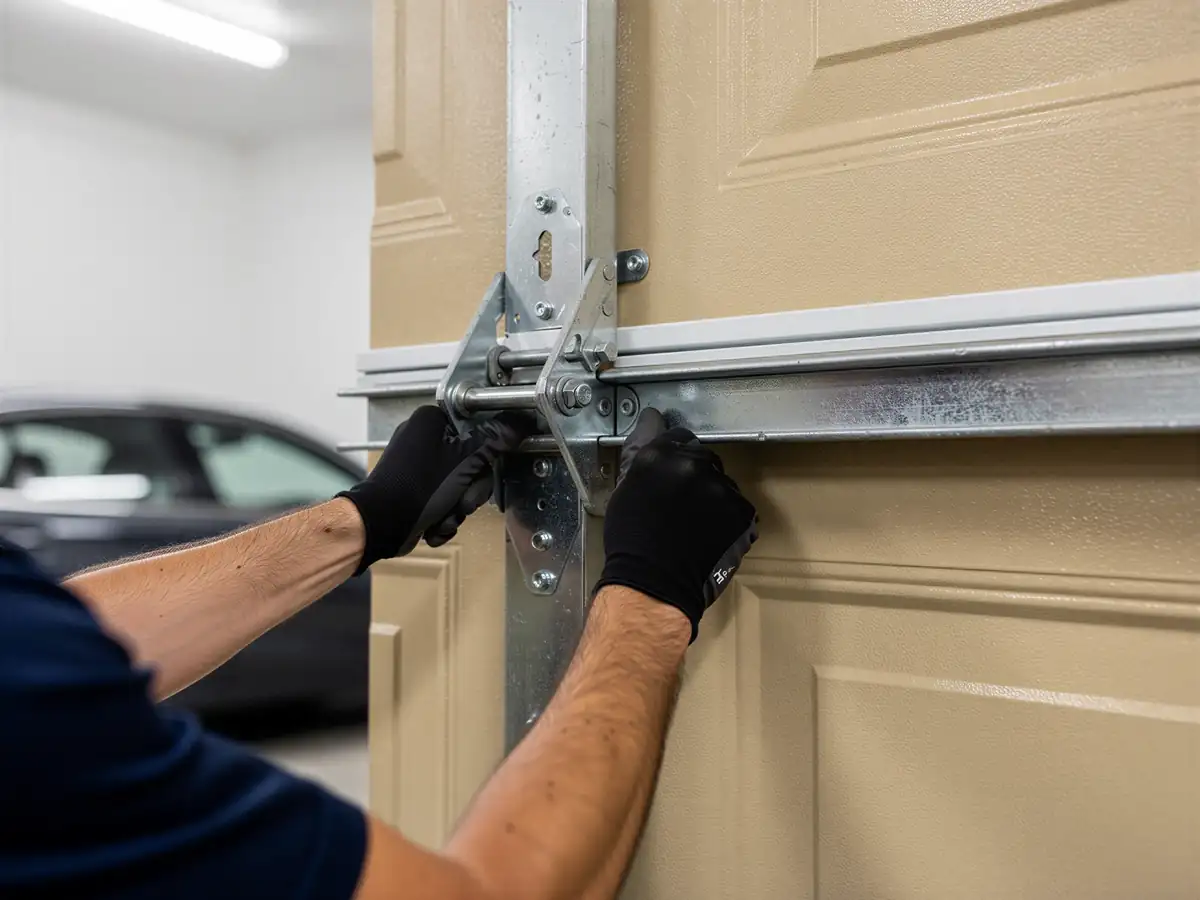
Which puts a lot of doors here on older torsion or extension spring setups, sometimes with hardware that's been replaced once already by whoever owned the place in the 90s. We check the drum, the end bearing plate, and the track alignment together, because on a door this age a sagging track is usually the real reason a new spring snapped early. We fix what's broken, not what's convenient to sell.
One limit worth saying plainly
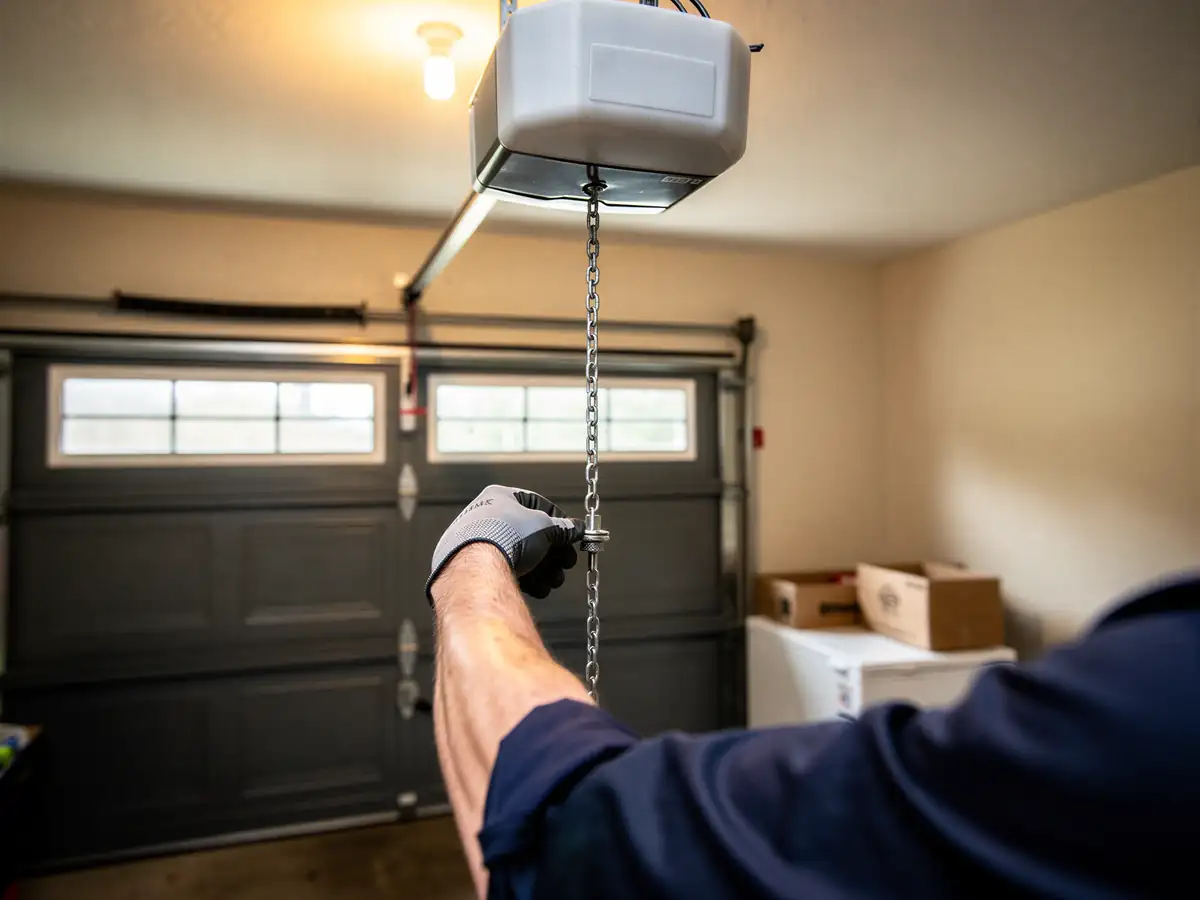
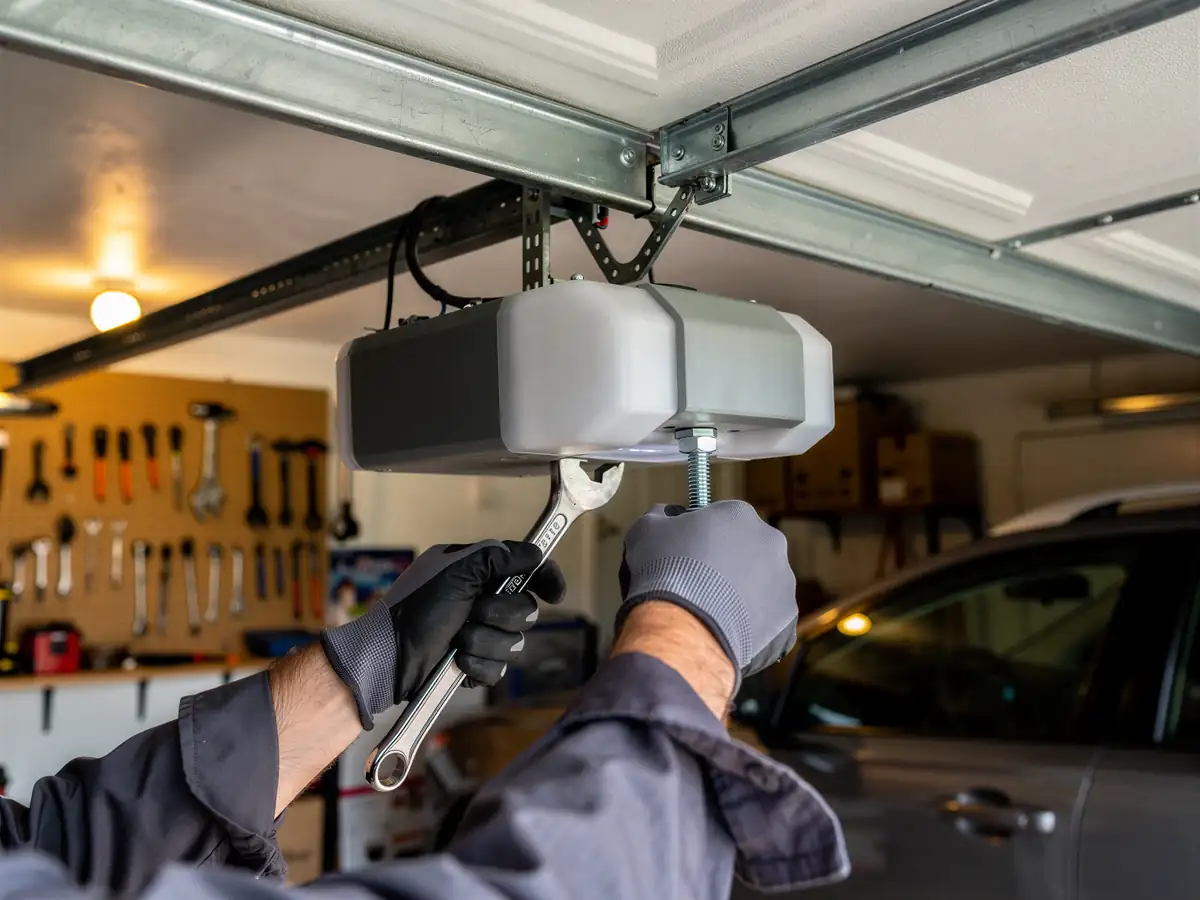
If the opener is an older chain-drive unit with a burned-out circuit board and the manufacturer's stopped making that board, we'll tell you that straight instead of chasing a part that doesn't exist anymore.
How Long It Takes
Because the job starts with a 12-mile drive from Sterling Heights, we try to nail down the fault over the phone first - spring, cable, opener, or track - so the visit itself is mostly repair time, not diagnosis time. A broken spring or a snapped cable is usually a single visit once we're on site. An opener that needs a part we don't carry on the truck is a second trip, and we'd rather say that up front than have you wait at home for a van that isn't coming that day.
We don't promise a same-day window for Grosse Pointe Woods and we won't pretend the drive doesn't matter. It does. What we can do is tell you honestly, before you hang up the phone, whether your fix is a one-trip job or a two-trip job, so you're not guessing.
Doing It Yourself
On a door built around the early 1950s, we'd steer you away from touching the spring yourself, full stop - a torsion spring under tension is one of the only things in a house that can put you in the hospital in half a second, and houses this age often still have the original-style hardware with no safety cable retrofit. That part isn't a DIY call, ever.
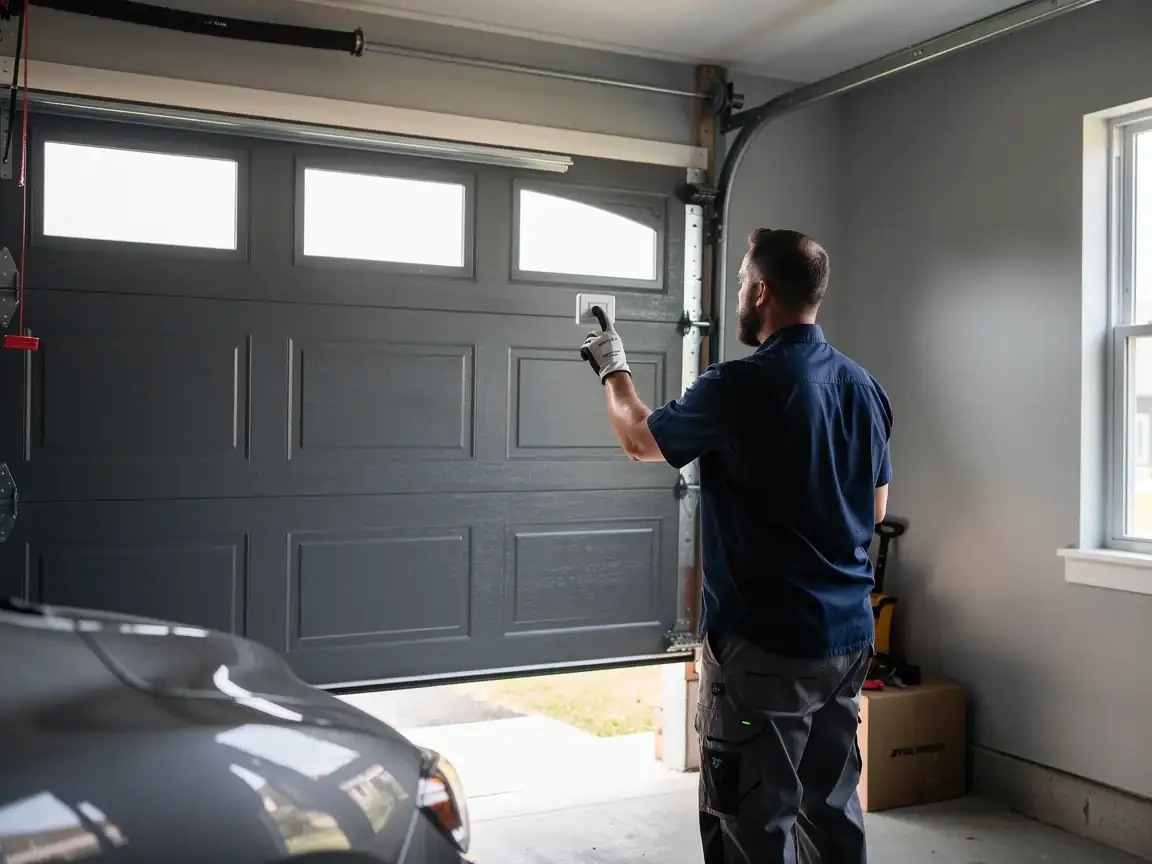
What you can safely check: the photo-eye sensors near the floor (dirt or a spiderweb will stop a door cold), the track for visible dents or gaps where it meets the wall, and whether the door is noticeably heavier to lift by hand with the opener disconnected than it used to be - that last one usually means the spring is on its way out and buys you a little lead time to call before it breaks mid-cycle.
What It Costs
We don't post a flat price list for Grosse Pointe Woods specifically
Because a broken spring on a single door costs differently than an opener logic board or a bent track, and we're not going to guess a number here that doesn't hold up when we actually see the door. What we can tell you is that a 1953-era door often needs spring hardware sized differently than what's sold off the shelf at a big box store, which is part of why a DIY spring swap from a generic kit tends to fail early on houses this age.
The area's median household income runs well above the wider service area average
And we've found that doesn't change what the job needs - it changes whether people choose to repair a 20-year-old opener versus replace it. We'll give you both numbers on site and let you decide.
How It Shows Up
Grosse Pointe Woods sits in a cold-climate zone with real winter swings, and that matters more for doors built in the early 1950s than for newer ones. Steel contracts in the cold, and on a door this age the weatherstripping has usually been replaced at least once with whatever was available at the time - not always a tight fit. We see openers struggle to sense a fully-seated door in January because the sensor eye has frozen moisture on it, and we see springs that were fine in August snap in the first hard cold snap because decades of rust finally reach the coil.
If your door's been louder than usual, or the opener's been reversing partway up for no clear reason, that's often the cold finding a weak spot that's been building for years, not a sudden failure. Worth a call before it's a Saturday morning with the car stuck inside.