How We Fix It
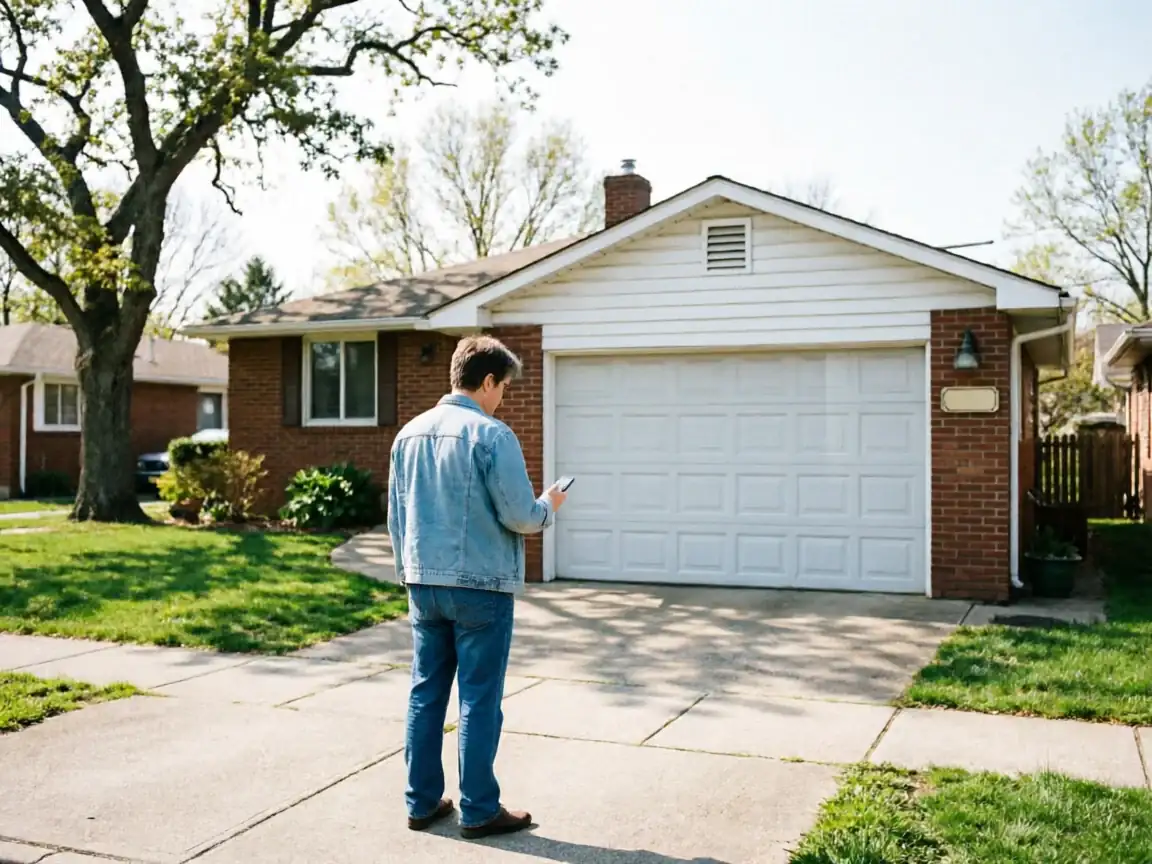
Grosse Pointe Woods' housing stock centers on 1953
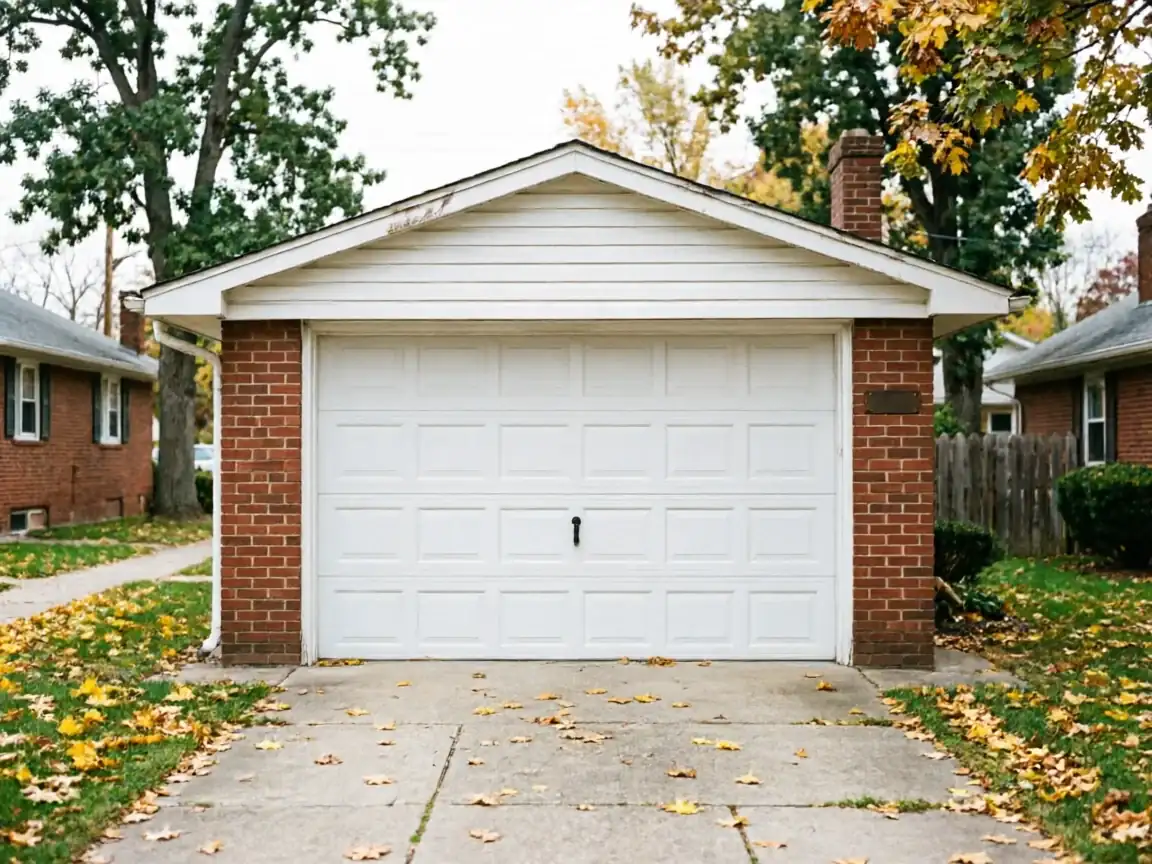
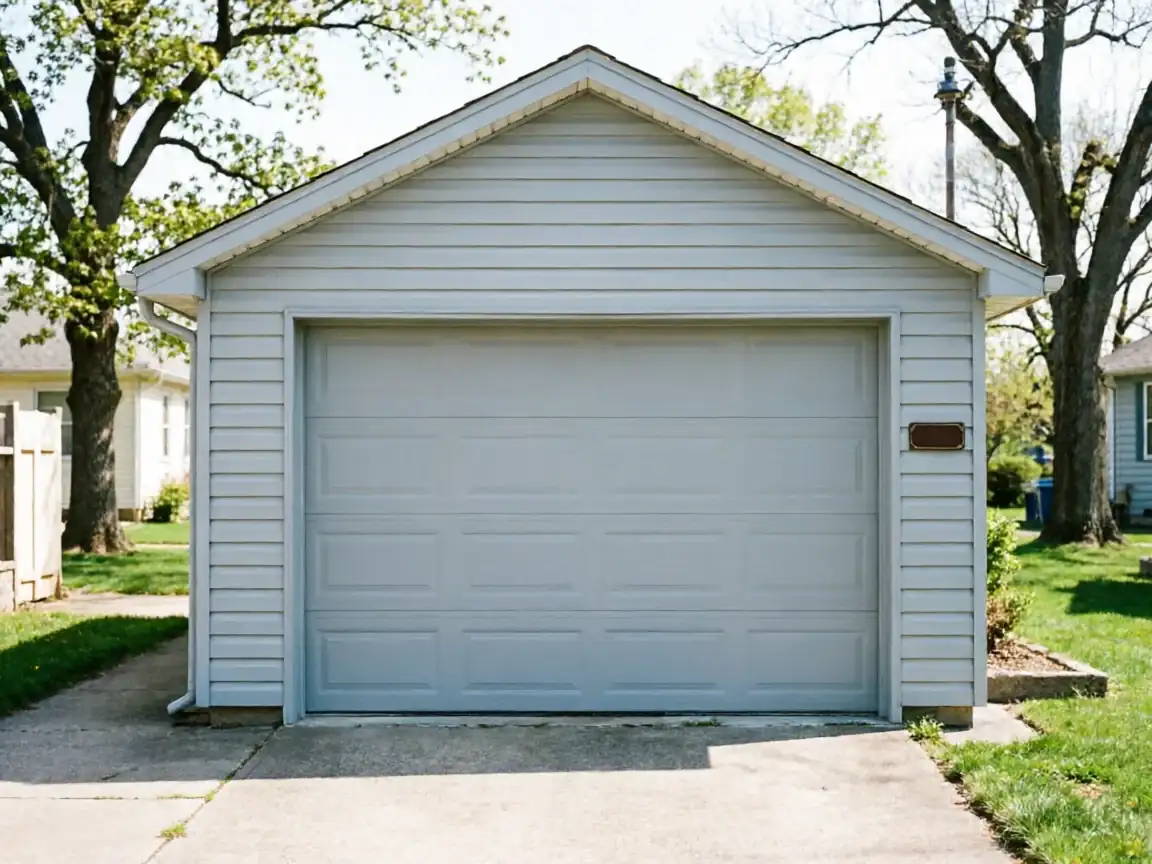
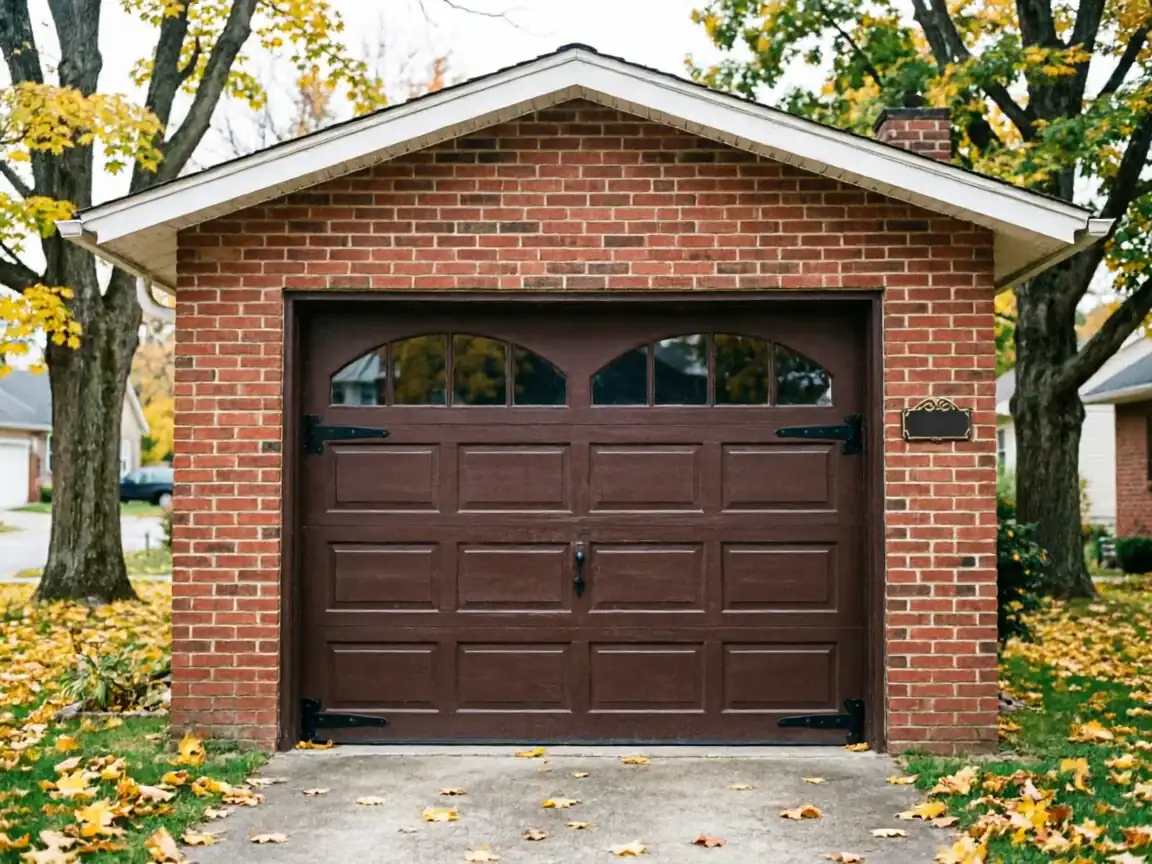
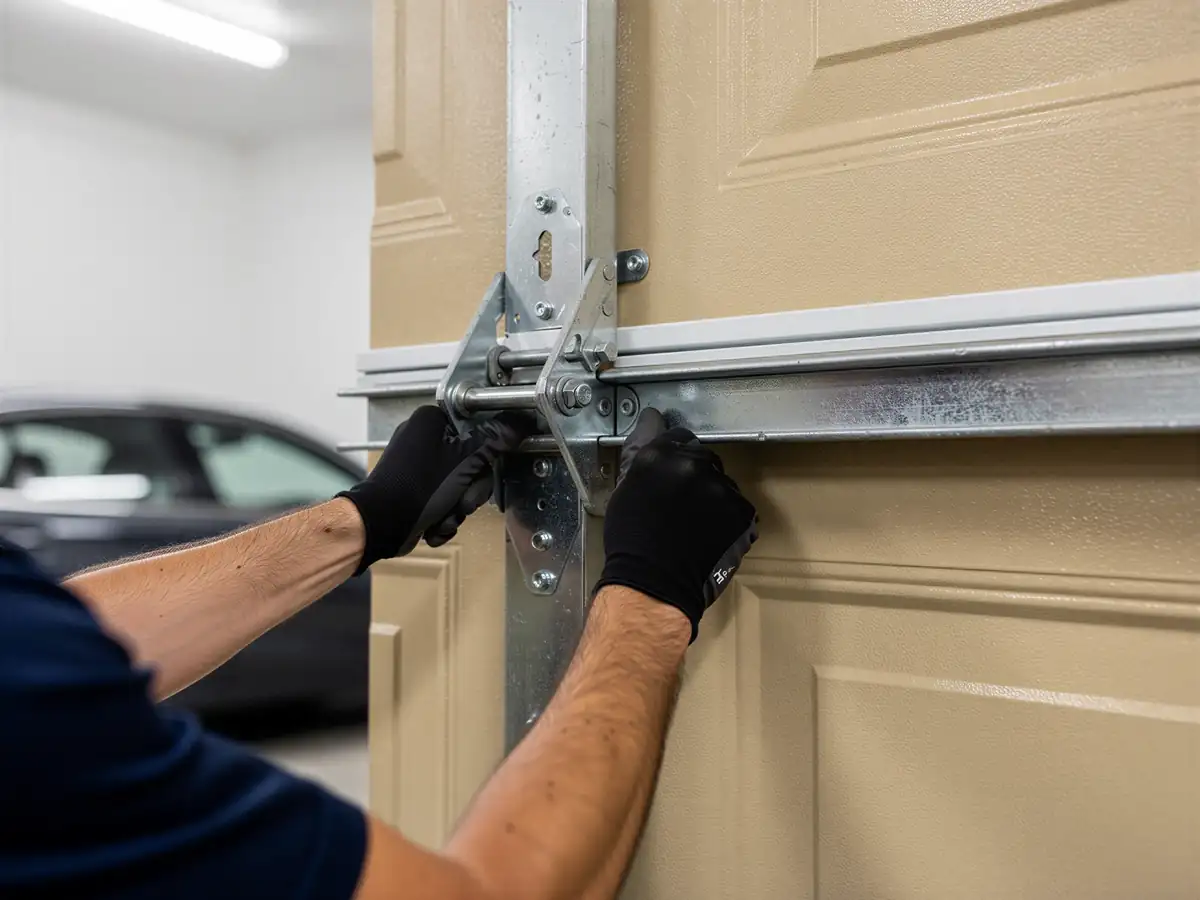
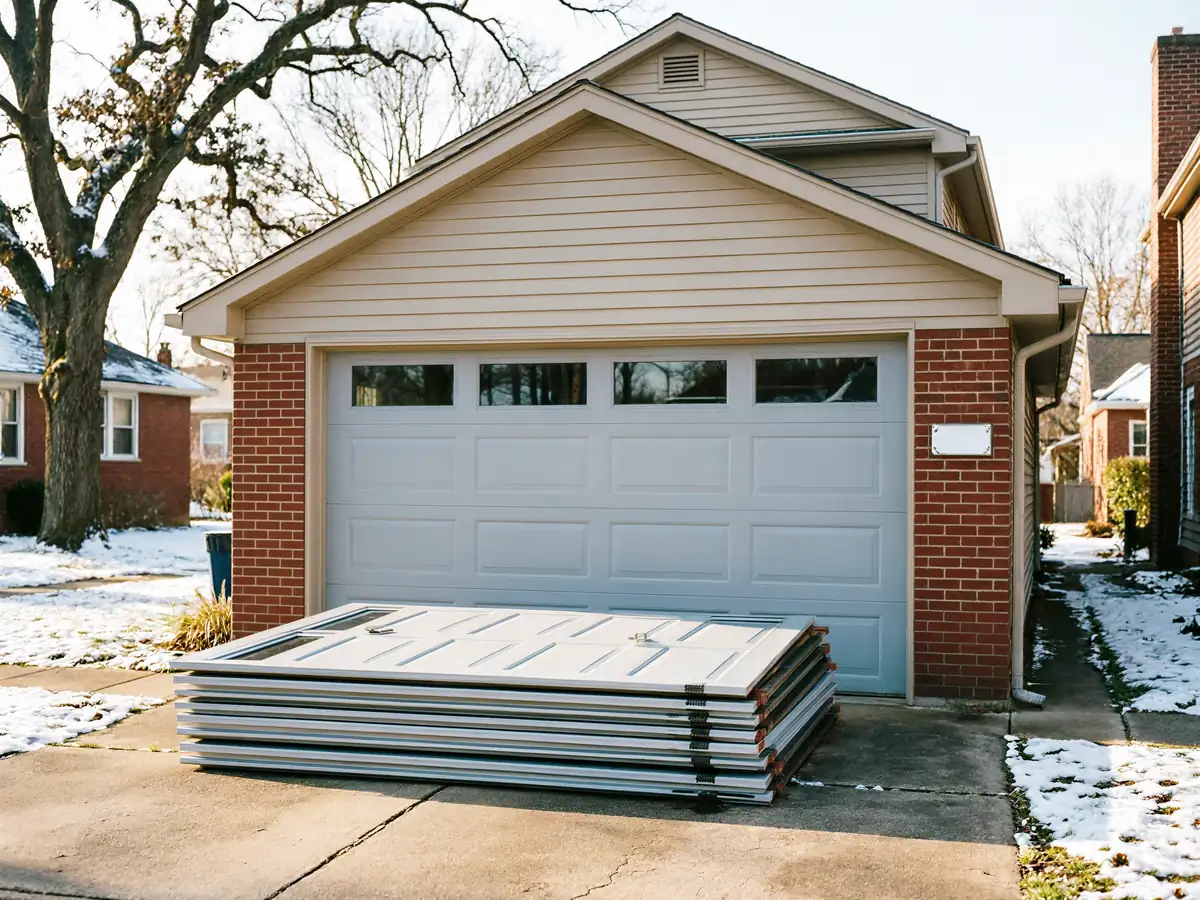
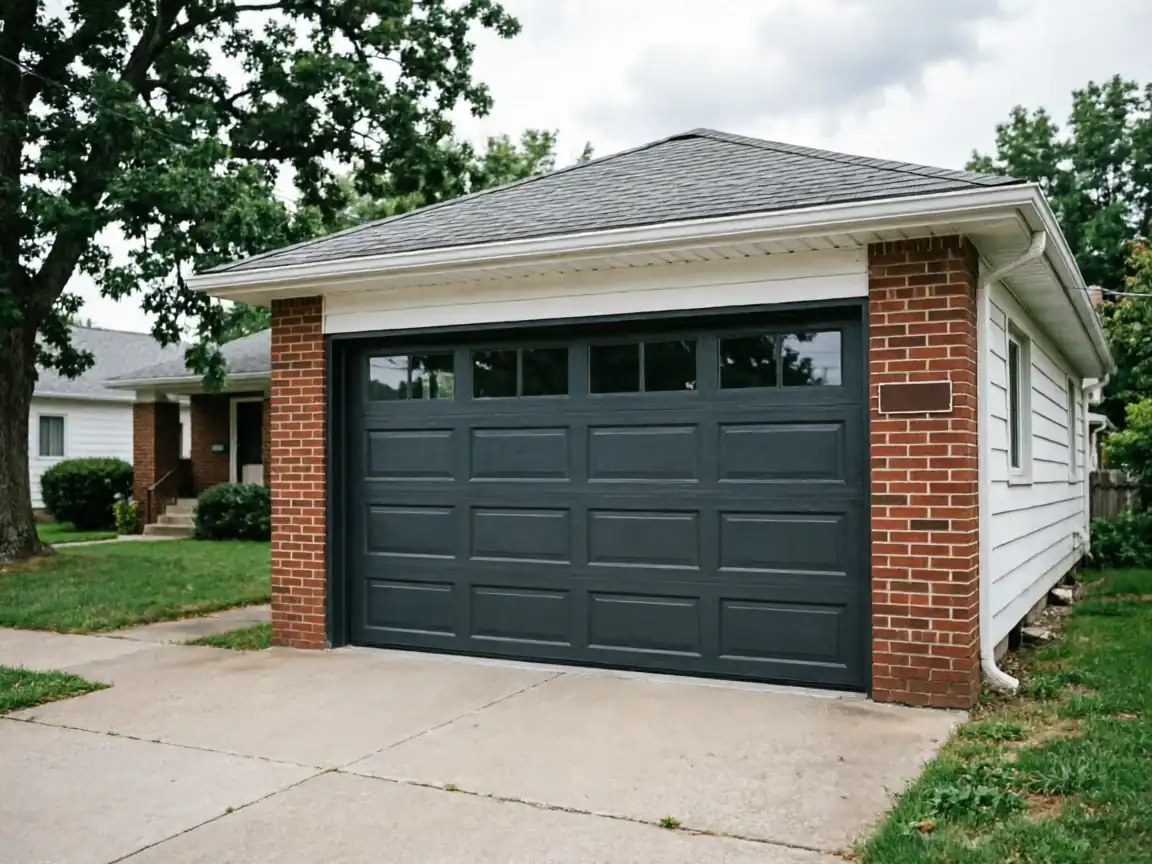
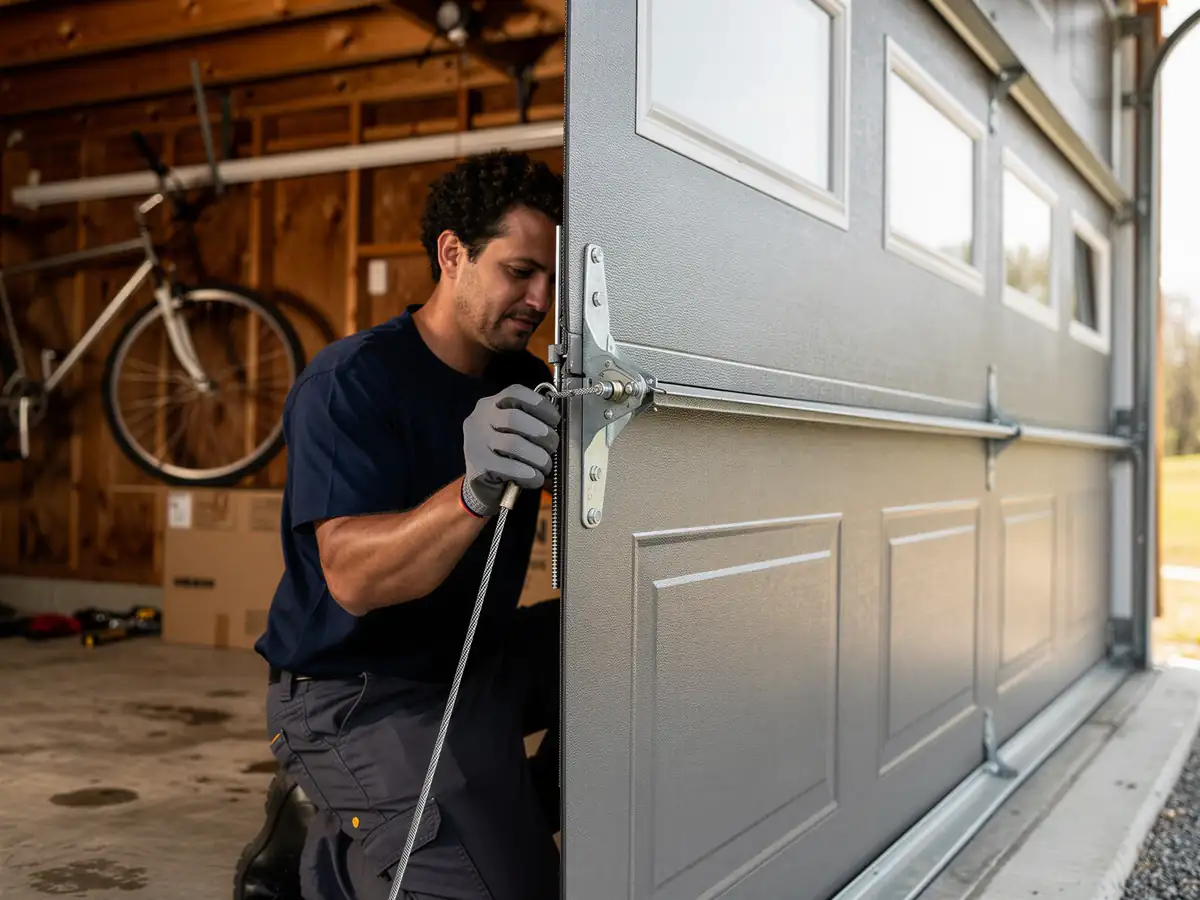
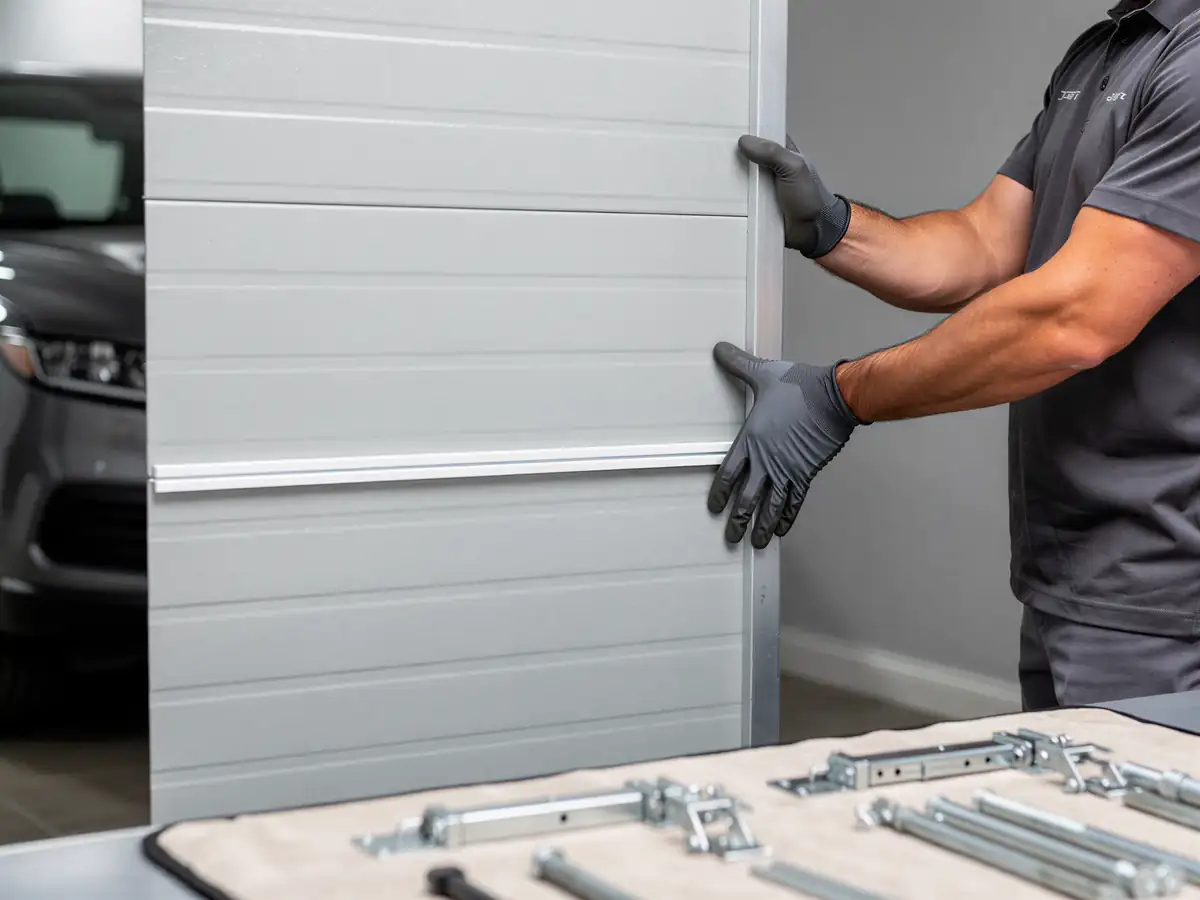
Which puts most garage doors here in the first couple generations of steel sectional construction, or in some cases the older wood-panel doors that came before sectional steel got cheap enough to be standard. That matters for replacement because the panel widths and hinge spacing from that era often don't line up with what ships off the shelf today. We measure the existing door before we order anything - rail width, panel height, hinge pattern - rather than assuming a modern 18-inch section will drop in. On a door that's mostly sound but has one dented or rusted-through panel, we replace just that section and match the hinge spacing by hand if the stock part doesn't fit clean. On doors where the steel has gone soft in more than one spot, which shows up a lot on pre-1960 stock across the wider area, we'll tell you straight that patching one panel just moves the problem to the next one over the following winter.
We don't carry every obsolete panel profile on the truck
If your door uses a discontinued width, we order it in rather than force a mismatched piece onto the frame - that's the one thing we won't improvise around, because a panel that doesn't seat right against the roller track is a worse problem than the dent you started with.
How Long It Takes
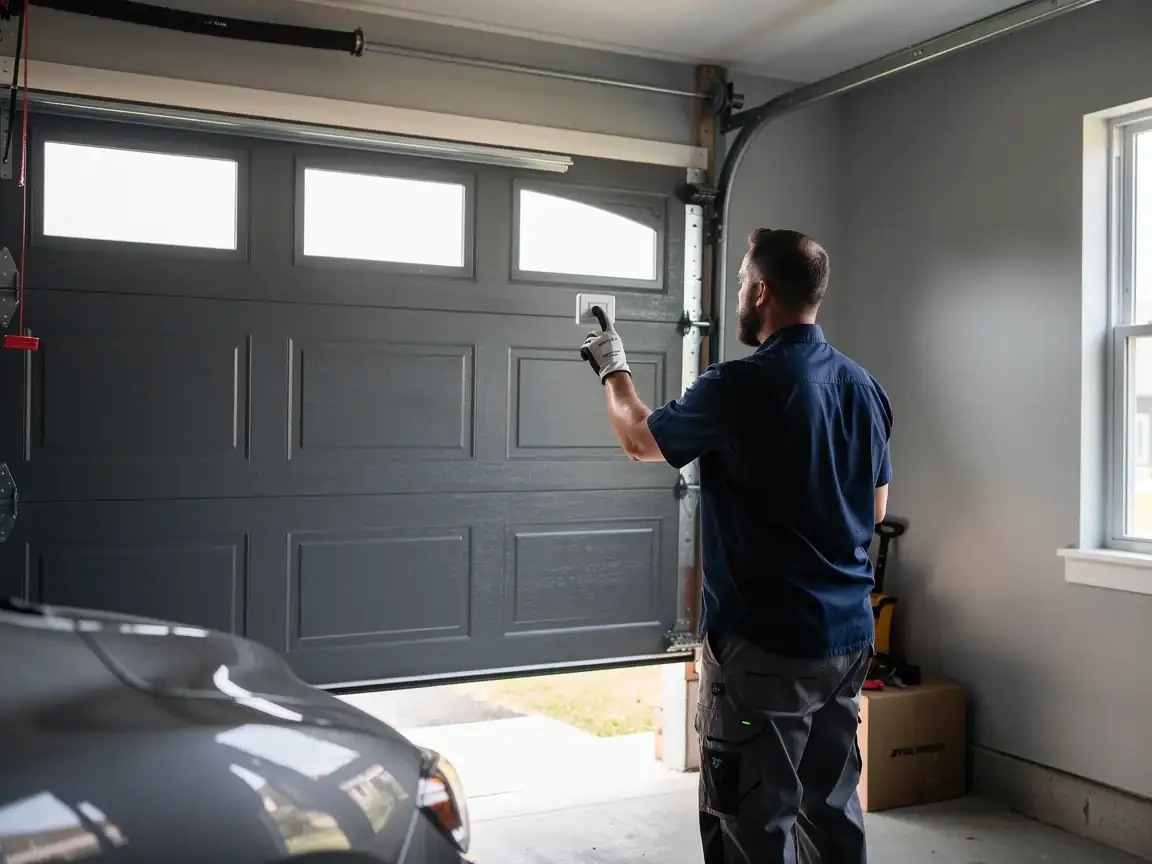
A single panel swap on a door with standard hardware is usually a one-visit job once the part is in hand. The variable is the part itself, not the labor - a current production panel ships fast, but a size that matches a 1950s-built door's original rail spacing can take longer to source, especially on wood-panel doors from before sectional steel took over. We'll tell you at the time we look at the door whether we're working with a quick-turn panel or a special order, and we won't guess at a date before we've confirmed the part is actually available. Cold-weather installs also run a bit slower in winter months here, since steel panels and weatherstripping both handle better once they're not frozen stiff, and we're not going to rush a seal that won't seat right in the cold.
Doing It Yourself
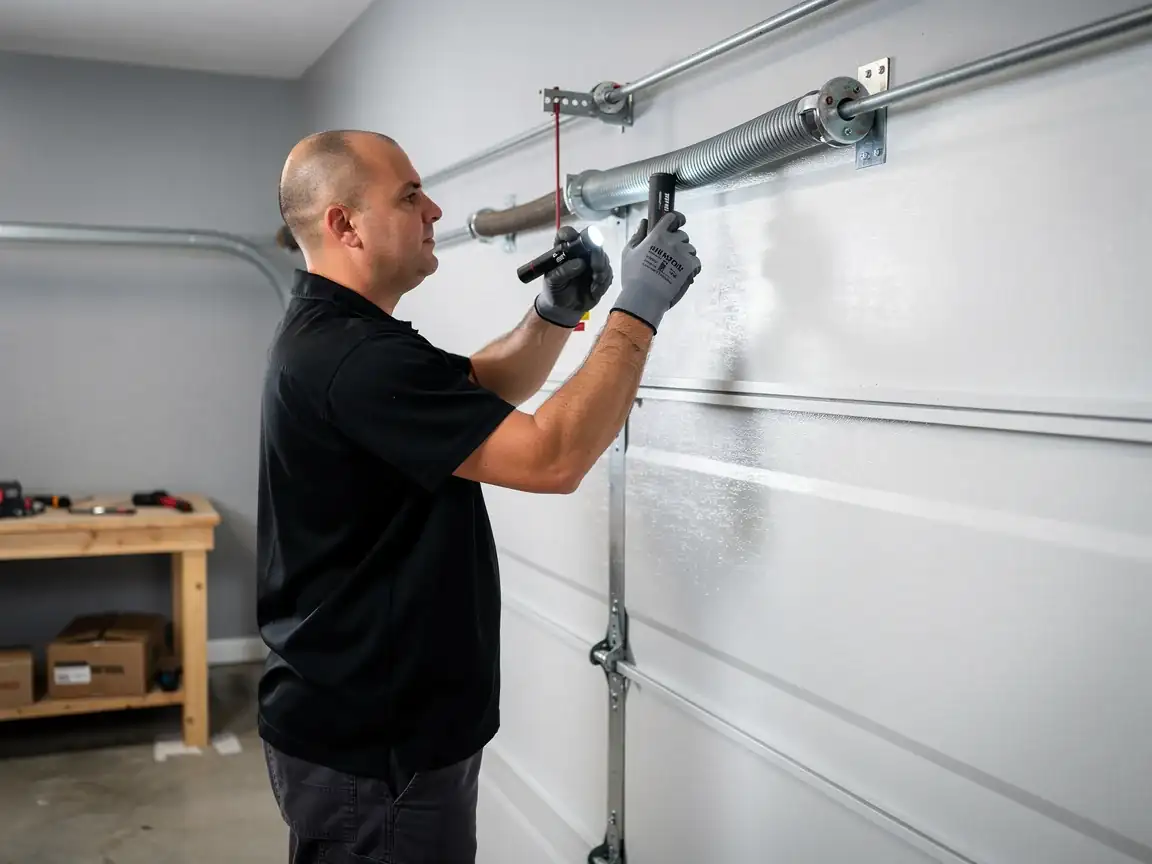
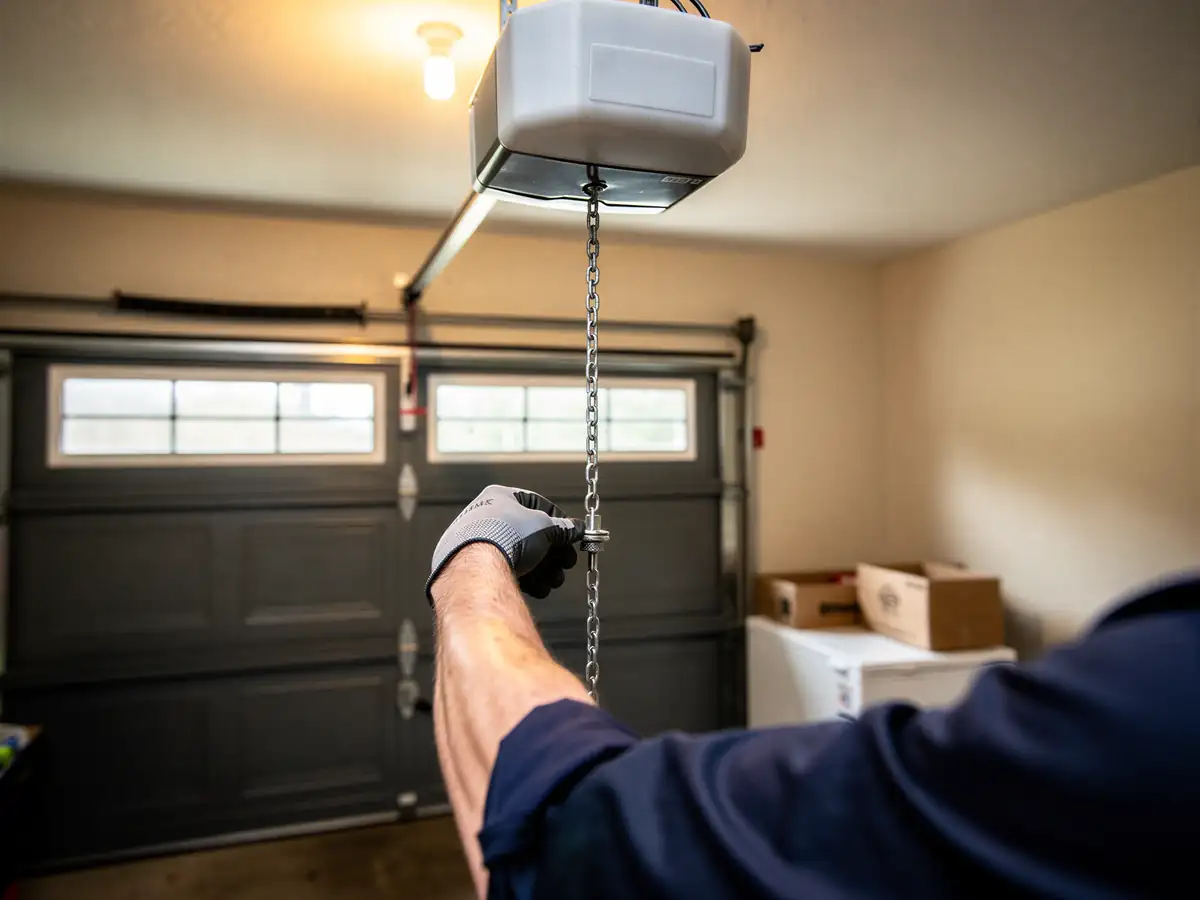
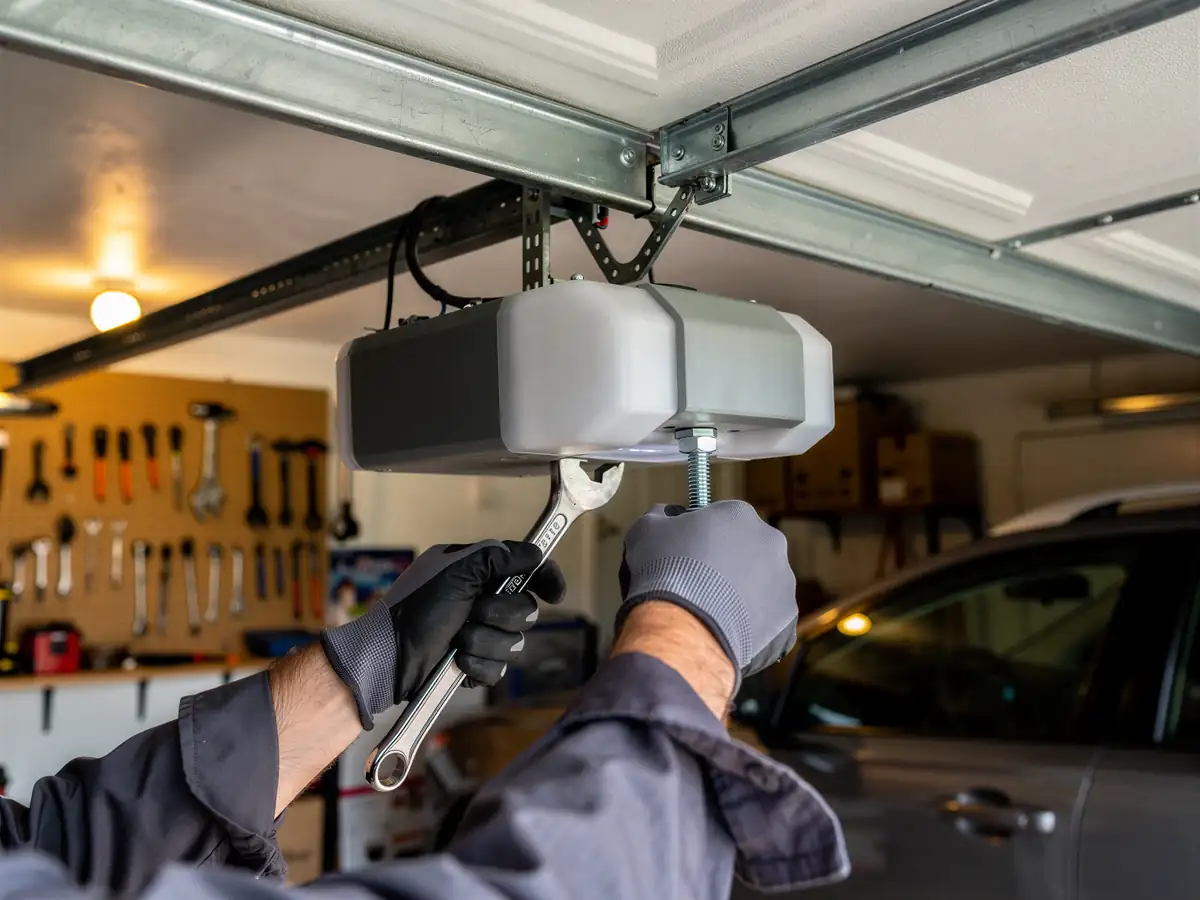
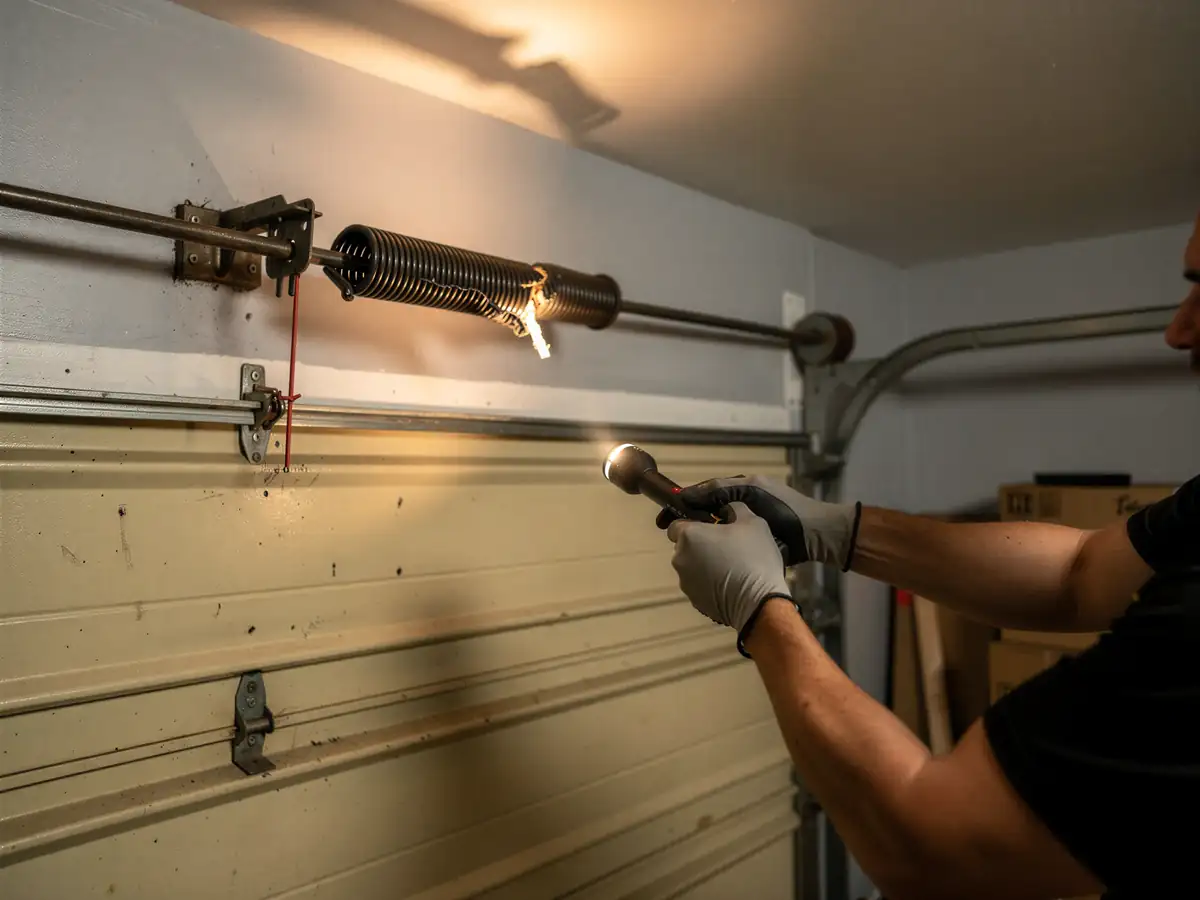
Swapping a single panel on a sectional door isn't the hardest job in a garage, but on an older door it gets harder fast. If your door still has its original torsion spring and the panel you're replacing is load-bearing in the track, pulling it out changes the balance on the whole door until the new piece is hung and the hinges are re-torqued - do that wrong and the next panel over takes the stress. On a door built to 1950s standards, you're also more likely to find hardware that's rusted into place, hinges with stripped screw holes, or a track that's shifted slightly over seventy-some years of settling. None of that shows up until you've already got the panel off. If you're comfortable with the mechanics and the door's hardware is in good shape, a cosmetic panel with no structural role is a reasonable DIY swap. If it's a bottom panel near the spring system or anything that's rusted at the frame, that's where we'd tell a homeowner to call rather than find out mid-job.
How It Shows Up
On a door built to 1953-era standards, panel failure usually shows up as rust-through along the bottom section first, where splash and snowmelt sit against the steel, or as a dent that's cracked the paint and started corroding from the inside out. Grosse Pointe Woods sits in a severe cold climate band, and steel that's already thinning doesn't handle a hard freeze-thaw cycle well - a small crack in the fall can be a hole by February. We travel to Grosse Pointe Woods from our base in Sterling Heights, about 12 miles out, so if you're watching a panel start to go, it's worth calling before the cold finishes the job rather than after.