How We Fix It
Grosse Pointe Woods is a small town by household count
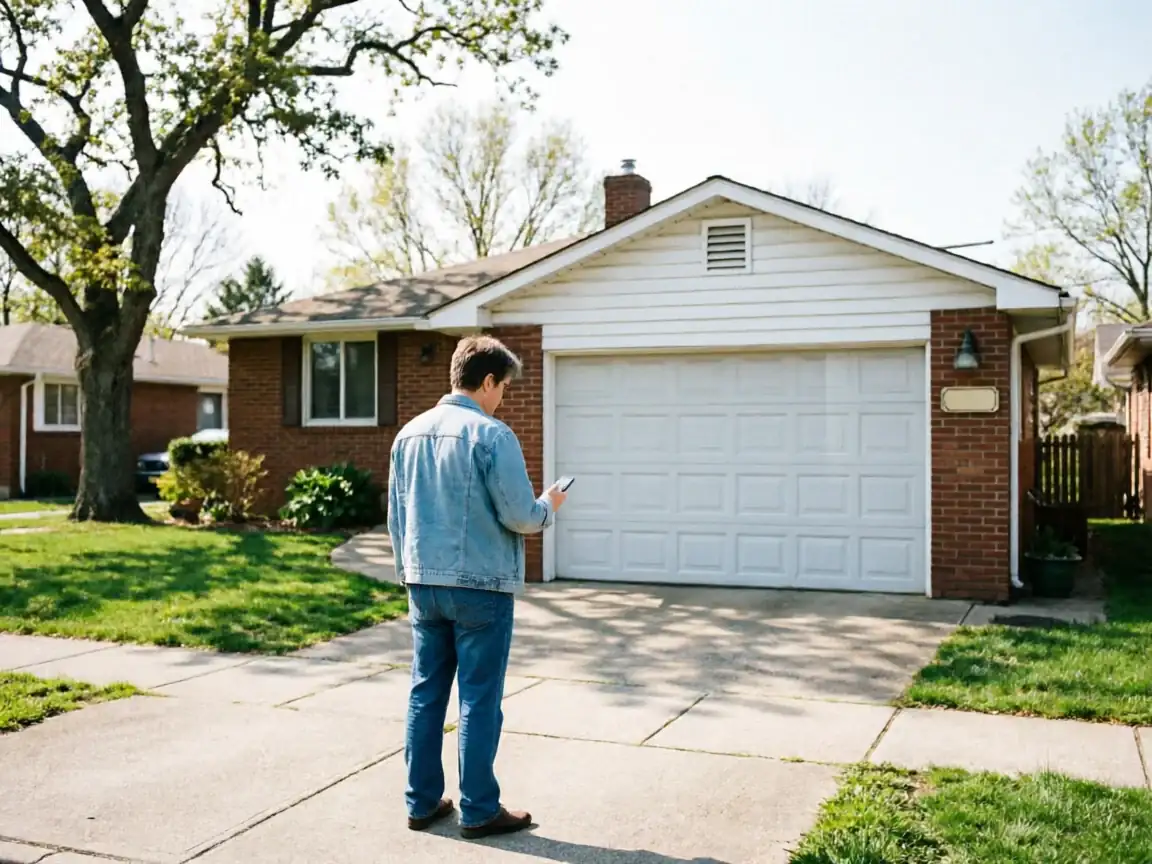
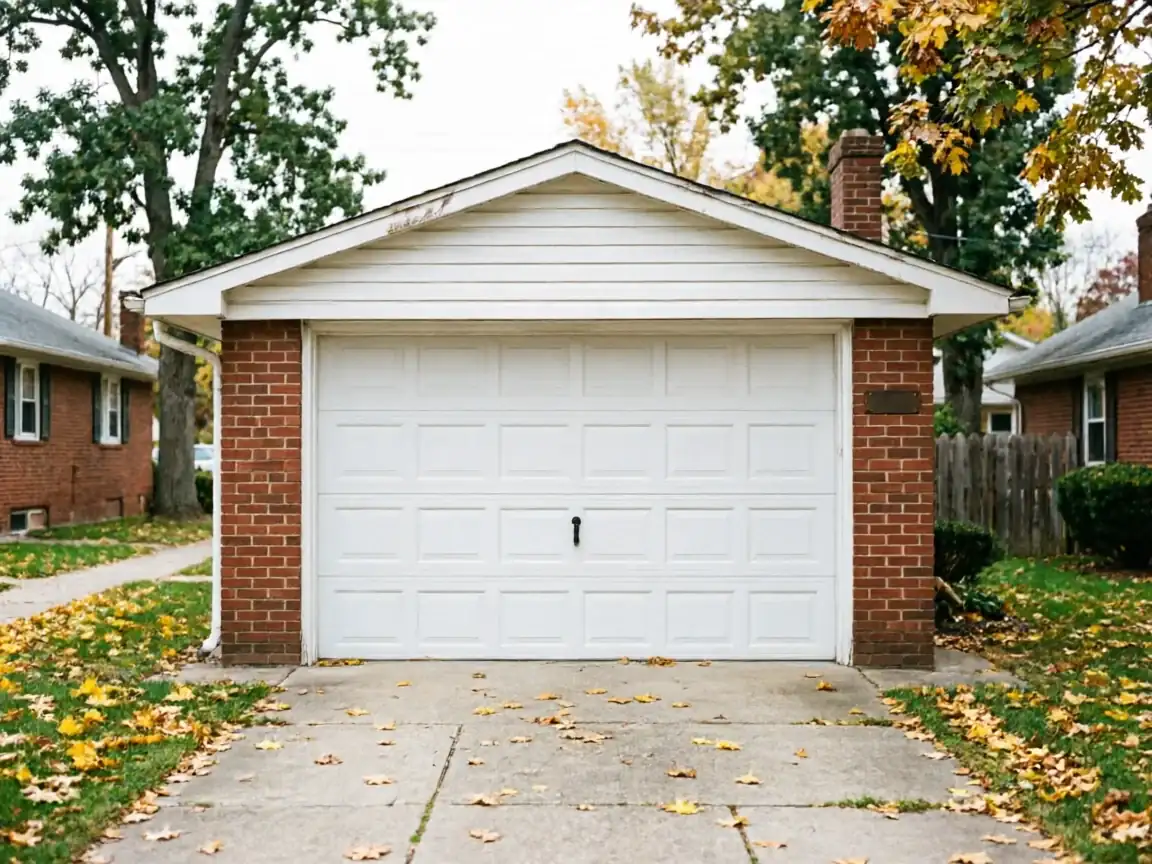
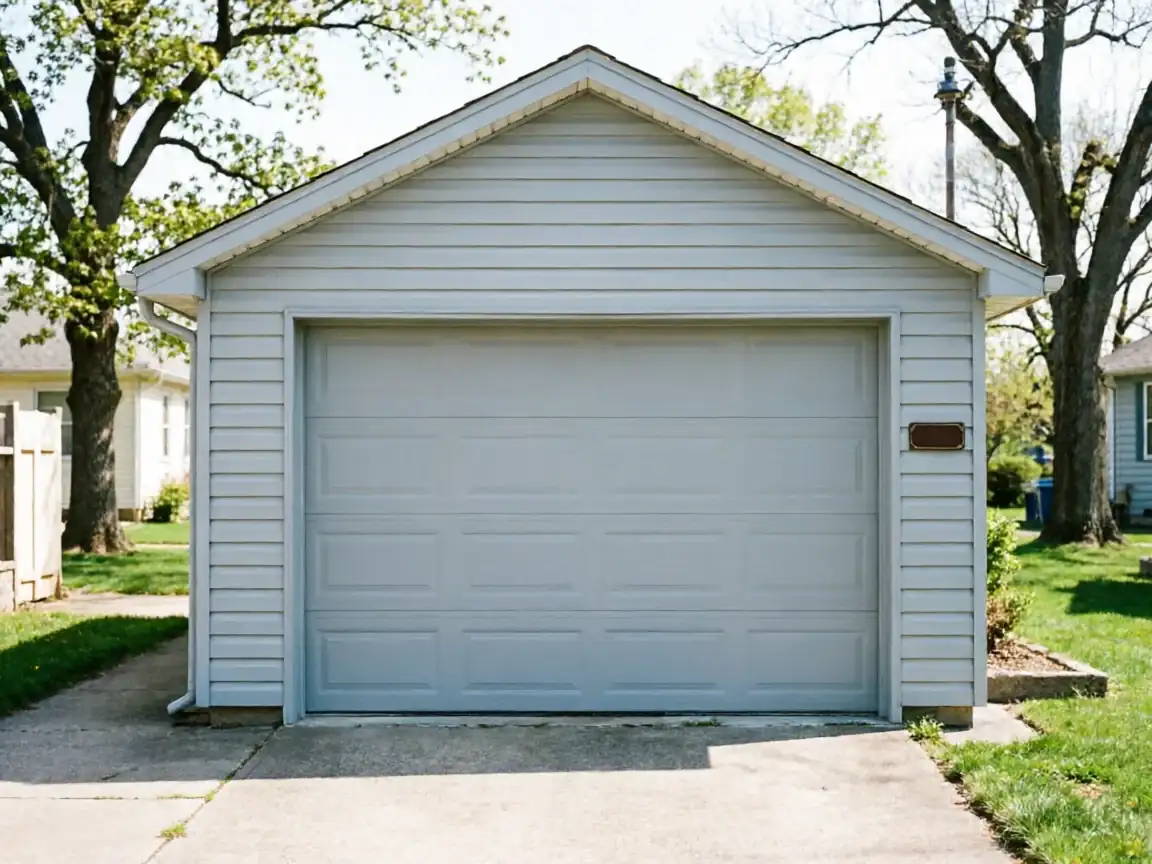
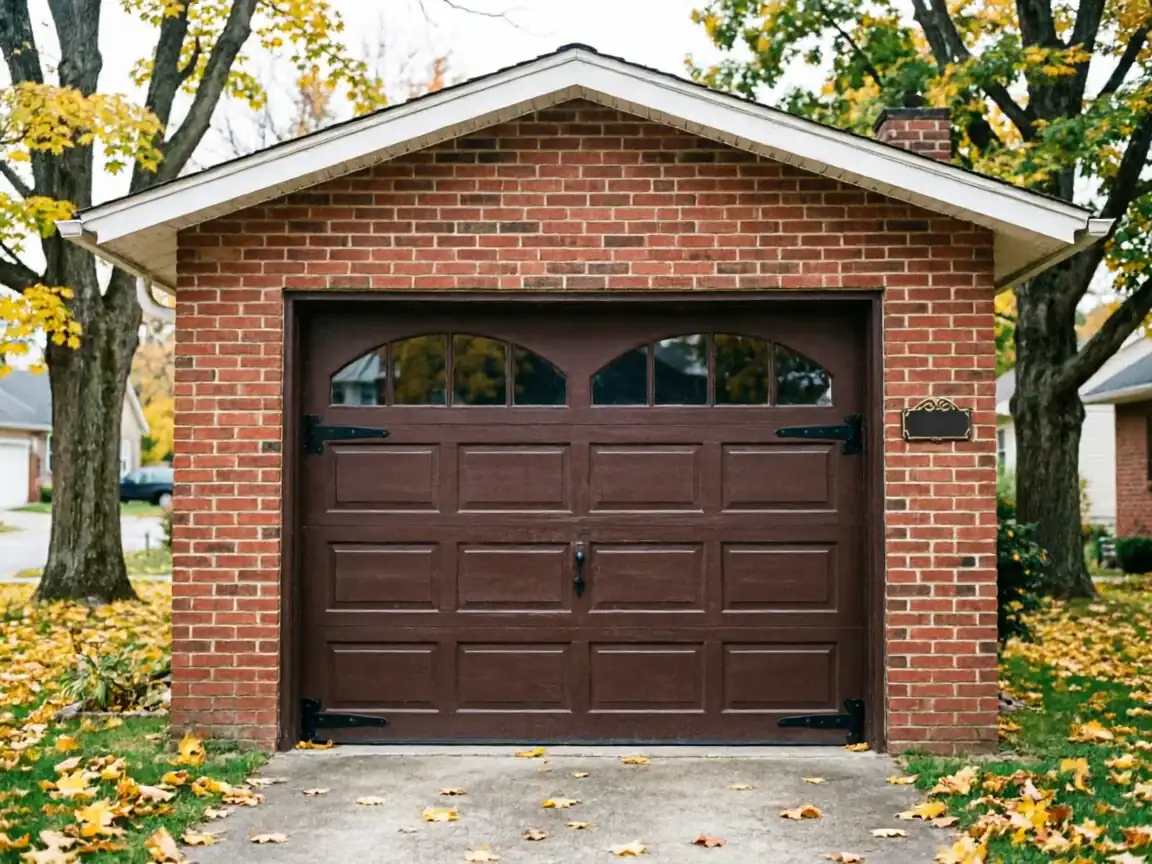
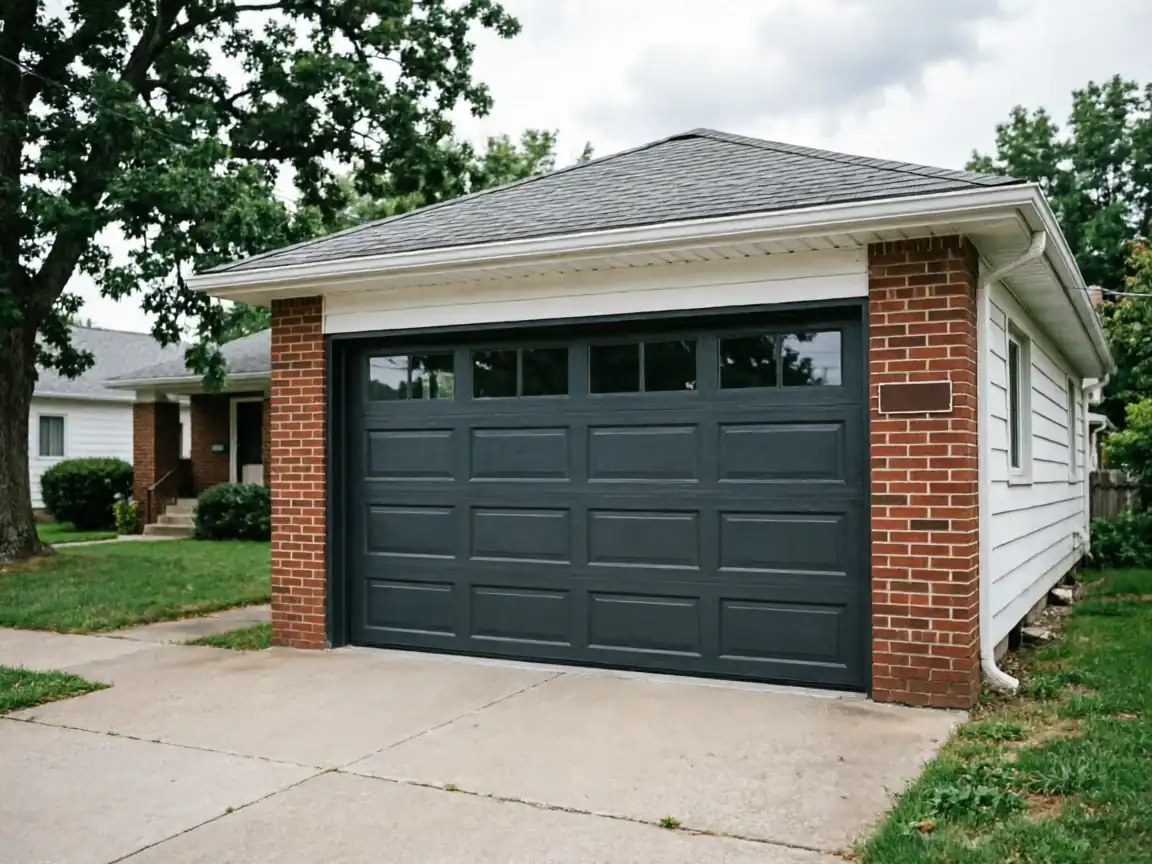
6,370 of them - which means the calls we get here aren't spread across every type of door and opener ever made. They cluster. Most houses went up around 1953, inside the wider 1938-to-2002 window for this region, and a town this size and this age tends to have the same handful of garage setups repeated block after block: torsion springs sized for a single-car or narrow double bay, steel sectional doors from a handful of manufacturers that sold through this corridor in the 50s and 60s, and openers that have usually been swapped out once or twice since the house was built.
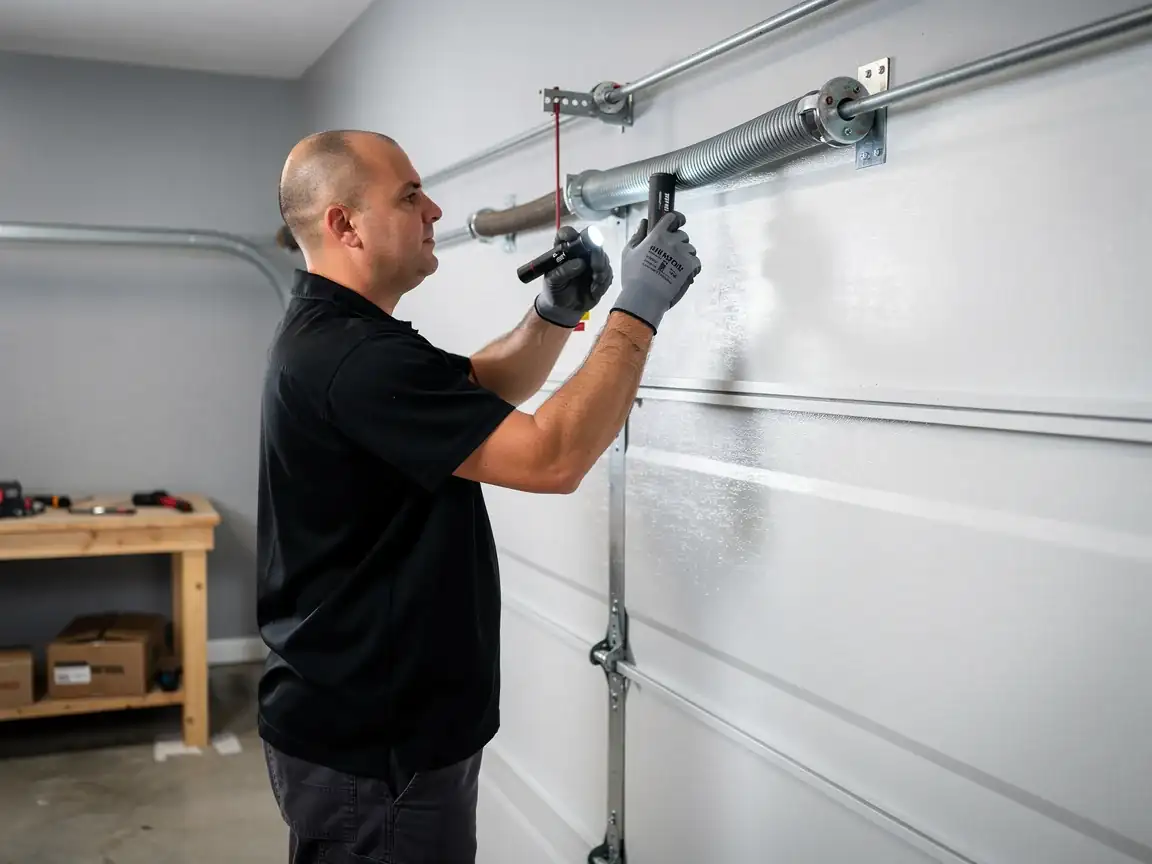
We diagnose on-site before we touch anything
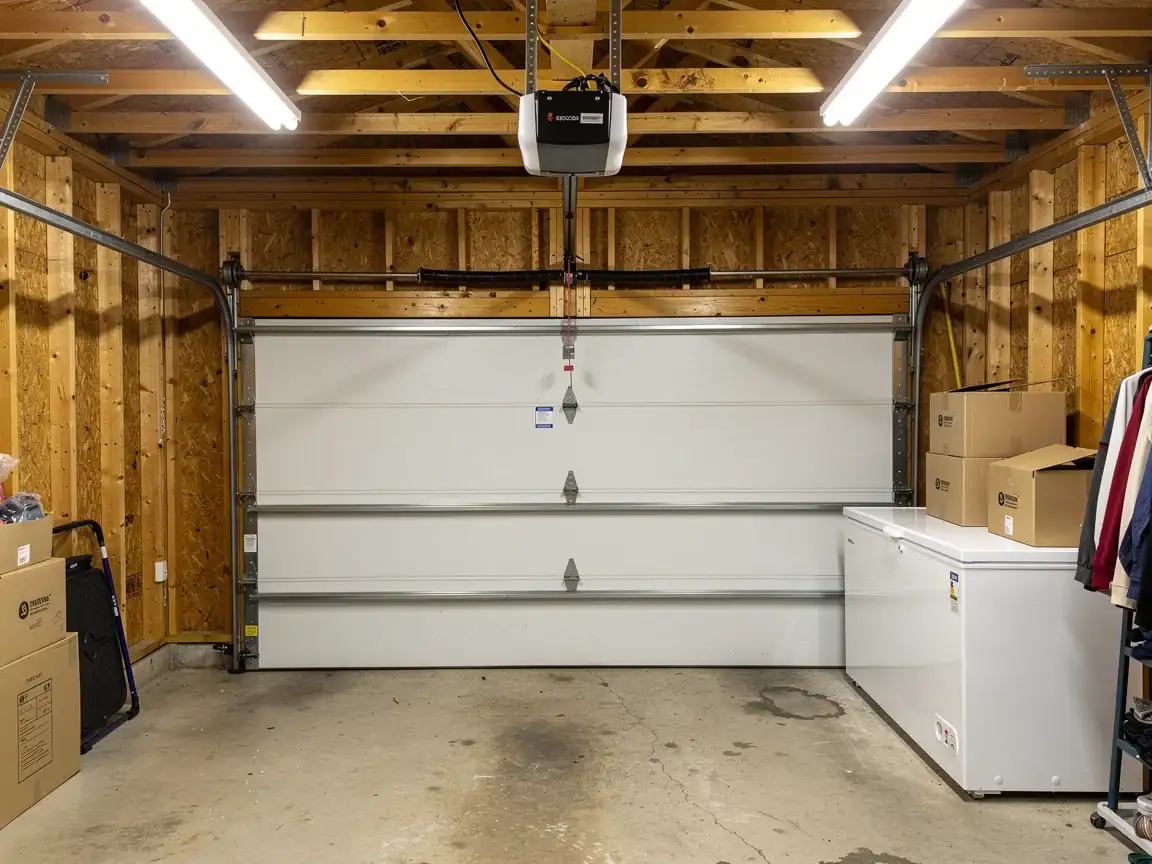
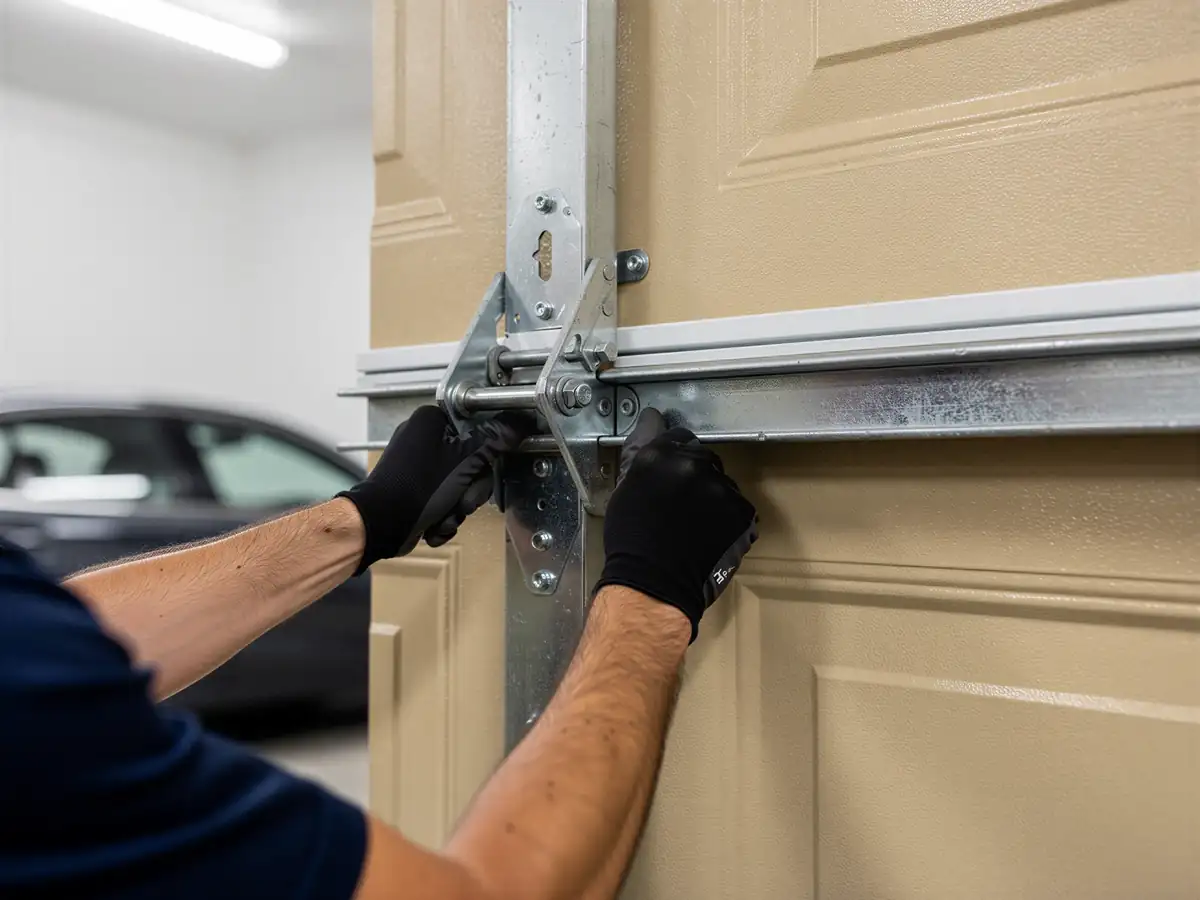
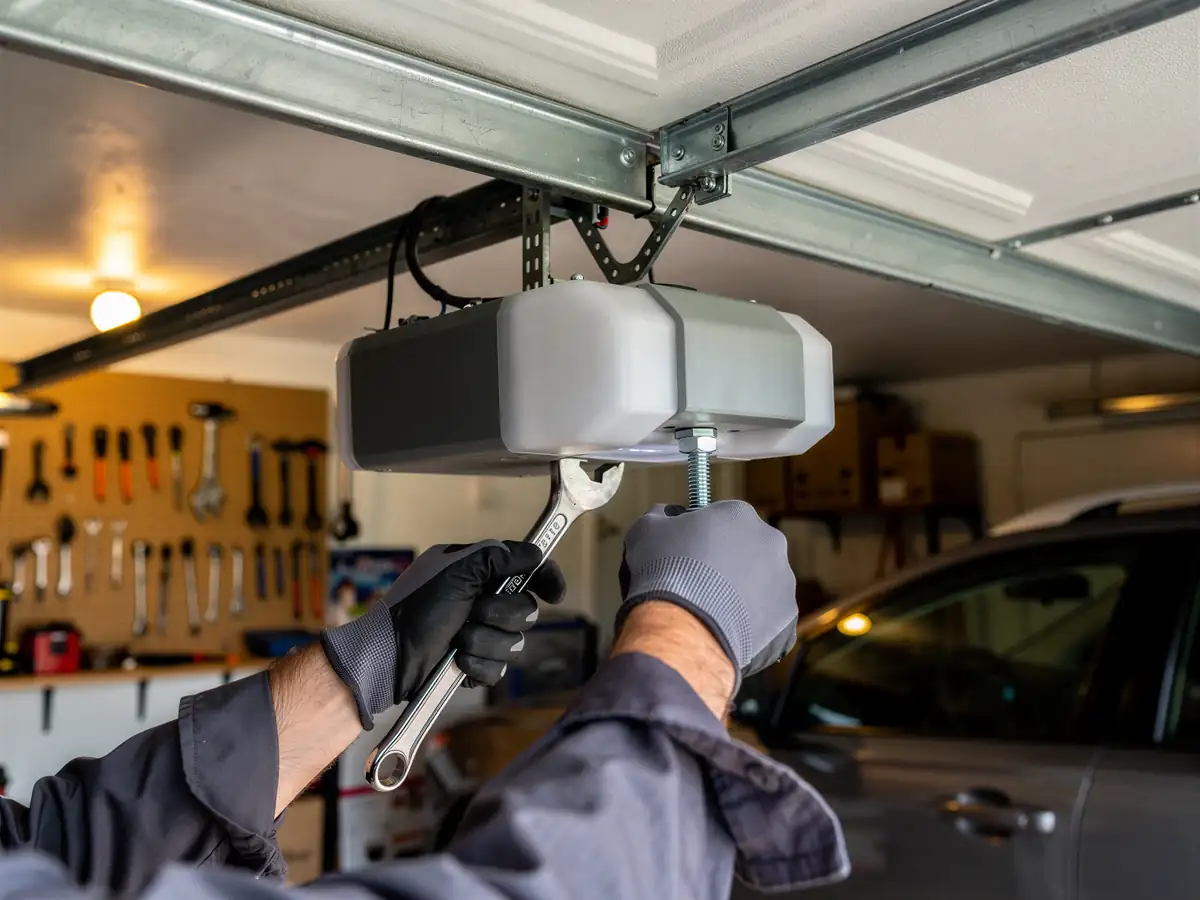
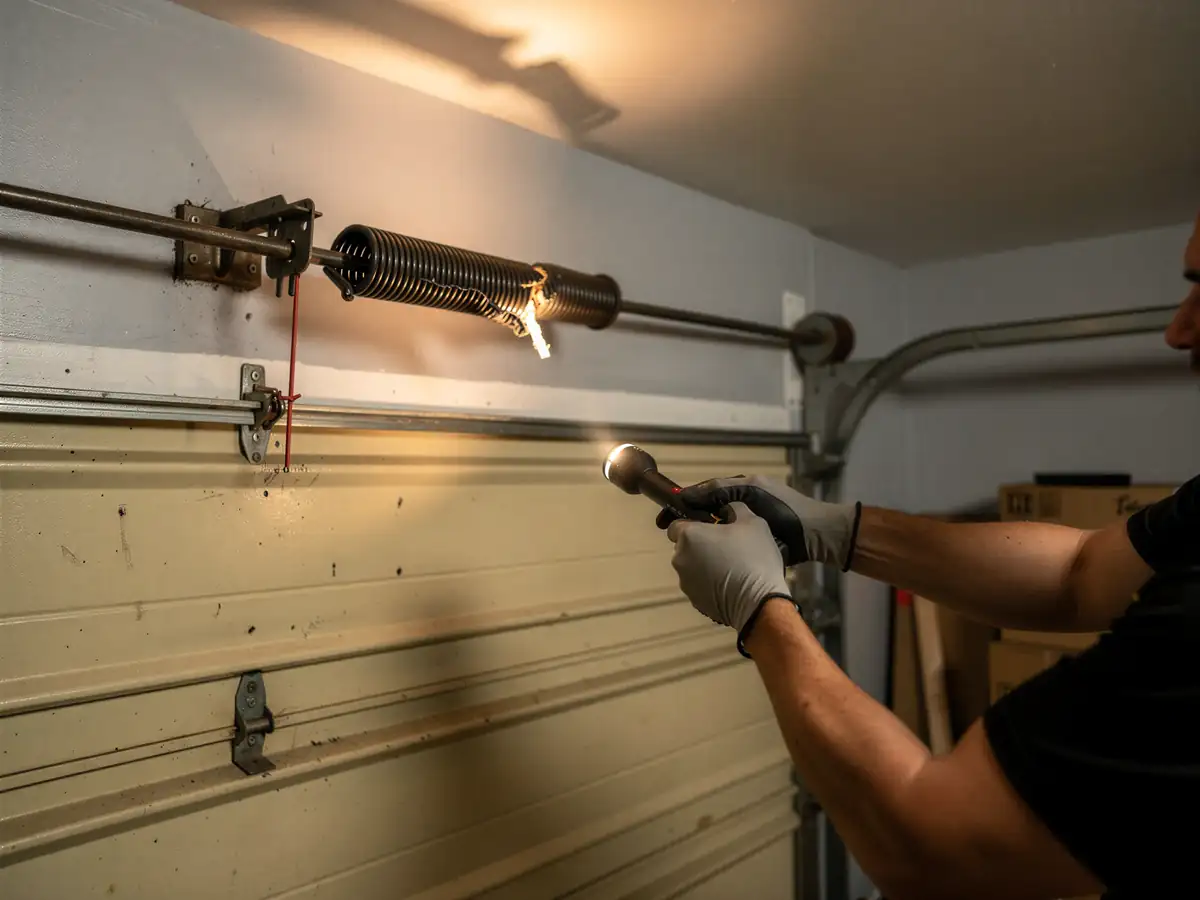
Spring wear, track alignment, cable fray, the opener's logic board if it's electronic. Because the housing stock across this part of the service area is mostly pre-1960, a lot of the hardware failures we find are age-related rather than damage-related: dry bearings, stretched extension springs, hinges that have finally given out after six decades of use. We carry common torsion and extension spring sizes on the truck and replace rather than patch worn rollers and cables, since patching that hardware rarely holds.
How Long It Takes
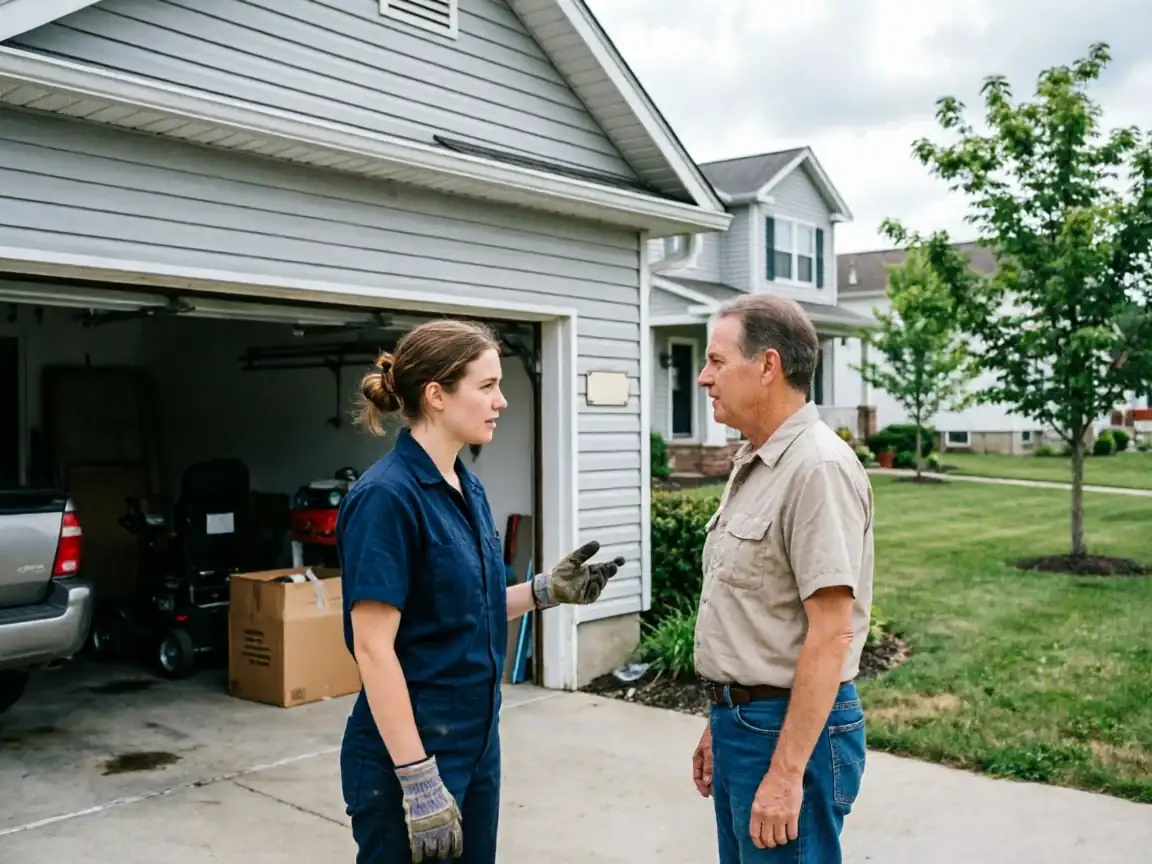
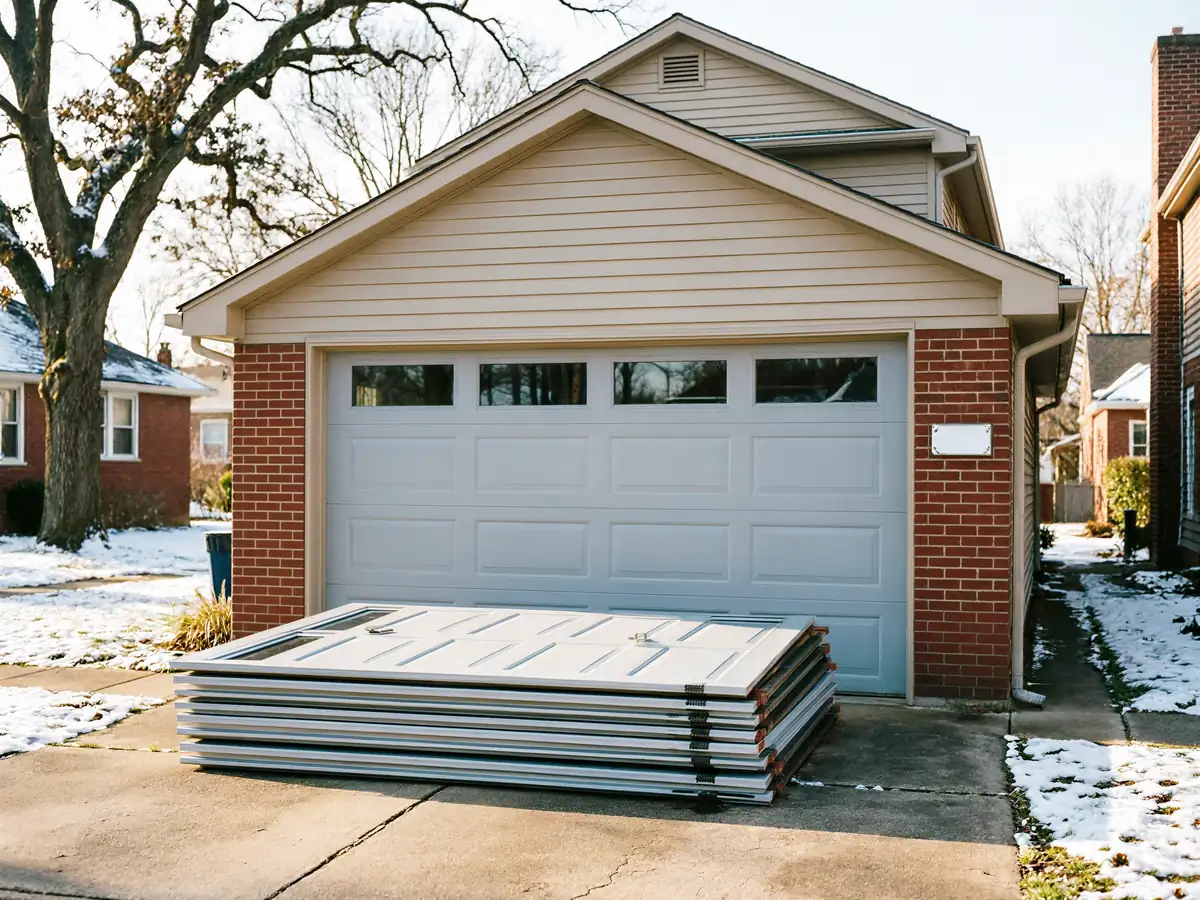
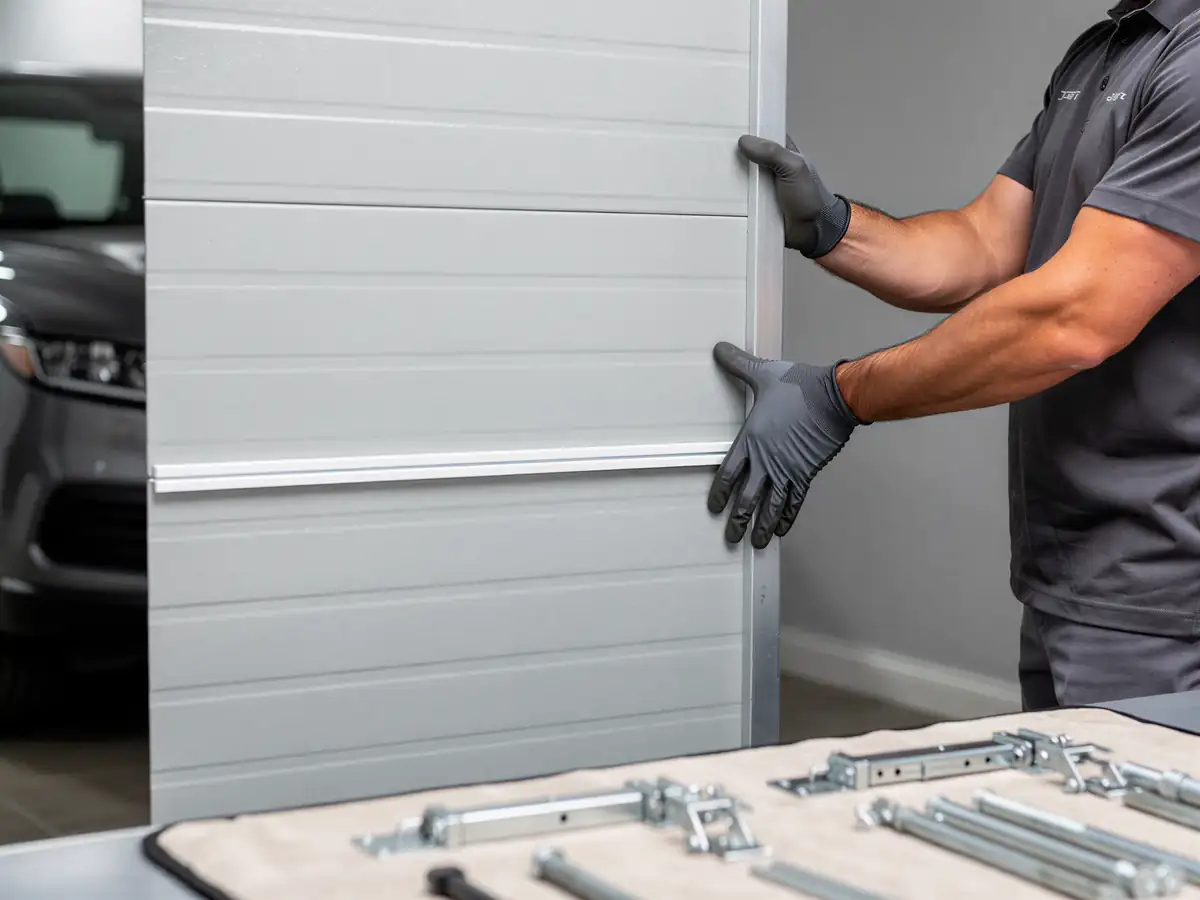
We run this job from Sterling Heights, about 12 miles out, so the drive is part of the math on timing - we don't keep a branch or a crew staged in Grosse Pointe Woods, and we won't pretend otherwise. Once a technician is on-site, most spring and opener repairs on the single- and double-bay doors common in a town built mostly in the early-to-mid 1950s take an hour or two. Full door replacements, especially on original openings that haven't been resized, can run longer if the frame needs adjustment to take a modern section door.
The variable isn't the work itself - it's scheduling the drive against the rest of the day's calls across the wider service area. We're upfront about that when you call, rather than quoting a number we can't hold to from 12 miles away.
Doing It Yourself
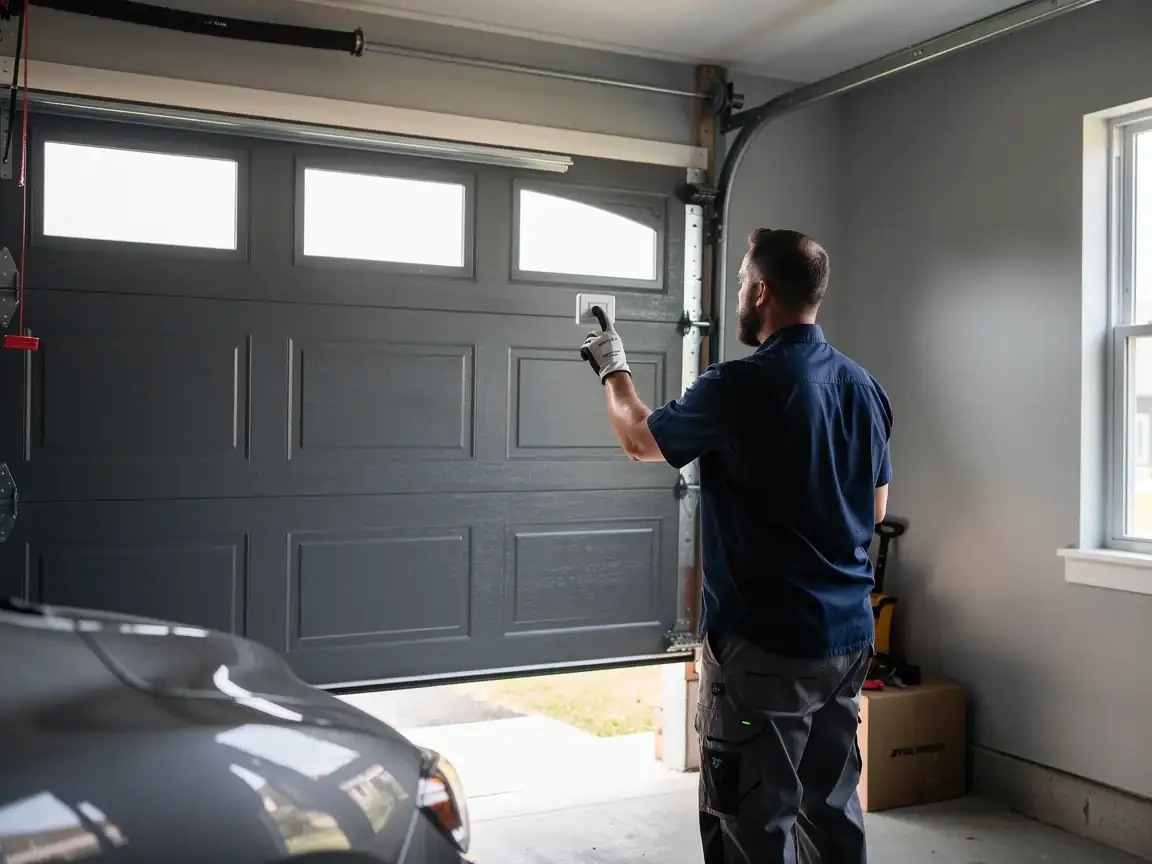
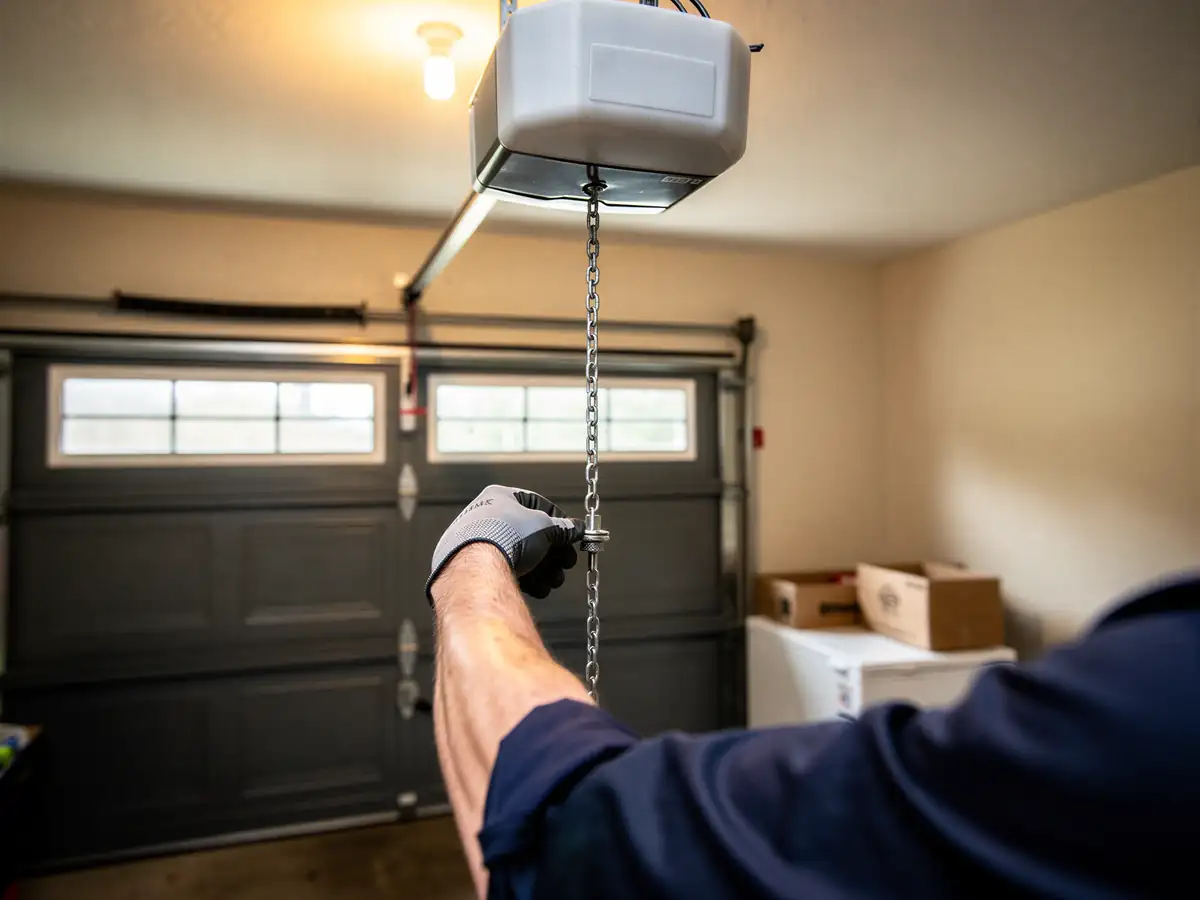
Some of what fails on a 1950s-era door is safe to check yourself. Lubricating rollers and hinges, tightening loose bolts on the track, and testing the auto-reverse safety feature on the opener are all things an owner can do without tools beyond a wrench and a can of spray lube. What you shouldn't touch is the torsion spring. On a door this age, the spring is usually original replacement stock, not the door's first spring, and the winding cones holding tension on it have had decades to corrode. We've seen that hardware let go under far less force than people expect.
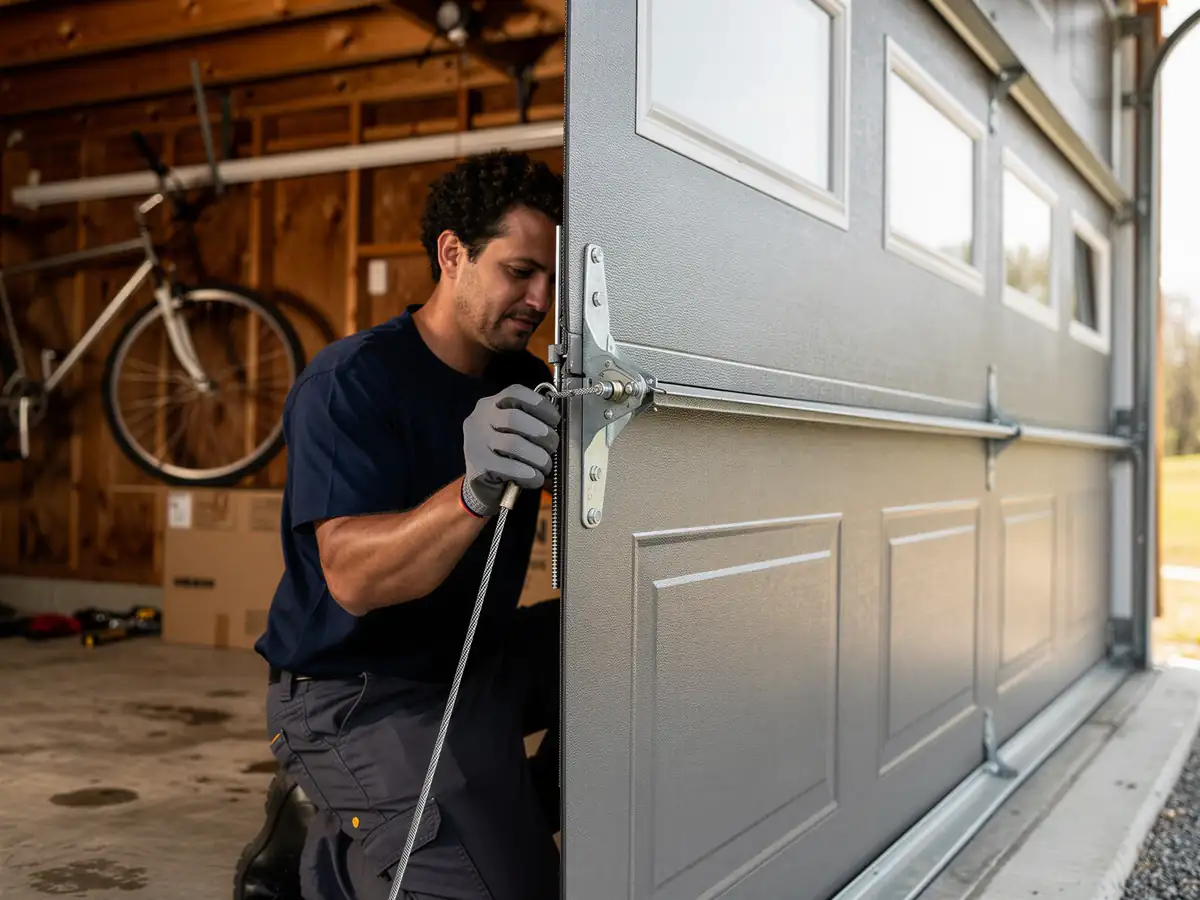
If the door won't open at all, or opens unevenly on one side, that's a cable or spring problem, not an opener problem, and it's not a weekend project. Call before you start pulling on anything that's under tension.
What It Costs
Grosse Pointe Woods carries a median household income of $129,442
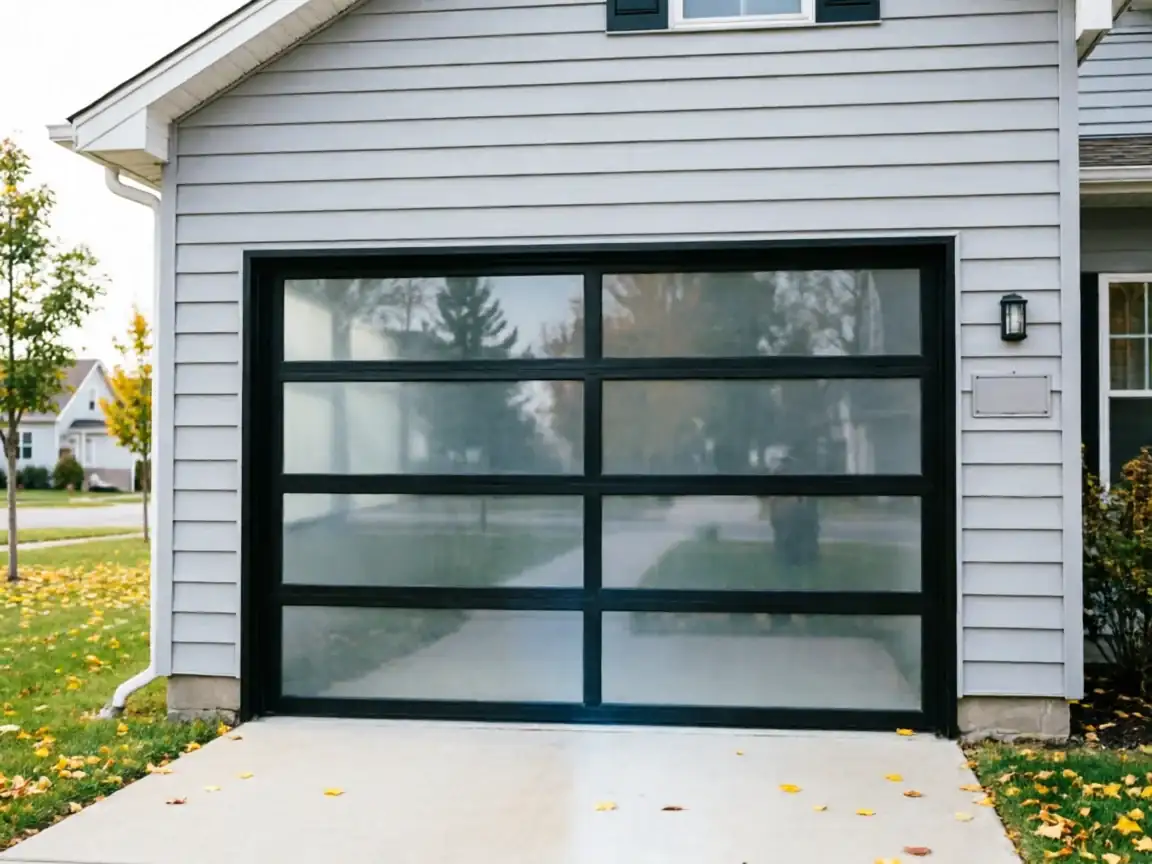
Well above the $97,027 median for the broader service area we cover out of Sterling Heights, and homeowners here tend to ask for full replacement more often than a patch job once a door's hardware starts failing piece by piece. We don't have a published price list to hand out here - job cost depends on door size, spring count, and whether the opener needs replacing alongside the door itself - but we'll quote on-site before any work starts, not after.
One honest limit: on older single-car openings that were never widened
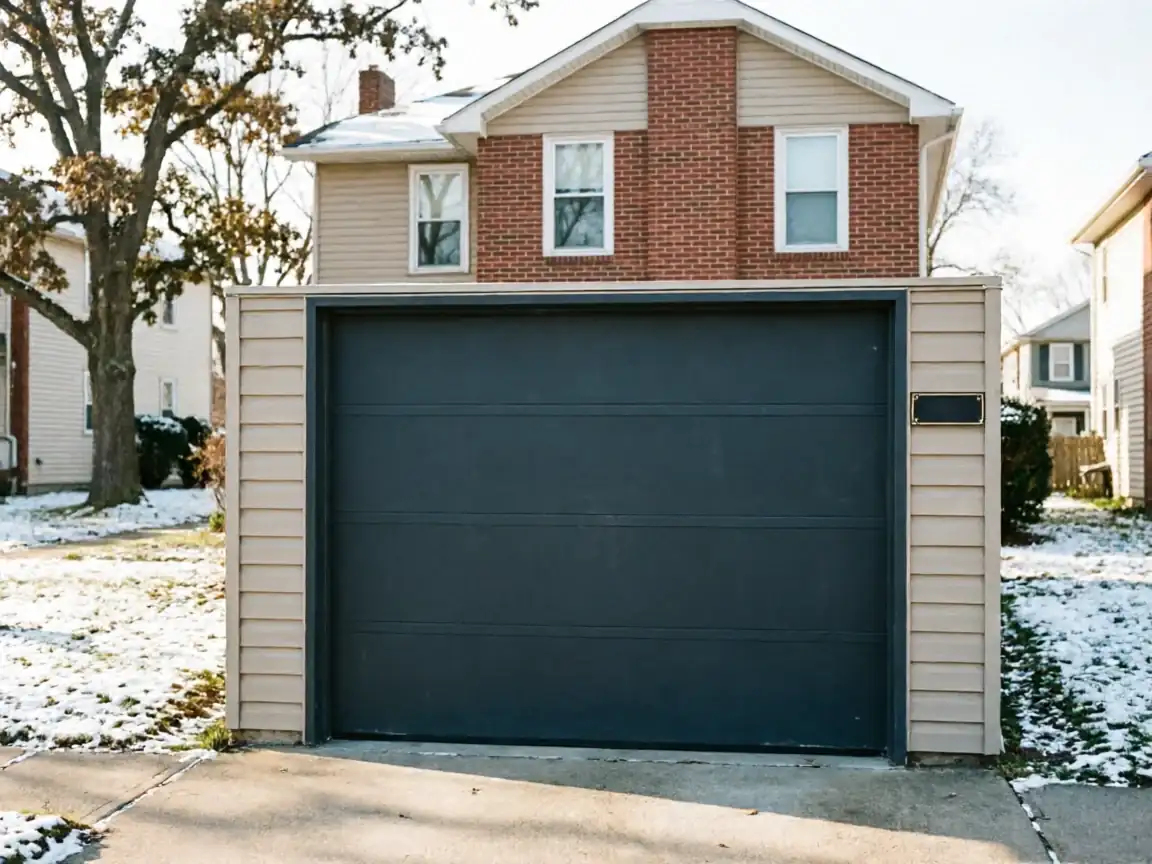
Matching a modern insulated door to the original frame sometimes costs more in carpentry than the door itself. We'll tell you that up front if it applies, rather than selling a door that won't fit the bay cleanly.
How It Shows Up
This region sits in a cold-and-severe climate band, and that matters more for a door built in the 1950s than for a newer one. Original hardware from that era wasn't built with today's weatherstripping or insulated steel sections, so winter is when the gaps show: a bottom seal that's shrunk and no longer meets the slab, a spring that's lost tension faster in cold air, an opener motor straining on a door that's heavier than it should be because the panels have absorbed moisture over the decades.
We see this pattern across the pre-1960 stock that makes up most of this part of the service area - it's not unique to one street, it's the age of the houses. Fall is the better time to catch it, before the first hard freeze finds the weak spot for you.