How We Fix It
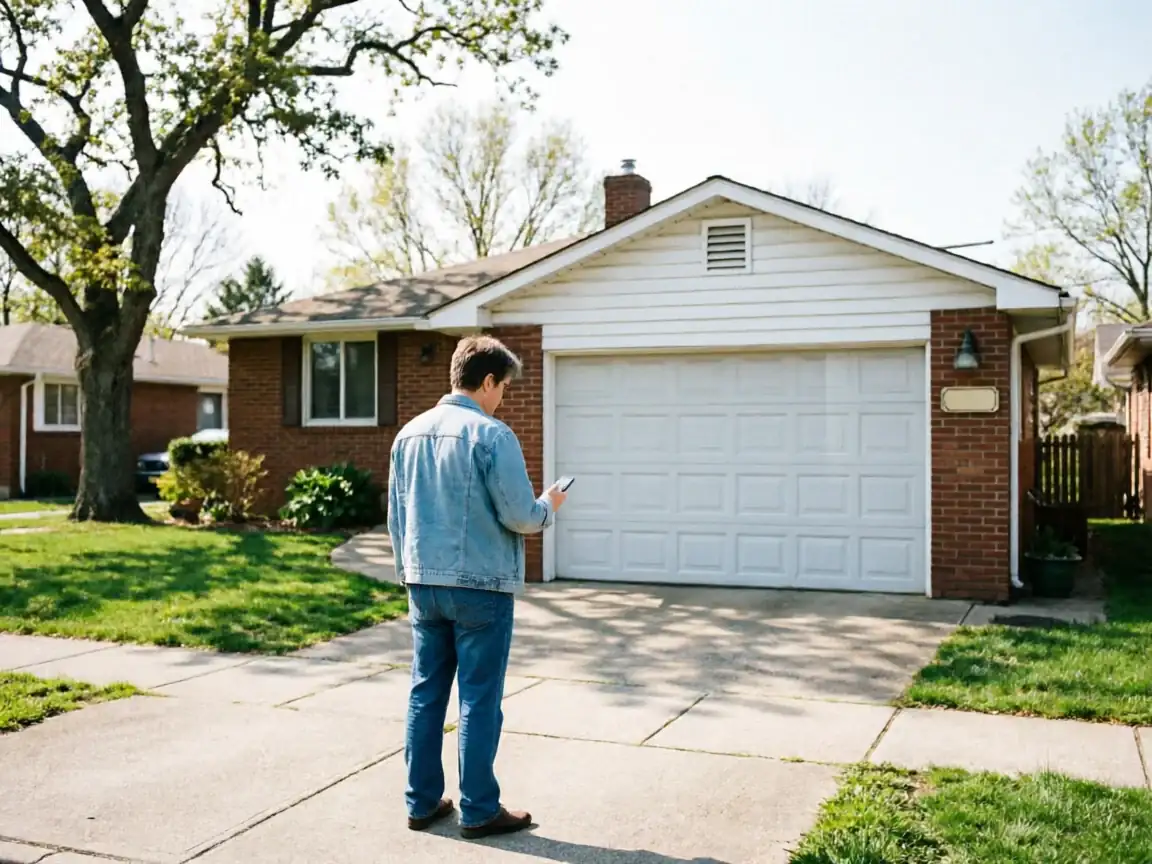
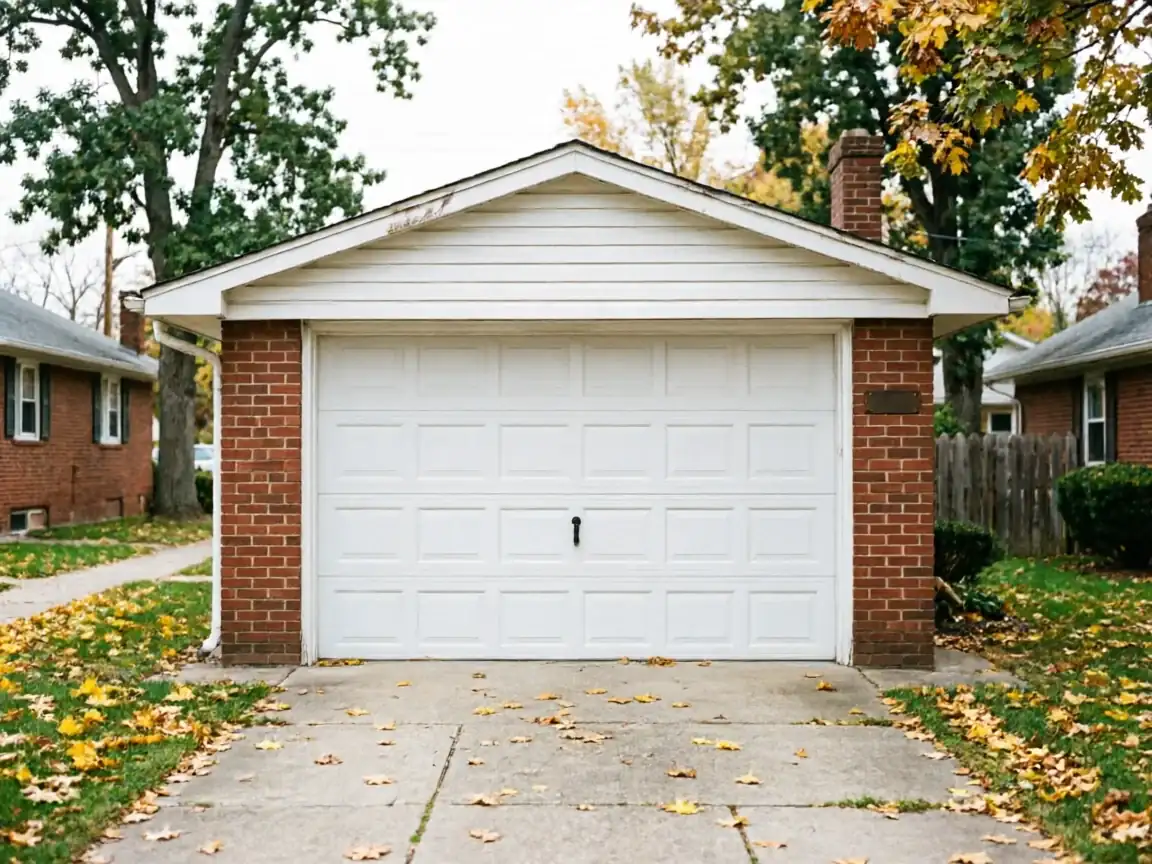
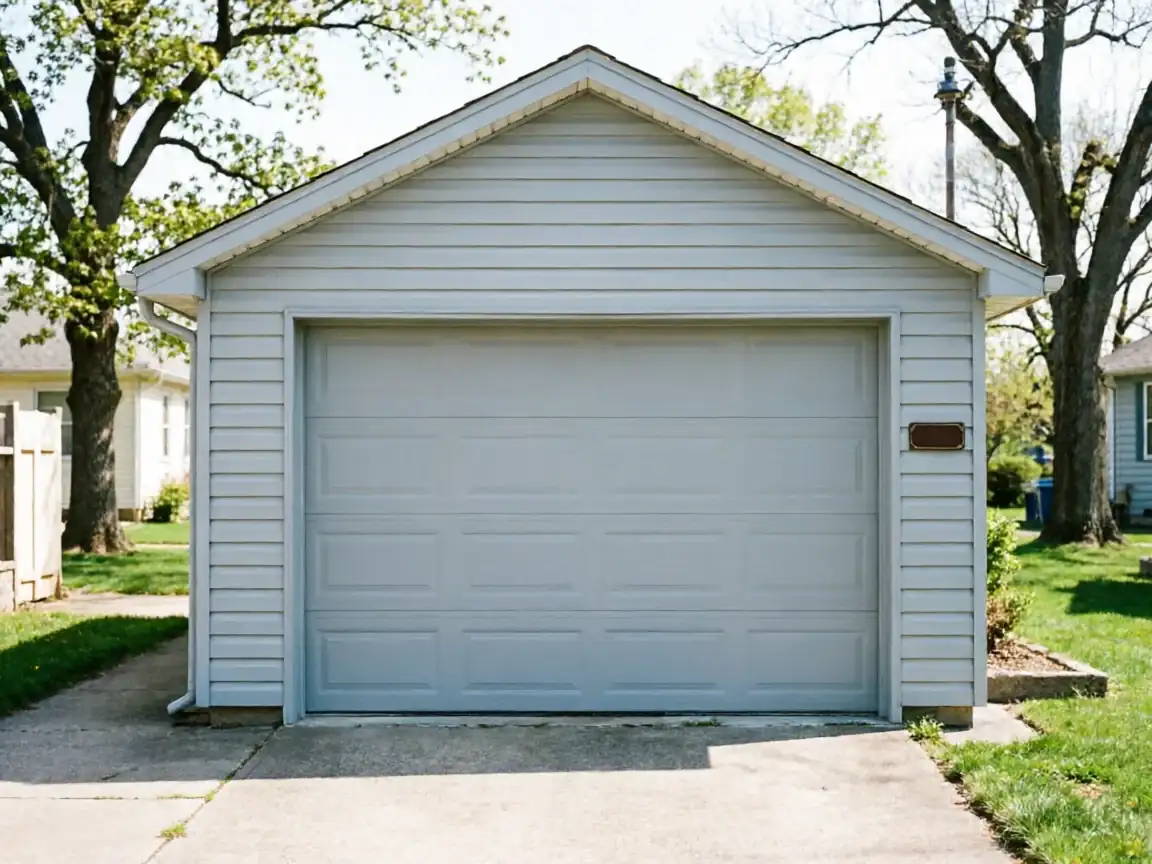
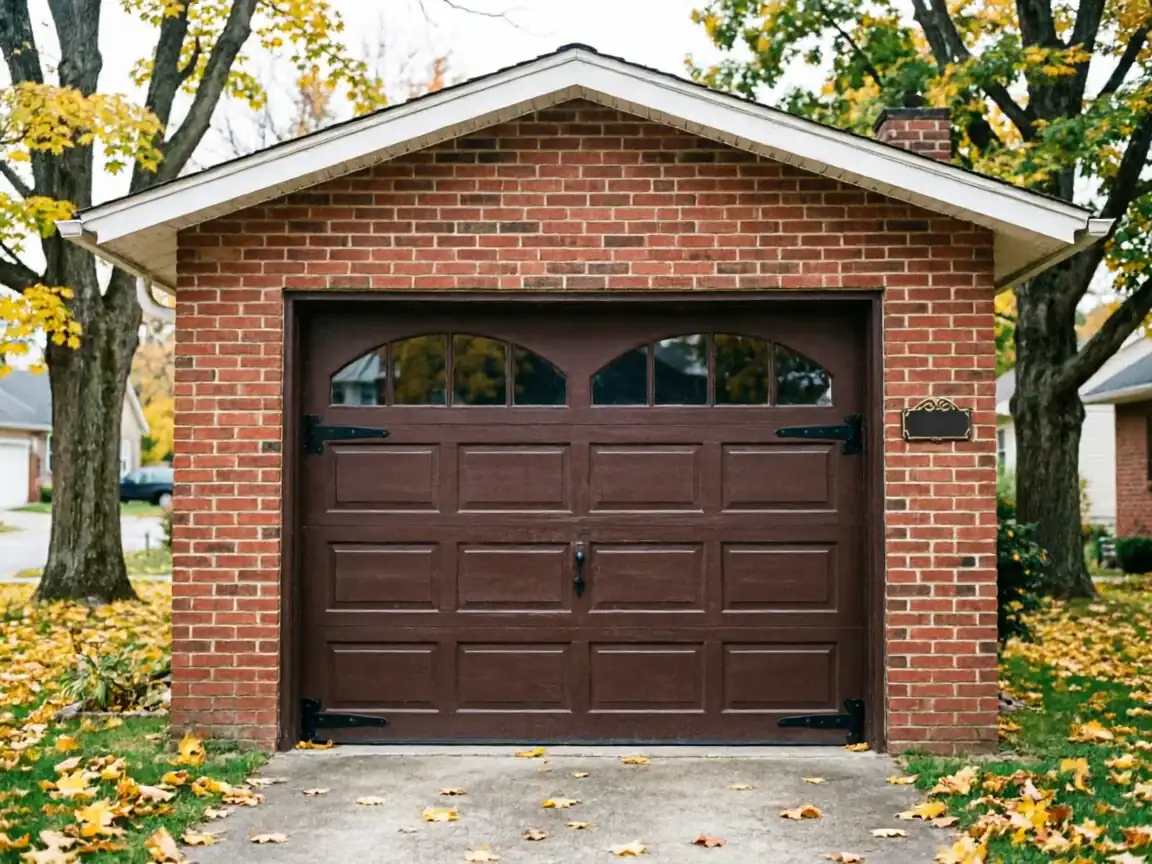
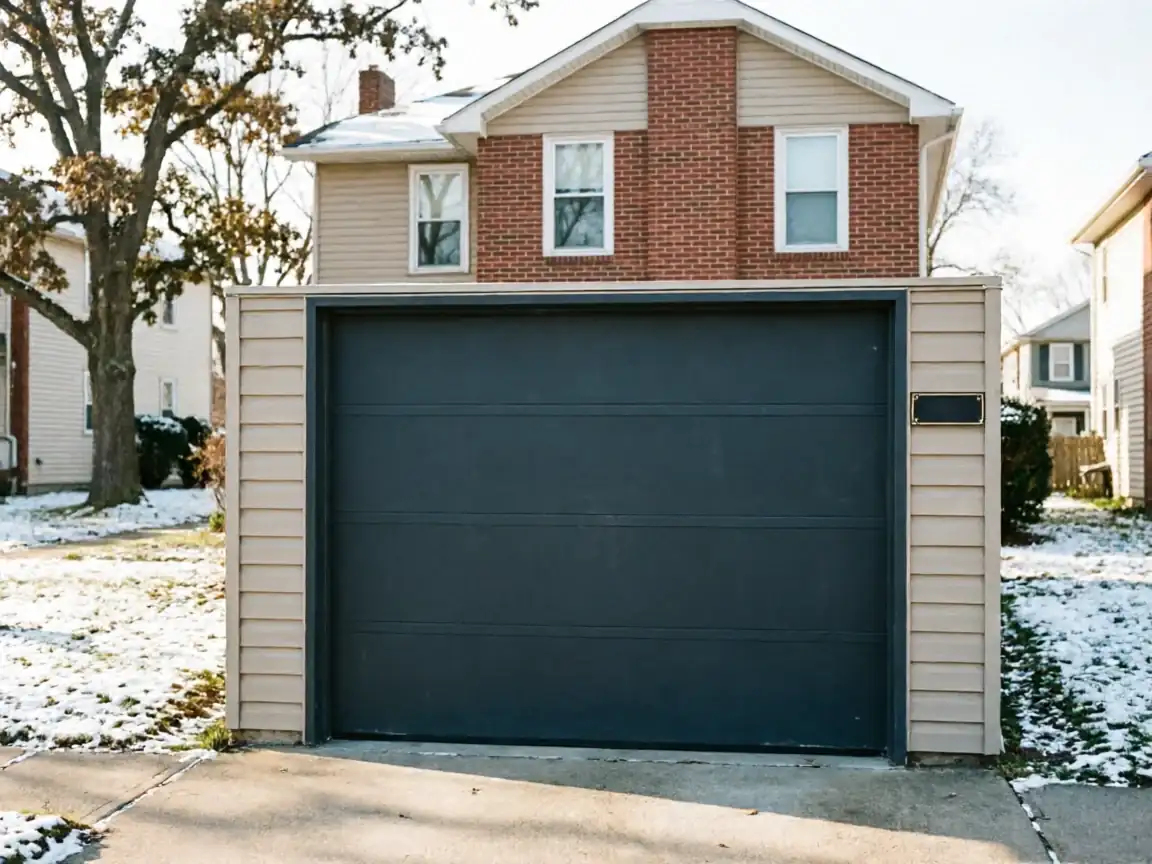
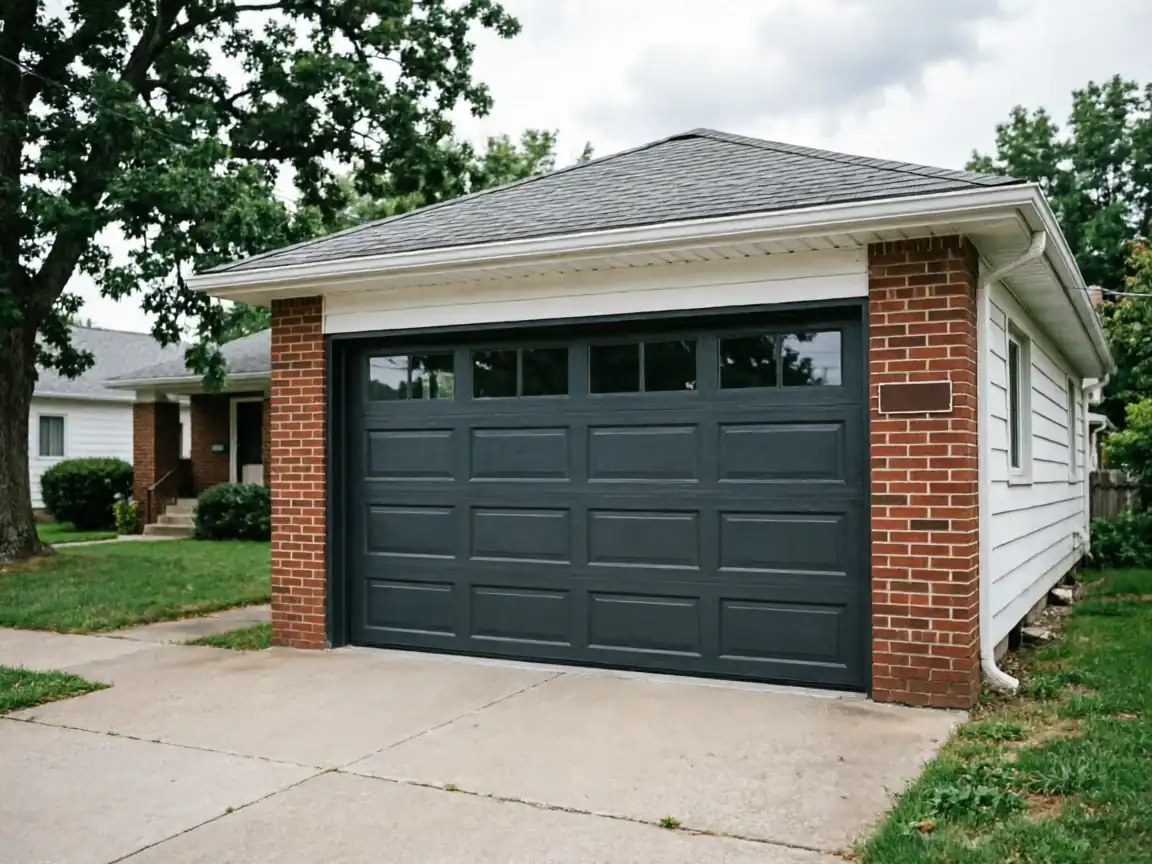
Most garages in Grosse Pointe Woods sit under houses built close to 1953
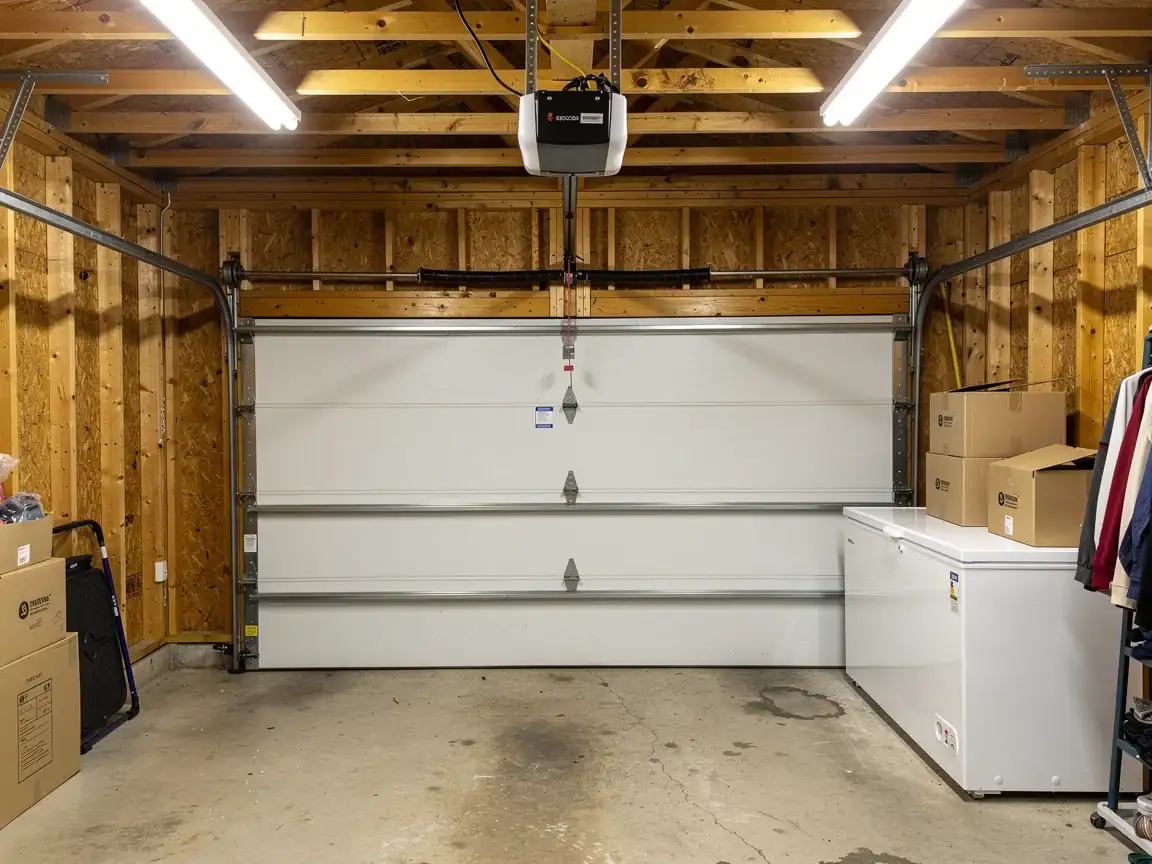
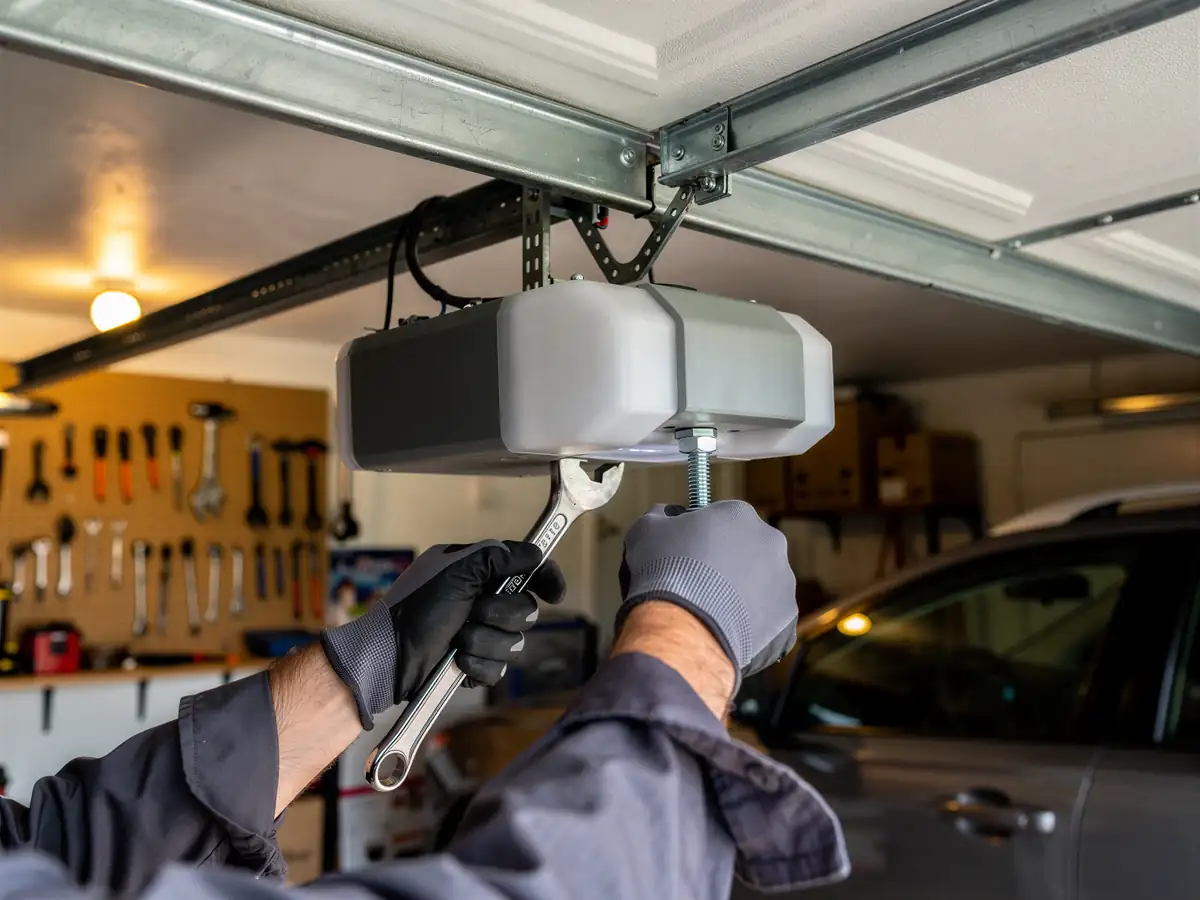
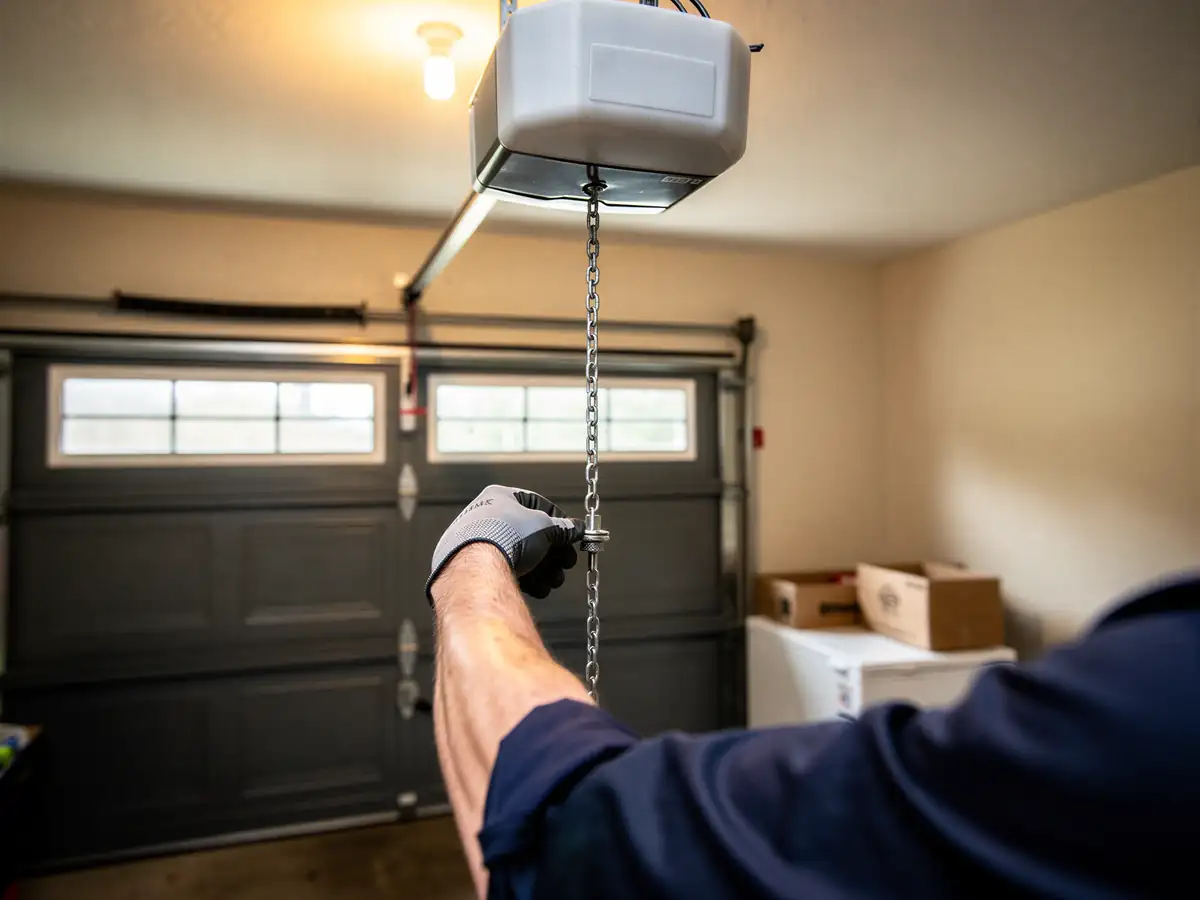
Back when a garage was an afterthought tacked onto a house, not a feature built with it. The opener in that garage is almost never original - it got added years or decades later, bolted to framing that was never engineered to carry a motor, a rail, and the vibration that comes with daily use. That's the first thing we check, before the circuit board or the logic board gets blamed for anything.
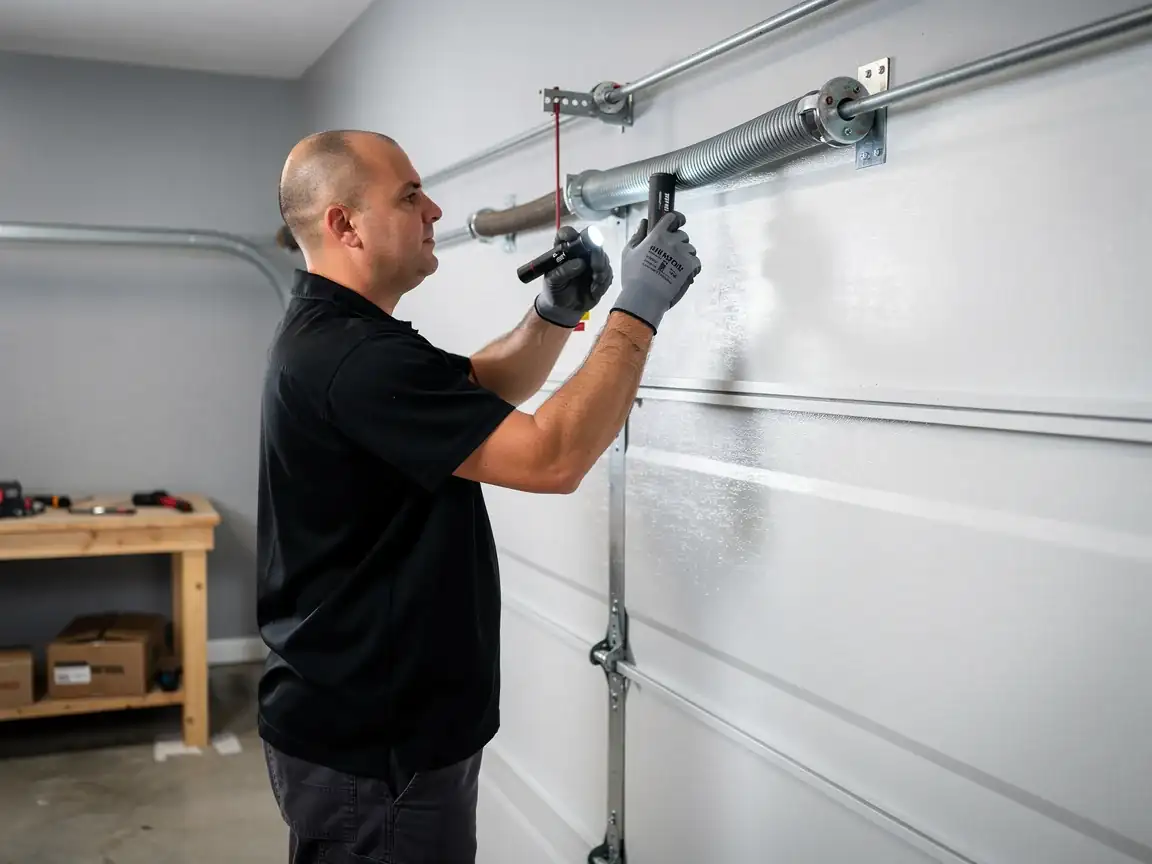
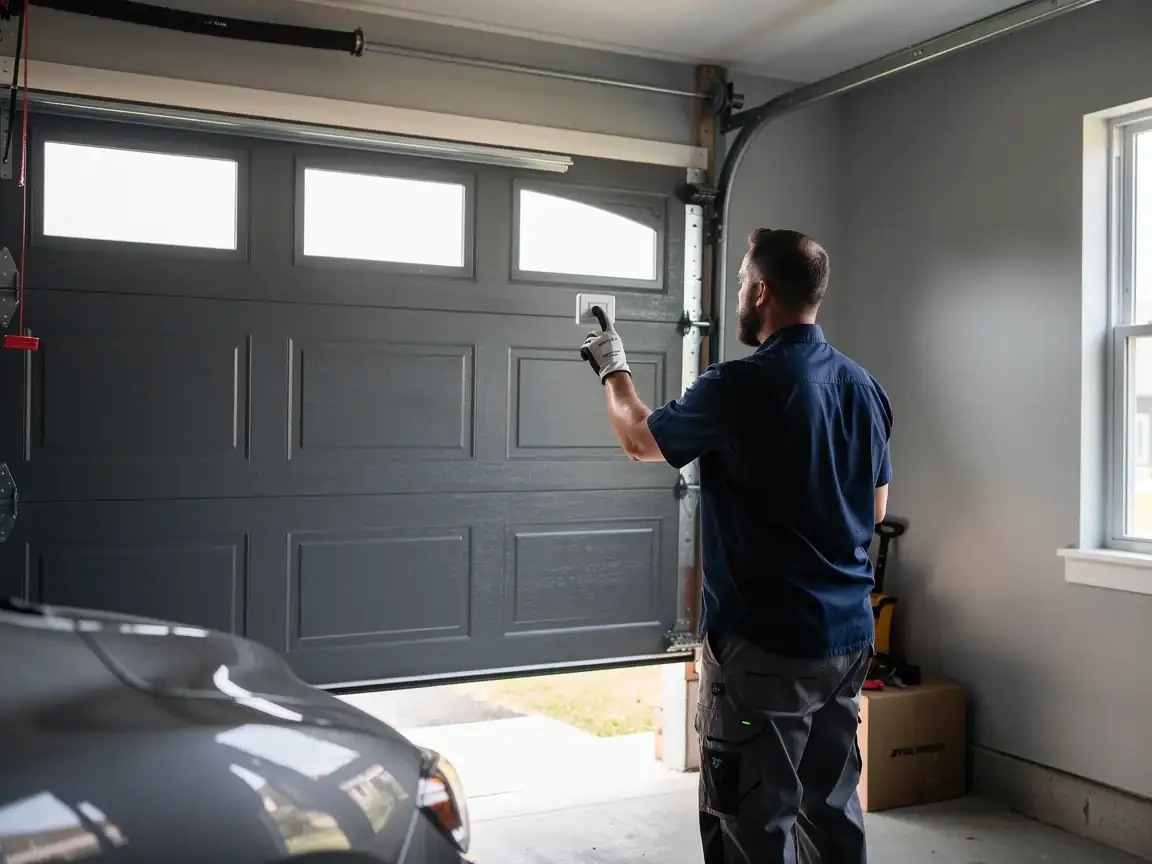
We test the travel limits, the force settings, and the safety sensors first
Because on a retrofit opener those are the parts most likely to have drifted out of adjustment rather than failed outright. If the header above the door has sagged even a little - common in houses this age - the opener will fight it every time, straining the gears to close a door that isn't moving square. We adjust what can be adjusted and replace what can't: logic boards, drive gears, capacitors, sensor eyes. We don't swap a whole unit just because one part quit, unless the unit itself is old enough that parts for it are gone.
We carry openers and common parts on the truck from Sterling Heights
So most jobs here close out in one visit.
How Long It Takes
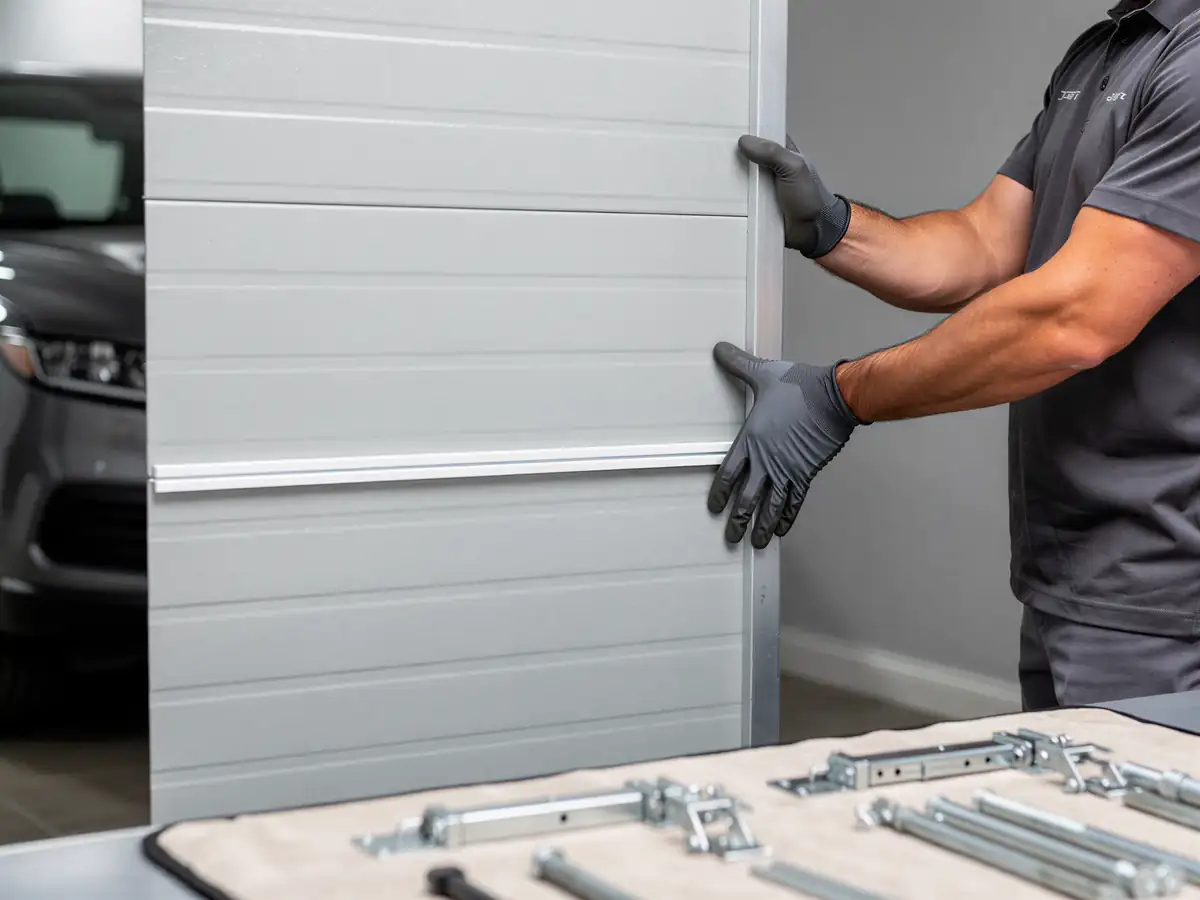
A sensor realignment or a worn gear kit is usually a 45-minute to hour-long job once we're on site. Circuit board swaps run close to that. The variable here isn't the opener, it's the drive - chain, belt, or screw - because homes from this era were often retrofitted with whichever drive was cheapest at the time the opener went in, and that part doesn't always match what a supply house stocks off the shelf today.
Cold is the other variable, and Grosse Pointe Woods sits inside a climate band the federal data flags as severe for cold. Grease stiffens, metal contracts, and an opener that works fine in July can bind or stall in January simply because the door itself is harder to move. We don't rush a winter call just because the fix looks simple in warm weather - we test it under the same conditions it's failing in.
If a part has to be special-ordered because the unit is old enough to be discontinued, that adds days, not hours, and we'll tell you that up front rather than promise a same-visit fix we can't back up.
Doing It Yourself
Reprogramming a remote or replacing a 9-volt backup battery in the opener head is reasonable to do yourself, and we'd rather you save the service call for that. Clearing the photo-eye sensors of dust or cobwebs and making sure they're pointed at each other is also fair game - a flashing light on the opener and a door that won't close is very often just that.
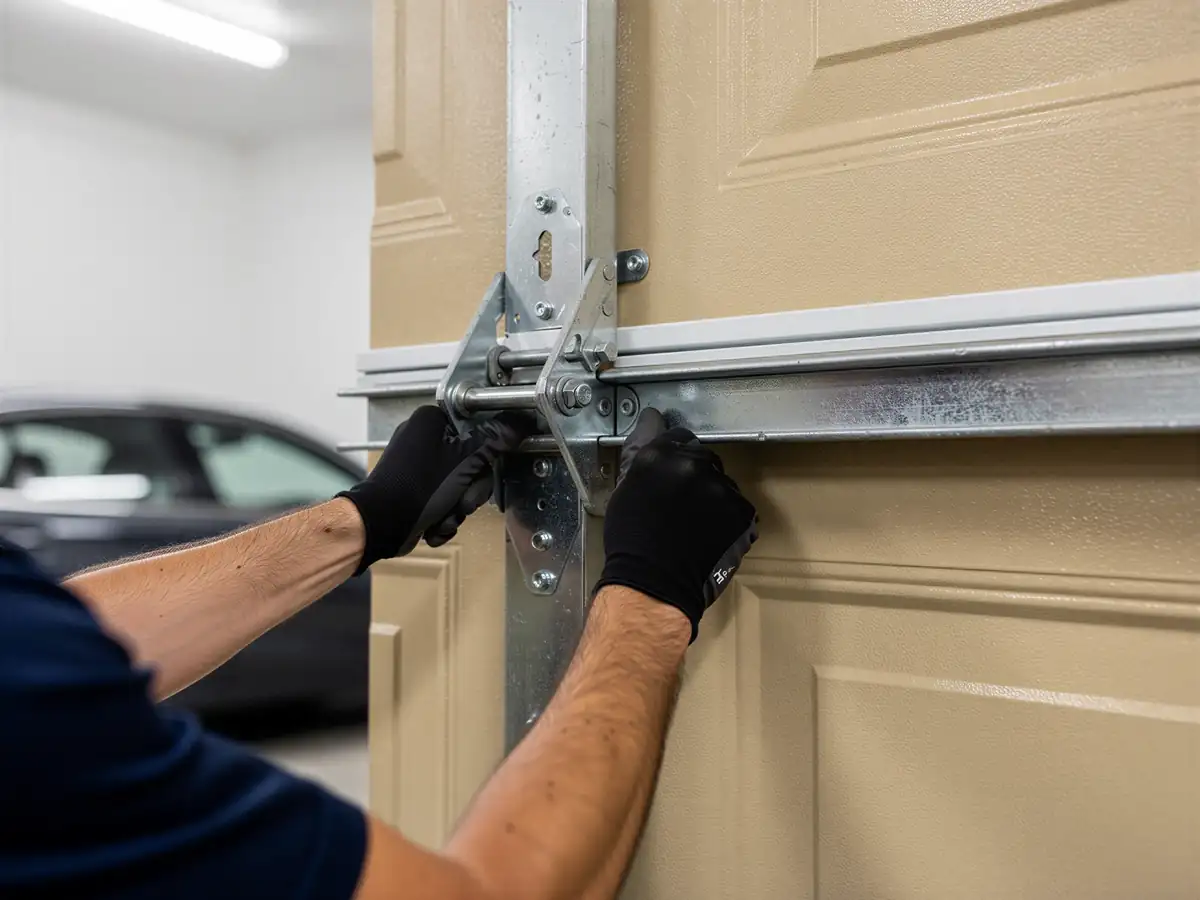
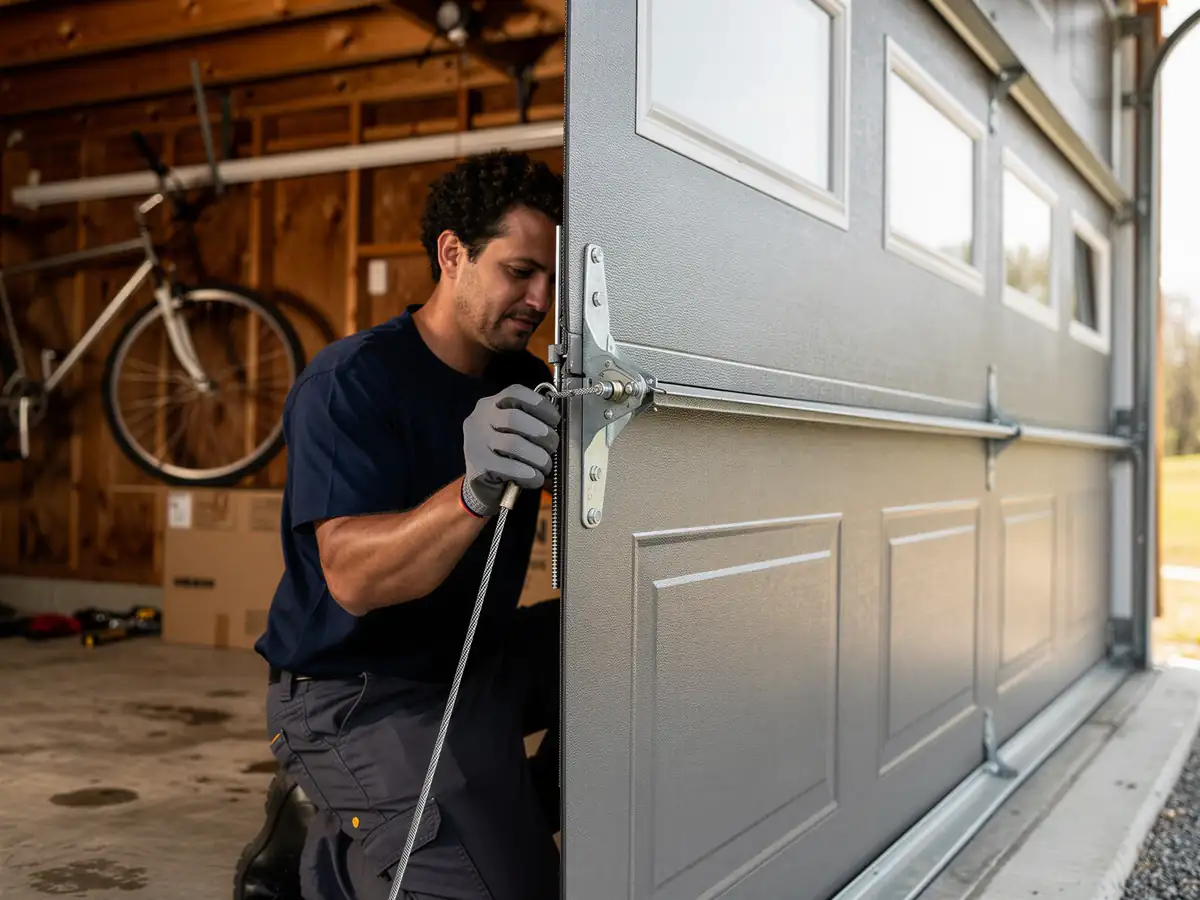
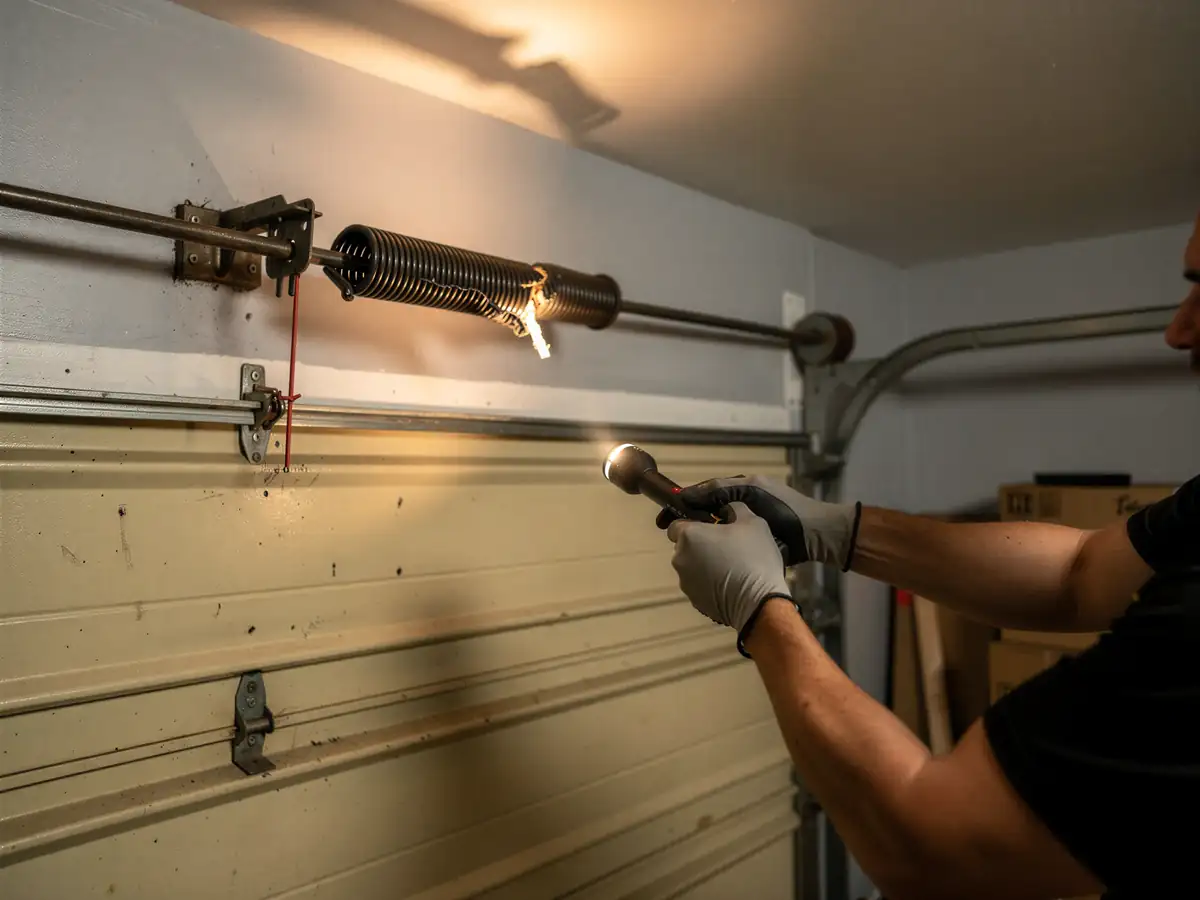
What we don't recommend doing yourself: adjusting the force or travel limit screws without knowing what you're looking at. On a door this old, with hardware that's been shimmed or adjusted by more than one owner over 70 years, guessing at those settings can make the opener slam the door into the floor or reverse it violently off the track. We also don't recommend climbing on a ladder to inspect the header or torsion spring area yourself - that's not an opener problem, and it's not a safe one to improvise.
What It Costs
We don't have a posted price list for Grosse Pointe Woods specifically
And we're not going to invent one here. What we can tell you is that cost tracks with what's actually broken: a sensor or logic board repair costs less than a full opener replacement, and a replacement on a house this age sometimes costs less than trying to keep a 30-year-old unit alive with parts that are hard to source.
Household income in Grosse Pointe Woods runs well above the broader territory we serve
The area median sits near $129,442 against roughly $97,027 across the wider service footprint - which is worth mentioning only because it shapes what kind of opener homeowners here tend to ask for: quieter belt drives, battery backup for winter outages, smartphone control. Those cost more upfront than a basic chain-drive replacement. We'll quote the job on site, not over the phone, because we don't like guessing at a price before we've seen what's actually failing.
How It Shows Up
The call usually starts the same way: the door won't close all the way, or it closes and then reverses back up for no obvious reason. On houses from the early 1950s, that's often the header flexing slightly as the opener pulls against it, tripping the force sensor the opener uses to protect against closing on an obstruction. It reads like a safety fault. It's really a framing fault wearing a safety fault's symptoms.
The other common version: the opener runs, the motor hums, but the door doesn't move. That's a stripped gear, and on an opener old enough to have been installed as a retrofit on a house this age, that gear is often a part the manufacturer no longer makes - which is the one honest limitation we'll name here. When that happens, replacement is usually cheaper and faster than hunting down a discontinued part, and we'll say so rather than charge you for the search.