How Long It Takes
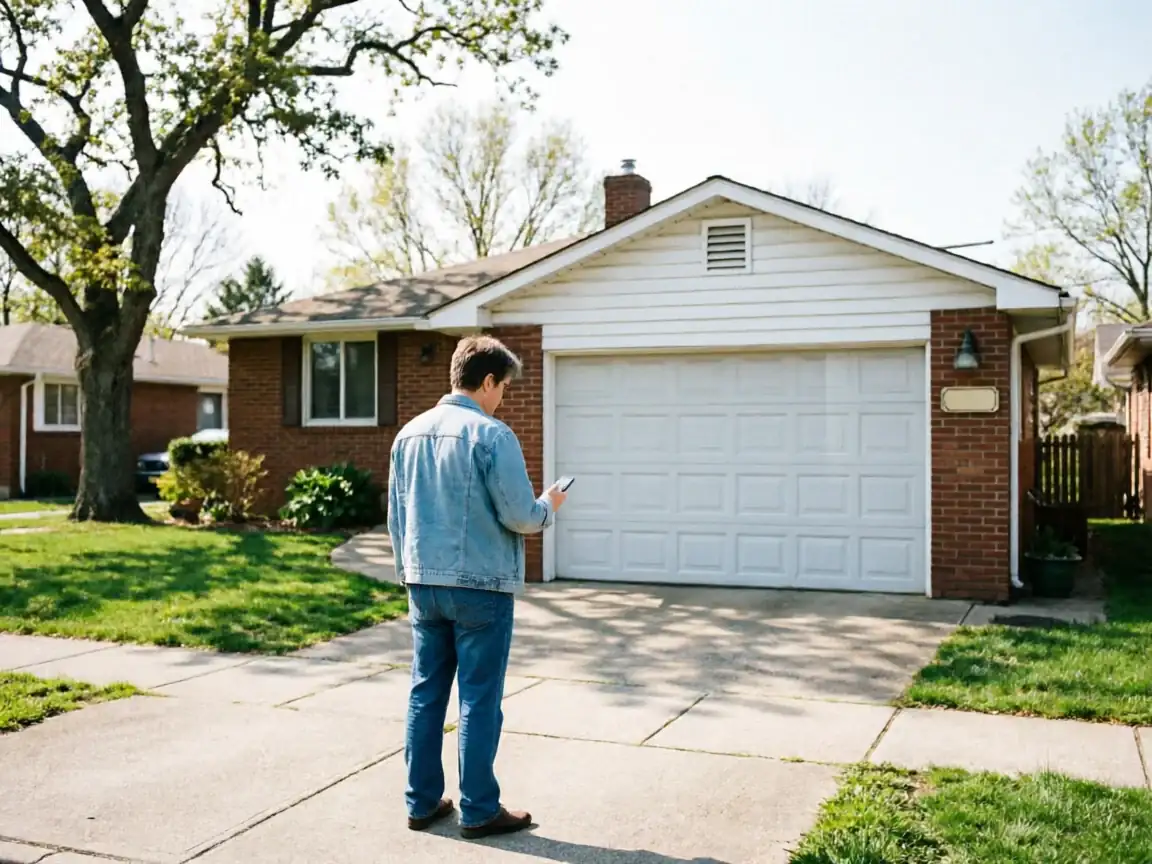
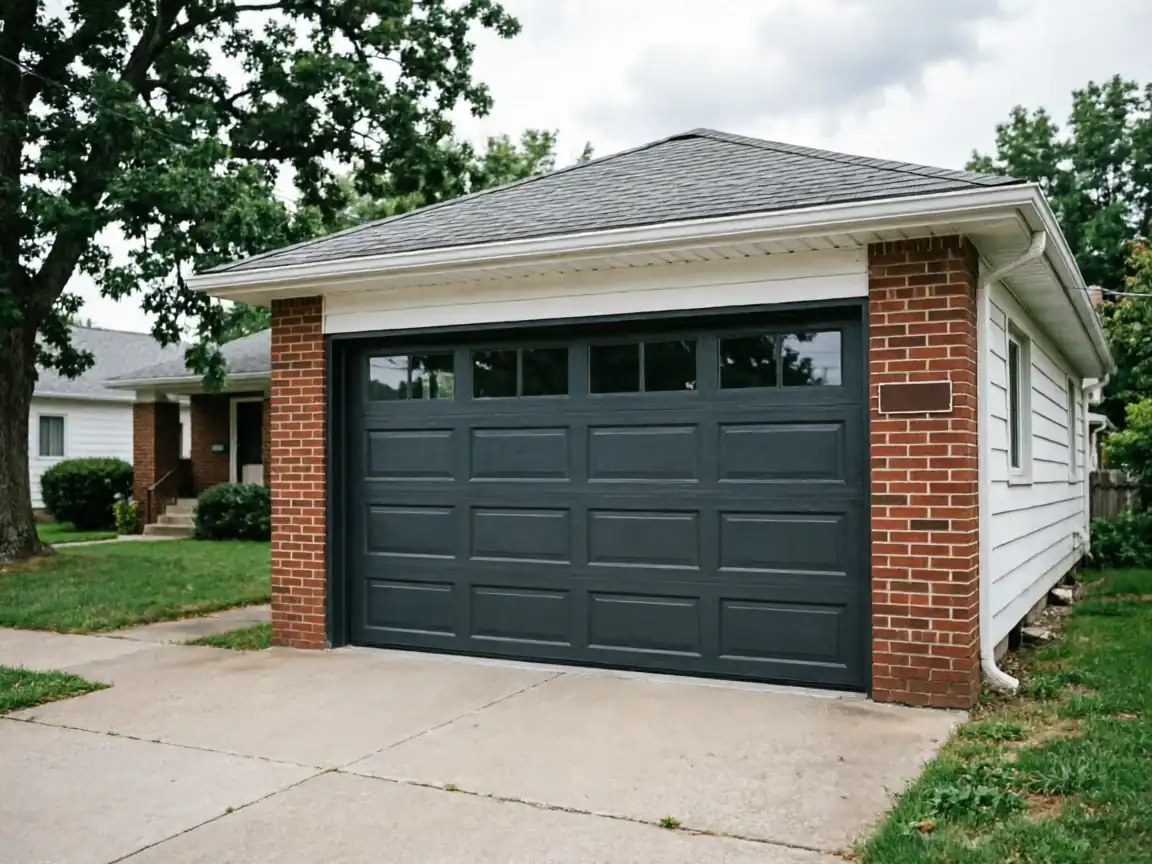
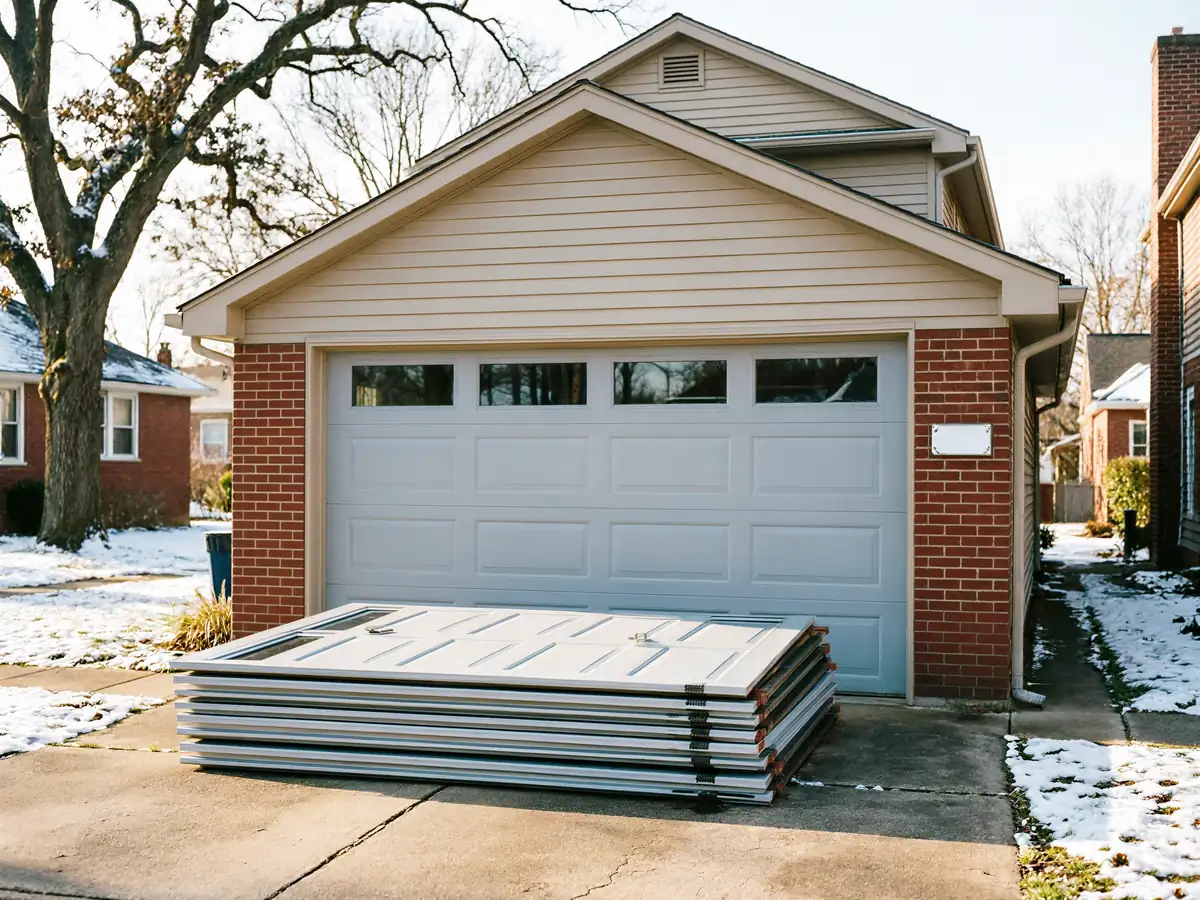
A standard single or double door swap on a house from this era typically runs one working day, door and opener included, once the unit is on the truck. What adds time isn't the door itself - it's the opening. Houses built around 1953 sometimes have a header that's narrower or lower than current door heights assume, or a slab that's settled unevenly at the threshold, and either one means framing adjustments before the new door goes in. We check this at the estimate, not on install day, so the time quote you get accounts for what your opening actually needs rather than a generic job.
Doing It Yourself
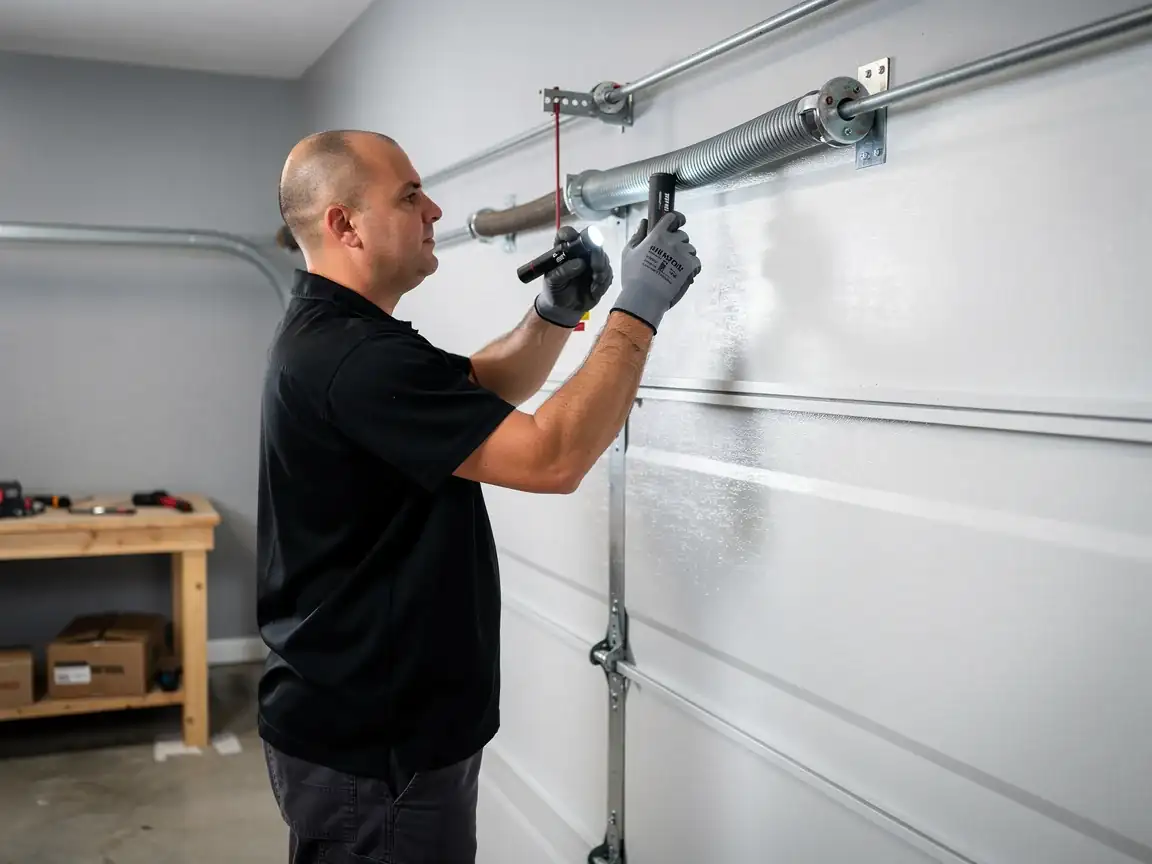
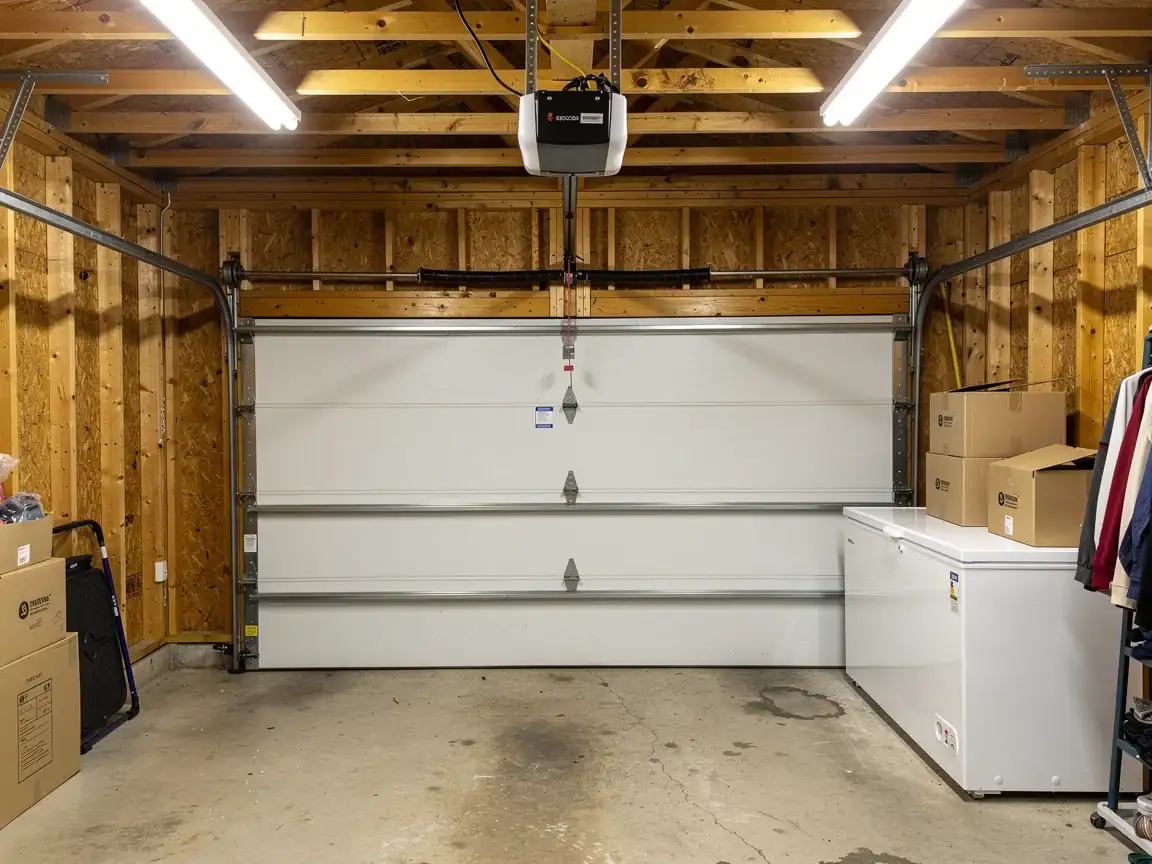
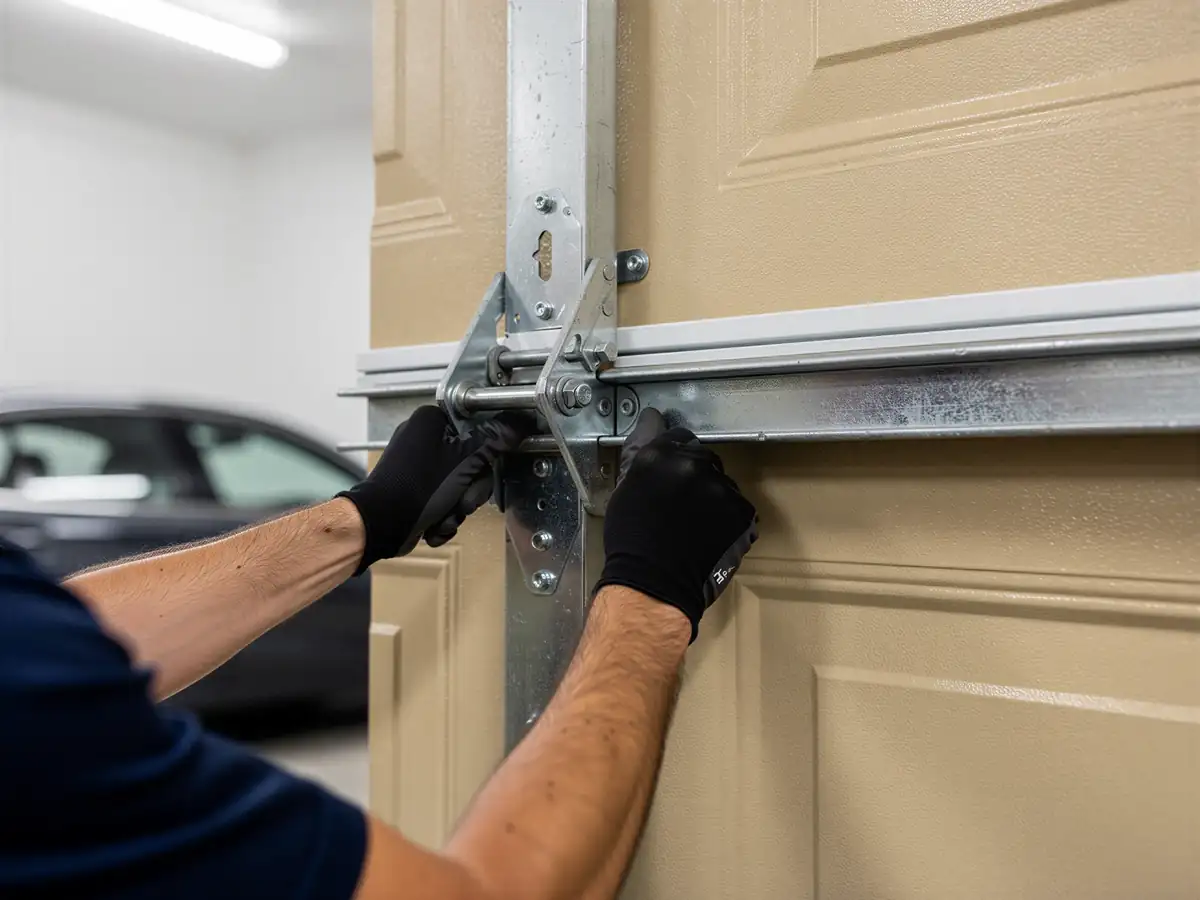
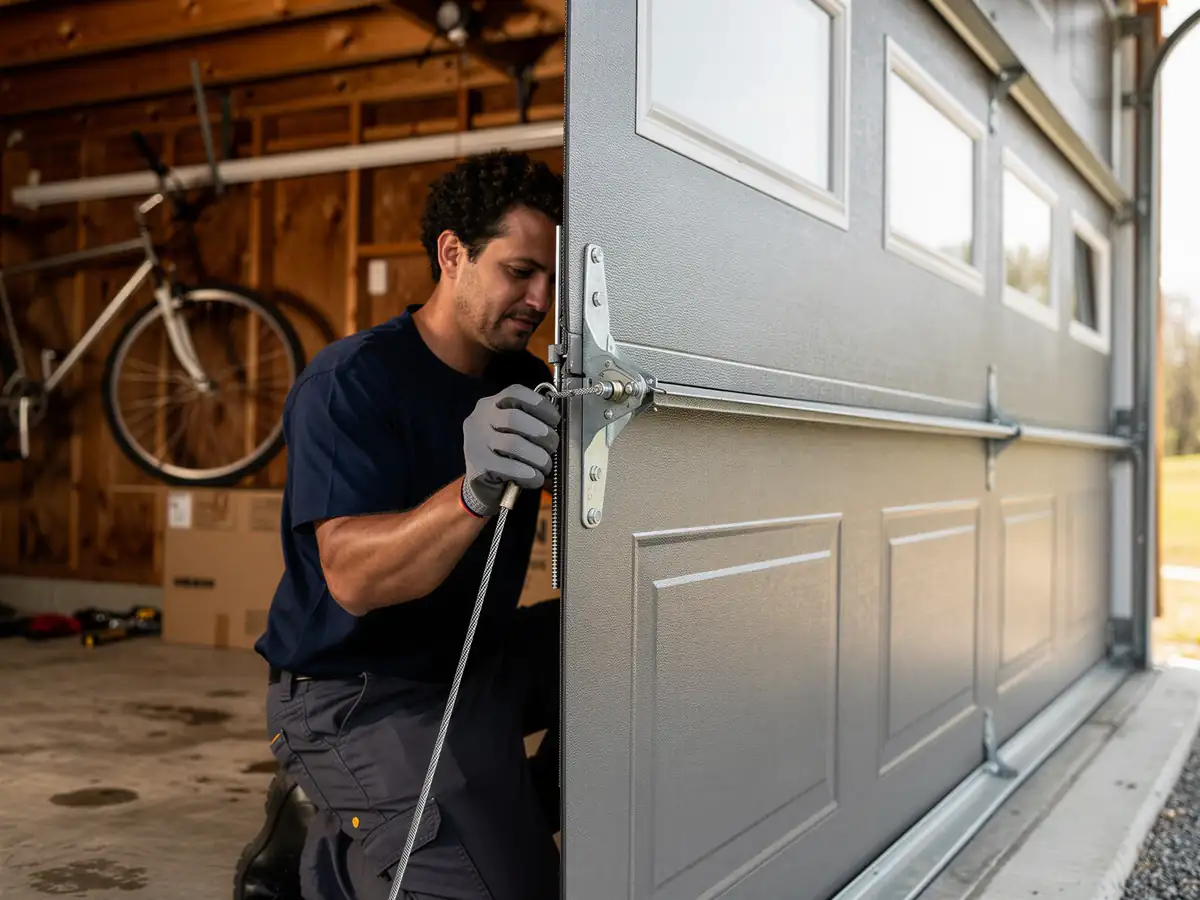
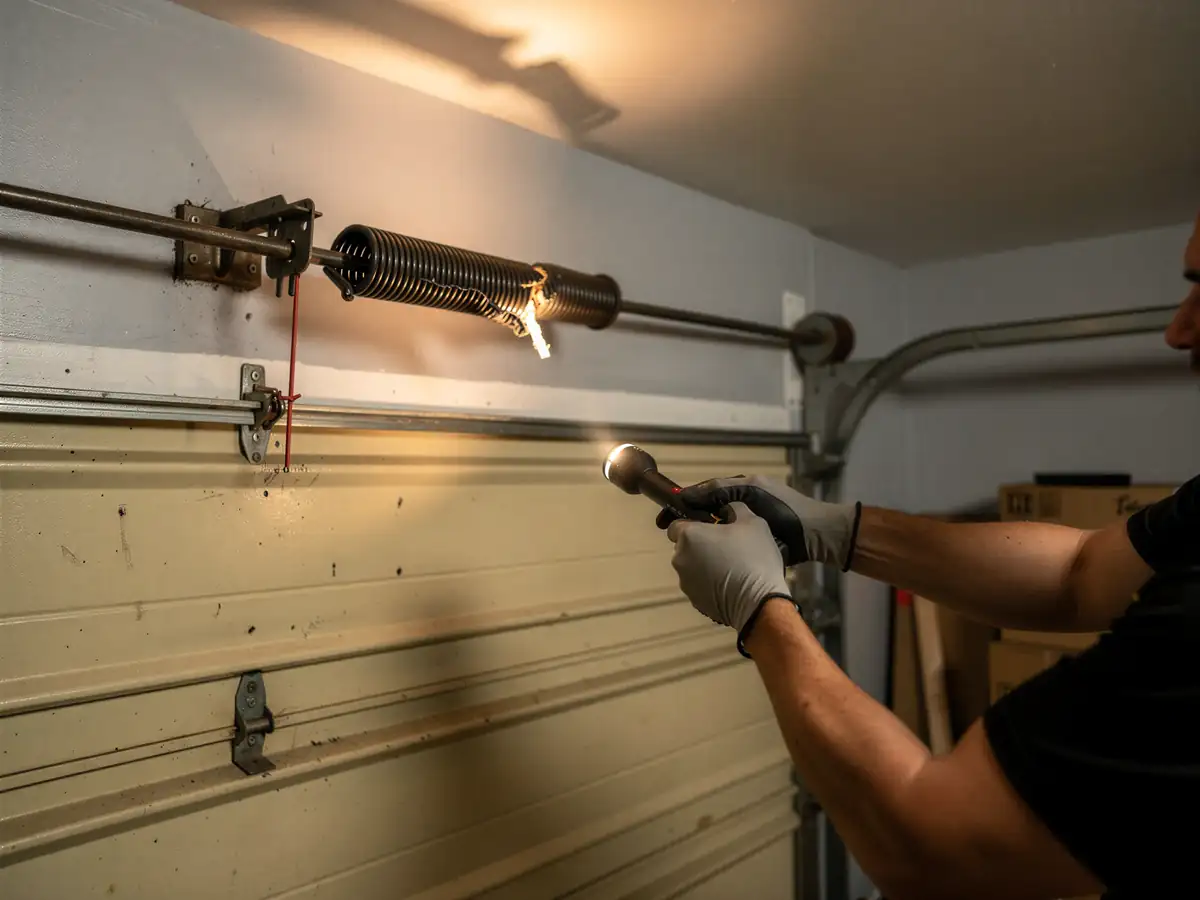
Ordering a door online and hanging it yourself is possible, and plenty of capable homeowners do it. Where it gets risky in a neighborhood like this is the torsion spring and the track alignment on an opening that was never perfectly square to begin with. A door that's out of plumb by even a half inch at the top corner will bind, wear the rollers unevenly, and strain the opener until something breaks - usually the opener's gears, not the door. If you're comfortable with the mechanical work and have a second set of hands, the panel-hanging part is doable. The spring tensioning and the final track alignment are where we see the most DIY jobs go sideways, and that's also where the injury risk actually lives.
How It Shows Up
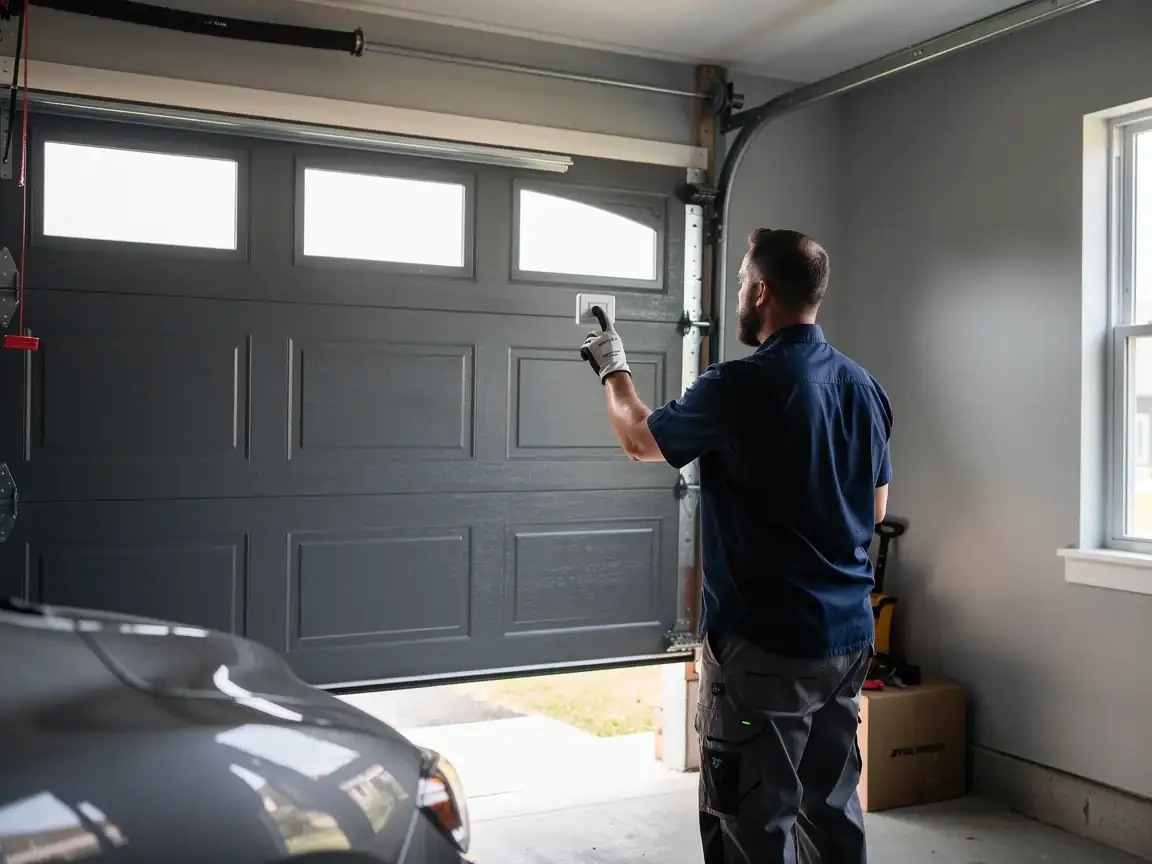
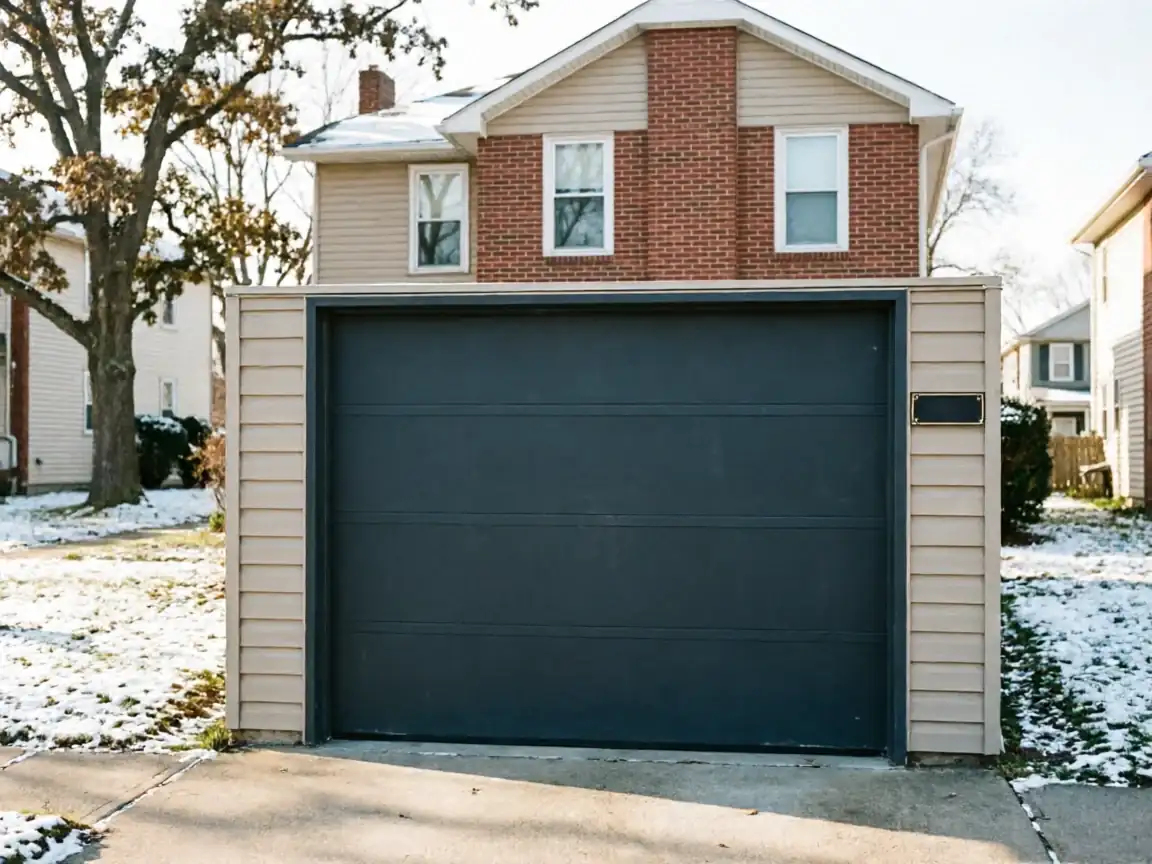
This area sits in a cold-climate zone, and a door built or installed decades ago usually has no insulation at all - just a single steel or wood skin. On a house from the early 1950s, that often means a garage that runs noticeably colder than the rest of the house, with moisture collecting on the inside of the panel in winter and the weatherstripping at the bottom long since cracked and gapped. A new installed door with insulated panels and a proper bottom seal cuts that draft and condensation substantially. It won't make an unheated garage warm, and we won't tell you it does - but it stops the door itself from being the main source of the cold air coming in.